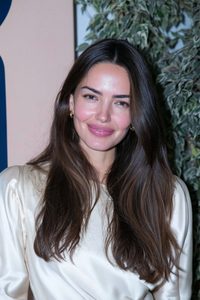
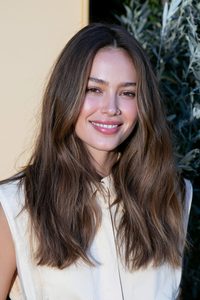
Warm, rich, and refreshingly low-fuss — the brunette shade making autumn easy.
TL;DR
- 20 maple brown color ideas, from all-over depth to hand-painted dimension
- Every technique here is chosen for soft, seamless regrowth
- Options for warm and neutral undertones, light to deep natural bases
There’s a reason maple brown hair color ideas are dominating so many moodboards this season: after years of chasing lighter and lighter blondes, brunettes are having a real moment — and not the flat, one-note kind. Colorists are steering clients toward brown bases with gold and copper running through them, rather than the maintenance-heavy highlights of recent seasons. It’s the kind of shift that rewards patience: shades that lean into your natural warmth instead of fighting it.
Maple brown checks every box for the “worth it but not exhausting” approach to color. It’s rich enough to feel like a real change, but built on techniques that fade honestly instead of leaving a hard line two inches from your scalp. A master colorist at Madison Reed explains that people are drawn to color that reads shiny and dimensional right now, rather than color that requires going lighter or adding more highlights — and that’s precisely the appeal of a good maple base.
That’s the spirit behind this roundup. Every idea below leans into maple’s signature blend of toffee, cinnamon, and honey-brown, but the real common thread is technique — balayage, root smudging, soft melts — each chosen so your regrowth looks intentional instead of overdue. Whether you’re working from a light brunette base or a deep, cool-toned brown, there’s a version of maple here that will grow out gracefully instead of demanding a monthly touch-up.
Ahead, 20 maple brown ideas to bring into your next color consultation.
Classic Maple Brown
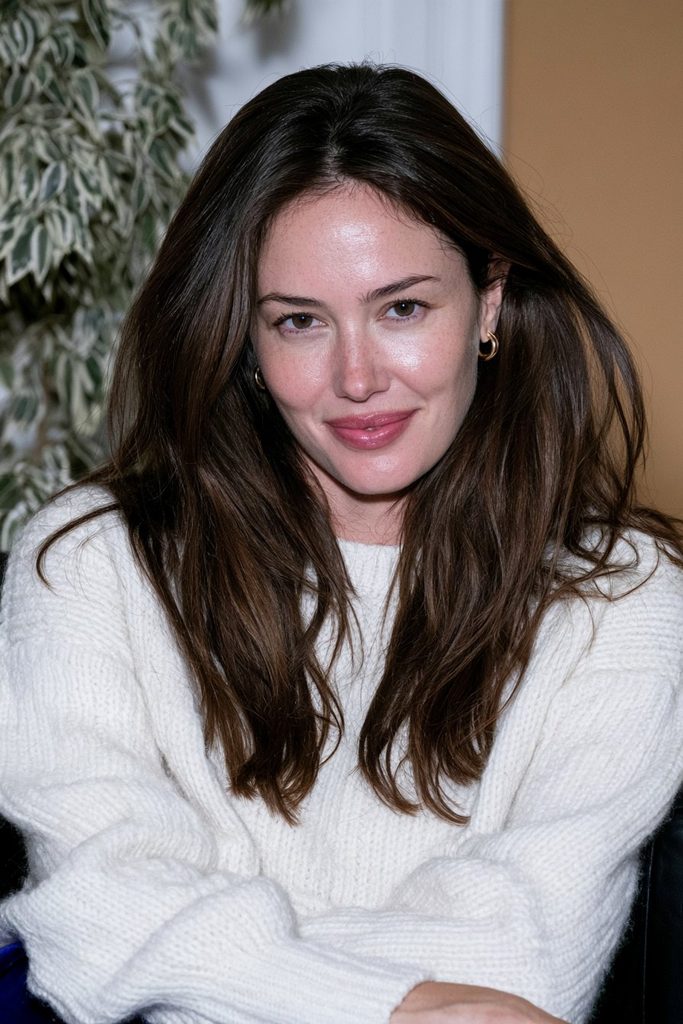
Maple brown at its most straightforward: a warm, medium-to-deep brown with just enough amber running through it to catch the light. Applied all-over and kept within a shade or two of your natural color, it grows out with barely a visible line — proof that sometimes the lowest-maintenance option is also the simplest to ask for.
Maple Balayage
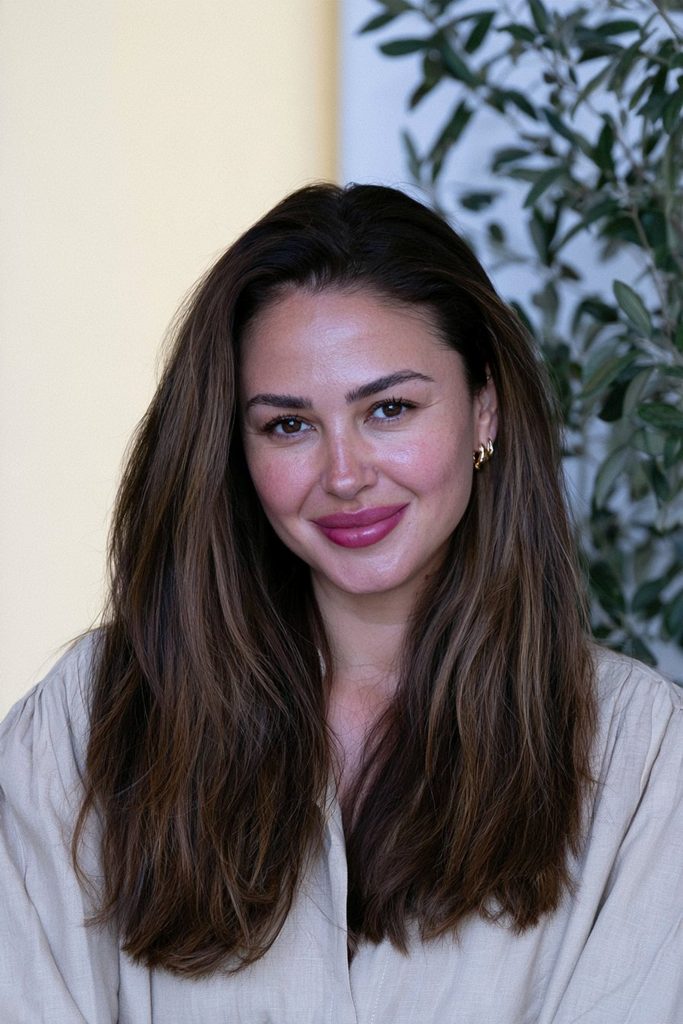
Hand-painted color is the backbone of a good grow-out, and maple balayage puts that to work with soft ribbons of caramel and cinnamon woven through a brunette base. A Wella Professionals digital craft expert notes that freehand ribbons of color blended around eyebrow level make the grow-out far more seamless — which is exactly what gives this version its staying power.
Maple Brown Root Smudge
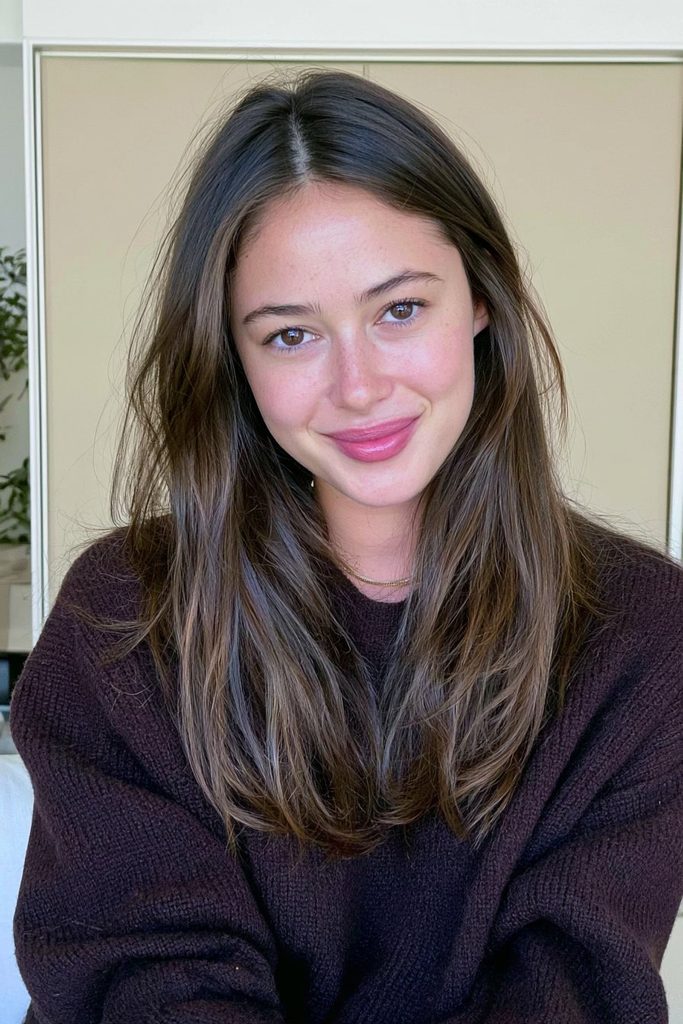
A root smudge blurs the line between your natural color and the maple tone above it, using a soft gradient instead of a hard split. It’s the technique traditionally used to blend gray, but it works just as well for anyone who wants color that fades gracefully instead of demanding an appointment the moment roots show.
Golden Maple Melt
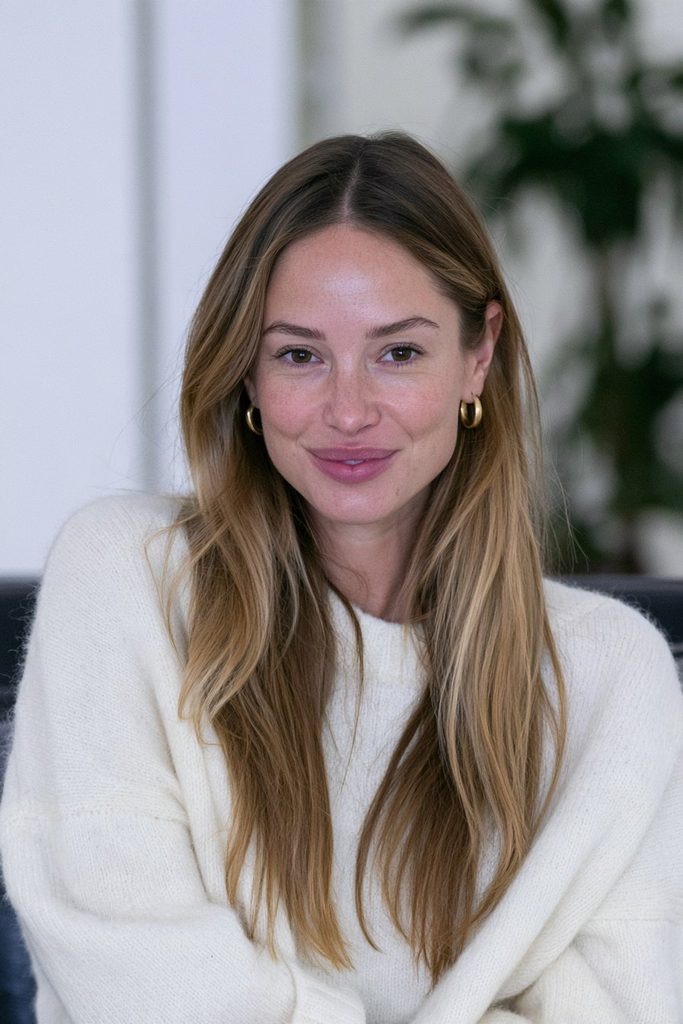
Borrowed from the “diffused melt” many colorists lean on for longevity, this version keeps the base a natural, deep brown and lets the color lighten gradually toward golden maple ends. One L’Oréal Paris celebrity hairstylist describes this approach as a natural, easy flow of color that skips the need for frequent touch-ups — a gentle gradient with no obvious regrowth zone to manage.
Spiced Maple Ribbons
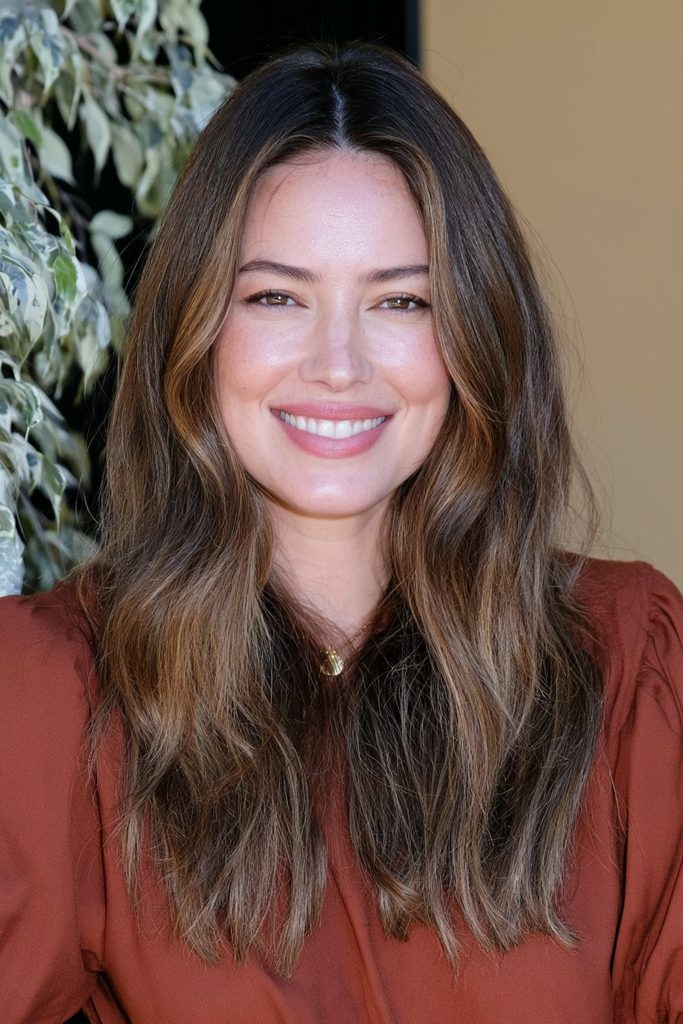
Fine, face-framing babylights in cinnamon and spice tones add movement without the upkeep of a full head of highlights. Kept thin and strategically placed, these ribbons mimic the way hair naturally lightens, so as they grow, they simply blend further into the maple base instead of standing out.
Maple Brown with Face-Framing Highlights
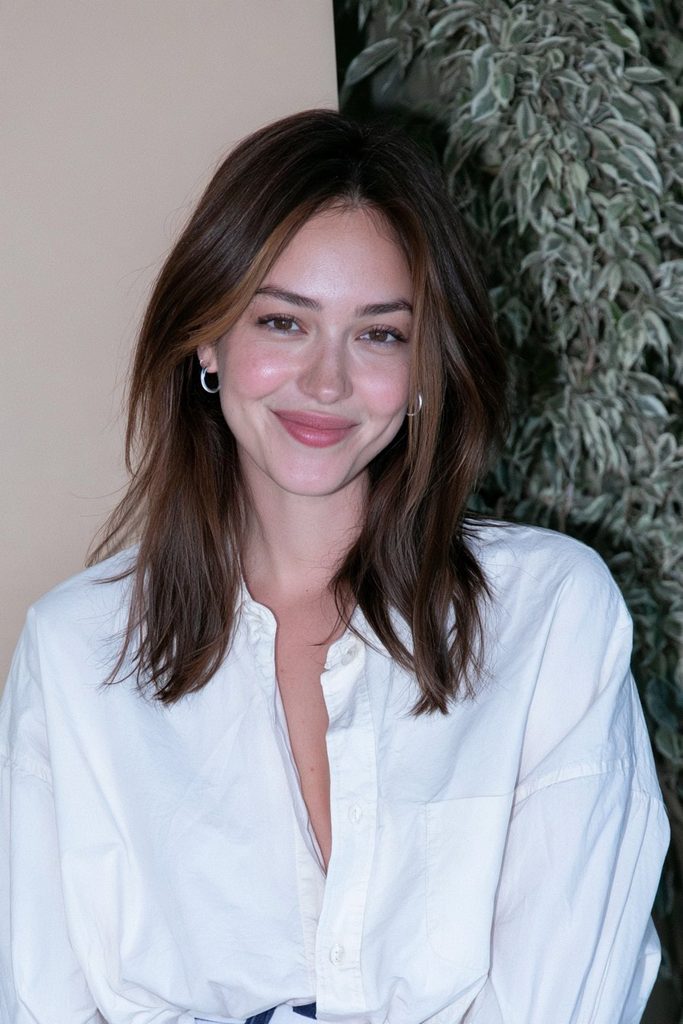
Instead of highlighting the whole head, this look concentrates a few warm maple pieces around the face — the area that gets noticed first. Because most of the hair stays your natural or maple-toned base, the growth process stays easy, with just a couple of face-framing pieces to keep an eye on.
Cinnamon Maple Brown
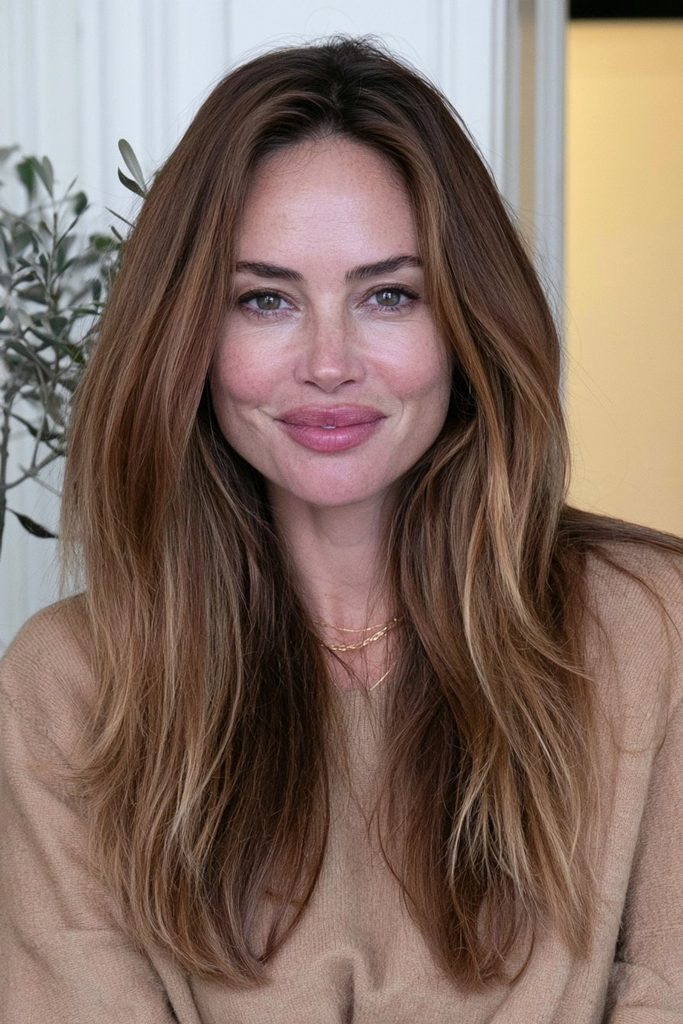
A touch more red than classic maple, cinnamon maple brown leans into warm, spiced undertones that flatter a wide range of skin tones. It fits neatly into this season’s broader shift toward warmer, richer browns, and because it stays close to a natural depth, it fades evenly rather than turning brassy.
Maple Bronde
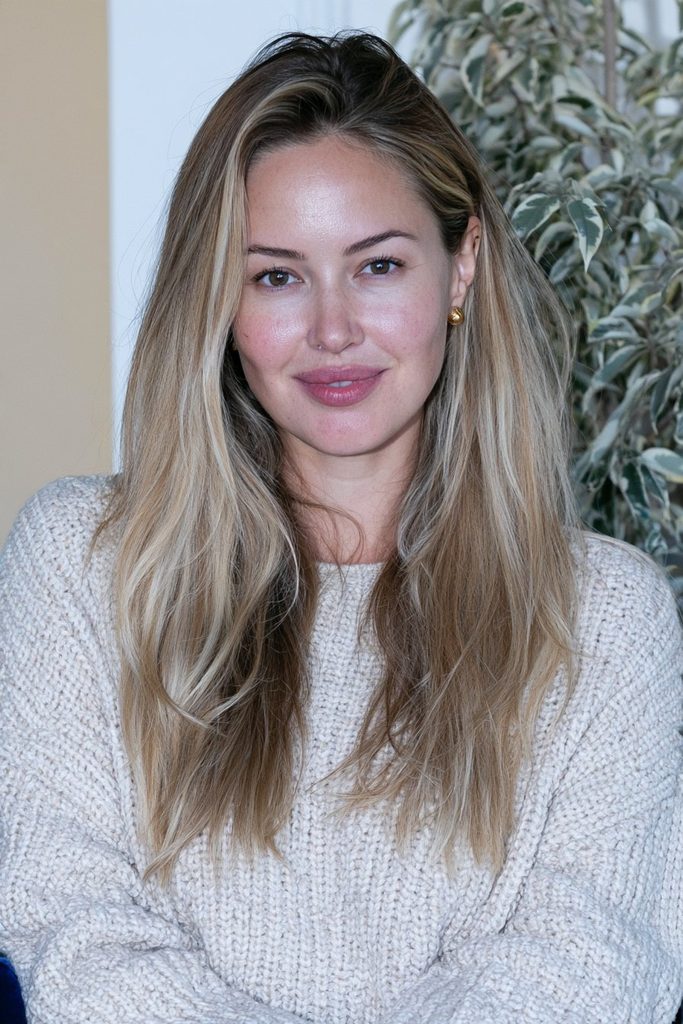
For anyone stuck between brunette and blonde, maple bronde blends a warm brown base with lighter, honeyed ends for a soft, low-contrast transition. The dark-to-light gradient is specifically designed to grow out well, since there’s no harsh line where a single-process color would eventually show its roots.
Maple Brown Sombré
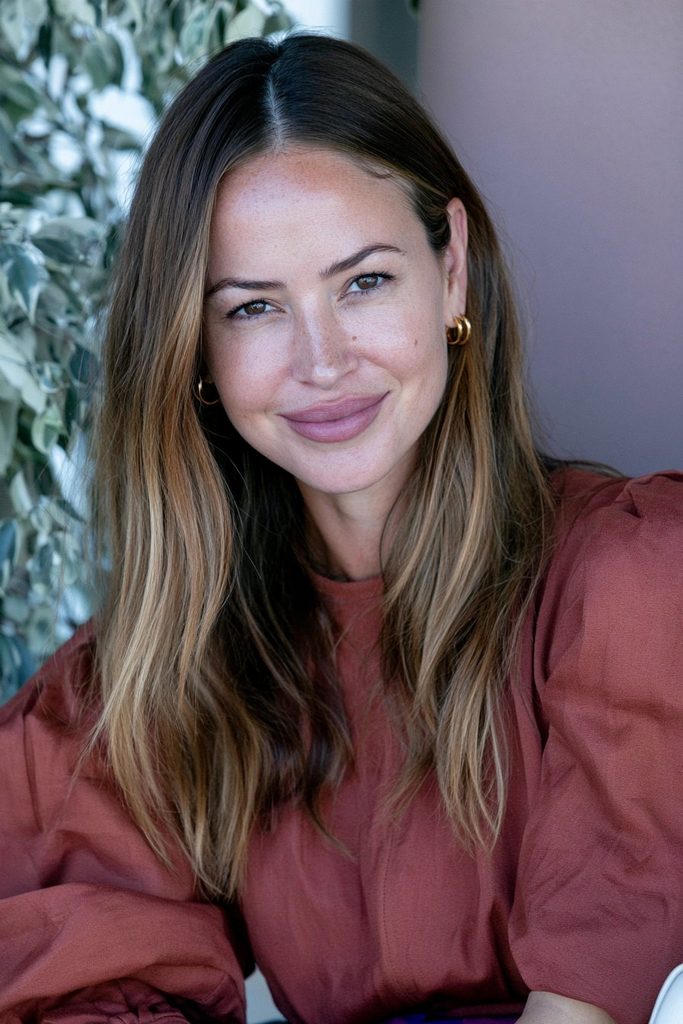
A softer, more subtle cousin of ombré, sombré keeps the transition between root and end nearly seamless. One colorist interviewed about low-maintenance color points to this kind of gradual, panel-based approach as color that actually looks better the longer it grows out — which is exactly the promise of a good maple sombré.
Maple Balayage on Curly Hair
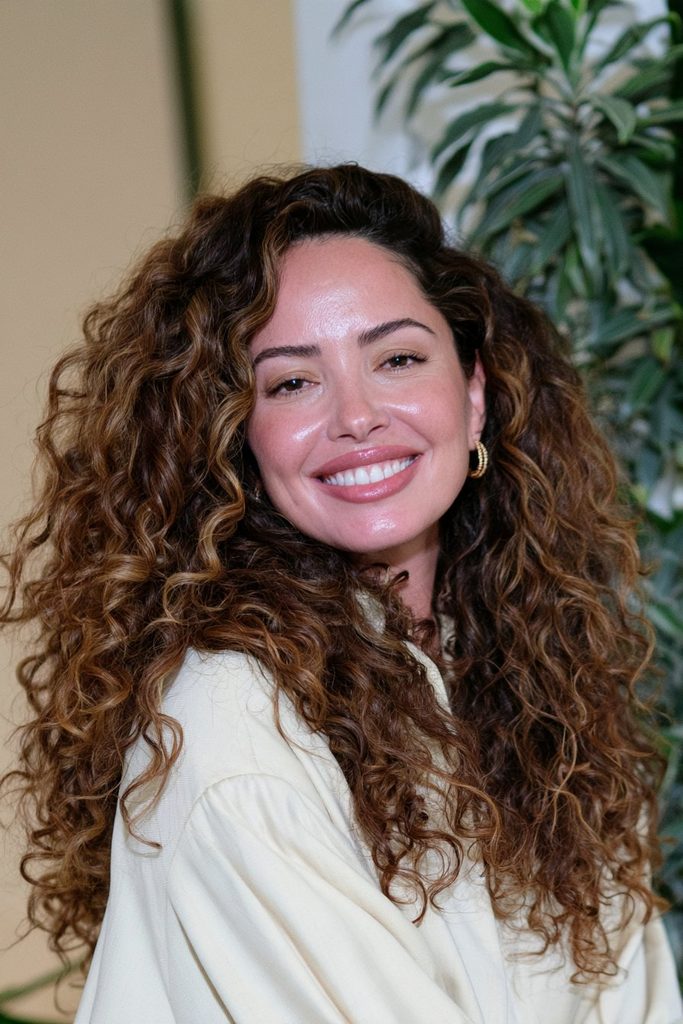
Curls scatter light differently than straight strands, which makes hand-painted maple tones especially effective — the color settles into the texture rather than sitting in flat blocks. It’s a natural pairing with a wash-and-go routine, and if you’re weighing a cut to go with it, these low-maintenance medium curly haircuts show how texture and color can work together.
Deep Maple Brown
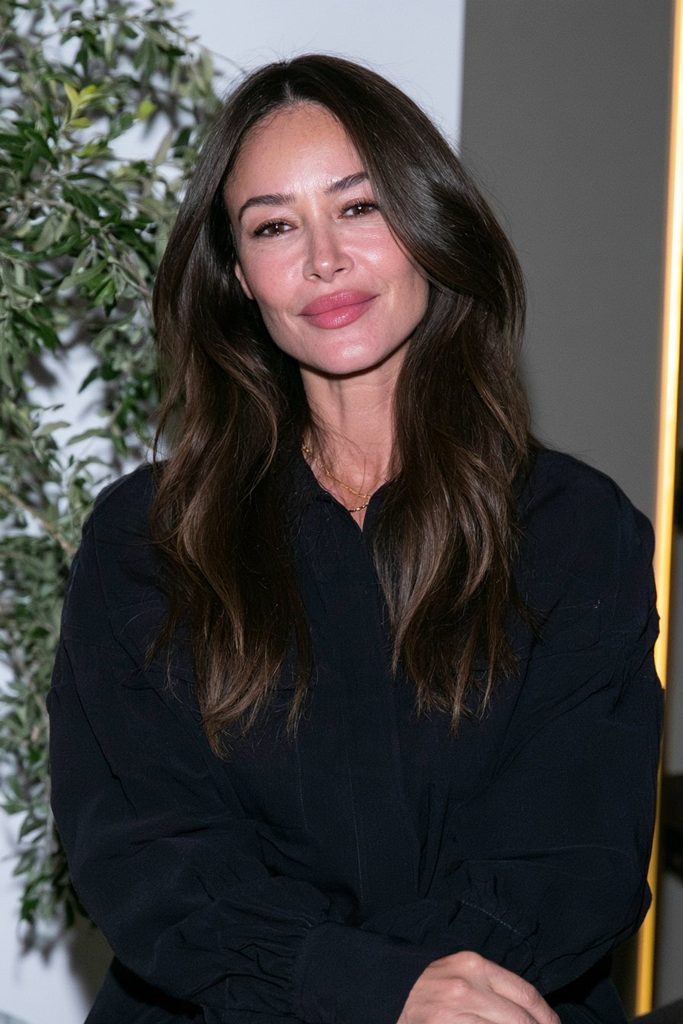
For naturally dark hair, deep maple brown adds warmth without asking for a major lift. Colorists say clients are drawn right now to color that reads shiny and rich rather than lighter or more highlighted, and a deep maple base does exactly that while staying close enough to your natural shade to need only occasional refreshing.
Maple Toffee Highlights
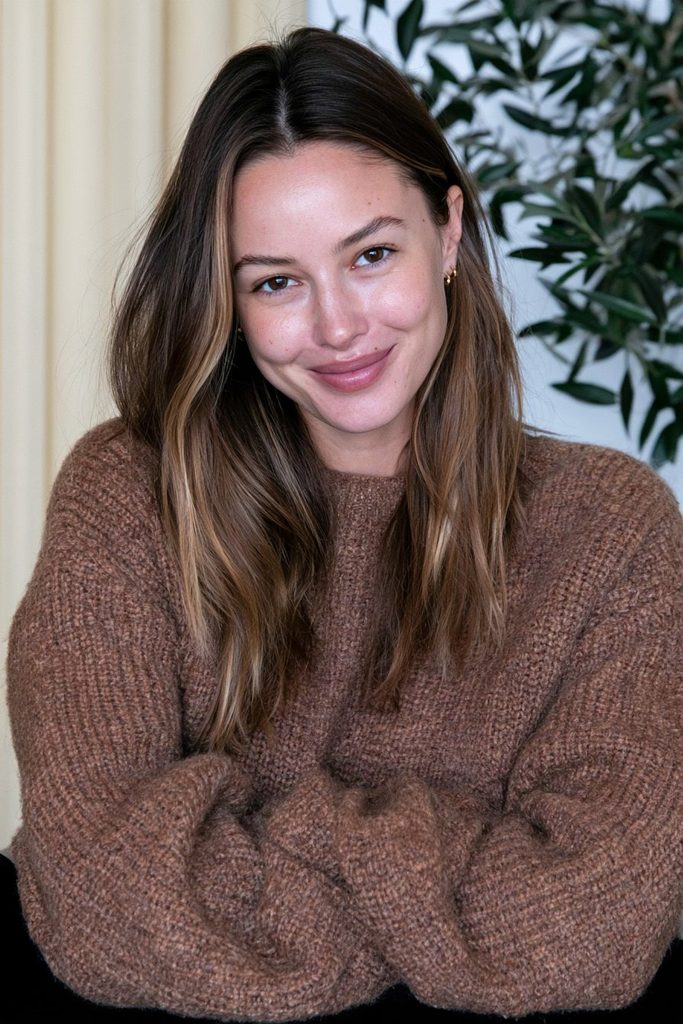
Slightly lighter and creamier than classic caramel, toffee highlights add a buttery warmth to a maple brown base. Placed mid-shaft to ends rather than at the root, they behave like a natural sun-kissed effect that only gets softer as it grows — no urgent touch-up required.
Maple Brown Money Piece
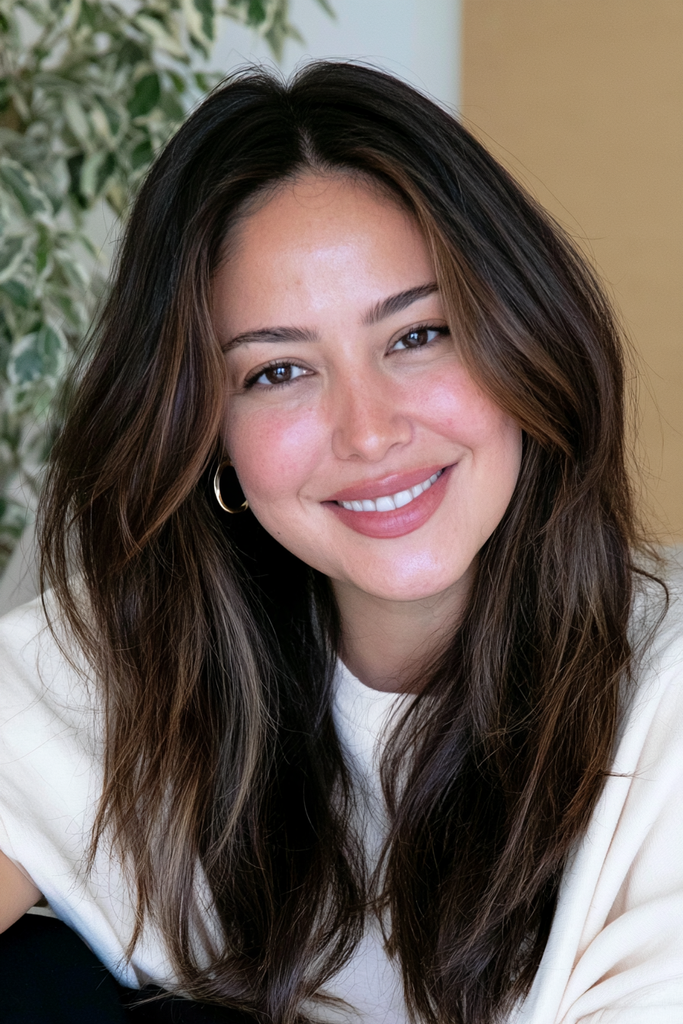
A single, bright money piece framing the face adds a pop of dimension to an otherwise low-key maple base. Because it’s isolated to one or two face-framing pieces, it’s one of the easiest highlight styles to maintain — everything else stays exactly where a good maple color naturally wants to sit.
Maple Brown Root Stretch
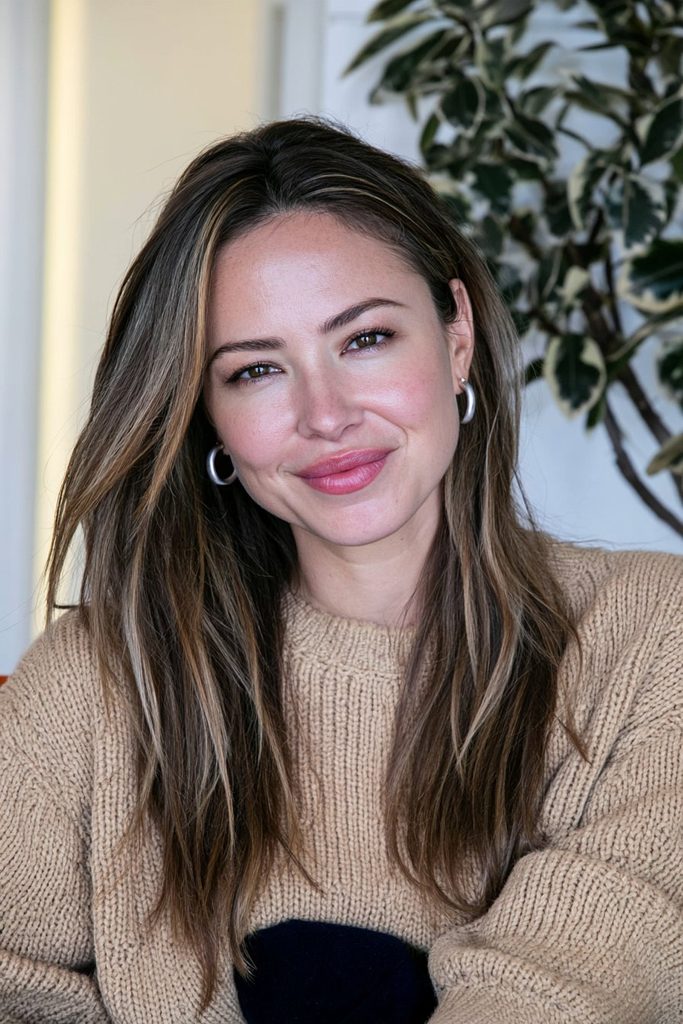
Originally developed to blend gray regrowth, the root stretch technique softens the line between your natural color and a maple brown all-over shade. It’s especially useful heading into a lower-maintenance season, and pairs naturally with an easy-care cut — like these wash and wear haircuts for over 60 — for a genuinely fuss-free routine.
Maple Caramel Dimension
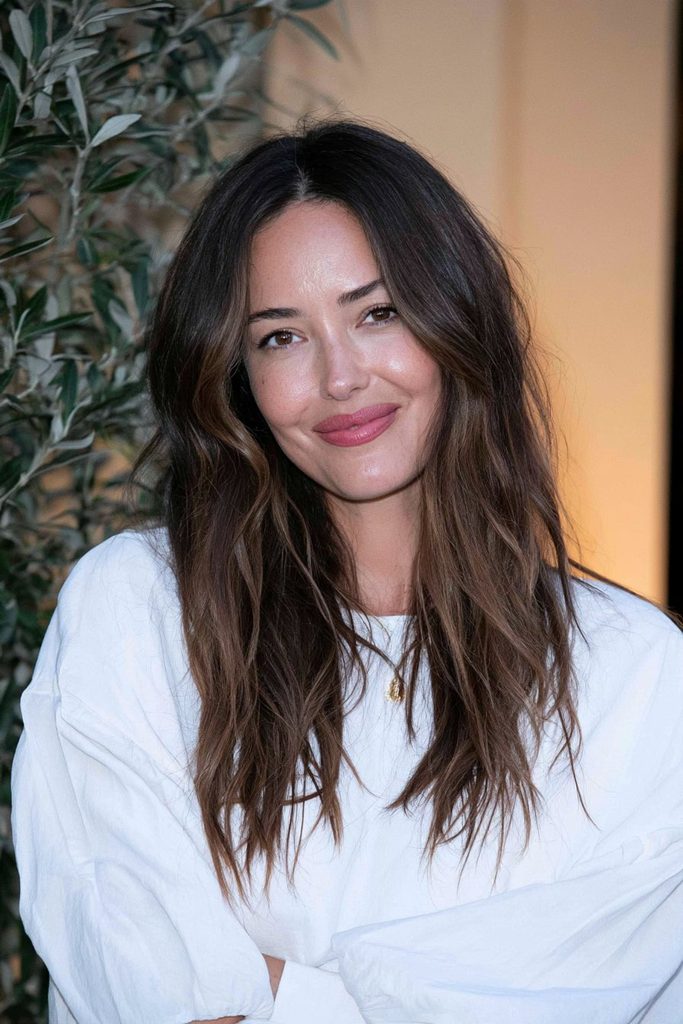
Weaving caramel tones through a maple base adds multi-tonal depth without pushing the color out of a natural, wearable range. The combination creates the kind of shine and richness colorists say clients are chasing this season, rather than more contrast or more lift.
Maple Brown Gloss
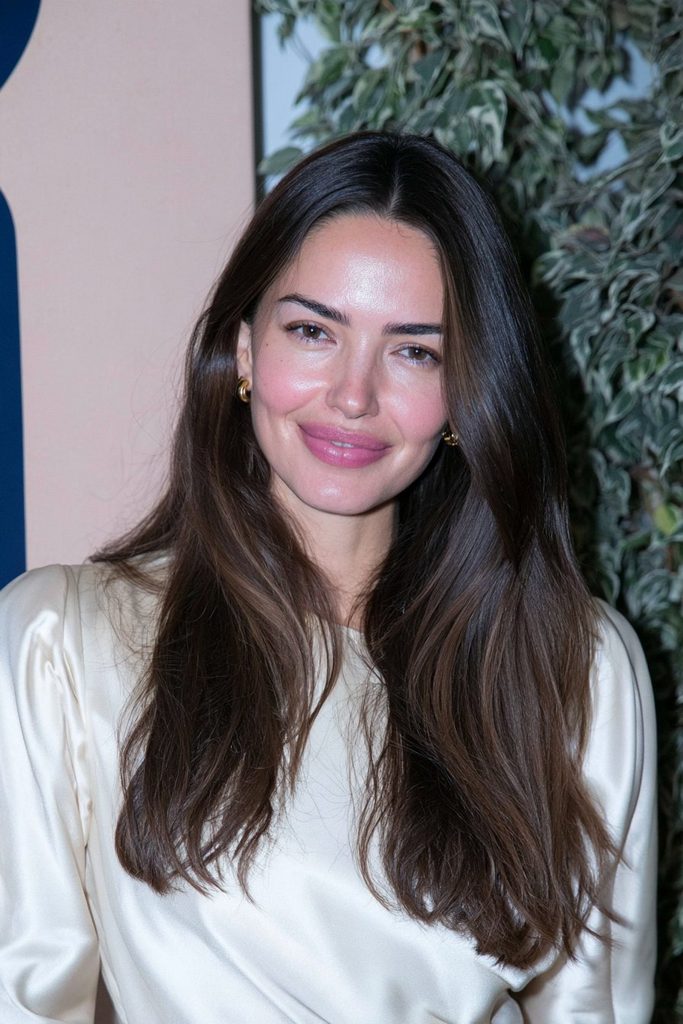
For a low-commitment way to test the shade, a gloss or color-depositing treatment adds maple tones on top of your natural color without lightening anything. One colorist quoted on low-maintenance techniques points to gloss treatments as an easy way to boost shine while the color simply fades out rather than growing out — one of the gentlest ways to try warm brown before committing to anything permanent.
Maple Brown Babylights
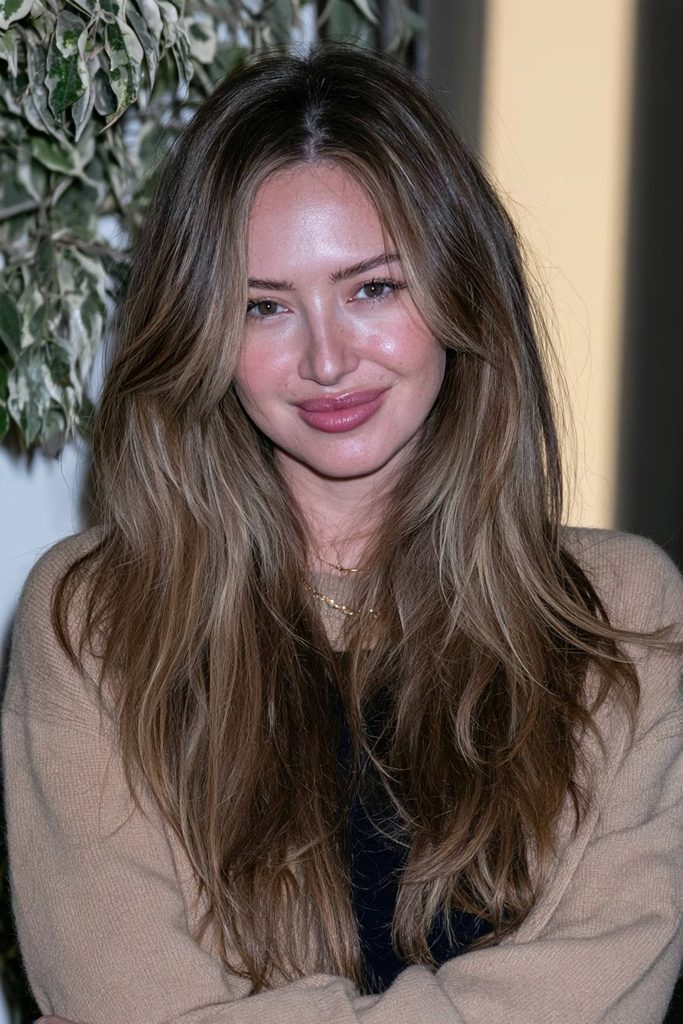
Babylights are the finer, more subtle sibling of traditional highlights, and in a maple palette they create soft, sun-warmed dimension rather than obvious stripes. Because each strand is so fine, the regrowth is nearly invisible for months, which is exactly the point of choosing babylights in the first place.
Maple Brown Lowlights
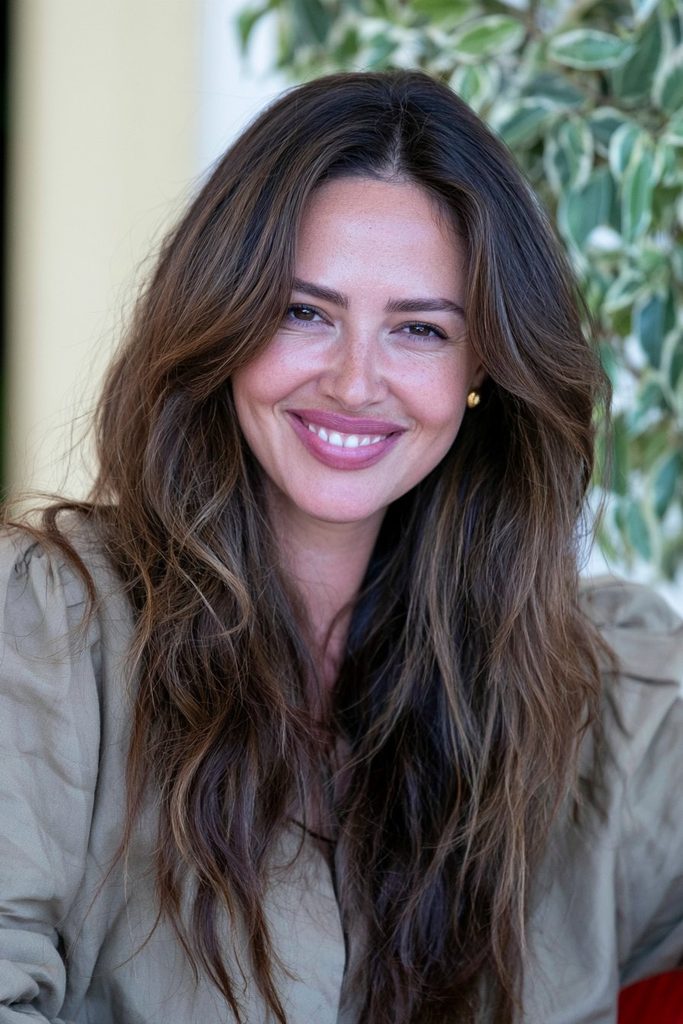
If your base is already on the lighter side, lowlights in maple and chestnut tones can add depth without a full re-color. Since the lowlights sit within a natural tonal range, they blend into regrowth instead of creating contrast — a smart route for anyone easing into brunette from a lighter shade.
Maple Chestnut Blend
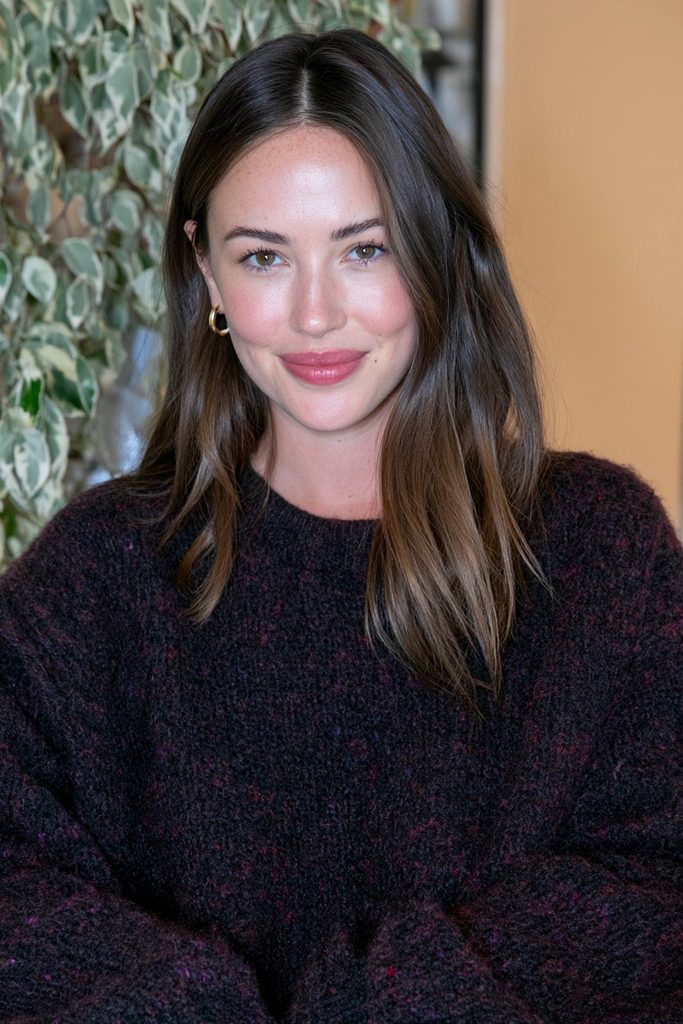
Chestnut brings a slightly cooler, nuttier edge to classic maple, creating a rich blend that still reads warm overall. The two tones sit close enough in depth that a colorist can weave them together seamlessly, so as the color fades, the shades continue to blend into each other rather than separating out.
Maple Brown Pixie Regrowth
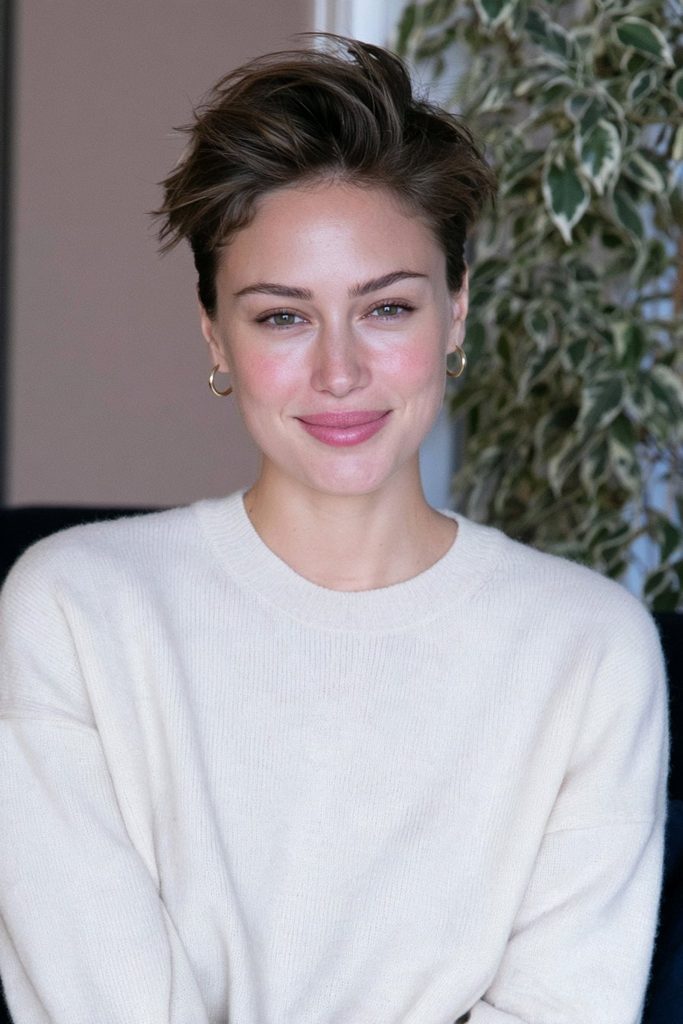
Shorter cuts grow out faster in general, but a maple brown base is particularly forgiving on a pixie, since there’s less length for a demarcation line to show. If you’re considering the cut itself, these low-maintenance pixie cuts for fine hair over 60 pair naturally with a maple color that only needs touching up every couple of months.

Elsa Claire is the founder and editor of ElsaClaire.com, where she writes about hairstyles, hair care, and the everyday routines that help real people feel good about their hair.