Finding stylish biker hairstyles for women is something I’ve been passionate about since I started riding. We’re all familiar with that moment—you take off your helmet after an exhilarating ride, catch a glimpse in your mirror, and… oh no. Helmet hair strikes again!
As a female rider myself, I understand that motorcycle hairstyles need to achieve three things: look good, protect your hair from wind damage, and be quick to fix after wearing a helmet. I’ve tested countless biker chick hairstyles over the years, from elaborate braids to simple bandanas, and discovered that the right helmet-friendly hairstyles can make all the difference. Actually, every female motorcyclist needs to protect not only her head but also her hair each time she hits the road. Finding functional female biker hairstyles isn’t just about vanity—it’s about practicality too. For instance, if your ponytail sits too high, your helmet won’t fit properly, which compromises safety.
In this article, I’m sharing my 12 favorite quick hairstyles that work perfectly for women who ride. Whether you have long flowing locks or a shorter style, these solutions will help you look great on and off your bike without spending an hour fixing your hair in a public bathroom. Let’s solve those helmet hair problems together!
Low Ponytail
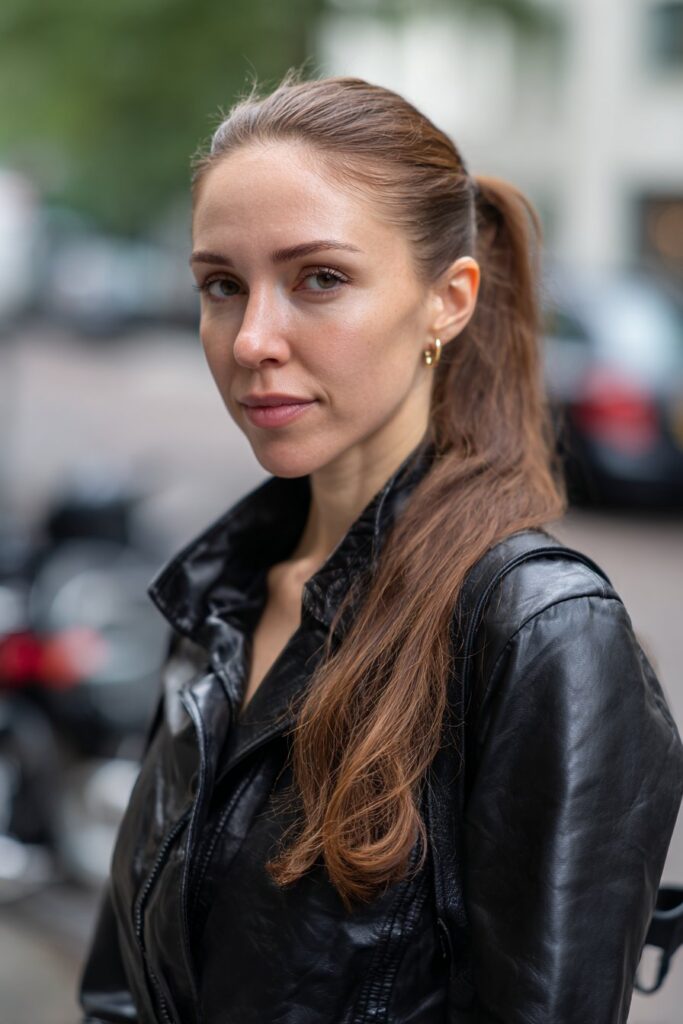
The low ponytail remains my go-to hairstyle whenever I’m preparing for a ride. During my early days of biking, I struggled with finding styles that worked under a helmet until I discovered this classic solution.
What the low ponytail is
A low ponytail is exactly what it sounds like—a ponytail positioned at the nape of your neck rather than higher on the head. Unlike high or mid-level ponytails that create bumps under your helmet, the low placement sits smoothly against your neck, creating a sleek profile. Furthermore, this style works with virtually any hair length past the chin, making it one of the most versatile biker hairstyles for women.
Why the low ponytail works for bikers
The magic of the low ponytail lies in its strategic placement. When positioned at the nape of your neck, it avoids creating uncomfortable pressure points inside your helmet. This placement keeps your hair away from your face and prevents it from getting caught in the wind.
The advantages of this style are numerous:
- Takes mere seconds to create—perfect for those early morning rides
- Universally flattering on all face shapes
- Keeps hair managed and off your neck during hot summer rides
- Reduces friction between hair and helmet, preventing breakage and damage
I’ve learned through experience that a low ponytail is particularly effective on longer rides. Unlike elaborate styles that can become uncomfortable over time, this simple solution stays comfortable hour after hour.
How to style a low ponytail for helmet use
Creating the perfect helmet-friendly low ponytail is straightforward. First, gather all your hair and sweep it to the base of your neck. Next, secure it with a soft, snag-free elastic to prevent breakage. The key is positioning—ensure your ponytail sits below the level of where your helmet ends to avoid headaches from extra pressure.
For additional protection against tangles, try these techniques I’ve perfected over years of riding:
- Braid or twist the length of the ponytail and secure the end—this keeps hair consolidated during windy rides
- Wrap a scarf around your neck to keep the ponytail tucked firmly down the back of your jacket
- Try the “flipped ponytail” variation for a more stylish look that stays neat under helmets
One common mistake I often see is placing the ponytail too high. Remember, if your ponytail sits too high, your helmet won’t fit properly, compromising both comfort and safety. The perfect position allows your helmet to sit securely without creating pressure points or discomfort.
Low Bun
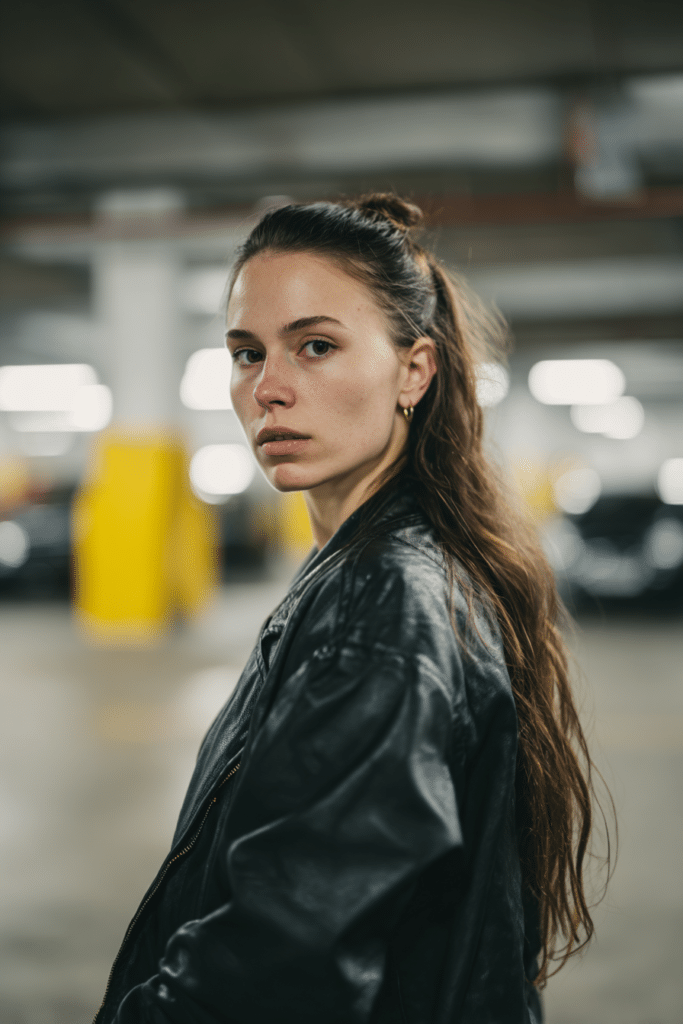
After years of trying different styles on the road, the low bun has become my absolute favorite hairstyle for longer rides. My hair stylist friend Elsa once showed me this technique, and it’s been a game-changer for my motorcycle adventures.
What the low bun is
The low bun is a sleek, sophisticated updo positioned at the very nape of your neck. Unlike other bun styles that sit higher on the head, this hairstyle keeps all your hair neatly bundled at the lowest point of your hairline. What makes it perfect for female bikers is its flat, compact profile that doesn’t create bulk under your helmet. The style works magnificently for medium to long hair, though shorter-haired riders can create mini versions with the right technique.
Why the low bun is helmet-friendly
The strategic placement of the low bun makes it exceptionally compatible with helmets. By positioning the bun at the nape of your neck, it sits below where your helmet ends, preventing uncomfortable pressure points. This placement ensures your helmet fits properly without compromising safety or comfort.
Moreover, this hairstyle offers multiple advantages for women who ride:
- Keeps all your hair neatly tucked away, protecting it from wind and pollution
- Maintains a professional appearance—perfect for commuters who need to look polished after arriving at their destination
- Provides cooling for your neck during warmer riding days
- Creates a secure style that won’t unravel during even the longest rides
I’ve found the low bun particularly useful for weekend trips—after a full day’s ride, I can simply remove my helmet and still look presentable for dinner without major hair repairs.
How to style a low bun quickly
Creating a helmet-friendly low bun is surprisingly simple. Here’s my foolproof method that takes just 60 seconds:
- Gather all your hair into a low ponytail at the nape of your neck
- Don’t pull the hair completely through on the final loop of your hair tie—this creates a simple looped bun
- For extra security, twist the remaining hair and wrap it around the base
- Secure with bobby pins, inserting them with a wiggling motion to ensure they’re firmly anchored
- Apply a light finishing spray to tame flyaways
The key is making the bun as flat and low as possible. For added protection against tangles, try creating a braided low bun, which sits neatly at your neck base while keeping your hair extra secure.
Remember, the main mistake to avoid is placing the bun too high—ensure it sits completely below your helmet line to maintain proper helmet fit and avoid headaches from pressure points. This positioning allows you to either tighten your helmet’s cinch system above the bun or, alternatively, pull the bun through the webbing and cinch under your hair.
Two Braids
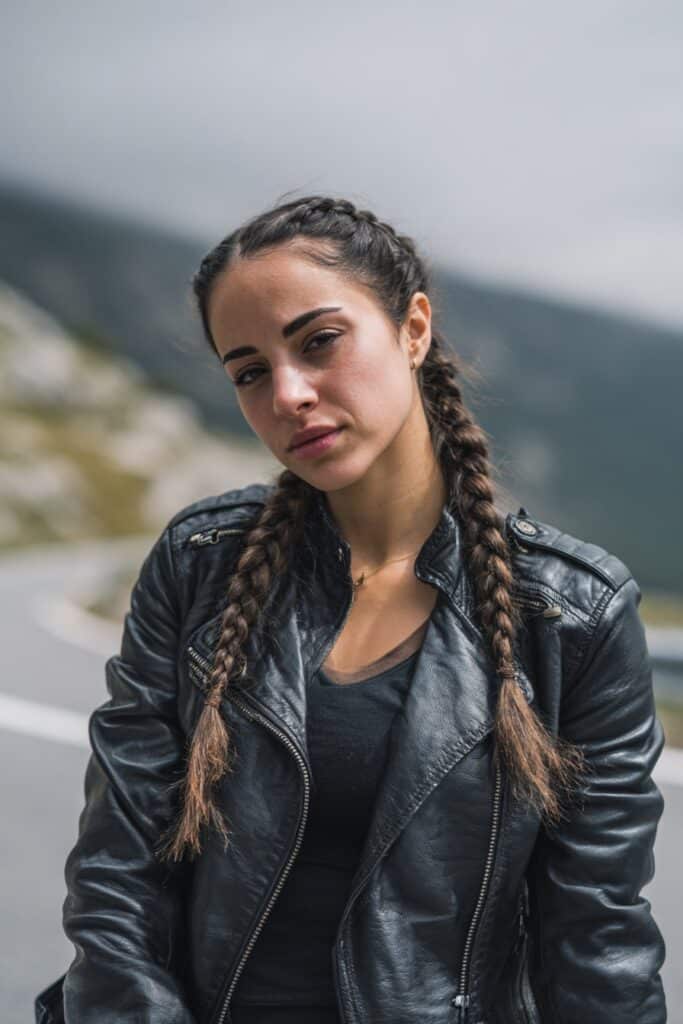
My riding buddy Sophie introduced me to the two braids style after she noticed my constant battle with tangled hair. “Divide and conquer,” she said, and she wasn’t wrong! This style has saved me countless post-ride frustrations.
What two braids are
Two braids (often called pigtails) involve dividing your hair down the middle and creating two separate braids, one on each side of your head. Unlike a single braid, this style distributes hair evenly on both sides, creating balance and preventing the bulk that can make helmets uncomfortable. The braids start at the nape of the neck and control long hair tightly, securing your locks from base to ends.
Essentially, this style gives you the best of both worlds—hair that’s neatly contained yet still visible and flattering when you remove your helmet. My stylist friend Elsa Claire suggests this style frequently for her clients who ride, noting that the dual braids frame the face beautifully after helmet removal.
Why two braids are great for long rides
Two braids excel on longer journeys where comfort and practicality matter most. Primarily, they secure your hair along its entire length, dramatically reducing wind-whipping damage. They also fit snugly under your helmet, keeping hair completely out of your face.
Additionally, I’ve discovered several advantages that make this style perfect for extended rides:
- Creates less bulk under your helmet compared to a single thick braid
- Offers balanced weight distribution that prevents your helmet from sitting crooked
- Can easily be tucked into your jacket for ultimate wind protection
- Provides cooling for your neck on hot days
- Delivers naturally beachy waves when you undo them after riding
Accordingly, this style works exceptionally well if you have thick or very long hair, as it divides the bulk into more manageable sections.
How to create two braids that stay put
Creating secure two braids is straightforward, even with helmet hair challenges. First, divide all your hair into two equal halves by making a clean center parting from front to back. Subsequently, tie each section separately, ensuring the ties sit low at your neck base.
For maximum security, I recommend:
- Braid each section tightly, starting at the nape
- Use small, snag-free elastics at the ends
- Avoid using too many bobby pins as they become uncomfortable under your helmet
Furthermore, if your hair is extra thick or long, consider French or Dutch braiding. Despite requiring slightly more effort, they contain all baby hairs and prevent flyaways, providing excellent helmet compatibility. My friend Elsa taught me that slightly dampening your hair before braiding helps create a tighter weave that lasts all day.
Once complete, your braids should hang evenly and be positioned so they don’t create pressure points inside your helmet. I’ve been using this style for weekend group rides, and it’s never let me down—even after 200+ miles on the road!
Single Back Braid
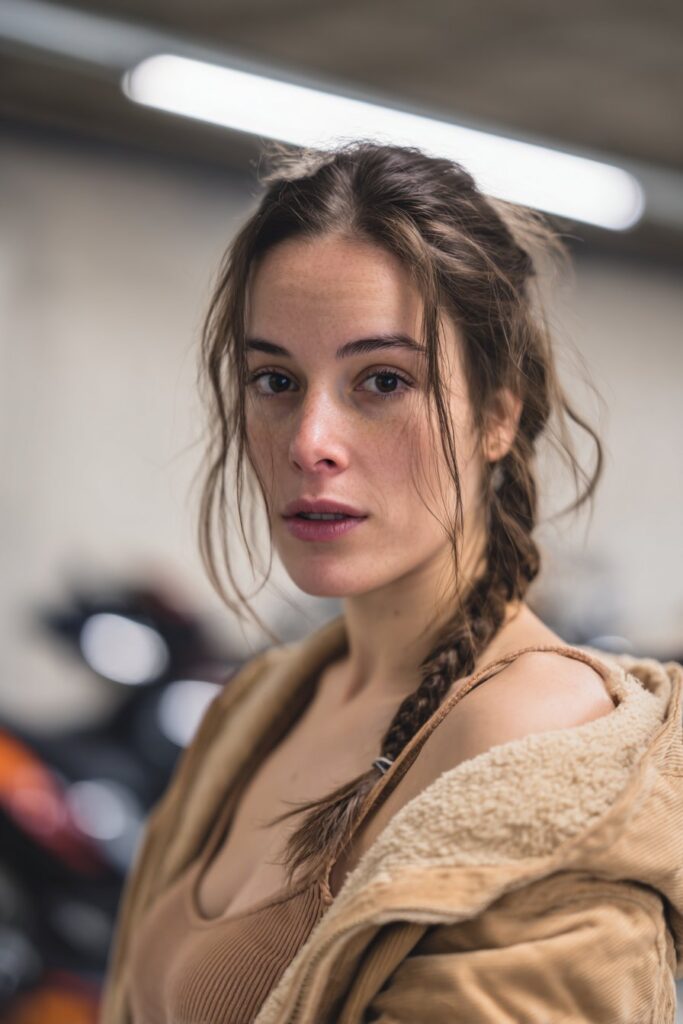
The classic single back braid has been my salvation on countless rides across varying terrains and weather conditions. As a woman with hair past my shoulders, I’ve learned that simplicity often provides the best solutions for helmet hair challenges.
What a single back braid is
A single back braid is a classic three-strand plait that runs down the center of your back. Unlike more elaborate styles, this timeless option creates a smooth, flat surface at the back of your head, allowing your helmet to sit securely without uncomfortable pressure points. Essentially, it’s one continuous braid that contains all your hair from the nape of your neck downward, creating a controlled, streamlined look.
My stylist friend Elsa Claire—who specializes in functional yet fashionable hairstyles—first showed me how to perfect this technique. She explained that single braids typically last 4-8 weeks when properly installed with extensions, yet even without extensions, a well-executed braid can last through multiple rides.
Why it’s a go-to for long hair
For those of us with longer locks, a single back braid truly excels as a motorcycle hairstyle. First of all, this style minimizes friction against both your jacket and helmet lining, which significantly reduces breakage and split ends. Plus, it creates a secure style that lasts all day, making it perfect for commuting to work or school.
The benefits I’ve experienced with this style include:
- Creates a smooth profile that doesn’t interfere with helmet fit
- Prevents hair from whipping around in the wind and forming stubborn knots
- Offers a secure style that remains intact throughout extended rides
- Maintains a professional appearance upon arrival at your destination
- Works wonderfully for managing waist-length hair
Nevertheless, some riders find that installing single braids can be time-consuming and, depending on tension, might cause scalp discomfort. Yet, I’ve found the benefits generally outweigh these minor drawbacks.
How to braid your hair for a smooth ride
Creating an effective single back braid for riding requires attention to placement and security. Based on both Elsa’s guidance and my personal experience, here’s how I create the perfect helmet-compatible braid:
First, brush your hair thoroughly to remove tangles. Then, gather your hair at the nape of your neck, ensuring it sits low enough to avoid creating bumps under your helmet. Divide it into three equal sections and begin a standard braid pattern—right section over middle, left over middle, repeating until you reach the ends. Finally, secure with a snag-free elastic.
For maximum protection, I recommend tucking the end of your braid into your jacket. This prevents it from becoming a “bullwhip” at highway speeds—something my friend experienced firsthand before adopting this technique!
Remember that keeping the braid centered down your back or slightly to one side creates the most comfortable helmet fit. Indeed, some riders prefer a side braid variation for additional comfort and style.
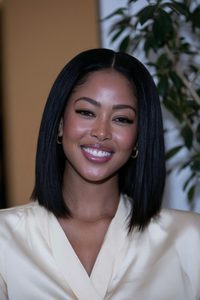
Choppy Bob
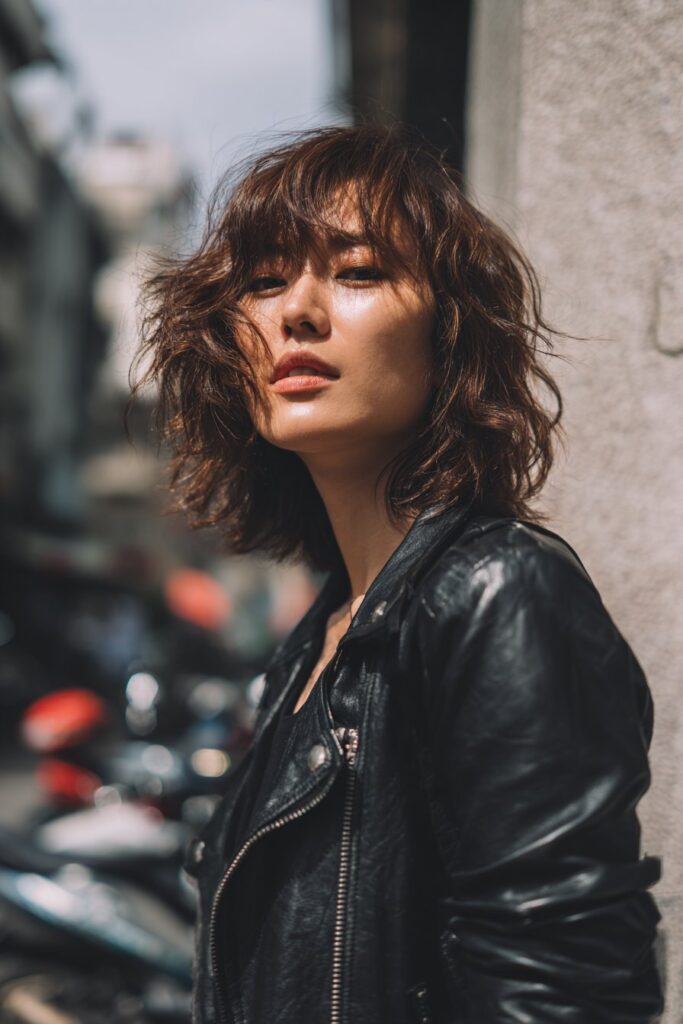
My hair transformation journey led me to the most liberating biker hairstyle I’ve ever tried – the choppy bob. After struggling with long locks under my helmet for years, this game-changing cut has simplified my riding life completely.
What a choppy bob is
A choppy bob is a textured, layered take on the classic bob haircut with deliberately uneven or piece-y ends that create movement and an effortless, tousled look. Unlike traditional one-length bobs with blunt ends, a choppy bob offers sharp angles and a touch of boldness created through point cutting techniques that bring dimension and movement to the style.
As my hairstylist Elsa Claire explained when she first convinced me to make the chop, “A choppy bob is designed to feel modern, a little edgy and low-maintenance.” She was absolutely right. The beauty of this style lies in its versatility – it can be worn from chin-length to shoulder height, as long as it maintains that signature textured finish with lots of layers.
Why it’s ideal for short hair riders
For female motorcyclists, a choppy bob solves multiple helmet hair problems simultaneously. First of all, this style is incredibly forgiving after helmet removal – those deliberate layers and textures mean helmet compression actually enhances rather than ruins the look!
The advantages I’ve discovered make it perfect for women who ride:
- The textured layers create natural volume that springs back after helmet compression
- Shorter length means no tangling or wind damage at the neck
- The choppy texture hides helmet dents that would show in sleeker styles
- It grows out gracefully, requiring less frequent trims
Fortunately, choppy bobs work beautifully for “straight to wavy hair types” because “these textures help show off the layers and natural movement.” Even better, if you have fine hair like me, “the choppiness can create the illusion of volume” – counteracting that flattened helmet effect perfectly.
How to maintain a choppy bob under a helmet
Maintaining this helmet-friendly hairstyle is refreshingly simple. Before riding, I lightly mist my bob with a texturizing spray which gives it grip and prevents it from going completely flat under my helmet.
After removing my helmet, my quick revival routine takes just seconds:
- Flip your head upside down and shake your fingers through the roots
- Apply a small amount of texturizing cream to revive the ends
- Use your fingers (not a brush!) to reshape any flattened sections
As Elsa taught me, “The best way to style a choppy bob is to enhance its natural texture.” This works perfectly post-ride by using “sea salt sprays, light mousses or texturizing creams, followed by a rough blow dry or air dry.” For extra definition, “a quick bend with straighteners or curling irons can add definition to the layers,” although I rarely need this step after my helmet has already created natural texture!
Ultimately, this low-maintenance style has freed me from bathroom mirror struggles at every rest stop – exactly what female bikers need.
Crop Cut
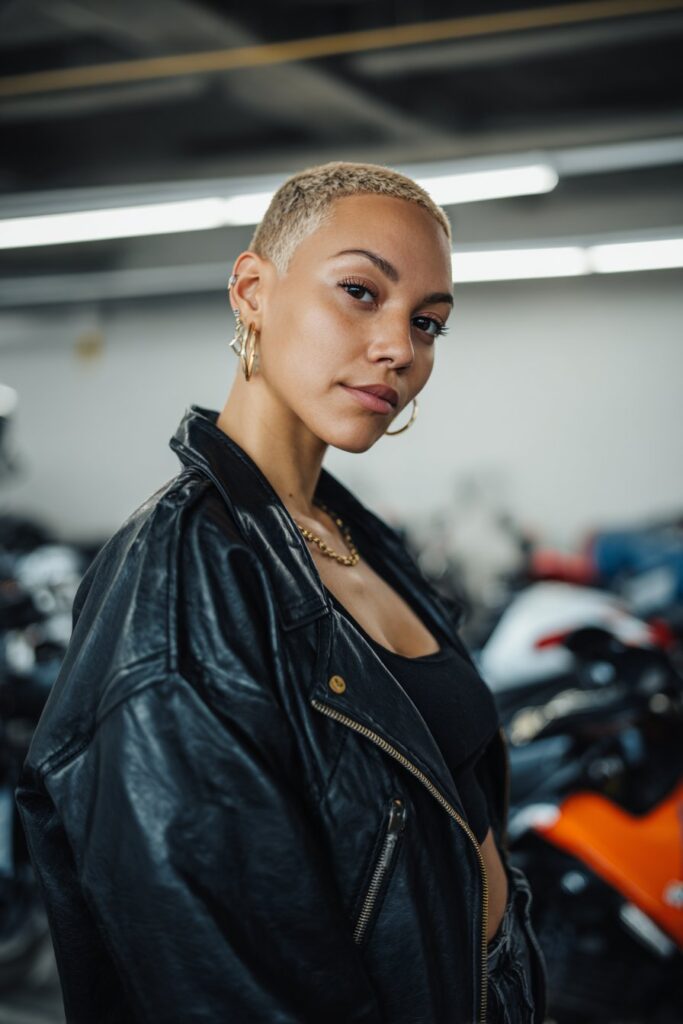
When I first sat in Elsa Claire’s chair and told her I was tired of battling helmet hair, she immediately suggested a crop cut. “Trust me,” she said with that confident smile, “this will change your riding life.” As someone who previously cherished my longer locks, I was skeptical—yet it turned out to be the best hair decision I’ve made as a female motorcyclist.
What a crop cut is
A crop cut is an extremely short hairstyle that keeps hair close to the head with textured elements for style and movement. Unlike a basic buzzcut, a proper crop typically features slightly more length on top with textured sections that create visual interest and dimension. The French crop variation has become particularly popular among women riders, featuring a short-textured top with even shorter sides.
The beauty of a crop lies in its versatility—it can be worn sleek and smooth or tousled and textured depending on your preference. Elsa explained that crops work exceptionally well for riders because they create a flat profile against the head with minimal bulk.
Why it’s the ultimate no-fuss style
For women motorcyclists, the crop is genuinely revolutionary. Women with very short hair enjoy a tremendous advantage—we simply never suffer from helmet hair. After watching countless riding friends struggle with elaborate post-ride styling rituals, I’ve come to appreciate the freedom that comes with this cut.
The primary benefits make it worth considering:
- The short length makes it incredibly easy to manage under any riding condition
- Added texture helps maintain some volume and style even after wearing a helmet
- You’ll look as gorgeous after the ride as you do before
Plus, you’ll be truly liberated from hair ever banging you in the face while riding. As someone who commutes daily on my bike, this time-saving aspect has been invaluable.
How to style a crop cut post-ride
Post-ride styling with a crop cut is refreshingly simple. Even when my hair is drenched with sweat after a long summer ride, I simply run my hand through it, pat it down on the sides, and I’m good to go.
My favorite Elsa-taught trick: comb your hair the opposite way to how it naturally sits before putting your helmet on. When you remove your helmet, it will fall to its natural side but with added body—instantly eliminating helmet hair. Occasionally, you might notice an “Alfalfa” bit sticking up on a cowlick, but this is easily tamed with a quick finger-styling.
For those with natural texture or curls, Elsa recommends quickly wetting your hands and running them through your crop to reactivate any curl pattern that’s been compressed. A tiny bit of styling product rubbed between your palms and applied to your hair can refresh your style in seconds.
Headband Braid
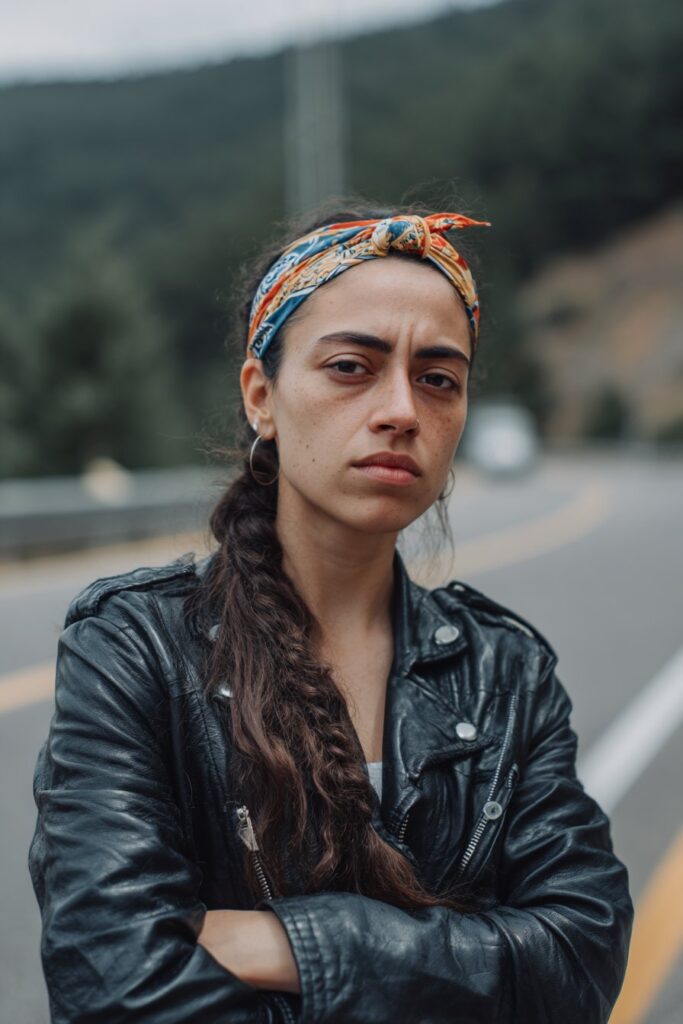
Elsa Claire first introduced me to the headband braid technique during one of our styling sessions. “Your hairline needs protection from that helmet,” she noted, examining the breakage around my temples. That conversation changed my approach to motorcycle hairstyling entirely.
What a headband braid is
A headband braid is a single braid that wraps around your head like a crown, following your hairline from ear to ear. Unlike regular braids that hang down, this style sits flat against your head, creating a natural barrier between your scalp and helmet. Initially popular when a famous actress started wearing it, headband braids have become a staple among busy women who need quick yet polished looks.
Why it protects your hairline
First and foremost, the headband braid shields your most vulnerable hair—those delicate strands at your temples and forehead that typically get crushed under helmet pressure. As a result, you’ll experience less breakage and fewer flyaways post-ride. Especially beneficial is how this style works universally across all facial shapes—oval, round, square, or diamond—making it flattering for every female rider.
How to create a headband braid in minutes
Creating this biker-friendly style takes about 5 minutes once you’ve practiced. To begin, part your hair where you naturally prefer it, then take a section from just above one ear. Start braiding this section along your hairline, adding small pieces of hair only from the top as you go. Continue around your forehead until you reach the opposite ear, ultimately securing with a small elastic or bobby pins. Tuck remaining hair underneath or style it separately based on length. This versatile technique works beautifully regardless of whether your hair is curly, wavy, straight, or layered.
Front Part Braids
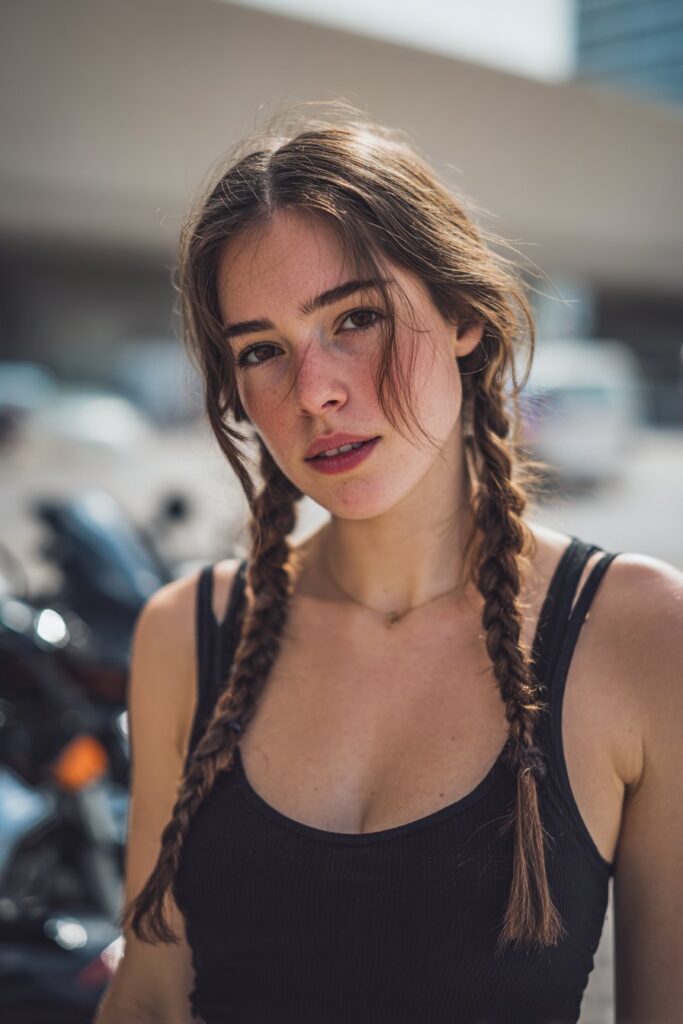
Sitting on my bike one crisp morning, I realized my usual hairstyles weren’t quite cutting it. That’s precisely when Elsa Claire suggested front part braids—a game-changer that revolutionized my pre-ride routine.
What front part braids are
Front part braids begin at your hairline or forehead rather than the nape of your neck. Unlike traditional braids that start at the back, these face-framing plaits create a secure foundation at your temples and crown before working backward. Essentially, they anchor at the most visible part of your head first, creating a clean, polished look that remains intact even after hours under a helmet.
Why they’re flattering and functional
Front braids offer distinct advantages for women who ride:
- They protect your sensitive hairline from helmet friction
- They create a barrier against flyaways that typically escape during rides
- The style remains visible even with a helmet on, allowing for self-expression
Plus, this technique promotes an even better finished look overall. Likewise, starting with the front sections means exact placement where you need protection most—right where helmet pressure hits hardest.
How to part and braid for helmet use
Elsa taught me her professional technique: “Always start your braids in the front first!” This approach lets you part precisely where needed to fit your head shape perfectly. Furthermore, beginning at your hairline instead of the back actually cuts down styling time. Ultimately, front braids prove gentler on your arms since you’re less likely to fatigue while braiding those crucial sections.
Head Scarf Wrap
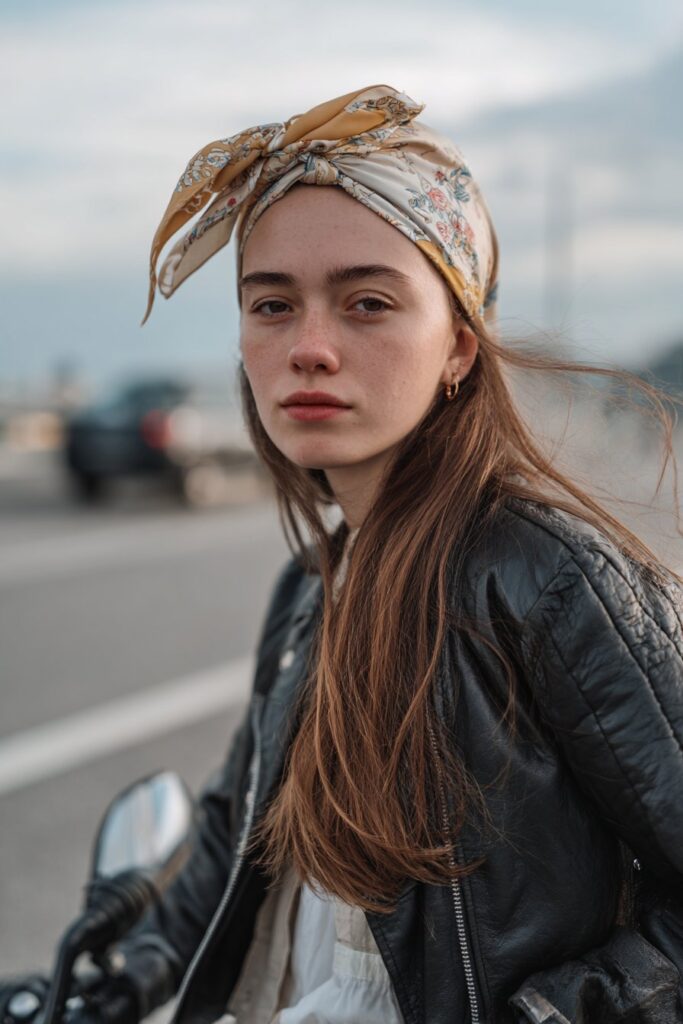
During a cross-country ride that left my hair in knots, my stylist Elsa Claire handed me a silk scarf and said, “Try this on your next ride.” That simple suggestion transformed how I protect my hair on the road.
What a head scarf wrap is
A head scarf wrap, sometimes called a doo rag or durag, is a versatile fabric covering that fits over your head or forehead. These wraps come in various materials from cotton to nylon, each designed to keep hair neatly contained while riding. Unlike other styles we’ve discussed, scarves require no specific hair length or texture to be effective.
Why it’s a stylish protective option
Beyond just looking good, head scarves serve multiple practical purposes. Primarily, they keep hair securely packed so it doesn’t fly in your face while riding. Effectively, they create a barrier against sun, wind, and road debris. Furthermore, they prevent sweat and oils from dripping into your eyes or making your helmet interior smell unpleasant.
How to tie a scarf for helmet compatibility
For optimal helmet compatibility, fold your scarf in half with the design facing outward, then place it on your forehead. Alternatively, try wrapping it in a knot, thereafter stretching one section to cover the top of your head for a secure fit. The key is maintaining a thin, low-profile layer that won’t disrupt your helmet’s protective fit.
Katniss Slanted Braid
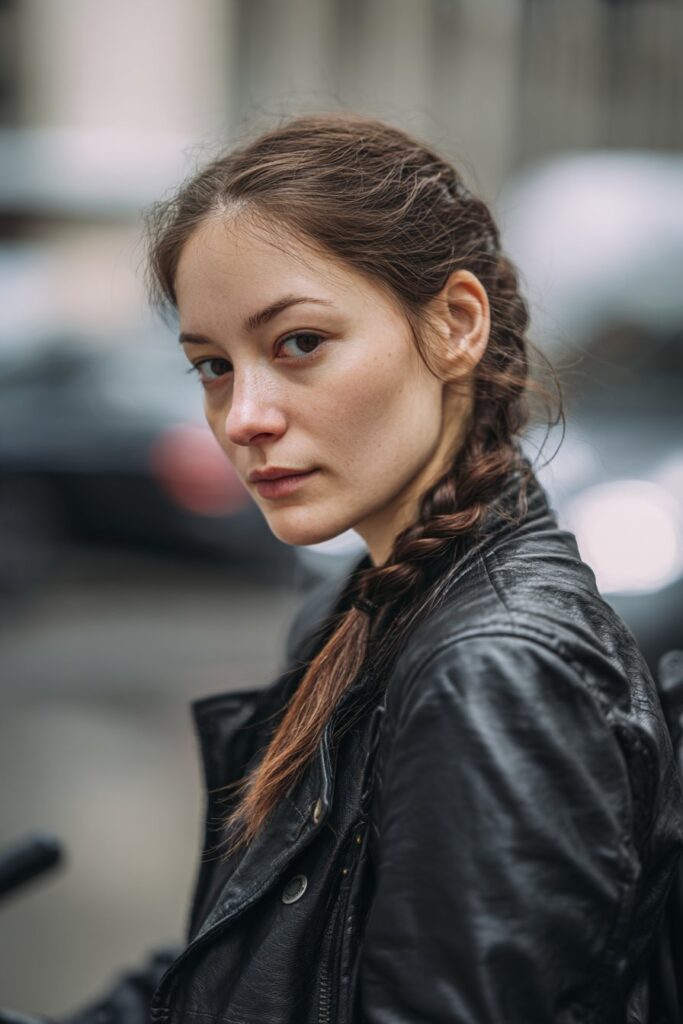
After watching a popular dystopian movie, I immediately called Elsa Claire. “Can you teach me that amazing diagonal braid?” I asked excitedly. Now this eye-catching style has become one of my favorite helmet-compatible hairstyles.
What the Katniss braid is
The Katniss slanted braid is a diagonal Dutch braid that starts on one side of your head and braids back across in a diagonal direction before finishing over your opposite shoulder. Essentially, it’s an inside-out French braid (Dutch technique) that creates a raised rather than flat pattern. Unlike regular side braids, this distinctive style follows a slant that beautifully frames your face while keeping hair secure.
Why it’s both trendy and practical
First, this braid fits perfectly under any helmet type you prefer. Second, the diagonal positioning prevents uncomfortable pressure points that straight-back styles sometimes create. Most importantly, this style is intended to look somewhat messy, meaning helmet hair actually enhances rather than ruins its appearance!
The advantages for female riders include:
- Combines fashion with function – looks stylish even at stops
- Diagonal position prevents bulk at the back of the helmet
- The slightly undone texture hides helmet compression marks
How to braid diagonally for comfort
Elsa taught me her professional technique: begin at your right hairline, creating a Dutch braid (crossing strands under rather than over). As you work diagonally across your head, add small sections from both sides until you reach your left shoulder. The entire process takes about 5-10 minutes once practiced. For extra staying power, add texture to your hair beforehand using sea salt spray or dry shampoo.
Pile on Top
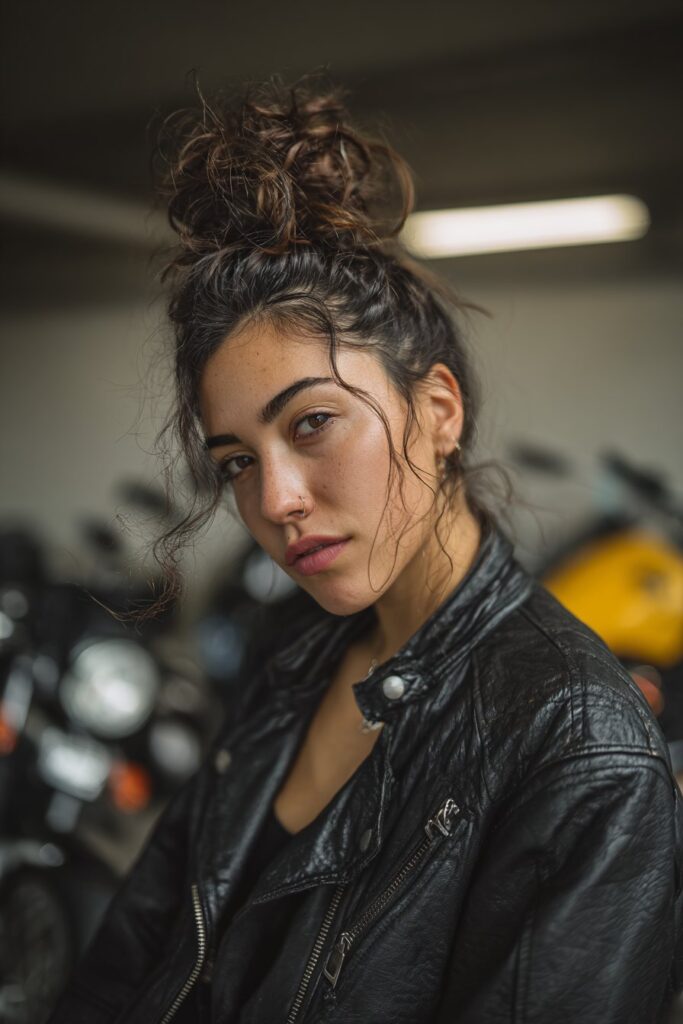
“Pile your hair on top!” Elsa Claire exclaimed one day as I complained about flat, lifeless locks after a long ride. This simple suggestion changed my helmet hair game completely.
What the pile-on-top style is
The pile-on-top style involves gathering your shoulder-length hair, tying it on top of your head, then putting your helmet on over it. Unlike lower styles that compress your hair, this upward arrangement keeps your locks elevated. Firstly, it works by positioning your hair away from where helmet pressure typically flattens it, creating a built-in volume solution.
Why it keeps volume intact
Most compelling evidence for this style’s effectiveness is how your hair remains full anytime you remove your helmet. Coupled with its damage-prevention benefits, this method preserves your hair’s natural body without crushing it against your neck. To put it differently, while other styles fight flat hair after riding, the pile-on-top prevents the problem entirely.
How to secure hair on top under a helmet
To execute this style properly:
- Bend completely over from your waist
- Gather all hair while upside down
- Secure with a soft scrunchie or stretchy headband on top of your head
- Put your helmet on while still bent over
- Stand upright and adjust as needed
As an illustration of its effectiveness, after riding simply remove your helmet while bent over again, release your hair, flip upright, and run your fingers through to restore shape. This method creates instant volume without requiring additional styling products.
Messy Locks

“Embrace the messy!” Elsa Claire exclaimed with a laugh after I frantically tried to fix my windblown hair in her salon mirror. That moment taught me an important lesson about motorcycle hairstyles—sometimes, planned chaos is the answer.
What messy locks are
Messy locks are deliberately tousled, carefree styles that work with your hair’s natural texture rather than fighting against it. Unlike structured styles, messy locks celebrate that windswept, just-rolled-out-of-bed look. Consequently, this style works wonderfully for shorter rides when you want to maintain volume and texture.
Why they work post-helmet
Primarily, helmet hair becomes part of the esthetic rather than ruining it. Even more, a silk scarf is ideal for maintaining your style; your helmet will actually create naturally messy and carefree locks. Besides, for short, casual rides like coffee runs, a low messy bun epitomizes effortless chic while serving practical purposes.
How to prep messy locks before a ride
For fine hair prone to tangling, I recommend:
- Starting with a simple braid down your back—it doesn’t leave kinks, making it perfect whether you want straight, curly, or wavy hair at your destination
- Tucking the braid under your shirt or jacket before heading out
- Using a silk bonnet (must be silk—don’t cheap out!) to protect curls
Forthwith, position any style as low and close to your neck as possible. In a word, wearing your hair completely down has appeal, but for fine locks like mine, it’s practically sentencing yourself to quality brush time removing tangles.
Conclusion
After years of riding and battling countless bad hair days, finding these twelve hairstyles has truly transformed my motorcycle experience. Helmet hair certainly doesn’t have to be a frustrating inevitability anymore! Each style offers unique benefits depending on your hair length, riding duration, and post-ride plans.
Short-haired riders might love the choppy bob or crop cut for their incredible bounce-back ability, while those with longer locks can rely on braided styles to prevent tangles and wind damage. My personal favorites shift depending on my riding plans – the low bun works wonderfully for commuting to professional settings, whereas the Katniss slanted braid adds flair for casual weekend adventures.
Though these hairstyles require different levels of effort, they all share one common goal – protecting your hair while ensuring you look fantastic the moment your helmet comes off. Elsa Claire reminds me frequently that practical hair solutions don’t need to sacrifice style. Her wisdom has saved me countless hours of post-ride hair frustration over the years.
Additionally, experimenting with different styles keeps your riding routine fresh and exciting. Last week, I switched from my usual low ponytail to the headband braid technique, receiving compliments all day from fellow riders at our meetup.
Remember, the perfect motorcycle hairstyle balances three essential elements: protection from wind damage, compatibility with your helmet fit, and quick fix-ability after riding. Undoubtedly, your riding experience improves dramatically when you’re not constantly worried about what your hair looks like underneath that helmet.
Female motorcyclists deserve both safety and style – we shouldn’t have to sacrifice one for the other! Whether you prefer elaborate braids or simple scarves, there’s definitely a helmet-friendly hairstyle waiting to become your new favorite riding companion.
The best part? Most of these styles take just minutes to create but save hours of frustration. My hair journey has taught me that sometimes the simplest solutions work best – actually, that’s true for both motorcycles and hairstyles!
Therefore, next time you gear up for a ride, try one of these styles and feel the difference it makes. Your hair will thank you, your helmet will fit better, and you’ll enjoy the freedom of the open road without that nagging worry about what your hair will look like at your destination.
Key Takeaways
These 12 helmet-friendly hairstyles solve the universal problem of “helmet hair” while keeping you stylish and comfortable on every ride.
• Position matters most: Keep hairstyles low at the nape of your neck to avoid helmet pressure points and ensure proper fit • Braided styles prevent damage: Single braids, two braids, and diagonal braids protect hair from wind tangles and breakage during long rides • Short cuts offer ultimate freedom: Choppy bobs and crop cuts bounce back instantly after helmet removal with minimal styling needed • Protective accessories work wonders: Head scarves and headband braids create barriers against helmet friction while adding style • Quick fixes save time: Most styles take under 5 minutes to create but prevent hours of post-ride hair frustration
The key is choosing styles that work with your helmet rather than against it—protecting your hair while maintaining your confidence on and off the bike.

Elsa Claire is the founder and editor of ElsaClaire.com, where she writes about hairstyles, hair care, and the everyday routines that help real people feel good about their hair.