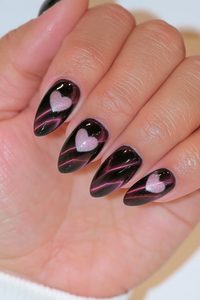
I’ve been watching calico hair ideas take over TikTok, and honestly, I’m here for every chunky, patchy, unapologetically bold version of this trend. The calico hair color isn’t trying to be subtle or perfectly blended. In fact, it’s the opposite: think intentional color blocking with three or more shades that create an artistic, personalized statement. Whether you’re drawn to the calico hair trend for its Y2K nostalgia or you love how calico hair highlights frame your face, this calico hair style works beautifully across all textures. I’ve rounded up 15 stunning calico hair dye combinations to inspire your next transformation.
Classic Calico Hair with Copper, Blonde, and Brunette Chunks
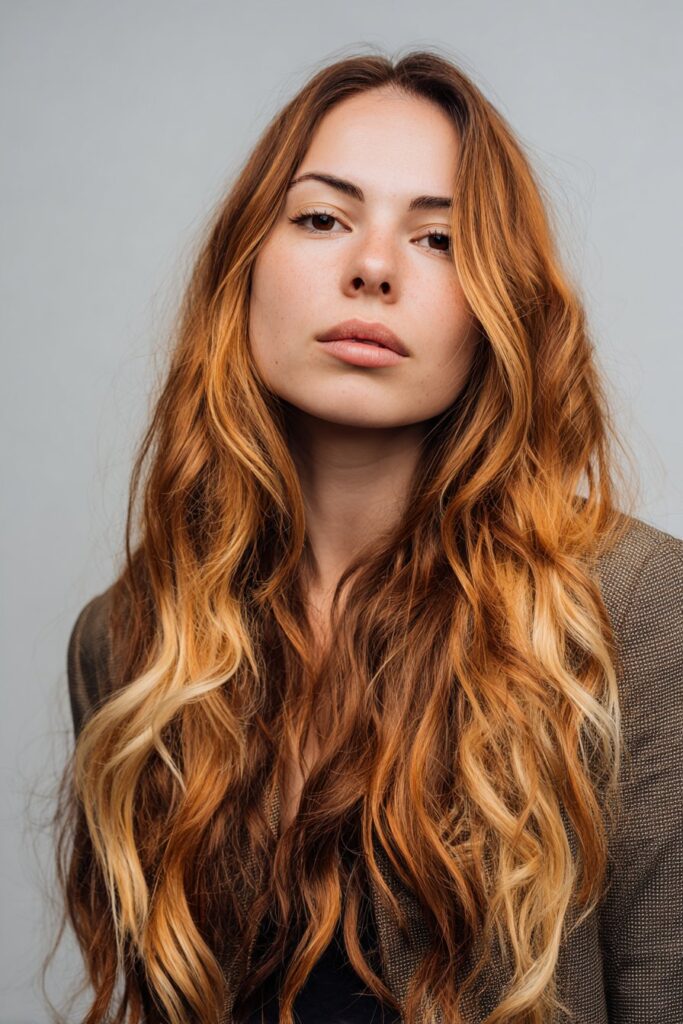
The classic calico hair color combination remains my favorite transformation to create because it captures that perfect balance between structured color placement and artistic expression. When I blend deep brunette with caramel blonde and fiery copper, the multi-dimensional effect gives major calico vibes that feel bold and impossible to ignore.
Color Combination Breakdown
The magic happens when you strategically place high-contrast ribbons throughout the hair to create maximum dimension. I usually start with a medium brunette base, then add chunky copper sections that bring warmth, followed by platinum or caramel blonde pieces that brighten the overall look. The beauty of this calico hair trend lies in its customization potential. You can choose how bold or blended you want the final result. Some clients prefer softer, more muted tones that create a natural blend, while others lean into vibrant, pigmented hues for a statement-making effect. The key is placing colors strategically so they don’t bleed into each other. As an illustration, I avoid positioning jet black directly next to blonde sections.
Best Hair Types and Textures for This Look
This calico hair style works beautifully across every hair type, from straight and sleek to curly and voluminous. In fact, wavy and curly textures show off the patchwork effect even better because the movement reveals different colors as you turn your head. Medium-length and long hair provide the best canvas for this technique, allowing each shade to shine and create that distinctive calico pattern. Whether you have fine or thick hair density, the color placement can be tailored to enhance your natural texture.
Styling Tips and Maintenance
Red hair colors fade faster than darker tones, which means your color will shift slightly over time. Touch-ups become necessary every six to eight weeks to maintain sharp contrast and color integrity. I recommend switching to sulfate-free, color-safe shampoo and conditioner immediately after your appointment. When heat styling is unavoidable, prep your strands with a protectant that shields against temperatures up to 450 degrees Fahrenheit. Deep conditioning treatments help restore moisture and maintain shine, particularly after the coloring process. Washing with lukewarm water instead of hot water prevents accelerated fading.
Soft Pastel Calico Hair Color with Rose Gold and Cream Tones
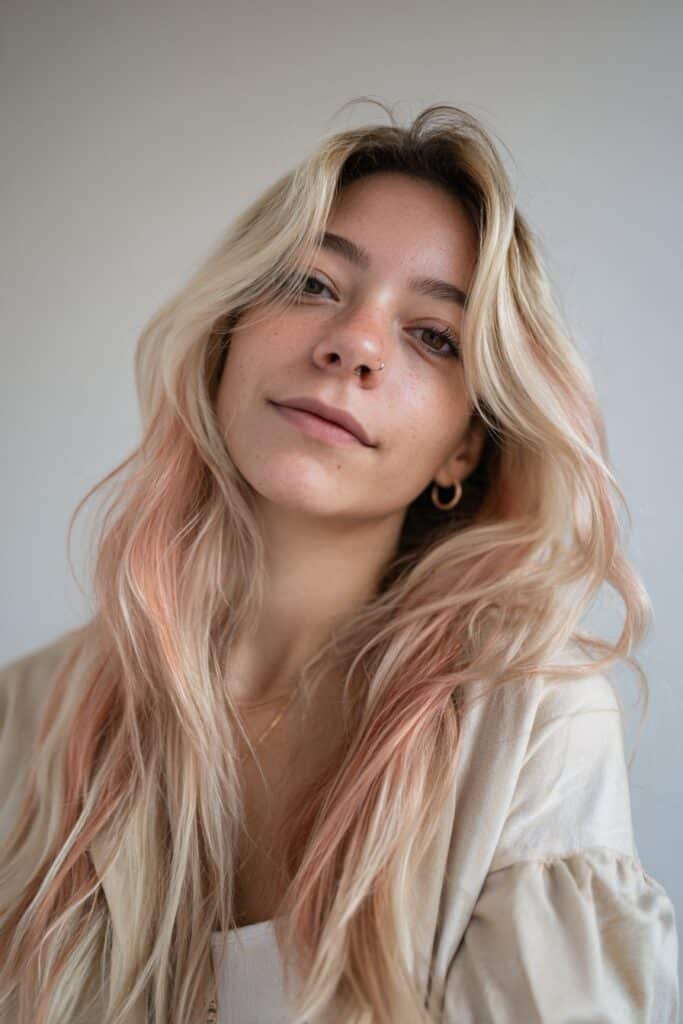
Pastel calico hair ideas have become my go-to recommendation for clients who want the calico hair trend without the intensity of high-contrast shades. Softer tones like rose gold, cream, and peach create a muted effect that feels wearable and sophisticated. I’ve worked with combinations like peach, rose gold, and lavender that deliver a dreamy, ethereal finish. Another gorgeous option blends mauve, baby blue, and cream for a cooler-toned palette that feels fresh and modern.
Why Pastel Calico Works for Subtle Style
Rose gold hair combines shimmering blonde, pink, and gold tones to create dimension that mimics jewelry-inspired hues. The beauty of this calico hair color variation is its customizable nature. By adjusting the ratios of gold, pink, and blonde, I can create a shade that feels uniquely yours. Pastel calico hair style works beautifully because the colors remain soft and diluted compared to traditional bold shades. Think lavender instead of violet, or rose gold instead of hot pink. Warmer variations with more golden undertones look stunning on olive or deep skin tones, while cooler pink-blonde shades complement fair, cool-toned complexions. For warm undertones, rose gold, peach, or soft coral become your best options. Cool undertones pair beautifully with lavender, platinum, or powder blue.
Ideal Hair Length and Face Shapes
Pastel shades require a near-white canvas to show their true tone. Light blonde or bleached hair acts as a blank canvas that allows pastel colors to pop. Pastel hair with subtle or muted pigments like pink, purple, light blue, or mint green softens the features of long faces without overwhelming natural structure. Medium to long lengths provide the best canvas for showcasing multiple pastel tones in the calico hair highlights placement.
How to Keep Pastels from Fading
Pastel calico hair dye fades faster than traditional colors, which is why maintenance becomes non-negotiable. You should expect salon appointments every four to six weeks for touch-ups. Frequent shampooing strips color quickly, especially with hot water or sulfates. Switch to sulfate-free shampoos designed for color-treated hair immediately. Wash with cool water to seal the hair cuticle and prevent color from rinsing out. Color-depositing conditioners work wonders for refreshing faded pastel tones between salon visits. Heat styling accelerates fading, so always prep strands with a heat protectant spray before using hot tools.
High-Contrast Calico Hair with Jet Black and Platinum Streaks
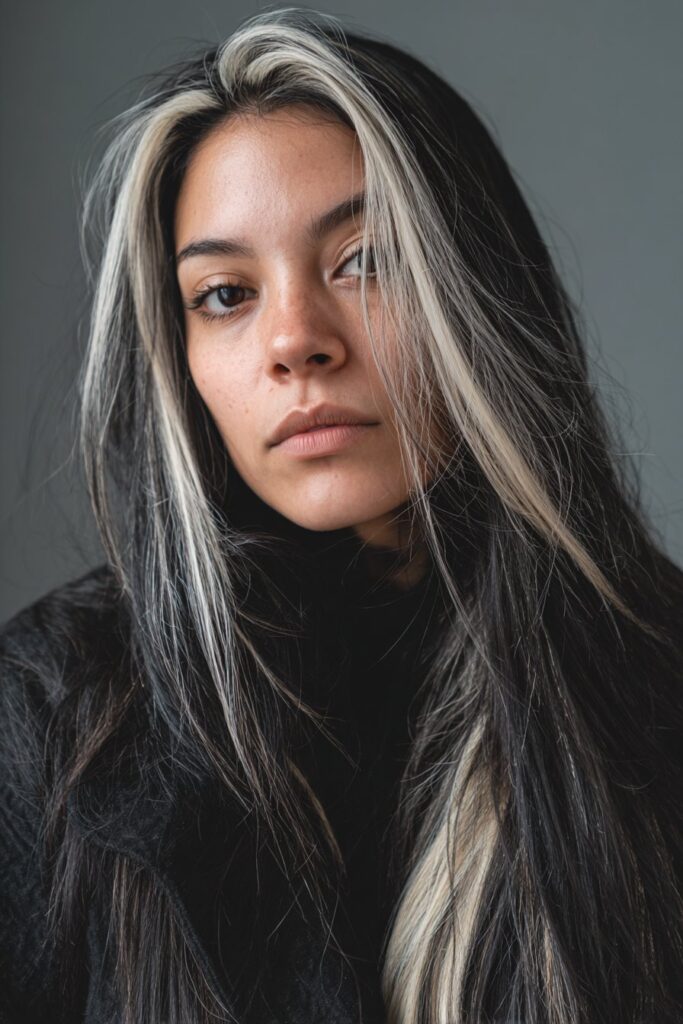
Jet black paired with platinum streaks represents the most audacious version of calico hair color I’ve created in my salon. This combination delivers a graphic, almost editorial quality that stops people mid-conversation.
The Drama Behind Bold Contrast
The visual impact comes from the stark difference between deep onyx and near-white platinum. This high-contrast pairing creates an eye-catching effect that enhances facial features and adds serious dimension to wavy or curly hairstyles. Platinum blonde highlights stand out brilliantly against black hair, giving an edgy, contemporary esthetic perfect for fashion-forward clients. In reality, the juxtaposition of these opposing shades produces what I call a “graphic, high-fashion appearance” that feels intentional and artistic. Chunky platinum sections create striking, bold statements ideal for confident personalities ready to own their look.
Hair Density and Texture Requirements
If you’re starting with naturally dark hair and dreaming of platinum streaks, prepare for multiple bleaching sessions before reaching that icy shade. The lightening process takes time and patience, particularly when transitioning from black to platinum. Textured hair works beautifully with this calico hair style because curls and waves reveal different color dimensions as you move. Straight hair showcases the contrast equally well, creating clean lines between black and platinum sections. Bond repair treatments during the coloring process help rebuild and reverse damage as your hair sits with bleach.
Touch-Up Schedule and Care Routine
Platinum blondes need root touch-ups every three to four weeks to avoid harsh regrowth lines. For those comfortable with slightly more grow-out, stretching to four to six weeks works if you embrace the rooted esthetic. Purple shampoo becomes non-negotiable for neutralizing brassy, yellow tones in platinum sections. Heat protection spray shields strands before styling with hot tools, preventing additional damage to already-processed hair. Regular trims every six to eight weeks keep ends healthy and prevent split ends from traveling upward.
Calico Balayage Hair for a Natural Blended Effect
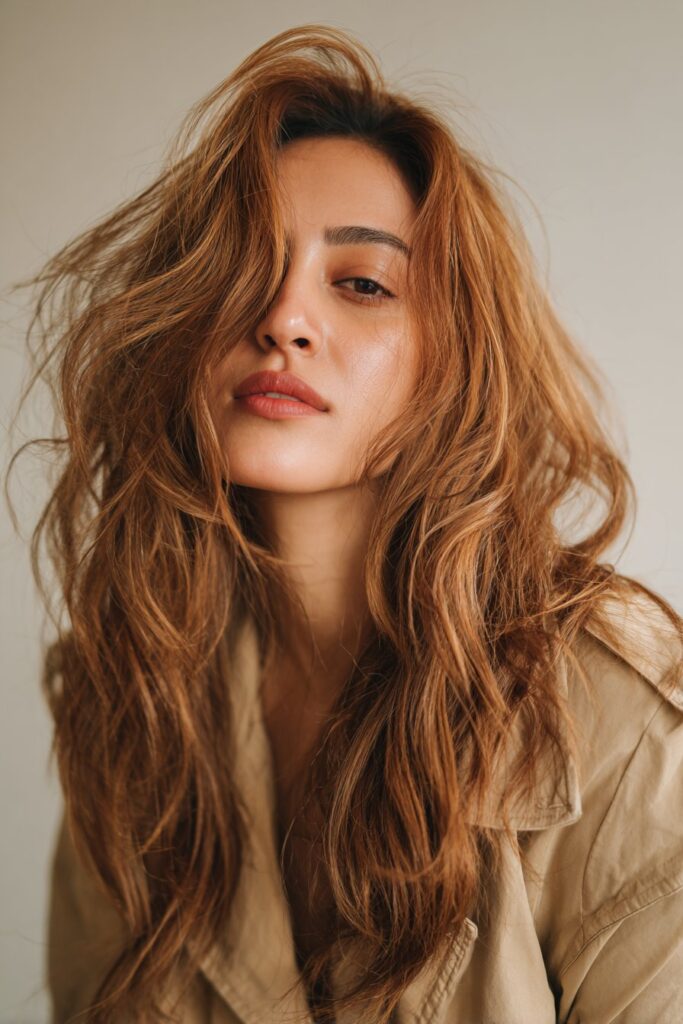
Balayage transforms the calico hair trend into something softer and more wearable. Rather than chunky, blocky sections, this approach uses hand-painted strokes to create a sun-kissed, dimensional finish that feels organic. I’ve worked with countless clients who love the calico concept but want something that grows out gracefully without obvious lines.
What Makes Calico Balayage Different
Traditional balayage involves sweeping lightener onto hair with a brush to create soft, natural gradation. When applied to calico hair ideas, the technique embraces intentional contrast but with blended transitions instead of harsh separations. Think deliberate patches of tone that play off one another in unexpected harmony. The stylist places contrasting tones strategically using irregular panels, allowing lighter and darker hues to overlap slightly. This creates depth without harsh separation. Once the pattern is set, glossing ties everything together so contrasts remain visible but cohesive. The result shifts in different light, revealing new tones with every turn of the head.
Best Candidates for This Technique
This calico hair style suits all hair types since the technique can be customized to individual textures, lengths, and skin tones. Medium brown provides the easiest starting point for adding lighter pieces. If you’re starting with darker hair, the colorist might pull in caramel, bronze, and chestnut. Blonde hair going darker needs more upkeep. The beauty of balayage is the softer grow-out period, allowing you to go three to six months between appointments.
Maintenance and Longevity
Full balayage sessions happen every 10 to 15 weeks, roughly three to four times a year. Between full sessions, mini balayage appointments brighten face-framing pieces without committing to a full appointment. Toner treatments every six to eight weeks neutralize brassiness and restore vibrancy. Sulfate-free shampoos prevent stripping pigment. Limit washing to two or three times per week.
Money Pieces Calico Hair Style for Face-Framing Color
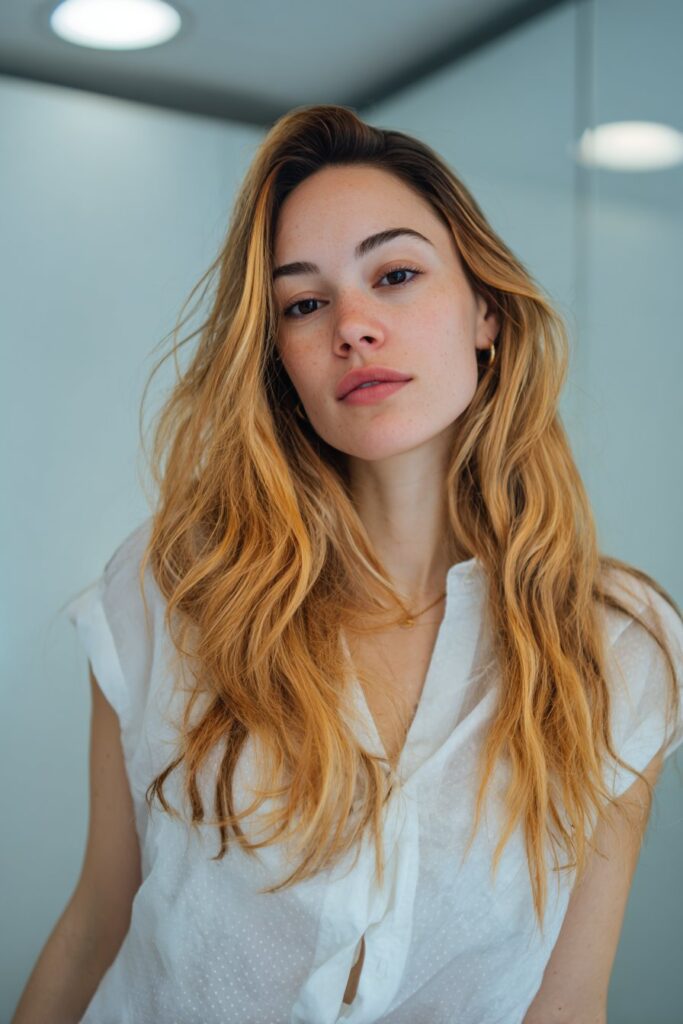
Money pieces paired with calico hair ideas have saved countless consultations where clients loved the concept but weren’t ready to commit fully. Face-framing highlights around the hairline brighten your complexion and draw attention to your features without requiring color on every strand. This technique modernizes those ’90s face-framing highlights, and the name comes from how expensive and elevated it looks despite being less work than full-head color.
Understanding the Money Pieces Placement
Your colorist lightens small sections directly surrounding your face, typically around your natural part. I section hair based on how you normally wear it. Middle parts work beautifully with symmetrical money pieces on both sides, while deep side parts benefit from a thicker section on the heavier side. For bolder impact, I use three foils back to back for heavier placement, and fewer foils create softer results. The thickness varies based on your personality. Chunky sections create eye-catching statements, while thinner pieces feel subtle and natural.
Why This Works for First-Timers
If commitment concerns you, face-framing calico hair style becomes the perfect gateway. You’re coloring only the front sections instead of your entire head, which means less processing time and easier grow-out. The placement strategy makes regrowth blend seamlessly with the rest of your hair, extending time between appointments. I’ve worked with clients who test-drive the look temporarily before committing to permanent color.
Color Options and Customization
Creamy blonde money pieces brighten darker calico hair color featuring espresso or auburn. For copper-toned calico, customize the shade to match undertones: more auburn for cool skin tones, or golden bronze for warmer complexions. Honey shades deliver warmth and subtle glow, while butterscotch highlights create natural brightness for brunettes. Cool undertones pair with icy blondes or lilac, while warm skin tones shine with honey, caramel, or copper.
Calico Ombré with Red-to-Blonde Gradient
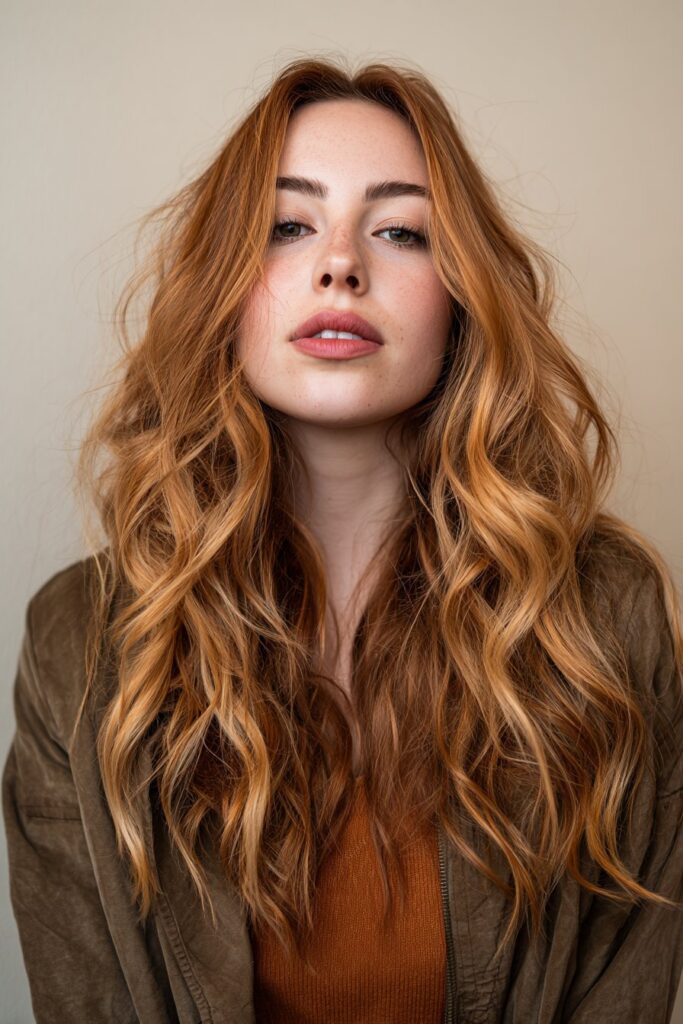
Red-to-blonde ombré paired with calico hair ideas creates one of my favorite dramatic transitions. I worked with a client last year who wanted to shift from deep burgundy roots into honey blonde ends, and the gradient effect delivered warmth and movement she couldn’t achieve with traditional highlights.
How the Ombré Technique Adapts to Calico
Ombré creates a two-toned coloring technique where your roots remain darker while your ends gradually lighten. The color is hand-painted for a smooth, seamless gradient instead of using foils. When adapted to calico hair style, ombré embraces multiple shades within that gradient. You might start with burgundy and work it down to honey caramel. Alternatively, auburn-to-gold transitions pack a powerful punch of color and self-expression. Black-to-red gradients deliver bold contrast for clients ready to make a statement.
Color Transition and Placement Strategy
The gradient typically starts towards the middle to lower third of your hair length. Your colorist strategically places midtones throughout your hair to break up harsh color changes. I stagger the amount of midtone placement to create a diffused finish. On one section, I pull darker tones closer to the ends, then on the next section, I bring color down only one-third of the way. This variation prevents banding and creates organic dimension. Specifically, thicker sections work beautifully for this technique.
Grow-Out Friendly Benefits
Touch-up appointments stretch to 10-12 weeks, sometimes longer, depending on your natural color and how fast your hair grows. Because the color doesn’t start at the roots, you avoid harsh lines as new growth appears. The roots are intentionally kept closer to your natural shade, so when new growth comes in, it blends instead of creating a harsh line. This makes ombré one of the most affordable calico hair color options since fewer salon visits mean less money spent on root touch-ups.
Peekaboo Calico Hair Highlights for Hidden Color
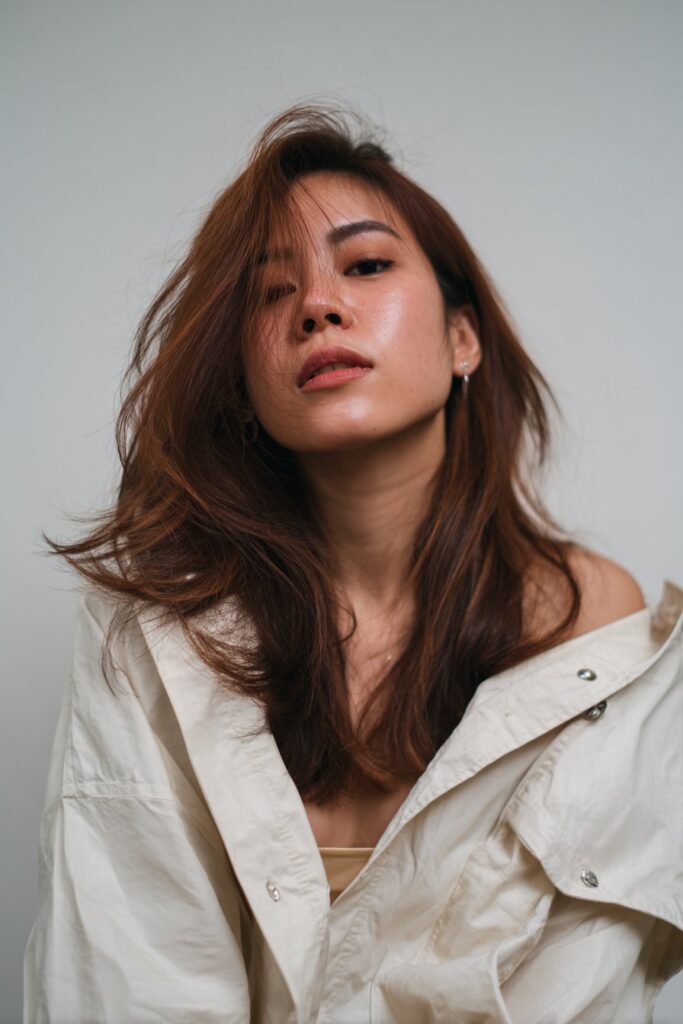
Peekaboo calico hair highlights changed the game for one of my most conservative clients who worked in corporate finance. She wanted vibrant calico hair ideas but couldn’t show up to board meetings with visible rainbow streaks. The solution? Hiding the color where only she controlled when it showed.
The Secret Behind Peekaboo Placement
Color gets applied exclusively to the underlayers of your hair, creating a surprise pop that reveals itself only with specific movements or styling choices. When you shake your head, run fingers through your strands, or pull hair into an updo, that hidden hue peeks through. I typically place peekaboo calico hair color around the nape of the neck, under the crown, or near the sides of the head. The placement determines how and when the color becomes visible as your hair moves. For instance, if you prefer a middle part, I section the hair based on that natural division to ensure the color reveals symmetrically. Deep side parts benefit from asymmetrical placement that follows your styling habits.
Perfect for Professional Settings
This calico hair style delivers what I call “business on top, party on the bottom”. Your natural base color remains visible when hair sits down, maintaining a polished, professional appearance. The moment you tuck strands behind your ear or twist hair into a ponytail, those vibrant calico hair highlights make their appearance. If you need to hide bold highlights during work events or formal functions, consider how you’ll do that and place streaks accordingly. The partially hidden placement means touch-ups happen less frequently and at your leisure.
Styling Versatility and Options
Wear your hair down for a classic look, then throw it up into a bun to reveal shocking streaks underneath. Half-up styles create subtle reveals, while braids weave the hidden colors throughout for unexpected pops of dimension. This calico hair trend works beautifully because it adapts to your mood and setting without permanent visibility.
Chunky Calico Hair Highlights with Y2K Vibes
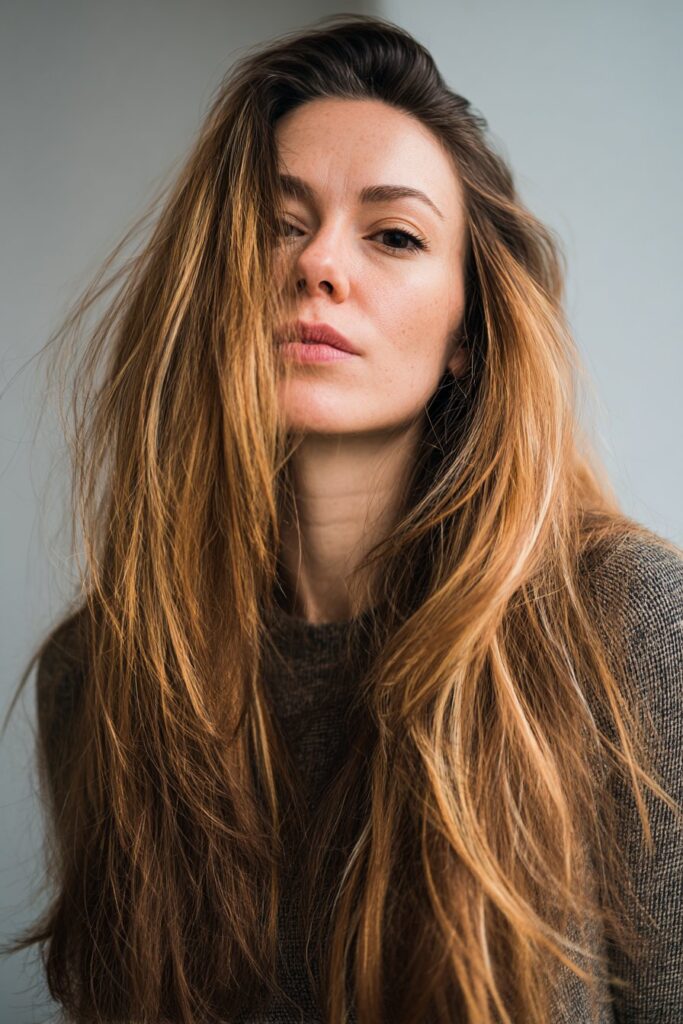
Chunky calico hair highlights bring me straight back to flipping through magazines in my grandmother’s Charleston salon, staring at photos of pop stars with those thick, unapologetic streaks. The Y2K esthetic has roared back, and I’m thrilled to see clients requesting this bold calico hair style with the same confidence those early 2000s icons wore it.
Embracing the Early 2000s Esthetic
This calico hair trend taps directly into millennial nostalgia. Chunky highlights dominated the late ’90s and early 2000s, and celebrities rocked sleek, high-contrast color that felt fearless and expressive. The look has made a huge comeback due to Y2K trends returning across fashion and beauty. I’ve noticed clients walking in with reference photos that feel straight out of 2002, asking for that same stripey, graphic effect that defined the era. The esthetic works because it’s nostalgic, fun, and expressive without needing neon or pastel shades.
Sectioning and Color Blocking Techniques
The magic happens in the sectioning. For bold calico hair color, I place four to seven back-to-back slices in each section. This creates those thick ribbons of color that define the look. Clips section the hair while foils separate each piece, preventing colors from mixing and adding depth to blonde tones. The wider you want your chunky calico hair highlights, the more foils you place consecutively. If sections become too soft or spaced out, the entire effect disappears.
Who This Bold Look Suits Best
You need a certain style to pull this off: edgy or bubbly with pop-star vibes. Hair with minimal layering showcases strong color ribbons beautifully, while textured hair creates softer ribbons. Medium to thick hair works best since chunky calico hair ideas require volume to look polished.
Calico Hair on Curly and Coily Textures
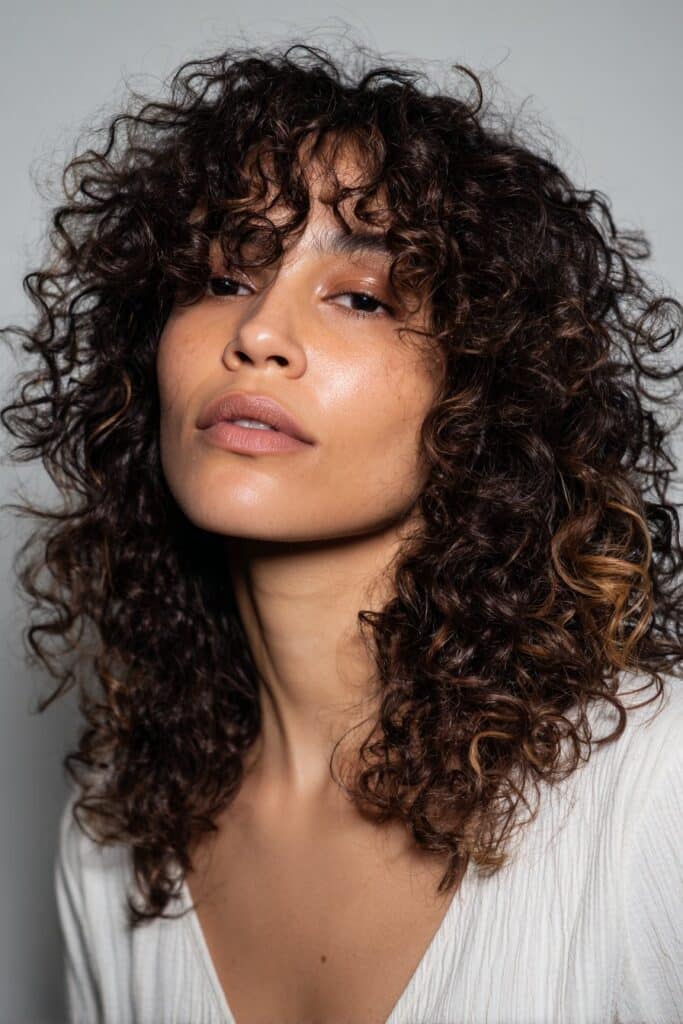
Curly-haired clients walk into my salon with the same concern every time: will calico hair ideas ruin their curl pattern? The answer is no, but the approach needs adjustments that honor your texture’s unique needs.
How Curls Enhance Color Dimension
Curls showcase calico hair color better than any other texture because the natural movement reveals different shades as you turn your head. I follow zigzag sectioning instead of straight, precise lines to work with your hair’s natural pattern. Applying color to curls in their natural state prevents disturbing the pattern and keeps curls from loosening up. The marbled effect created by multiple tones in curly hair adds fluidity and movement that straight hair simply can’t replicate. Curly hair looks its best when there’s dimension in the color, especially for thick hair.
Moisture and Hydration Essentials
Curls are naturally drier because oils struggle to travel down the spiral shaft. I recommend deep conditioning two to three weeks before your calico hair dye appointment to strengthen strands and minimize damage. Switch to sulfate-free shampoos immediately after coloring since sulfates strip moisture faster from already-dry curls. Pre-poo treatments before washing provide a moisture barrier, particularly for tight curls prone to tangles and shrinkage[432]. Leave-in conditioners prevent breakage during detangling and minimize frizz.
Avoiding Damage While Going Bold
Bond repair treatments during processing help rebuild damage as your hair sits with lightener[432]. Avoid heat styling one week before coloring to prevent additional dryness. Alternate weekly between deep moisture treatments and protein treatments to restore balance after coloring. Air-dry or plop with a t-shirt instead of using heat tools. Trim damaged ends before your appointment to prevent further breakage[432].
Short Calico Hair Style with Bob or Pixie Cuts
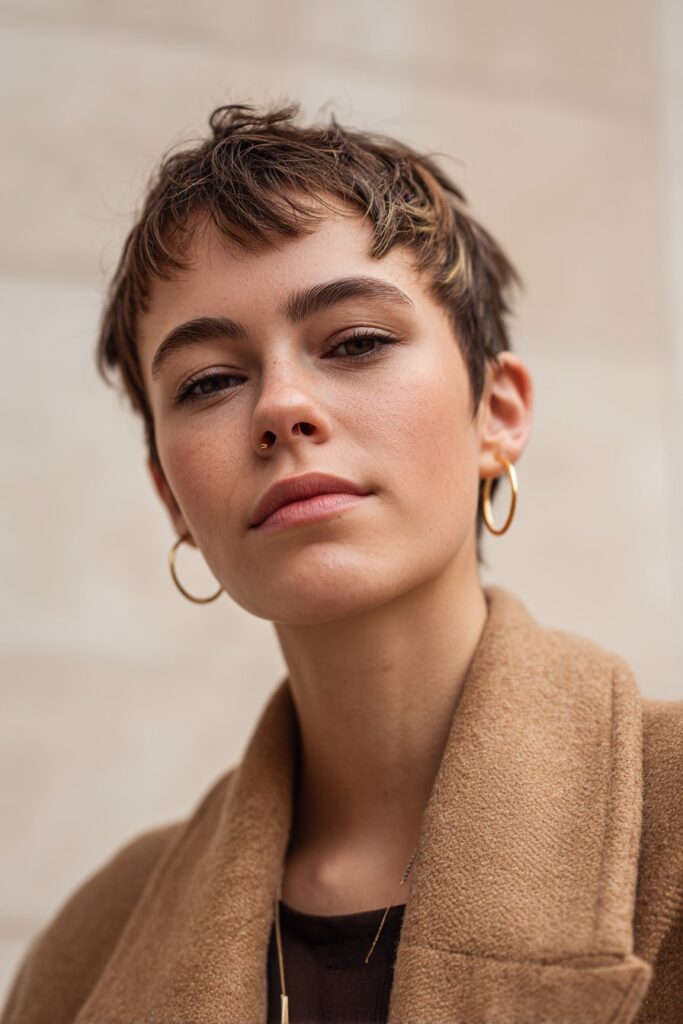
Short hair became my favorite canvas for calico hair ideas after working with a client who chopped her waist-length locks into a pixie. The transformation wasn’t just in the cut—the calico hair color suddenly popped in ways we couldn’t achieve with longer lengths.
Why Short Hair Makes Colors Pop
Compact cuts eliminate the vertical space needed for gradual fades, but highlights, babylights, and lowlights work beautifully by putting the edges in your short crop into the spotlight. Strategic color placement helps define layers and brings out natural texture. A calico bob layering red and blonde highlights over a black base creates a playful, sophisticated vibe. Volume and layers make calico hair even more dynamic, with alternating stripes creating depth.
Placement Strategies for Shorter Lengths
For pixie cuts, I focus subtle highlights around the crown or add face-framing pieces that brighten without overwhelming the look. Bobs benefit from gradient highlights starting mid-length and extending to the ends, creating a seamless blend that elongates the silhouette. Curly bobs with black, red, and blonde streaks add depth and make curls pop. Ribbon-thin blonde highlights build dimension, while a cinnamon gloss adds color to a brunette base.
Maintenance for Compact Styles
Toner refresh appointments every 8-12 weeks maintain vibrancy. Face-framing highlights draw attention to eyes and cheekbones while requiring less frequent touch-ups than full-head color.
Calico Hair Trend with Fantasy Colors Like Blue and Purple

Fantasy colors transformed one of my most memorable consultations when a bride-to-be walked in requesting cobalt blue and purple streaks for her wedding. Breaking away from bridal tradition felt risky, but the result was stunning and entirely her.
Breaking Away from Traditional Palettes
Mixing fantasy shades like lilac, cobalt blue, or neon orange into your calico palette creates what I call a TikTok hair trend moment. Galaxy-inspired looks blend deep purples with electric blues. Mermaid variations invoke midnight ocean vibes with purple and blue dancing together. Cotton candy hair combines blue, purple, and pink for that festival-ready esthetic. Purple symbolizes feminine strength while blue represents intelligence, making this combination both esthetically pleasing and meaningful.
Complementary Color Theory in Action
Complementary colors like blue and orange sit opposite each other on the color wheel and create bold, high-contrast looks. Analogous tones like pink, red, and orange flow harmoniously because they sit adjacent on the 12-part color wheel. This knowledge helps predict how colors interact and prevents muddy results.
Vibrancy Tips for Unconventional Shades
Pre-lighten to a pale level 9 for an even canvas when dyeing fantasy colors. Schedule touch-ups every four to six weeks as creative colors fade faster than traditional shades. Limit shampooing and always use cool water to seal the cuticle. UV rays break down color pigment, so wear hats outdoors to protect your investment.
Seasonal Calico Hair Ideas for Year-Round Style

Switching your calico hair color with the seasons keeps your look fresh without requiring a complete color overhaul. I learned this after a client requested something different each quarter, and we discovered that tweaking her palette slightly created entirely new vibes.
Summer-Inspired Aqua and Peach Combinations
Warm weather calls for vibrant, playful tones that mirror beach sunsets and ocean waves. Aqua paired with peach and tangerine creates a tropical calico hair style that feels vacation-ready. These lighter, brighter combinations work beautifully under natural sunlight, whereas deeper tones can appear too heavy during summer months.
Autumn Tones with Wine Red and Bronze
By the time fall arrives, shift toward earthy, cozy shades. Wine red combined with deep bronze and pumpkin spice tones creates rich dimension. Warm underlying tones pair beautifully with deep chestnut and vibrant coppers. These calico hair ideas echo changing leaves and deliver that sophisticated autumn esthetic.
Winter and Spring Color Variations
Winter calico hair dye thrives on cool, dramatic contrasts. Ice silver, cobalt, and charcoal bring intensity perfect for colder months. Deep winters complement jet black or mahogany shades. Spring invites softer transitions with mint green, baby pink, and butter yellow creating fresh, optimistic palettes. Light golden or creamy blondes work exceptionally well for spring renewals.
Calico Hair Dye Process and What to Expect at the Salon
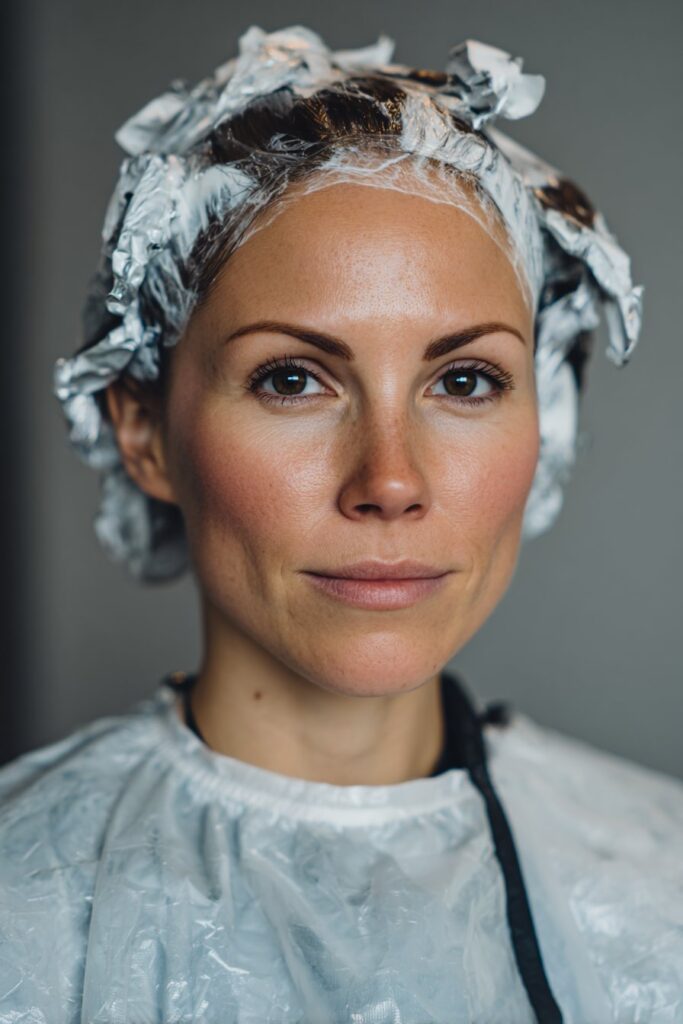
Walking clients through their first calico appointment, I always start with a consultation where we review inspiration photos and discuss contrast levels. This conversation determines whether you want bold, dramatic patches or softer, blended tones.
Pre-Lightening Requirements and Timing
Certain sections require pre-lightening with bleach while others need permanent or demi-permanent dye for deeper saturation. If you’re aiming for platinum or pastel shades, your hair needs lifting to level 9 or level 10. Dark hair transitioning to light blonde often requires multiple lightening sessions. The process takes patience, but rushing it compromises hair health.
Color Application and Sectioning
The sectioning follows pie wedges from the center point on top of your head down to the hairline all around, except on the sides. Specifically, I avoid placing black and blonde next to each other to prevent colors bleeding into one another. Depending on your desired outcome, I might use foils, balayage, or hand-painting techniques. Color blocking creates that distinctive patchwork effect.
Bond Repair Treatments During Processing
Bond repair treatments rebuild broken bonds caused by bleaching and coloring. Formulas with citric acid deliver 2x stronger and 90% more conditioned hair. These treatments provide instant results in 5-10 minutes, repairing strength for 14x smoother hair and 63% less breakage. Accordingly, I incorporate bond builders during processing to maintain structural integrity.
Calico Hair Color Maintenance and Longevity Tips
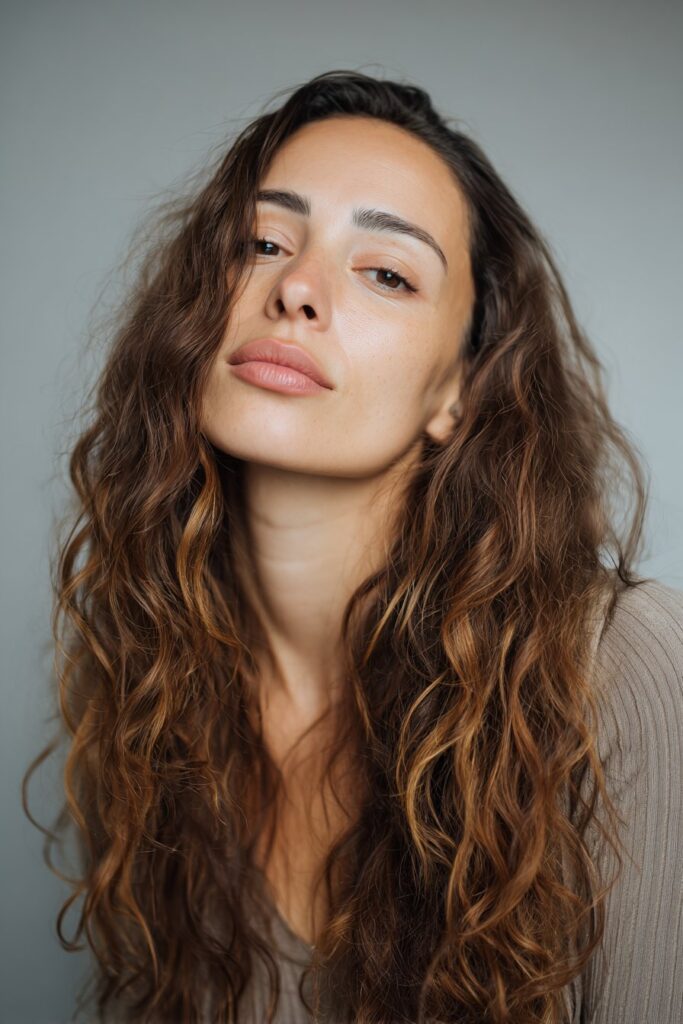
Maintaining your investment requires daily commitment, and after years of watching clients lose vibrancy within weeks, I’ve developed a foolproof routine that extends color life significantly.
Color-Safe Shampoo and Washing Routine
Sulfate-free formulas prevent stripping color molecules from your hair shaft. I learned this the hard way after my first calico hair dye job faded within two weeks because I used regular drugstore shampoo. Washing two to three times per week preserves vibrancy. Cool or lukewarm water seals the cuticle and prevents pigment from escaping. Red tones bleed into blonde sections faster than other colors, so monthly salon visits help maintain clean separation.
Heat Protection and Styling Best Practices
Heat protectants create a barrier that distributes heat evenly and prevents moisture loss. Look for products offering protection up to 450 degrees Fahrenheit. Apply to damp hair from mid-lengths to ends, avoiding roots to prevent greasiness. UV protection ingredients like benzophenone shield against sun-induced color fading.
Gloss Refresh Schedule
Glosses last four to six weeks depending on your washing frequency and product quality. Schedule gloss appointments every four to eight weeks to refresh pigments and seal the cuticle. Clear glosses enhance shine without altering your calico hair color pattern, making them perfect for dimensional looks.
Who Should Try Calico Hair and Is It Right for You?
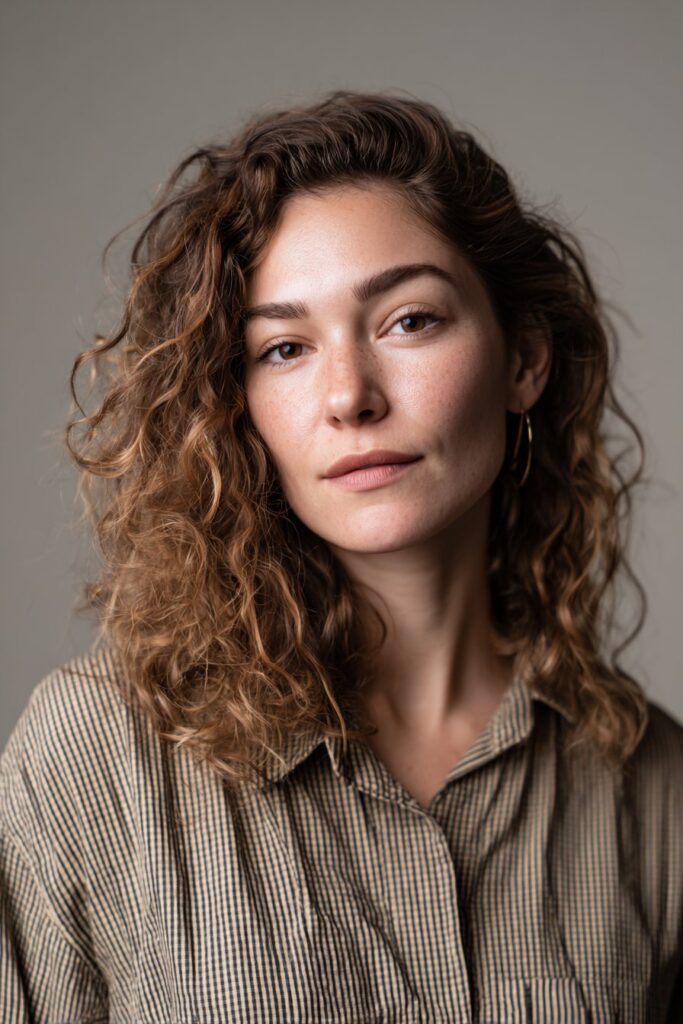
Deciding whether calico hair ideas fit your life goes beyond loving how the look appears in photos. Since I started specializing in this technique, I’ve learned that the right candidates share specific traits that go beyond just wanting bold color.
Personality and Style Considerations
Calico hair color works for anyone who loves experimenting and wants something different from usual color options. You can go all-in with high-contrast, chunky panels or keep it low-key with softer tones and more subtle placement. This calico hair trend isn’t tied to one hair type, length, or look. In reality, it’s completely gender- and age-inclusive. Your personal style matters more than your age or texture.
Hair Health Requirements
Your hair needs to be healthy and strong before committing to this calico hair dye process. Avoid heavy lightening if your hair is already chemically treated, you recently had a keratin treatment, or you’re experiencing active hair shedding. Your scalp must be free from irritation. Damage happens when hair is overprocessed, bleach is left too long, hair is already weak, or aftercare is ignored.
Commitment Level and Lifestyle Fit
High-contrast calico hair highlights need touch-ups every 6 to 8 weeks. Low-maintenance versions can go 3 to 4 months. Conservative environments benefit from dark calico or soft-contrast versions that stay professional.
Key Takeaways
Calico hair offers endless customization options from subtle pastels to bold contrasts, making it adaptable to any personality and lifestyle preference.
• Calico hair uses intentional color blocking with 3+ shades, creating artistic patchwork effects rather than blended highlights • Pre-lightening to level 9-10 is essential for vibrant colors, requiring multiple sessions for dark-to-light transformations • Sulfate-free shampoos and cool water washing 2-3 times weekly significantly extend color vibrancy and prevent fading • Touch-up schedules vary from 6-8 weeks for high-contrast looks to 3-4 months for low-maintenance versions • Money pieces and peekaboo placements offer commitment-friendly options perfect for professional environments or first-timers
The technique works beautifully across all hair textures, with curly hair actually showcasing the dimensional color effects better than straight hair. Success depends more on hair health and maintenance commitment than specific hair type or length.
Conclusion
Calico hair ideas give you endless ways to express yourself through color, whether you lean toward soft pastels or high-contrast drama. The beauty of this trend lies in its flexibility: you can go bold with chunky Y2K streaks or keep it subtle with face-framing money pieces. Essentially, your personality and lifestyle determine which variation works best for you. I’ve watched clients transform their confidence with just a few strategic color placements, and that never gets old. Don’t be afraid to experiment with different combinations until you find what feels authentically you. Your hair tells your story, so make it a colorful one.

Elsa Claire is the founder and editor of ElsaClaire.com, where she writes about hairstyles, hair care, and the everyday routines that help real people feel good about their hair.