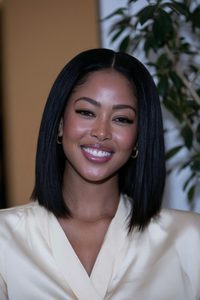
Throughout my years behind the chair, I’ve watched countless clients with fine hair walk in feeling frustrated, convinced their strands could never hold volume or shape. As a matter of fact, bob hairstyles for fine hair are some of my absolute favorites to create. The right cut can instantly transform limp hair into a style that looks fuller and more voluminous. I’ve found that strategic approaches work wonders, including blunt bob for fine hair, short bob hairstyles for fine hair, and carefully placed layered bob hairstyles for fine hair. A bob for thin hair isn’t just manageable, it’s transformative. Let me walk you through 12 stunning options that will completely change how you see your fine hair.
The Blunt Bob for Fine Hair
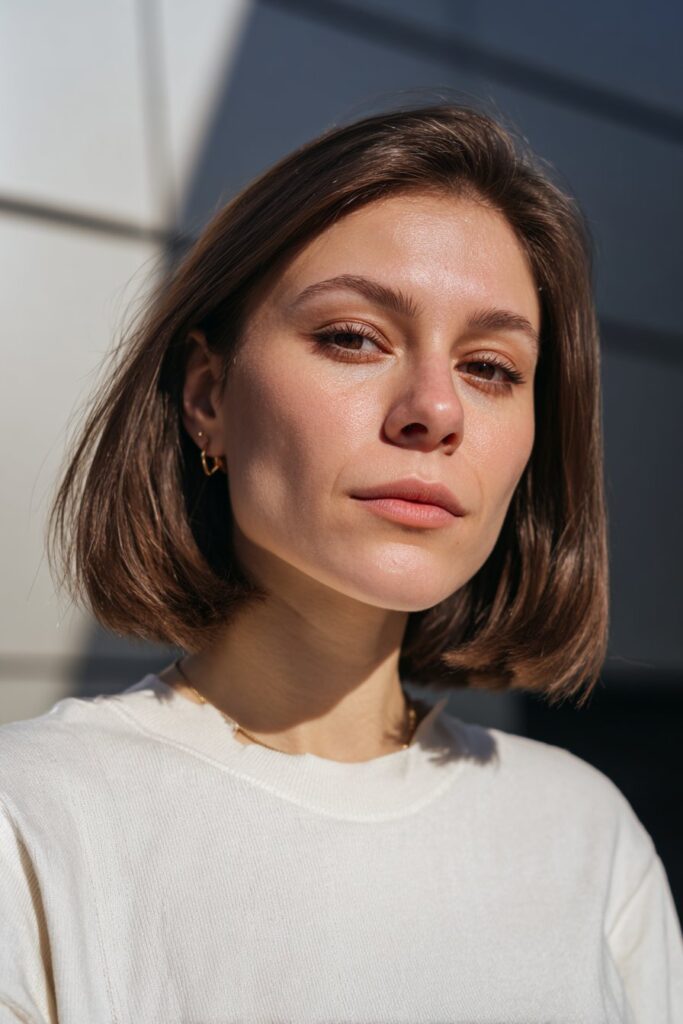
Why This Cut Works for Thin Strands
When hair sits at one uniform length, something remarkable happens. The cut creates a strong, powerful line that draws attention to the ends rather than the roots. I’ve seen this transformation countless times in my chair. The ends appear thicker and denser because there are no wispy ends to betray a finer texture. Instead, you get a clean, polished, and weighty feel that fine hair desperately needs.
The magic lies in how all the strands finish at the same point, supporting each other and creating a compact shape. This is something layered cuts can’t always offer, especially when hair is fragile. I remember one client who came to me after years of layered cuts that left her hair looking sparse. After switching to a blunt bob, she couldn’t believe how much fuller her hair appeared. The straight-across shape eliminates those tapered ends that make fine hair look even thinner.
Another benefit I’ve noticed: this cut reduces breakage. When hair is cut to one length, the ends stay stronger and don’t split as easily. For fine hair, protecting every inch matters, and this cut keeps maintenance simple.
How I Style It for Maximum Thickness
My go-to technique starts with a volumizing mousse applied to damp hair. I use a medium-sized brush while blow-drying to build lift and smoothness. The right product makes all the difference, adding structure and hold without weighing strands down.
For clients who prefer a low-maintenance approach, I recommend applying the mousse and letting hair air-dry for a softer, more natural result. This works brilliantly because the blunt cut looks great with minimal styling, unlike other cuts that require constant heat tools.
When I want to add movement and bounce, I reach for a curling tong to create loose bends or soft waves through the hair. This technique enhances texture while giving the illusion of fuller, more voluminous lengths. I finish with a lightweight hairspray to lock everything in place without sacrificing movement.
Best Face Shapes and Hair Textures
Lengths sitting between the chin and collarbone are typically the most flattering. For clients with thinner hair, I recommend choosing a shorter blunt cut option to give hair a fuller, thicker look.
Specifically, oblong faces benefit from a blunt bob with bangs, which serves up extra drama when styled straight. Round faces look fantastic with sleek, straight blunt bobs that add dimension and structure, and I always recommend wearing a middle part to flatter and frame a rounder shape.
Square faces should avoid blunt hairstyles such as single-length bobs. For oval faces, longer blunt bobs work beautifully, while heart-shaped faces shine with shorter variations. The versatility of this cut means I can adjust the length to flatter practically any face shape by finding the right proportion.
The Classic Blunt Lob
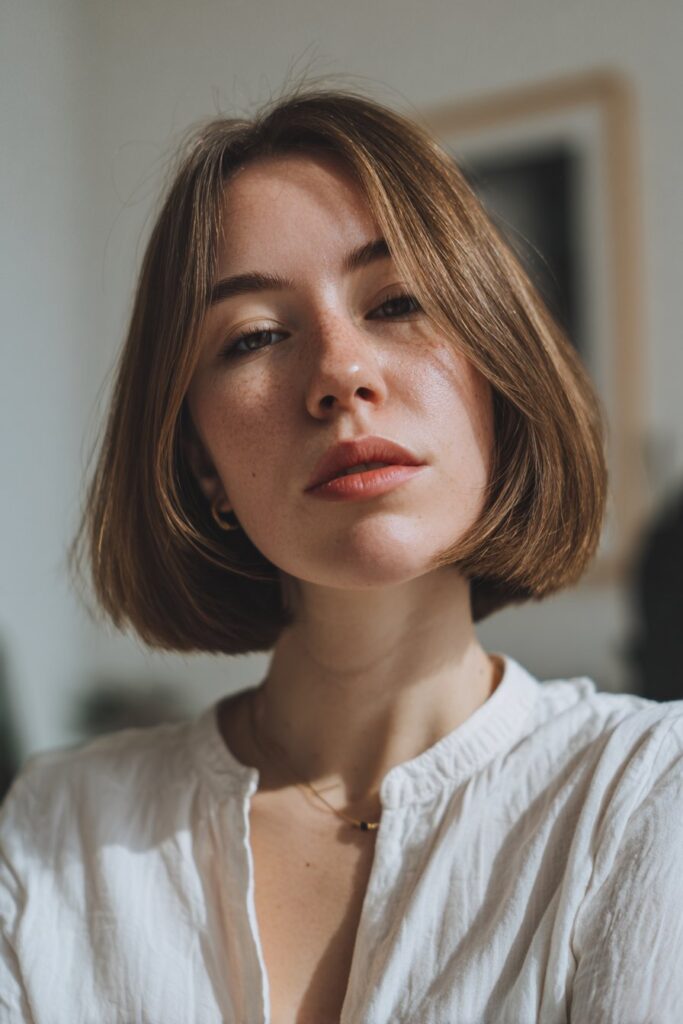
The Sweet Spot Length I Recommend
A long bob sits between the jawline and tops of the shoulders, and after years of creating these cuts, I’ve found the collarbone-grazing zone to be absolutely perfect for fine hair. This length gives you options that shorter bobs can’t offer while still maintaining that fuller appearance.
I had a client last year who wasn’t ready to commit to a short bob but desperately wanted more volume. We went with a blunt lob right at her collarbone, and she could finally tie her hair back when needed. The length doesn’t weigh strands down the way longer hair does, yet it provides enough versatility for different occasions.
What makes this cut brilliant for fine hair is how keeping the ends blunt rather than wispy prevents hair from looking thin or tapered. Because there’s minimal layering throughout the cut, hair maintains weight and structure all the way down. In other words, you get thickness where you need it most.
Styling Tips for Added Body
The versatility of this cut never stops amazing me. You can wear it sleek and straight, softly waved for extra volume, or pulled back when needed. I often recommend adding bouncy waves throughout the ends for a voluminous finish, which transforms the look entirely.
For clients wanting maximum body, I teach them a simple trick: switch to a deep side part for quick and effortless results. This creates instant lift without any additional products or tools. The blunt finish paired with a straight and sleek style makes such a stylish look, equally stunning when styled with soft waves.
Face-framing layers can soften the overall appearance without sacrificing the blunt edge’s benefits. I use this approach when clients want a gentler finish around their face while keeping the thickness at the ends.
Who This Works Best For
Blunt cuts flatter any face shape by adjusting the length of the cut. Longer works better for oval faces, while heart-shaped faces look great with longer blunt cuts since this complements a narrower chin. For round faces, sleek and straight blunt lobs add dimension and structure, and I always recommend wearing a middle part to flatter and frame a rounder shape.
However, I steer clients with extremely thick or baby fine hair toward different options. The lob requires maintenance every six weeks to keep it at collar bone length and prevent it from flipping out undesirably as it grows.
The A-Line Bob

Understanding the Graduated Shape
The A-line bob features a slightly shorter back that gradually lengthens toward the front. Think of it like an A-line skirt that flares out from a narrow waist, except this happens with your hair. The cut is characterized by a longer front and shorter back with a visibly angled perimeter, cut in a continuous diagonal line that runs from back to front.
What sets this apart from other bob hairstyles for fine hair is the graduation, sometimes called stacking, in the back. This technique adds subtly built-in layers that lift the hair at the nape. I remember working with a client who had tried everything to get her fine hair off her neck, and this cut solved that problem while simultaneously creating the shape she wanted.
The look relies primarily on the outline for structure, with minimal or no heavy layering in the back. Instead, the focus stays on a clean, sharp line with a dramatic forward sweep. The finish appears sleek and polished, making it best suited for straight hair or hair with a slight bend.
How the Angle Creates Volume
The genius of this cut lies in how the intentional elevation prevents fine hair from falling flat. The dynamic structure removes bulk at the back while the A-line shape frames the face beautifully. Equally important, the graduation lifts the hair at the nape, creating movement that fine hair desperately needs.
When I cut an A-line bob for thin hair, the angle itself does half the work. The longer front sections draw attention forward while the shorter back creates natural lift. This architectural approach means the cut holds its shape between salon visits better than heavily layered options.
My Favorite Styling Approach
I begin by blow-drying with a half-round or round brush. The technique involves wrapping the hair around the brush first, then gently curving the ends inward. Afterward, a light pass with a straightener further defines the surface and edges of the cut.
Short Bob Hairstyles for Fine Hair: The French Bob

My product routine starts with a heat protectant spray to guard against damage, followed by a smoothing serum or cream to add shine and reduce frizz. I finish with a shine spray for that polished, glossy effect.
For quick everyday styling, try parting the hair deeply to one side or tucking one side behind the ear for a chic yet simple effect. When hair needs refreshing between washes, adding a touch of dry shampoo at the roots boosts volume instantly.
The French bob embodies what I call “perfectly imperfect” styling. With its slightly tousled ends, this cut brings volume and movement to thin hair while maintaining that enviably cool factor. What makes this my go-to recommendation for clients seeking short bob hairstyles for fine hair is how the blunt ends build fullness. The cut typically stops at the jawline, though I often take it shorter for finer textures.
In fact, when working with clients who have exceptionally fine strands, I recommend cutting much shorter, just by the earlobe, paired with a fringe that grazes the eyebrows. This creates the illusion of volume and texture in a way that longer lengths simply can’t achieve. One client came to me after years of struggling with her fine hair disappearing into longer styles. We went with a chin-length French bob, and the transformation was immediate. The cut gave her hair presence it never had before.
This style leans into your natural texture rather than fighting against it, which is why it works beautifully on most hair types, looking particularly stunning with curly hair. The relaxed approach means less time with hot tools and more time enjoying hair that actually holds its shape.
Adding Texture Around the Face
Bangs make or break a French bob. I prefer choppy bangs paired with textured ends because these features create the appearance of fuller, thicker hair. For a softer approach, wispy curtain bangs with graduated layers provide movement, volume, and texture that frame the face beautifully.
The feathering technique adds another dimension. This method creates soft layers that give hair a lived-in quality without sacrificing the weight fine strands need. The textured layers throughout this hairstyle add volume and body, transforming hair that typically falls flat into something with genuine presence.
Styling for That Parisian Vibe
To nail the balance between undone texture and polish, I use a small amount of styling cream and let hair air-dry. For straight hair specifically, I recommend applying a golf-ball amount of mousse, brushing it behind the ears, and drying with a diffuser.
Alternatively, you can smooth-dry using a brush rather than straightening irons for a sleeker finish. Adding salt spray before air-drying creates a beautiful, thick-looking result, especially on wavy textures. The styling routine truly takes five minutes or less, proving that effortless doesn’t mean complicated.
The Inverted Bob

The Architecture Behind This Cut
Consider this the power player among bob hairstyles for fine hair. The inverted bob takes everything you loved about the A-line and amplifies it. I build significant volume through shorter, stacked layers at the back while keeping strands longer toward the front. Think of it as creating an architectural support system that lifts fine hair rather than letting it collapse.
What sets this apart is the stacking technique itself. The cut features shorter hair at the nape that gradually lengthens toward the front, creating a distinct stacked effect. During cutting, I start at the back and work from bottom up, establishing a baseline at the nape and layering upward, using each section as a guide for the next. This precision creates that curved shape around the neck that makes the style so recognizable.
The deliberately uneven ends create a tousled finish and add fullness, giving you a modern edge with genuine texture. A client came to me last fall desperately seeking volume, and after trying this cut, she couldn’t stop running her fingers through the back. The rounded shapes and extremely short sections combine to produce that thickening effect she’d been chasing for years.
Creating Maximum Lift at the Crown
The magic happens through densely layered sections in the back paired with longer front pieces, creating significant volume around the crown. Specifically, the shortest layers sit at the nape to build maximum height and body. This ensures your fine hair stands up and out rather than lying flat against your head.
I lightly tease the crown section to create extra height, and the long front pieces dip down toward the collarbone, framing your face beautifully. For even more volume, teasing the roots takes things up another notch. The straight look enhances the shape most effectively, and styling with a round brush delivers that polished, bouncy finish.
Best Products I Use for This Style
I reach for a lightweight texturizing spray paired with a flat iron to keep the layers defined and smooth. For maintaining that structured shape between washes, a dry shampoo that doesn’t weigh strands down proves essential. Owing to the precision this cut requires, I also recommend a cream-wax hybrid to add piecey definition to the ends without stickiness, creating movement that shows off the dimensional layers.
Layered Bob Hairstyles for Fine Hair
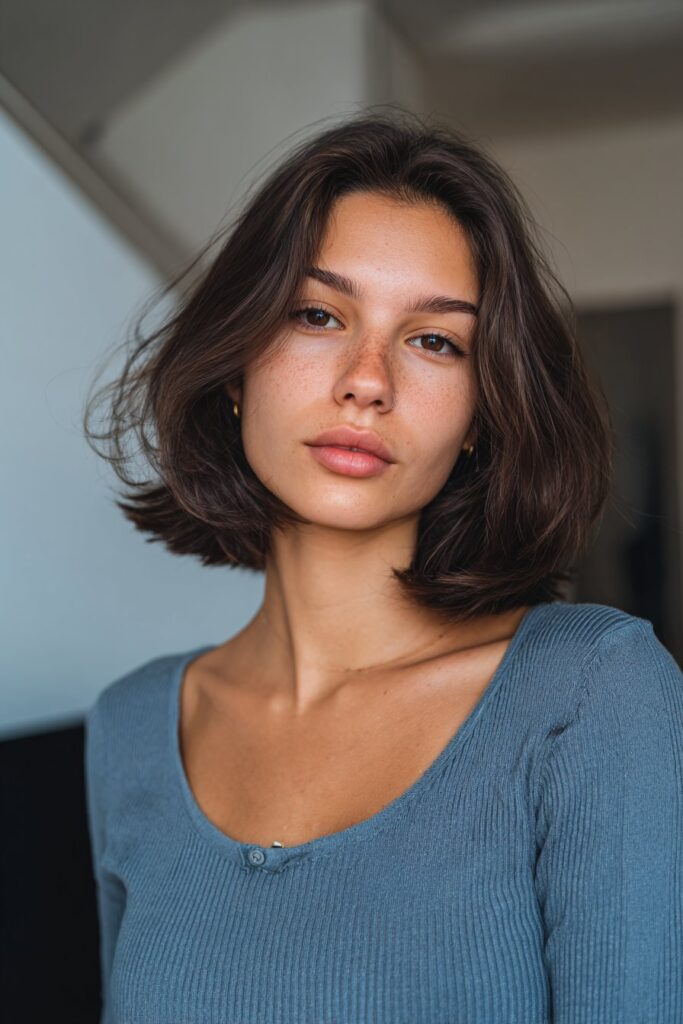
: The Textured Bob
Finding the Right Layer Placement
Layers demand precision when you’re working with fine hair. During my early days at the salon, I learned this lesson the hard way after cutting too many choppy layers that left a client’s hair looking ragged. Delicate layers, cut with restraint, offer just enough texture to add shape and make a bob feel more dynamic and less one-dimensional.
I start layers mid-shaft and work all the way to the ends. This placement creates the illusion of depth while retaining length and adding bounce. Similarly, I texturize only certain areas rather than the entire head. For instance, if someone has more density in the back than the front, I remove weight behind the ears while keeping structure and weight in front of the ears. This visually balances the volume.
Working with Natural Waves
Those with a natural wave in their hair are particularly suited to a textured bob. Layering enhances the hair’s existing movement and creates a lived-in, effortless feel. I had a client last spring whose natural waves were fighting against her previous blunt cut. After adding textured layers, her waves finally had room to breathe and move.
The choppy layering mixed throughout works together with longer strands to retain length while adding bounce. This technique makes styling simple because you’re working with your hair’s natural tendencies rather than against them.
Styling for a Lived-In Look
A texturizing spray or dry shampoo adds separation and volume. I run styling cream through the ends with my fingertips to rough them up and create that piecey texture. The beauty of this cut is how it requires less frequent trims than blunt cuts and grows out easily.
You can go lighter on heat-styling tools, saving time and keeping hair healthier. In addition, the layered structure allows multiple styling options, from loose and relaxed for everyday to polished for special occasions.
Common Mistakes to Avoid
Cutting very choppy layers on fine hair creates ragged ends. Instead, I focus on controlled texturizing in strategic areas to maintain structure while adding movement.
The Stacked Bob

Building Volume Through Strategic Layers
Stacked bobs rely on graduated layers cut at an angle, creating a wedge-like shape that builds volume exactly where fine hair needs it most. The layers are strategically cut shorter underneath and longer on top, allowing the style to naturally fall with fullness, movement, and structure instead of lying flat. In fact, this architectural support system makes fine hair appear much fuller, giving it a distinct, sophisticated shape.
What excites me most about stacked cuts in 2026 is how they’ve evolved. They’re less about harsh angles and more about soft, blended stacking that feels modern and flattering. This approach builds shape in a way that looks natural rather than overly styled, creating instant volume without teasing while still giving the illusion that hair is thicker. I worked with a client last month whose hair fell flat by noon, and after switching to a stacked bob with internal layering, she finally had fullness that lasted all day.
How to Maintain the Shape
This cut demands commitment. You’ll need salon visits every three weeks to keep the sharp, clean finish in the nape area. The shortest portions at the back will more than double in length after a month, changing the silhouette rapidly. However, by over-directing the hair and creating a slightly longer nape length, you can stretch visits to four to six weeks. Regular trims are essential for maintaining that stacked look and preventing the cut from losing its definition.
My Go-To Blow-Dry Technique
I start by applying lightweight mousse or volumizing spray on damp locks, then flip hair upside down and blow-dry to let the product work its magic. Using a hairbrush with soft bristles, I lift hair at the roots while blow-drying to secure the shape. Next, I use a round brush to give locks their desired form, lifting at the crown for maximum height. I finish by spritzing everything with hairspray for stronger hold.
The Rounded Bob with Soft Curves

Creating Gentle Dimension
Sometimes clients walk in asking for something less severe than the architectural cuts dominating recent trends. Last month, a client told me she wanted volume without the sharp angles, and the rounded bob became our answer. A softly rounded bob with subtle inward shaping creates a flattering finish for fine hair, and the gentle curve adds dimension while giving the illusion of fuller, more voluminous hair.
What makes this cut special is how those rounded ends create the illusion of weight at the bottom. The shape remains both sleek and soft simultaneously, giving fine strands presence without feeling heavy or overpowering. Besides, when paired with a fringe, this cut directs the eye upward to the crown, where most of the hair lives. This visual trick makes hair appear denser throughout rather than concentrating attention on sparse ends.
Why This Flatters Most Face Shapes
One of the best things about a rounded bob is the way it accentuates your jawline. The soft curves work beautifully with various face shapes because the rounded shape itself provides balance. In fact, this cut is super flattering for wavy and curly hair types, making it incredibly versatile across different textures.
Equally important, the style works with both center- and side-parts, giving you flexibility in how you wear it daily. This adaptability means you’re not locked into one look, which matters when you’re investing in a precision cut.
Simple Daily Styling
A hot brush will help you achieve a softly rounded shape while also enhancing layers and adding volume. I teach clients to section hair and wrap it around the brush, gently turning inward at the ends to create that signature curve. The technique takes practice but becomes second nature within a week.
For a more polished finish, smooth hair with the hot brush before lightly passing a flat iron over the surface. The key is gentleness rather than force, letting the rounded shape emerge naturally from the cut itself.
The Chin-Length Bob
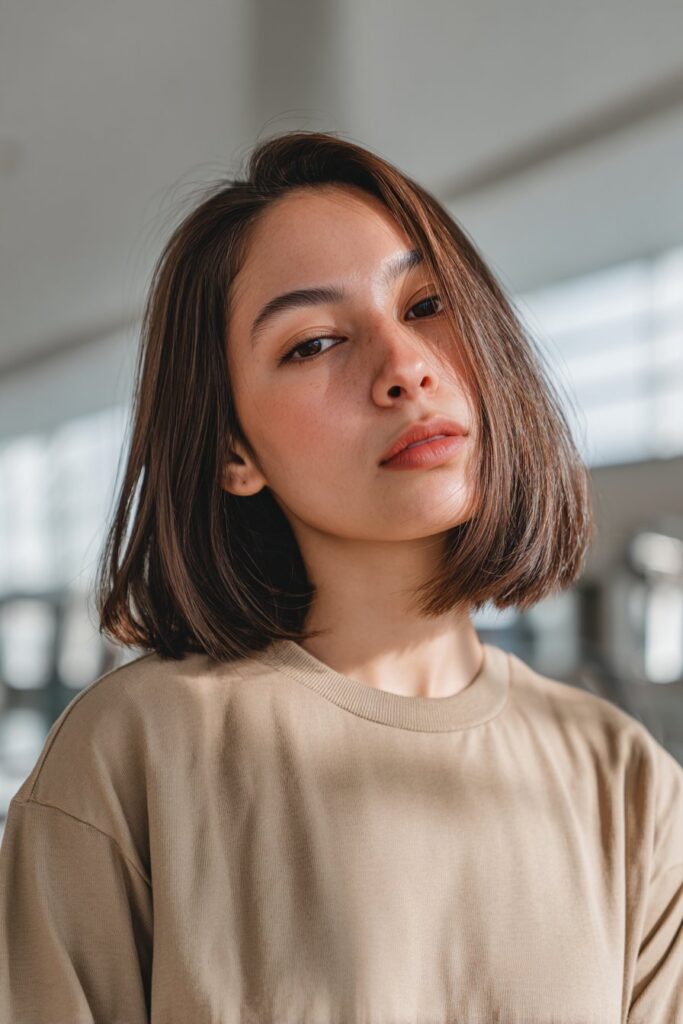
Finding Your Perfect Length
Chin-length doesn’t mean one-size-fits-all. After years of consultations, I’ve learned this cut lives somewhere between the jawline and slightly below the chin, though it’s more about where it balances with your neck and jawline. I always ask clients whether they consider the length at the jawline, the point of the chin, or a little below to ensure we’re on the same page.
This classic style flatters nearly every face shape and hair texture. For clients with naturally thin hair, cutting shorter makes strands appear thicker and fuller. I worked with someone last year whose shoulder-length hair looked lifeless, and after bringing it to chin-length, the transformation was remarkable. The weight lifted, and suddenly her hair had genuine presence.
Styling for Polish or Texture
The beauty here is versatility. For special occasions, I suggest a wet-look product to keep things sleek. On curly textures, a sea-salt spray or lightweight curl cream with serum, then either diffuse or air-dry for a relaxed feel. Those with straight hair can add a dab of leave-in conditioner for glossiness or use a flat iron to create subtle bends.
Daily styling takes five to ten minutes maximum. You can dress it up with a glamorous blowout using mousse for body or put in salt spray and diffuse for a relaxed look.
Color Techniques That Enhance Volume
Highlights or ombré coloring add dimension and texture to a simple bob. I recommend lighter shades for face-framing strands and tips to make them seem more lightweight and voluminous.
The Asymmetrical Bob
Playing with Angles and Length
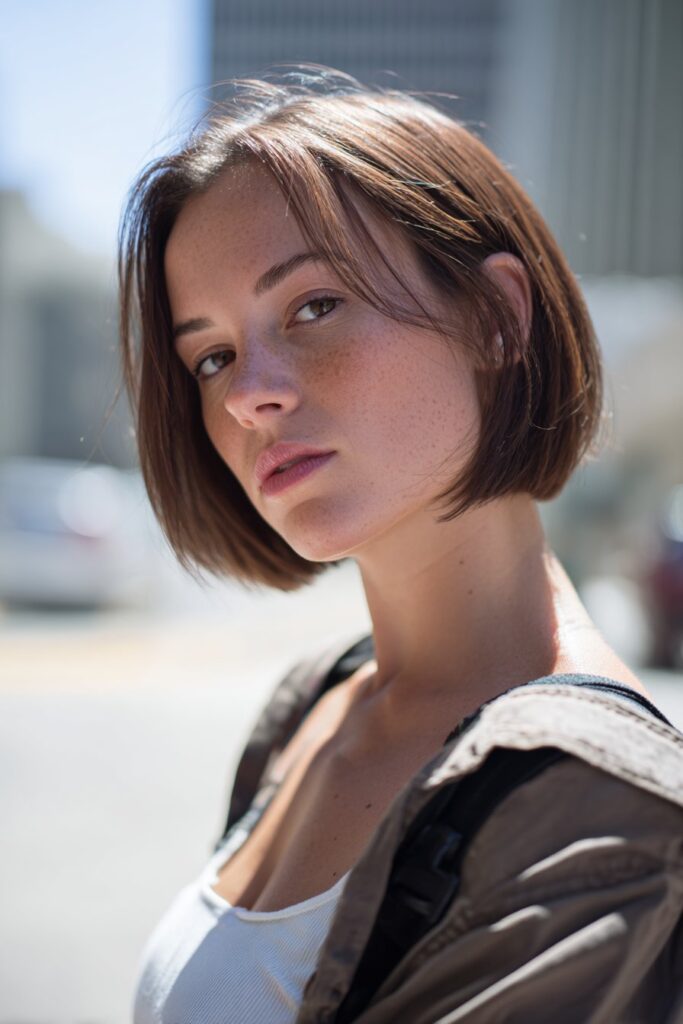
Asymmetrical bobs mark one of my favorite ways to bring personality to bob hairstyles for fine hair. An asymmetrical bob features one side intentionally cut longer than the other, creating visual interest that invites some visual fullness. During consultations, I emphasize choosing an angled haircut rather than a geometric cut that harshly calls attention to different lengths. The gradual transition between sides appears seamless and sophisticated.
I remember a client who wanted something bold but worried her fine strands couldn’t handle drama. We created noticeable asymmetry with extra length framing one side of her face, and the result was striking. The longer side sweeps gracefully across the face, adding modern chic, while the shorter side creates lift at the roots.
Adding Edge Without Sacrificing Fullness
For clients preferring an edgier style, I ask my stylist colleagues to razor the ends after cutting lengths. This technique adds movement without removing the weight fine hair needs. Strategically cut layers with asymmetry help you get the most out of natural texture, creating a bouncy, lightweight, effortless style. The razor cut asymmetrical bob looks feathery through the ends with noticeably more movement.
Styling One Side vs The Other
A deep side part draws attention to the longer side by positioning it on the deeper side of your part. Similarly, tucking hair behind your ears highlights the different lengths, allowing you to show off the asymmetrical shape. I style the longer side to cascade over the face for a posh appearance while keeping the shorter side sleek and defined.
The Sleek Midi Bob
The Collarbone-Grazing Sweet Spot
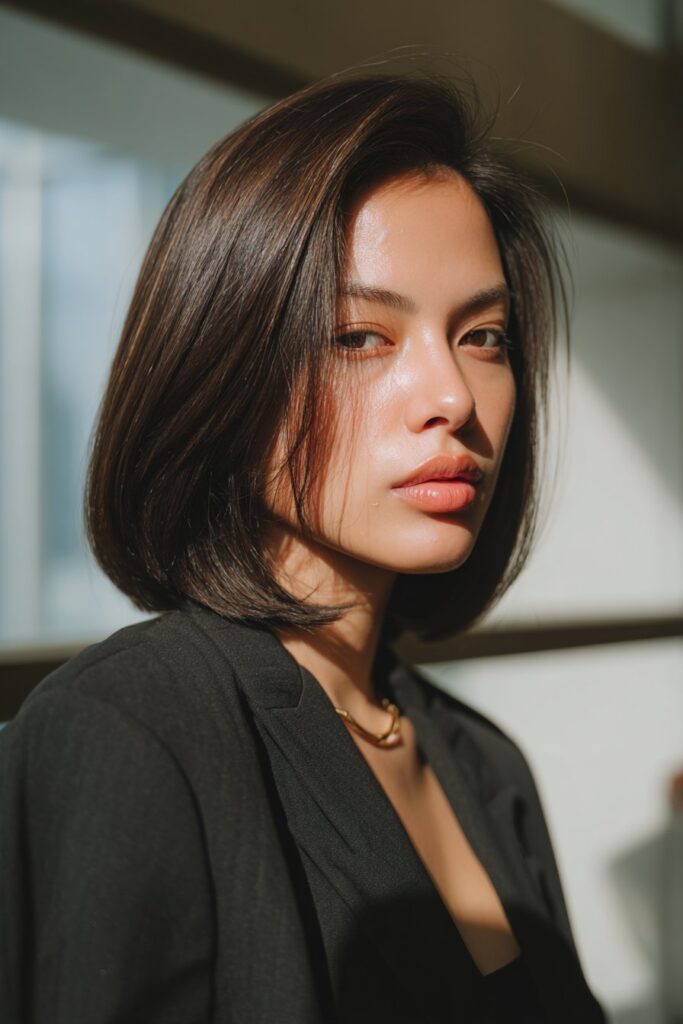
Sitting just above the collarbone with a perfectly polished finish, the sleek midi bob delivers effortless sophistication. I had a client transition from long layers to this length last month, and she was amazed at how much fuller her hair looked. The blunt ends help create the illusion of thicker, denser-looking hair, making it ideal for finer hair types.
This length falls between the chin and shoulders, offering incredible versatility. You can tie it back when needed, yet it feels weightless compared to longer styles. The cut removes split ends and restores volume to thin strands, giving you that fresh, healthy appearance.
Achieving That Glossy Finish
After styling my midi bobs with bouncy blow-dries, I finish with shine-enhancing products for that polished effect. At home, I recommend Ouai Leave In Conditioner to reduce dryness and create ultra-silky texture. Once hair is roughly dried, adding Kérastase Gloss Absolu Glaze Drops Hair Oil boosts shine beautifully.
For maximum shine, lightweight formulas help tame frizz and flyaways while adding glossy finish. The key is avoiding heavy products that weigh fine hair down.
When to Add Subtle Layers
A few subtle, well-placed layers around your face and at the ends create a voluminous effect without veering into shag territory. These piecey layers throughout add shape, texture, and lots of undone volume. Specifically, I add them when clients want movement while maintaining that sleek, polished look with minimal layering for a sharp, clean style.
The Wavy Lob with Movement

Creating Effortless Beach Waves
Beach waves work beautifully on lobs, and I’ve perfected this technique over years of styling. I start with damp hair and apply a lightweight volumizing mousse or sea salt spray to add texture and grip without weighing strands down. The key is using products on damp, not soaking wet, hair for better hold.
For clients with stick-straight fine hair that won’t hold a curl, I recommend a curl-enhancing shampoo before applying salt spray, then rope braiding hair into two sections and setting with a blow dryer. This creates natural-looking waves without heat damage.
Products That Add Texture Without Weight
Texturizing sprays support texture without stiffness, encouraging separation and movement that waves need to look effortless instead of overstyled. I spray this on once hair is dry and give it a gentle shake to separate waves while maintaining definition.
Salt sprays deliver piecey, wavy, and messy results when used correctly. Similarly, mousse provides volume, definition, and hydration without that crunchy feeling, perfect for soft beach waves.
My Favorite Curling Technique
I rough blow-dry straight, then take a flat iron to the ends on medium heat to limit curl hold without straightening completely. Using a curling wand, I alternate curling directions, always curling front sections away from the face. I leave the last inch or two off the iron, uncurled, then gently pull hair down once to release some curl.
After curling each section, I pin curls up until completely cooled for longer-lasting results.
Maintaining Volume Between Washes
Dry shampoo extends my styles for days. I apply it before curling when hair is too clean, finding curls hold better with slight grit. Between washes, I spritz dry shampoo at roots and flip hair upside down for instant volume refresh.
Conclusion
Finding the perfect bob for your fine hair doesn’t have to feel overwhelming. As a matter of fact, each of these 12 styles proves that fine strands can absolutely hold volume, shape, and presence when cut strategically. The right bob transforms limp hair into something you’ll love styling every morning.
My advice? Book a consultation with your stylist and bring photos of the cuts that speak to you. Talk through your daily routine, face shape, and styling preferences. The transformation waiting on the other side of that appointment will completely change how you see your hair. Your fine strands deserve a cut that celebrates them rather than fights against them.

Elsa Claire is the founder and editor of ElsaClaire.com, where she writes about hairstyles, hair care, and the everyday routines that help real people feel good about their hair.