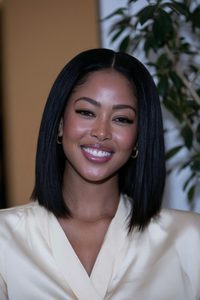
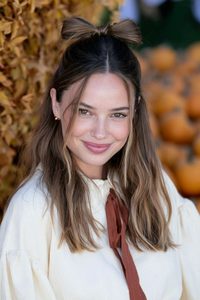
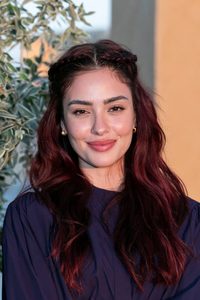
Finding the perfect blonde hair color ideas can feel like exploring an endless palette. The shades of blonde available today run from the palest platinum to dark blonde highlights over natural bases. Techniques like blonde balayage, which means “to sweep” in French, create that coveted sun-kissed effect. Traditional blonde highlights offer another route to dimension. With so many types of blonde hair color and blonde hair shades to choose from, I’ve curated 15 stunning options to help you discover your ideal match for 2026.
Platinum Blonde Hair
What Makes Platinum Blonde Unique
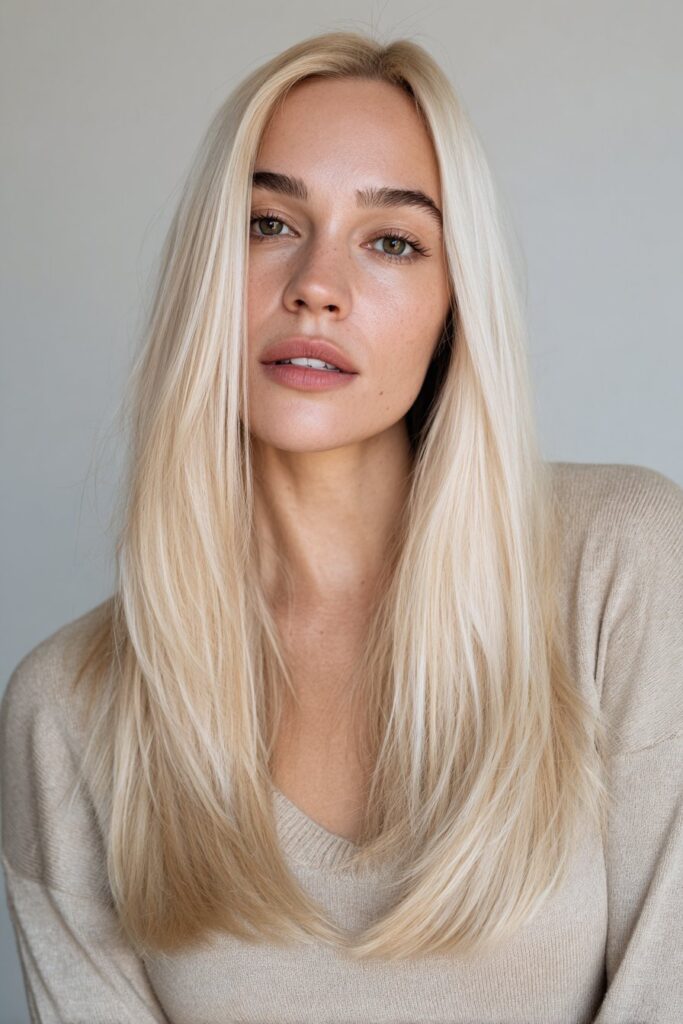
Platinum blonde stands as the lightest shade on the blonde spectrum. This ultra-light, nearly white color features cool undertones and a striking silvery finish that reflects light effortlessly. The shade creates a crisp, clean look with an almost metallic sheen. When Elsa Claire first started working with platinum shades, she noticed how the color doesn’t add pigment but instead removes it entirely through bleaching. The process strips hair of all natural color, creating that bold, icy appearance that screams confidence.
What sets platinum apart from other blonde hair shades is its deliberate artificiality. The unapologetically white tone makes a statement that other types of blonde hair color simply can’t match. I’ve watched clients completely shift their energy when they see their platinum transformation in the mirror.
Who Should Try This Shade
Platinum blonde suits individuals with cooler skin undertones, specifically those with pink, blue, or neutral hues in their skin. The cool tones create a harmonious look that enhances these natural undertones. If you have a warm skin tone with golden, peachy, or olive undertones, platinum’s icy nature can clash and make your complexion appear dull.
All skin tones can work platinum blonde hair when you get the undertones right. For warm skin, choose platinum with neutral or soft yellow undertones, or create striking contrast with cool, snowy-white platinum. Cool skin tones shine with frosted shades featuring hints of silver or blue. Neutral skin tones have complete freedom to explore any platinum variation.
Starting with naturally ashy or dark blonde hair makes the process less intensive. Virgin hair proves ideal since the color and porosity remain consistent from root to ends.
Maintenance and Care Tips
Platinum requires serious commitment. Root touch-ups need to happen every three to four weeks to avoid yellow bands and breakage from excessive regrowth. Waiting longer forces double virgin applications that increase damage risk.
After bleaching opens the hair cuticle completely, platinum hair becomes extremely susceptible to damage. Bond-rebuilding treatments prove vital for maintaining hair integrity. Deep conditioning masks should be used at least weekly. Purple shampoo cancels yellow tones once a week maximum, though it’s not a substitute for professional toning.
Water temperature matters. Washing with cool water extends color life, while hot water accelerates fading and causes brassiness. Heat protection up to 450 degrees Fahrenheit becomes non-negotiable when styling. Silk pillowcases reduce frizz and color fade that cotton causes.
Ash Blonde Hair Color
Understanding Ash Blonde Tones
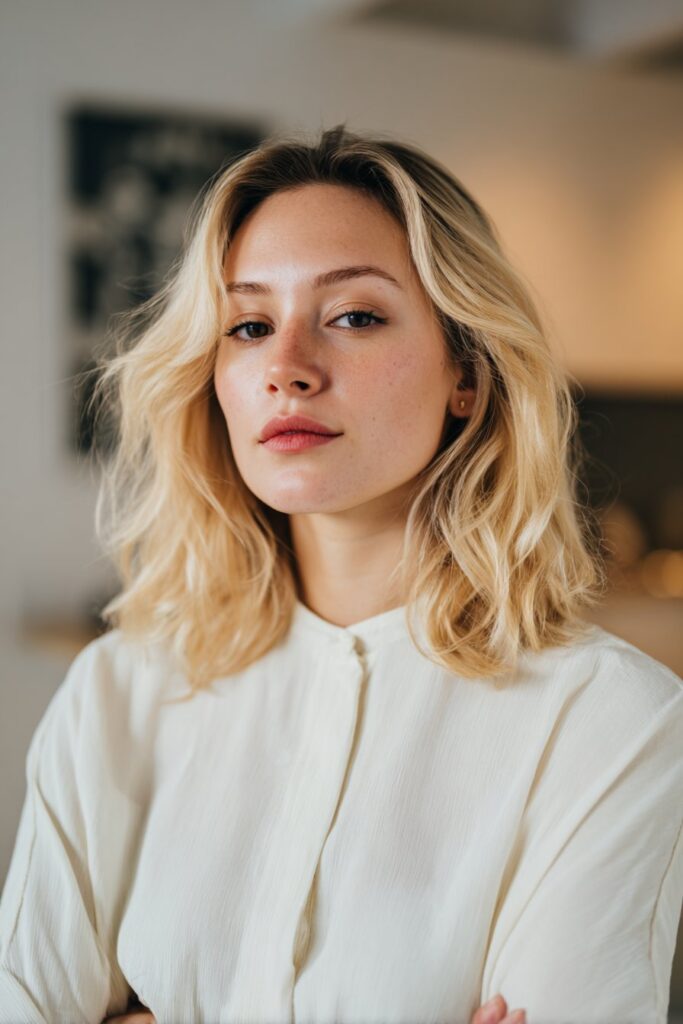
Ash blonde creates a sophisticated, muted effect through cool undertones of silver, blue, and violet. The smoky finish distinguishes this shade from warmer blonde hair shades like honey or golden tones. I’ve always described ash blonde to my clients as the color that absorbs light rather than bouncing it back, creating depth instead of radiance.
This shade falls between levels 8-11 on the color scale. In contrast to warm blondes that reflect brightness like a mirror, ash blonde has a mysterious, almost dusty quality. The gray and blue pigments work to counteract the natural warm tones that emerge when hair lightens, those yellows and oranges trying to peek through. Starting from a lighter base makes the transition smoother. If you’re working from dark brown or black hair, expect multiple bleaching sessions spaced carefully to protect your strands.
Best Skin Tones for Ash Blonde
Cool or neutral skin tones with pink or blue undertones create the most harmonious pairing with ash blonde. The cool tones prevent your hair from competing with your skin’s natural warmth. I’ve found that pale blue, gray, or cool green eyes absolutely pop against ash blonde, creating striking contrast.
Medium and darker complexions can pull off ash blonde beautifully, though the commitment increases. For fair skin, the icy hues neutralize redness without harsh contrast. Medium skin tones shine with pearl ash shades that have shimmery, luminescent qualities. Dark skin creates stunning contrast with ash blonde, particularly the darker variations around level 8-9.
Keeping Your Ash Blonde Fresh
Purple shampoo becomes your weekly companion, used 1-3 times to neutralize yellow tints that develop. Apply a toning masque or gloss every few weeks to refresh those ash undertones. Limit washing to 2-3 times per week since frequent washing strips both natural oils and color.
Professional toning appointments every six to eight weeks prevent brassiness from taking over. During styling, heat protection proves non-negotiable, and UV-protective products shield your color from sun damage. Skip clarifying shampoos unless you’re preparing for a color treatment, as they accelerate fading. By the same token, your ash blonde will typically begin fading around the six-week mark, with roots and ends showing changes first.
Honey Blonde Highlights
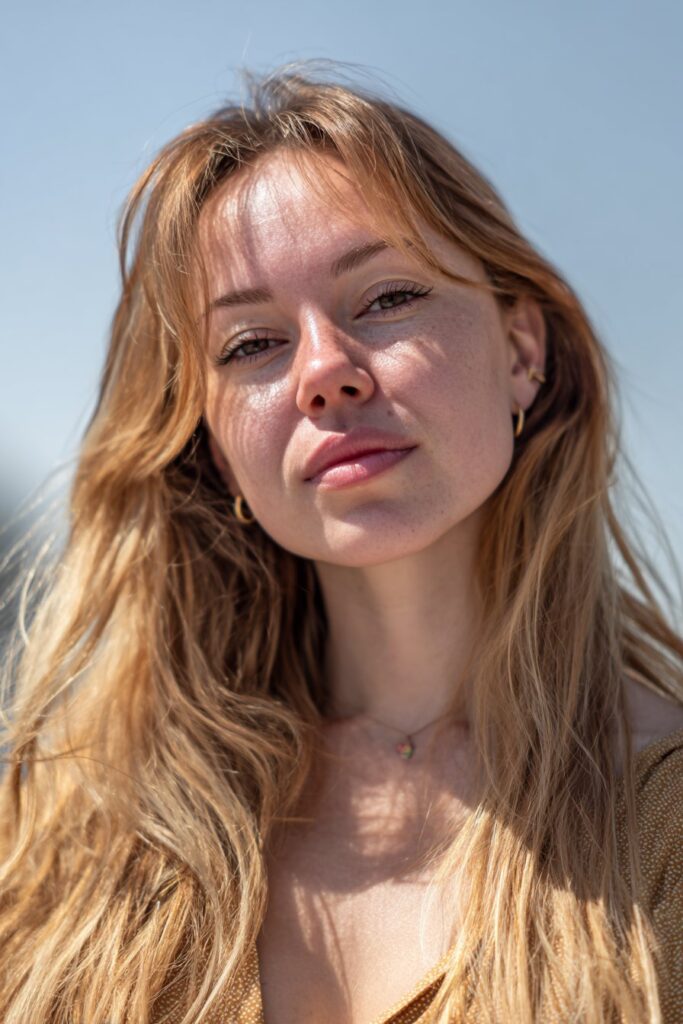
The Warmth of Honey Blonde
In contrast to the icy cool tones we’ve explored, honey blonde brings warmth that feels like sunshine. This shade blends golden hues with hints of amber, chestnut, light brown, and even copper. The multidimensional tone features touches of gold, brown, and red that instantly add vibrancy and enhance your complexion’s warmth.
What I love about honey blonde is its soft, buttery warmth without crossing into orange or brassy territory. The color mimics how the sun naturally lightens hair, creating depth that looks healthy and radiant. When Elsa Claire worked with a client transitioning from dark brown, the honey highlights created contrast that completely transformed her look while still feeling natural.
Honey blonde suits nearly every skin tone, though it shines brightest on warm undertones like peachy, golden, or olive complexions. The warm shades create harmony with your skin. On the other hand, you can adjust the tone by requesting a shade with more beige for a cooler direction, or add red and brown undertones for extra warmth.
How to Style Honey Blonde Hair
Strategic placement makes honey blonde highlights pop. Focus color on the front and sides of your hair to frame your face beautifully[93]. For maximum dimension, pair honey blonde with golden brown and even platinum highlights for a striking, multidimensional result[93].
Techniques like babylights create micro-fine slices that mimic childhood sun exposure. Balayage offers hand-painted, sun-kissed effects through mid-lengths and ends. Similarly, ombre keeps honey tones at the bottom for a chic two-tone look[93].
Transitioning to Honey Blonde
Pre-lightening hair to level 8 or 9 ensures honey tones reflect accurately. For darker bases, an air-touch technique blends natural root color while bringing lighter pieces closer to roots. Root smudge techniques create seamless grow-out for low maintenance.
Strawberry Blonde Shades
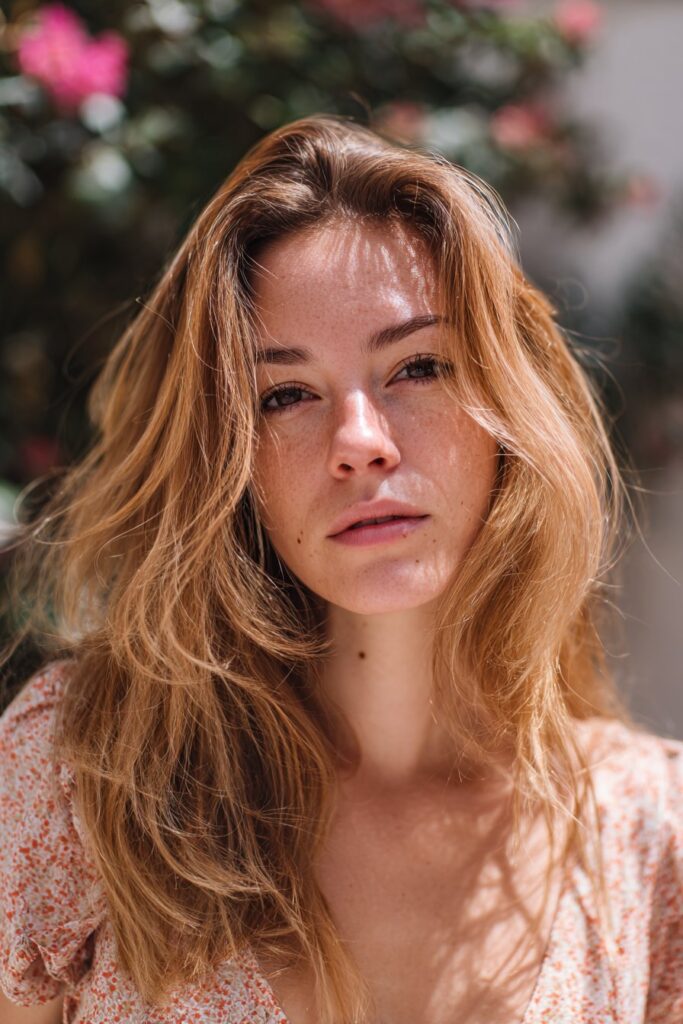
What is Strawberry Blonde
Picture the shimmer of light copper color threaded through honey blonde tones. That’s the magic of strawberry blonde, one of the most coveted reds that naturally occurs in only 1-2 percent of the world’s population. This shade blends warm reddish-blonde hues with golden and copper accents, creating a vibrant appearance that looks lit from within.
Strawberry blonde isn’t a one-size approach. The color can lean deep and rich or light and bright, custom-blended to suit your features. Classic strawberry blonde offers a balanced blend of warm red and golden tones. For lighter options, peach blonde adds soft pastel orange hues. Golden strawberry leans toward honey with sun-drenched highlights. Copper strawberry blonde brings richer, deeper auburn notes.
I’ve worked with clients who wanted just a whisper of pinkish undertone, while others craved a fiery copper finish. The versatility makes this shade endlessly adaptable.
Who Looks Best in Strawberry Blonde
Strawberry blonde suits all skin tones from fair to deep shades. Cool complexions look best with soft peach or rose-gold hues, while warmer undertones shine with copper or bronze shades. Specifically, warm skin tones like peachy, golden, or neutral complexions create the most harmonious pairing.
For fair skin with pink undertones, the red notes balance lighter tones beautifully. Medium and olive skin with warm undertones glow with golden strawberry variations. Deeper skin tones work gorgeously with richer copper strawberry blonde.
Caring for Red-Toned Blonde Hair
Red pigments fade faster than other colors, making your care routine essential. Use purple shampoo to cool unwanted orange tones while preserving warmth and shine, massaging into wet hair for up to two minutes. The rest of the time, stick with color-safe shampoo and conditioner tailored to your hair type.
Reduce shampooing to 2-3 times weekly. Skip products with sulfates, parabens, synthetic fragrances, and alcohol-laden aerosol sprays since they strip color. Heat styling accelerates fading, so apply heat protectant before any styling. Deep conditioning treatments keep hair hydrated and color vibrant.
Golden Blonde Balayage
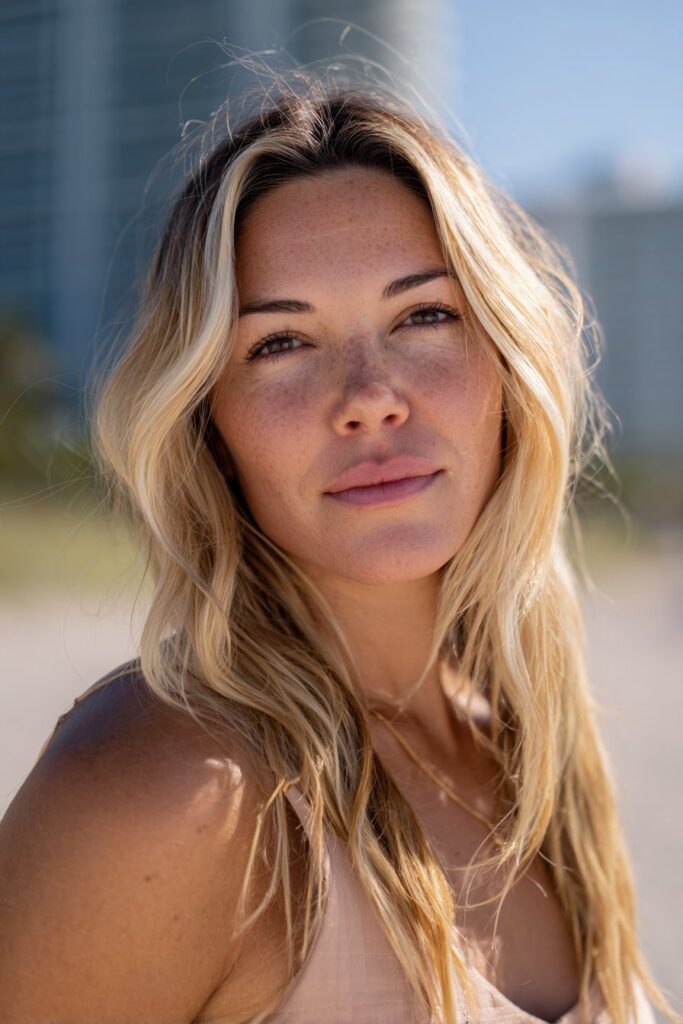
Why Golden Blonde Works
Golden blonde reflects light differently than any shade I’ve worked with. The warm base creates richness that makes hair appear fuller and healthier. When lightened strokes are painted in layers, each tone bounces light at different angles. Lighter sections create that ‘halo’ effect while darker lowlights absorb light for depth and contrast. These micro-contrasts give the illusion of thicker, shinier strands reflecting sun from every angle.
The warmth brings an immediate brightening effect to your complexion. In areas where sunlight can be rare, choosing golden hues offers an easy way to lift your look. I’ve watched clients’ entire energy shift when golden tones frame their face.
Creating Sun-Kissed Dimension
Balayage means “sweeping” in French, describing how colorists paint lightener directly onto hair without foils. The freehand technique produces organic results that mimic natural sun lightening. As opposed to traditional foiled highlights with defined lines, balayage creates soft, naturally blended dimension.
The application method makes all the difference. Colorists use barriers between sections to prevent lightener from bleeding and creating blotchy results. Because balayage processes in open air without trapped heat, lift happens gradually with less breakage risk and softer transitions. You use significantly less bleach than double-process techniques, reducing damage.
Regrowth appears less noticeable since color starts deeper at roots and gradually lightens toward ends. This lived-in look requires fewer touch-ups, with four appointments yearly maintaining perfection.
Maintaining Your Golden Tones
Purple shampoo once or twice weekly neutralizes brassiness while preserving warmth. Deep conditioning treatments 1-2 times weekly combat dryness. Professional toning every 4-6 weeks maintains vibrancy and corrects unwanted tones.
Wash only two or three times weekly with color-safe, pH-balanced products. Heat protection proves non-negotiable before styling, along with UV protection to prevent fading.
Butter Blonde Hair
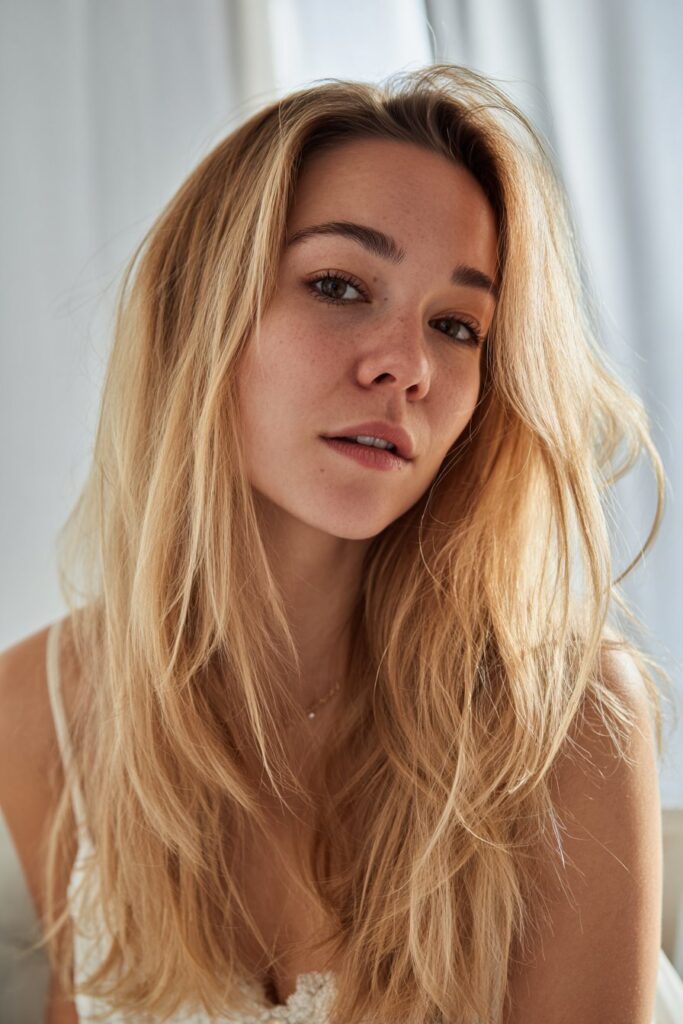
The Creamy Appeal of Butter Blonde
Butter blonde embodies everything its name suggests: soft, rich, and utterly irresistible. This light to medium shade features a neutral blonde base woven with champagne and wheat-toned highlights for warmth and dimension. I watched Elsa Claire create this look for a client transitioning from dark blonde, and the creamy finish transformed her entire appearance.
What sets butter blonde apart from honey blonde is its lighter tone with more understated warmth. The color feels dimensional and well-blended, flattering a wide range of skin tones through its soft, creamy finish. Think of it as capturing golden hour glow without crossing into brassy territory.
Best Features of This Shade
Butter blonde works beautifully for warm complexions, blending seamlessly with golden, peachy, or olive skin. However, its versatility shines through customization. Those with cool undertones can request sandy blonde and soft ash blonde highlights woven throughout for balance. On the other hand, warm skin tones glow with more distinct golden hues added to the mix.
The shade grows gracefully, making it a lower-maintenance option compared to stark platinum or high-contrast highlights. Your regrowth blends naturally thanks to the soft, dimensional nature of the color.
How to Achieve Buttery Tones
Achieving butter blonde typically requires bleaching, especially for darker bases. The brightness and dimension characteristic of this creamy hue demand super-light strands as your starting point. Bleach can lighten hair up to eight levels in a single session.
Post-bleaching brassiness needs addressing through toning. The process neutralizes unwanted yellow or orange warmth, with results lasting up to three weeks. After toning, wait a few days before applying your butter blonde shade to prevent overprocessing and damage.
For long-term vibrancy, color-safe shampoos and conditioners prove essential. Creamy blonde shampoos refresh and enhance soft tones while extending color life.
Champagne Blonde
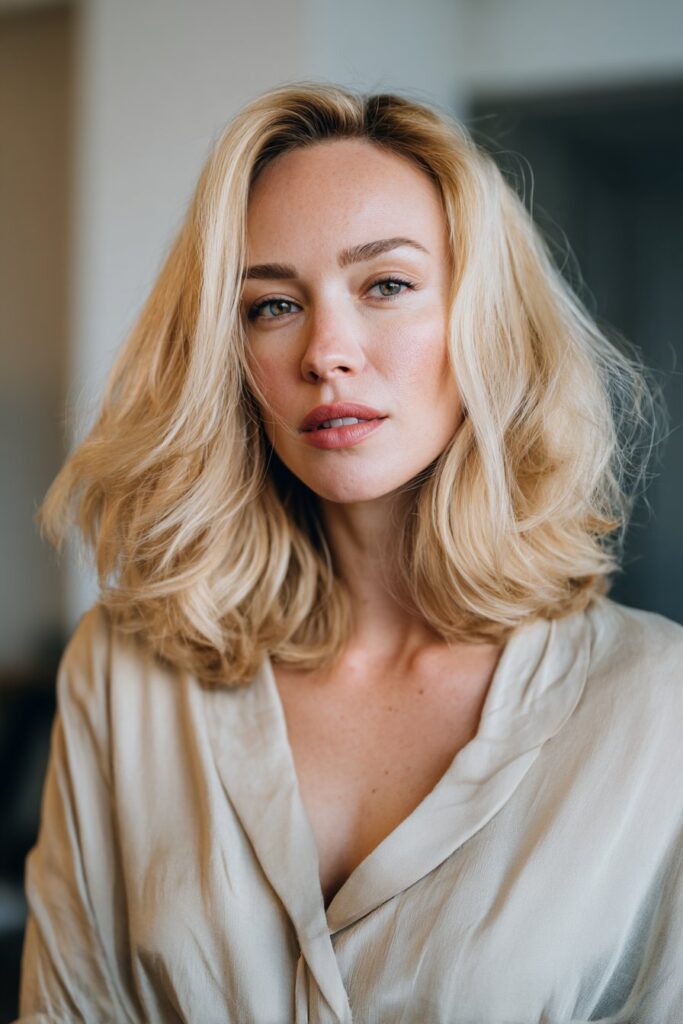
The Elegance of Champagne Tones
Champagne blonde blends creamy blonde with neutral undertones for a soft-focus finish that reads expensive, not artificial. This shade balances perfectly between cool and warm, making it one of the most adaptable blonde hair shades I’ve worked with. Unlike stark platinum or purely golden tones, champagne features beige-based undertones that flatter a wide range of skin tones.
I remember when Elsa Claire first introduced me to champagne blonde. The color had a luminous quality with subtle shimmer and radiant finish. What struck me was how it provided soft, polished elegance without the high-maintenance demands of icy shades. The shade grows out gracefully, which clients appreciate when they want maximum impact with minimal salon visits.
Styling Tips for Champagne Blonde
Heat protection becomes your styling foundation. Apply protectant before any heat styling to prevent brassiness and maintain that polished finish. For texture, embrace your natural waves or curls using curl-specific products to showcase the multidimensional tones. On the other hand, sleek styling with lightweight shine oil boosts color vibrancy while protecting strands.
Air-drying creates an effortless, lived-in vibe when paired with texture-enhancing serums. Purple shampoo neutralizes brassiness while maintaining the delicate balance of warm and cool tones. Schedule gloss treatments every six to eight weeks to refresh vividness and maintain hair health.
Who Should Choose This Color
Champagne blonde suits fair to medium skin tones with neutral or cool undertones. The customizable nature means you can tailor it precisely to your complexion. For cooler skin, request pink undertones. Warmer skin tones glow with peach undertones woven through. Light eyes and pale skin create stunning contrast, though the versatility extends beyond this combination. Starting from blonde, light brunette, or bronde bases makes the transition smoother.
Sandy Blonde Hair Color
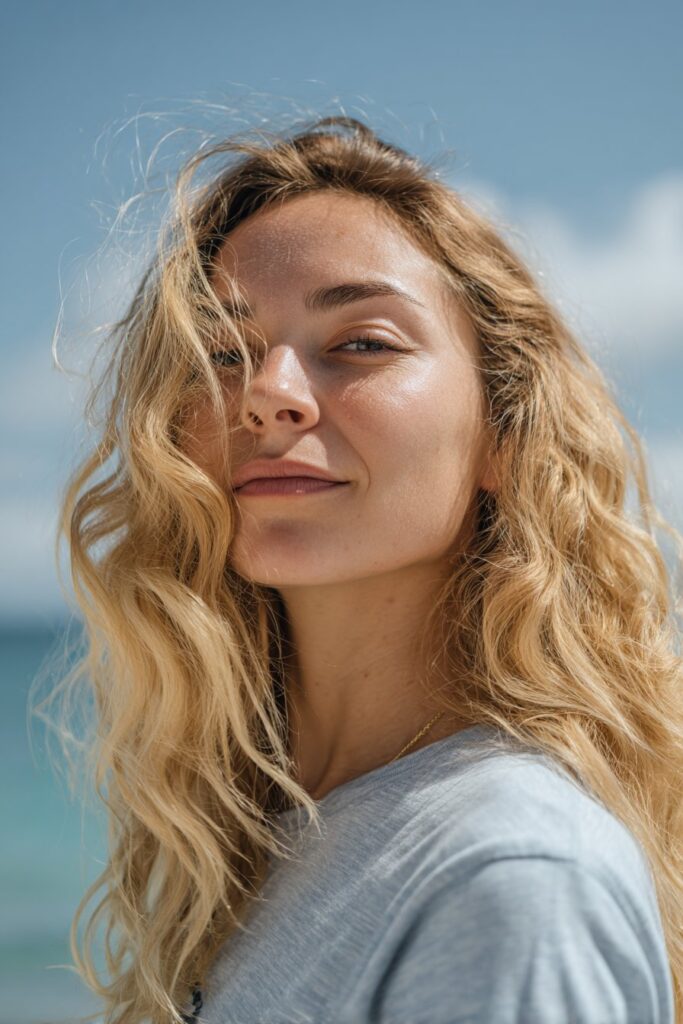
Natural Beach-Inspired Blonde
Sandy blonde captures that windswept look you get after spending weeks by the ocean. The shade blends warm beige with cool ash tones, creating a balanced, sunlit finish that mirrors actual beach sand. Tones range from light brown and yellowish-gray to beige and golden, giving you flexibility to customize the look.
What I appreciate most about sandy blonde is its universal appeal. The color flatters nearly every skin tone, working beautifully with warm, neutral, and cool complexions. Elsa Claire once told me about a client with olive skin who was nervous about going blonde. The sandy shade complemented her natural warm undertones without competing against them.
Perfect for Low Maintenance
Sandy blonde offers a refreshing break from high-maintenance shades. Touch-ups happen every 6-8 weeks for full color, while balayage or ombre applications stretch even longer between appointments. This makes it relatively low-maintenance compared to platinum or icy blondes.
Enhancing Sandy Blonde Hair
Color-safe, pH-balanced shampoo and conditioner preserve your tone. Apply heat protectant before styling, and deep condition weekly to maintain hydration. Limit washing to 2-3 times per week, and rinse with cool water to seal the cuticle.
Caramel Blonde Highlights
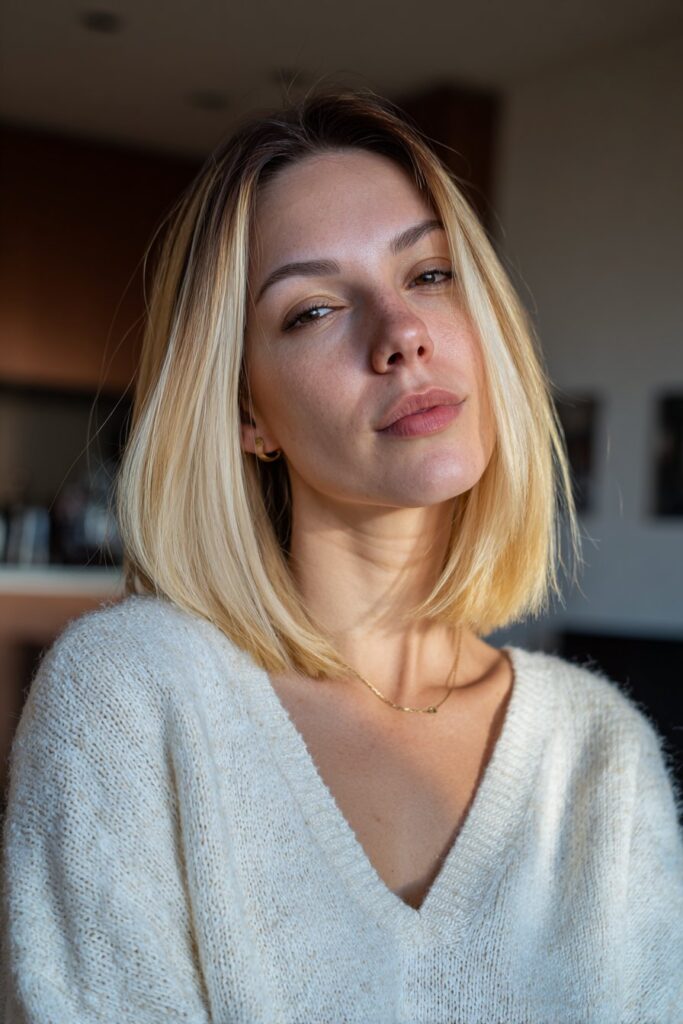
Rich Warmth of Caramel Tones
Swathes of warm, rich caramel transform hair with depth and dimension that feels luxurious. The golden tones blend with amber hues, creating a sun-kissed radiance that enhances natural warmth in your skin. Elsa Claire once worked with a brunette client hesitant about going lighter. When we added caramel ribbons through her base, the warmth brought out her olive complexion beautifully.
Caramel works best for warm undertones like golden, peachy, or olive skin. On the other hand, cool undertones can request hints of ashiness woven through for balance. The versatility makes caramel highlights adaptable across complexions.
Blending Caramel with Your Base
Balayage creates the most natural caramel effect. Freehand painting delivers customized, sun-kissed color that appears lit from within. Light brown to dark brunette bases provide ideal contrast for caramel to shine.
One advantage of balayage is the lived-in appearance. You can wait three to four months between appointments, far longer than traditional foil highlights. The soft grow-out prevents harsh lines at roots.
Long-Term Care for Caramel Blonde
Sulfate-free shampoo and conditioner prevent color fading while maintaining vibrancy. Deep conditioning treatments weekly keep strands hydrated and nourished. Toning glosses every few weeks refresh caramel warmth.
Heat protection shields against styling damage that dulls shine. Limit washing to preserve natural oils and color longevity. Regular salon visits every six to eight weeks maintain fresh, vibrant tones.
Ice Blonde
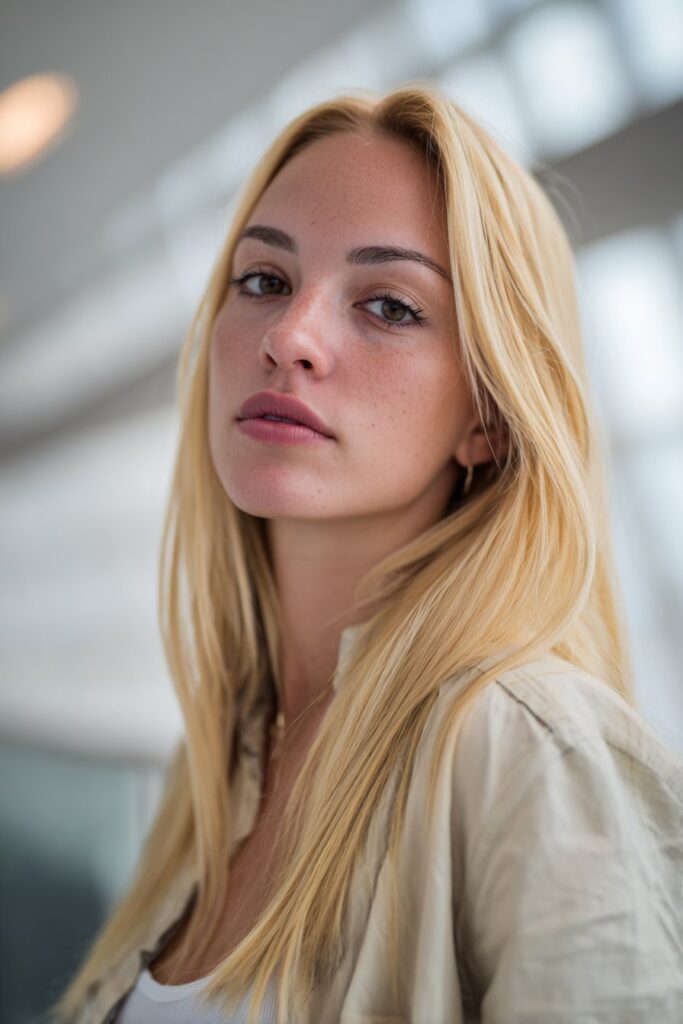
Achieving Ultra-Cool Ice Tones
Ice blonde brings ultra-light color with silvery undertones, offering a fresh alternative to platinum. The shade differs from platinum through its cooler, more metallic finish. Achieving this look requires bleaching hair to a pale yellow base, similar to the inside of a banana peel. Multiple bleaching rounds spaced weeks apart protect hair integrity while lifting color.
Elsa Claire worked with a client transitioning from dark brown who needed two separate sessions to reach ice blonde safely. Rushing the process risks serious damage. Your hair must reach that pale yellow stage before toning can work its magic.
The Commitment Behind Ice Blonde
This shade demands dedication. Professional toning appointments keep the silvery tones pristine, preventing yellow from creeping back. Root touch-ups happen frequently as regrowth becomes noticeable quickly against the ultra-light base. The bleaching process opens cuticles completely, making hair vulnerable to breakage without proper care.
Toning and Purple Shampoo Essentials
Purple shampoo neutralizes unwanted yellowness once or twice weekly. For instance, special black pigment toning sprays work between salon visits, reducing yellow and orange tones while adding softness. These sprays contain milk proteins and grapeseed oil that nourish while toning.
Sulfate-free, color-safe products extend your ice blonde’s vibrancy. Deep conditioning treatments weekly combat dryness from bleaching. Heat protection proves non-negotiable before any styling.
Bronde Hair Color
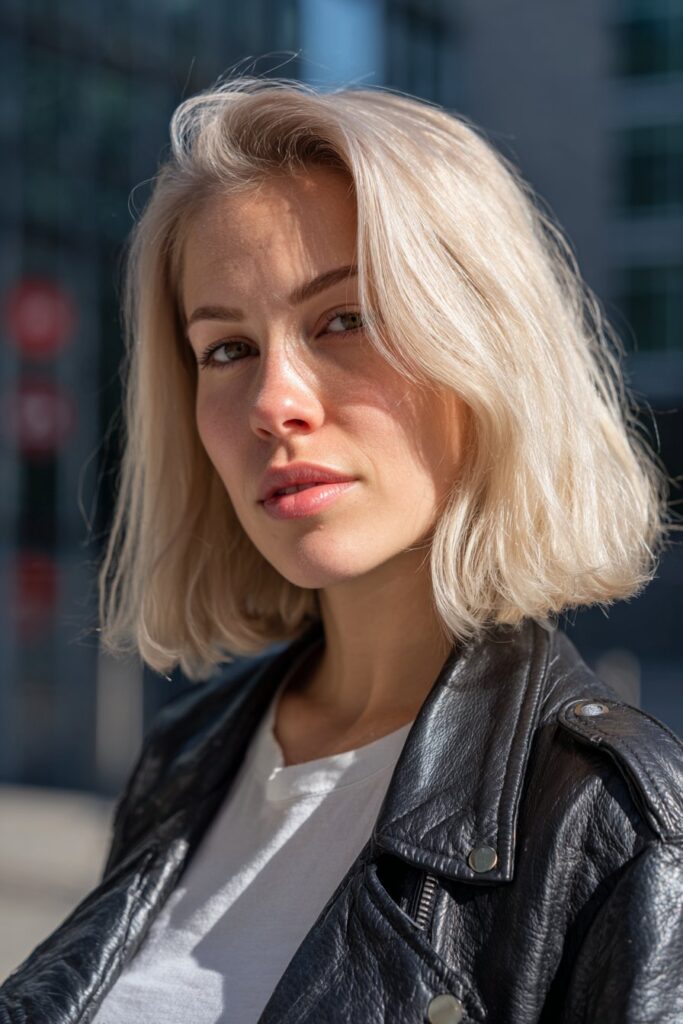
The Best of Blonde and Brunette
When you’re caught between brunette and blonde, bronde offers the perfect middle ground. A portmanteau of brown and blonde, this hair color works for every season and just about everyone. I’ve watched Elsa Claire transform hesitant clients with this shade, giving brunettes brightness without the full blonde commitment, and blondes depth without going dark.
Bronde sits somewhere between dark blonde and light brown. The dimensional hue runs deeper than bombshell blonde yet lighter than chocolatey brown. What makes bronde special is its lack of a universal definition. The color can lean warm and bronzy or cool and ashy, customized entirely to your preference.
Why Bronde is So Versatile
Golden, amber, and honey variations look stunning on warm, olive-to-deep skin, while ashier shades flatter cool, fair-to-light skin. Colorist Nataly Maldonado describes bronde as perfect “when you want a lot of brightness throughout your hair, but you don’t want to look like you’re trying too hard to be a blonde”.
The rootiness makes bronde ideal for low-maintenance people. Regrowth blends seamlessly without harsh lines, giving you flexibility between salon visits. You grow out beautifully thanks to subtle contrast.
Creating Depth with Bronde
Balayage and foilyage create soft, natural bronde finishes. Correspondingly, adding depth through lowlights transforms over-blonde hair into rich, dimensional color. Ask for highlights and lowlights within two levels of your base color for a dimensional yet low-maintenance look.
Beige Blonde Shades
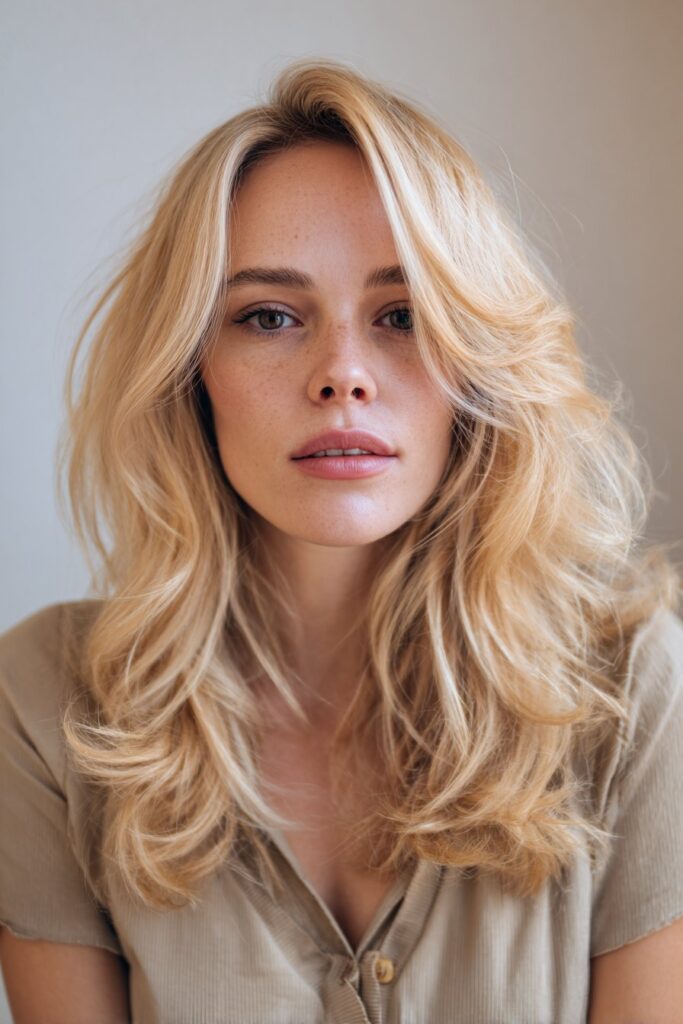
The Neutral Beauty of Beige Blonde
Beige blonde walks the line between warm and cool with effortless sophistication. This neutral shade features soft, muted golden hues blended with subtle ash undertones, creating a creamy finish that feels polished yet understated. Unlike brighter blonde hair shades, beige offers a subdued option that enhances natural beauty without demanding constant attention.
The shade sits at .2 on the color spectrum, right between Cool Ash and Warmer Gold. What makes beige distinct is its green undertones rather than the bold blue pigments found in ash. I worked with Elsa Claire on a client who wanted blonde but feared looking washed out. The beige tones gave her that creamy glow without extremes.
Who This Shade Flatters Most
Beige blonde suits cool undertones exceptionally well. The neutral balance enhances skin with pink or blue undertones, providing harmony without overwhelming your complexion. Correspondingly, individuals falling under Light Summer, True Summer, and Soft Summer color seasons find beige blonde ideal.
On the other hand, warm undertones with golden or olive hues may find beige less complementary, as the cooler shades can create a washed-out appearance. Neutral skin tones have flexibility with beige blonde.
Balancing Cool and Warm Undertones
Customization makes beige blonde adaptable. Incorporating more ash tones creates a cooler effect, while adding subtle warmth increases versatility. Variations range from light beige to warm beige, cool beige, and dark beige.
Copper Blonde Hair
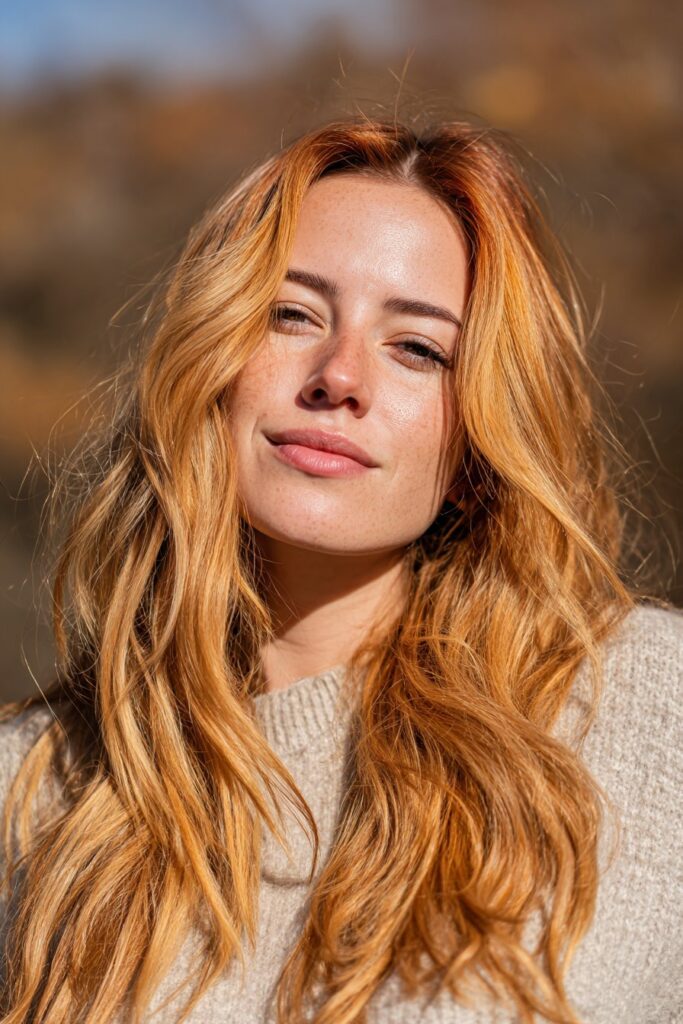
The Fiery Side of Blonde
Copper blonde brings dimensional warmth that sits on the bolder end of the red hair spectrum. While strawberry blonde reads soft and peachy, copper blonde dials up brightness for an irresistible red haze with more intense shine. The shade features orange, gold, and yellow undertones that contrast beautifully against cool skin while harmonizing with warm complexions.
I watched Elsa Claire transform a client from balayage blonde to copper, and the rich dimensional hue combined earthy warm brown tones with sun-kissed orange edges. True copper leans toward vibrant, fiery hues with orange or red notes.
Maintaining Copper Vibrancy
Copper demands diligence since vibrant red and orange tones require specific attention. You’ll need salon visits every 6-12 weeks for permanent color and 4-8 weeks for gloss services to keep your color bold. Wash only 2-3 times weekly with sulfate-free products designed for color-treated hair. Use lukewarm water since hot water strips natural oils and accelerates fading. UV protection proves essential, as sun exposure dulls copper pigments. Similarly, minimize heat styling and always apply protective serum beforehand. Color-depositing conditioners between salon visits rejuvenate and intensify copper tones.
Best Techniques for Copper Blonde
Balayage creates stunning copper blonde dimension through hand-painted highlights. When transitioning from blonde to copper two or more levels darker, filling becomes necessary to replace lost red, copper, and gold pigments. Without filling, color looks hollow and washes out fast.
Dirty Blonde Types
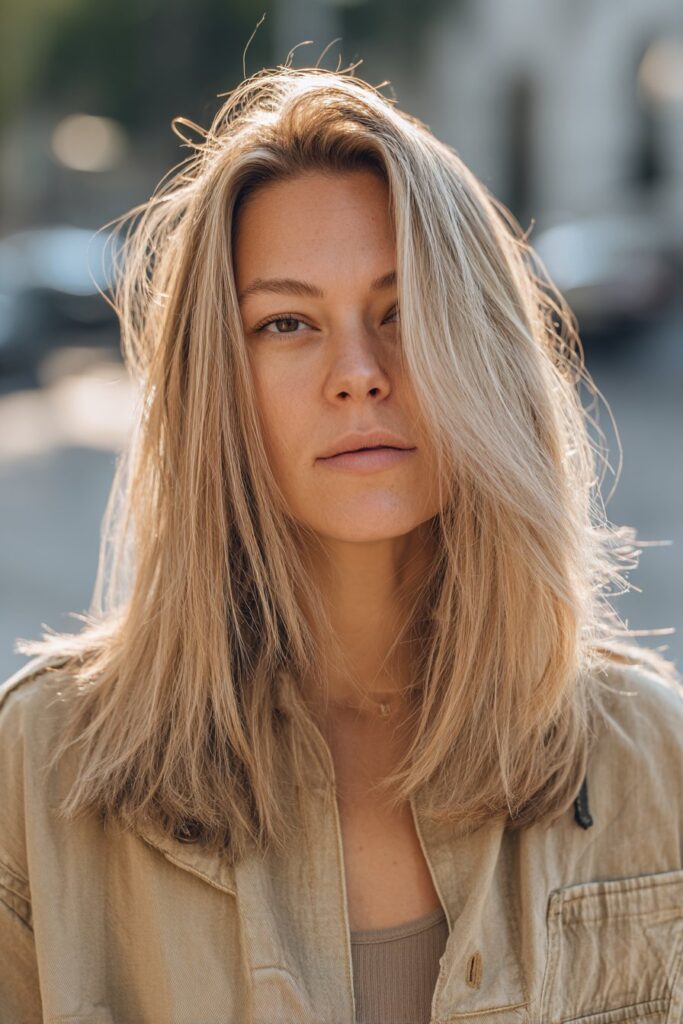
Understanding Dirty Blonde Hair
Dirty blonde acts as the chameleon of blonde hair shades. Positioned between light brown and medium blonde, this neutral tone blends cooler ash with warmer beige or golden hues for natural-looking depth. What I find fascinating about dirty blonde is how it shifts depending on light. Indoors, it appears darker and more subdued, but sunlight reveals golden flecks and wheat tones woven throughout.
Elsa Claire taught me that dirty blonde typically features wheat, beige, soft caramel, and even hints of mushroom brown or champagne tones. The color picks up your natural undertones beautifully. On cooler skin, it reads more ashy and silvery, while warmer complexions bring out beige and honey glows. Hairstylists professionally classify level 6 as dark blonde, though the multidimensional nature of dirty blonde makes strict categorization tricky.
The Low-Maintenance Appeal
Regrowth becomes less drastic with dirty blonde compared to platinum or icy blonde hair shades. Natural roots blend seamlessly with the darker, neutral tones, stretching time between salon visits. Keeping roots natural-looking while extending blonde further down creates that effortlessly grown-in appearance.
Adding Dimension to Dirty Blonde
Freehand balayage placement adds sun-kissed texture that mimics natural lightening. The sweeping highlights create beachy dimension on all base colors. Balance your dirty blonde with lowlights for added depth, choosing colors one shade lighter than natural hair or two shades darker than highlights for natural results.
Silver Blonde Hair Color
Embracing Metallic Silver Tones
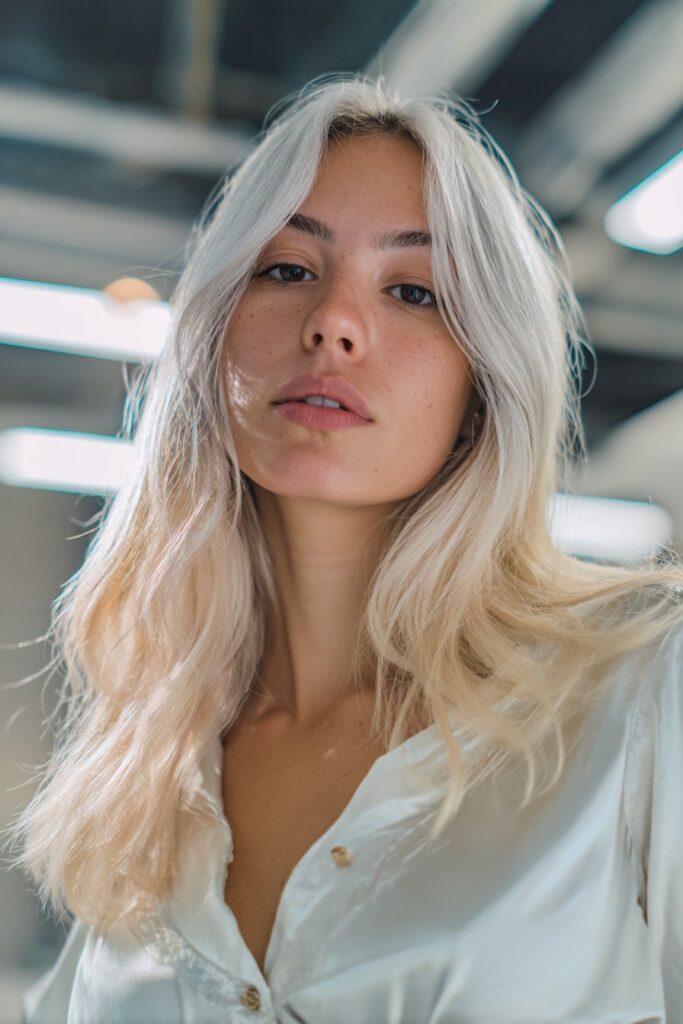
Silver blonde has taken over as one of the most requested shades of blonde I see. This shimmering, metallic shade combines the elegance of silver with blonde warmth for a head-turning style that reads modern and unapologetically bold. The luminous finish creates high-impact style that elevates any look.
Elsa Claire once told me about a client with naturally dirty blonde hair who wanted to try silver. Starting from a natural level 7 base color made the process smoother since it only needed lifting three levels. On the other hand, previous color complicates matters significantly. This shade demands patience and a specialist who truly understands the service.
The Difference Between Silver and Platinum
While platinum features warmth and collides with blonde tones, silver presents as grayish, cool-toned hair sitting between white and black. The appearance avoids yellow entirely, giving a distinctly cool feeling. Silver ash blonde combines pale blonde strands with a silvery, almost metallic finish. The cool, muted undertones can make the shade appear gray.
Keeping Silver Blonde Bright
Purple shampoo becomes essential, used two to three times weekly to neutralize brassy tones. Sulfate-free products maintain vibrancy without stripping natural oils. Moisture proves equally critical since silver strands tend toward dryness. Weekly deep conditioning treatments keep hair nourished. Avoid hot water when washing, as it accelerates fading. Professional-grade products maintain that salon-fresh appearance.
Conclusion
As a matter of fact, exploring these 15 blonde hair color ideas reveals just how diverse the blonde spectrum truly is. From platinum’s icy boldness to dirty blonde’s effortless dimension, each shade offers something unique. Elsa Claire taught me that the right blonde depends on three factors: your skin tone, lifestyle, and how much maintenance you’re willing to commit to. While platinum demands weekly purple shampoo and frequent toning, shades like sandy blonde or bronde grow gracefully with minimal upkeep. Take the time to consider what fits your daily routine and personal style. Your perfect blonde exists somewhere in this spectrum, waiting to transform how you feel every time you catch your reflection.

Elsa Claire is the founder and editor of ElsaClaire.com, where she writes about hairstyles, hair care, and the everyday routines that help real people feel good about their hair.