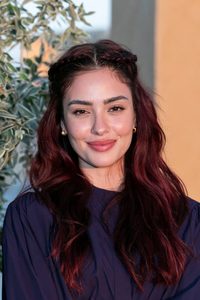
I’ve spent years perfecting medium length hair with layers, and I can tell you firsthand that this cut has completely transformed how my clients feel about their hair. There’s something magical about the right layers that brings hair to life. Medium-length layered haircuts work wonders to create movement, volume, and texture while framing and defining your face. Equally important, layered haircuts offer an attractive silhouette that flatters various face shapes and hair types. In this guide, I’m sharing 12 gorgeous hairstyles for medium length hair with layers, complete with styling tips for medium length hair with layers and bangs, face framing layers, and techniques on how to style medium length hair with layers for every occasion.
Long Layered Lob
What Makes This Cut Special
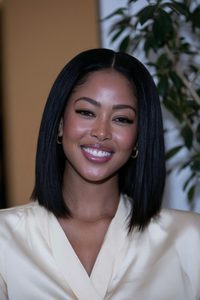
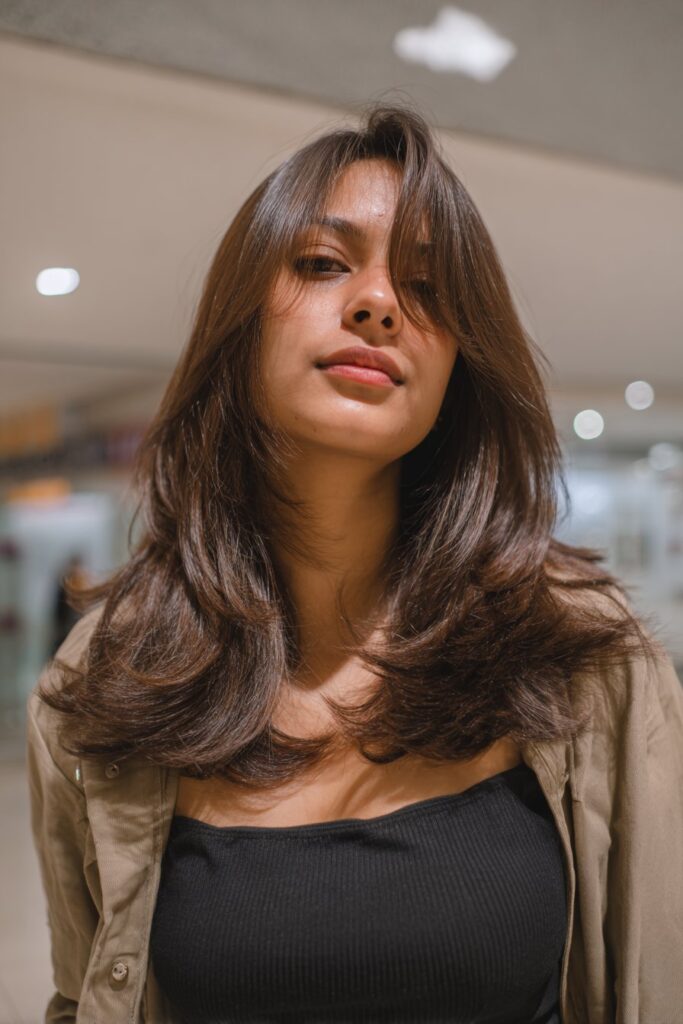
The long layered lob sits between your collarbone and shoulders, creating that sweet spot where sophistication meets versatility. I’ve cut hundreds of these over the years, and what keeps clients coming back is how this style adapts to their life. One morning you can wear it sleek for a meeting, and by evening, add some waves for a relaxed vibe without any drastic changes.
Layers are what transform a standard lob into something special. When I add chin-length layers to a lob, the cut gains natural movement and prevents that flat, heavy look. The layering creates lift at the crown and adds dimension throughout, which is why this remains one of the most universally flattering medium length layered haircuts.
Best Hair Types for Long Layered Lobs
Thin hair actually thrives with this cut. Subtle layers combined with a blunt base create the illusion of volume without removing too much density. I always tell my clients with finer hair that delicate layers work better than aggressive ones, placing them strategically where they add interest rather than removing bulk.
For thick or wavy hair, intentional layering enhances natural flow and movement. The layers prevent the weight from dragging down curls, allowing them to spring and define properly. Straight hair gains structure and body, especially when you blow-dry with a round brush and add light texturizing spray.
Natural texture comes alive at lob length. On curly hair, the cut provides enough length for coils to form while staying short enough to avoid heaviness. Similarly, wavy hair becomes instantly beachy with minimal effort when cut to this length.
How to Style Medium Length Hair with Layers in a Lob
Playing with your parting changes the entire look. A center part creates a more polished, evening-appropriate style, while pushing hair to one side gives you that casual, effortless esthetic. I’ve seen clients experiment with front braids for a romantic, textured finish.
For wavy looks, apply light-hold mousse followed by curl cream to very wet hair. This distributes products evenly and keeps your curls from getting disturbed during towel drying. The key is working with damp hair rather than dry.
Volume at the crown comes from focusing on weight removal rather than excessive layering. A deep side part amplifies this effect, creating fullness all the way around. To maintain the style fresh, schedule trims every six to eight weeks.
Why This Works for Every Face Shape
The adaptability of this cut amazes me every time. Oval faces can wear the lob with virtually any texture. Round faces benefit from added layers and volume that create width without emphasizing roundness. For square faces, soft face-framing layers provide the perfect counterbalance to angular features.
Heart-shaped faces look balanced with waves that add volume near the jawline. Long faces gain width from the horizontal line created at collarbone length, which visually shortens the face. I often add side-swept bangs for long faces, bringing out the eyes and cheekbones while creating that widening effect.
The chin-length bob variation works particularly well for rounder faces, while longer faces benefit from the extended lob length. This flexibility is what makes the long layered lob one of the most reliable hairstyles for medium length hair with layers.
Face Framing Layers
What Makes This Cut Special
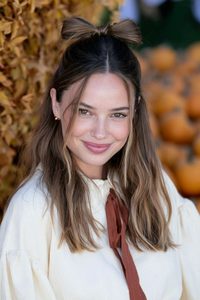
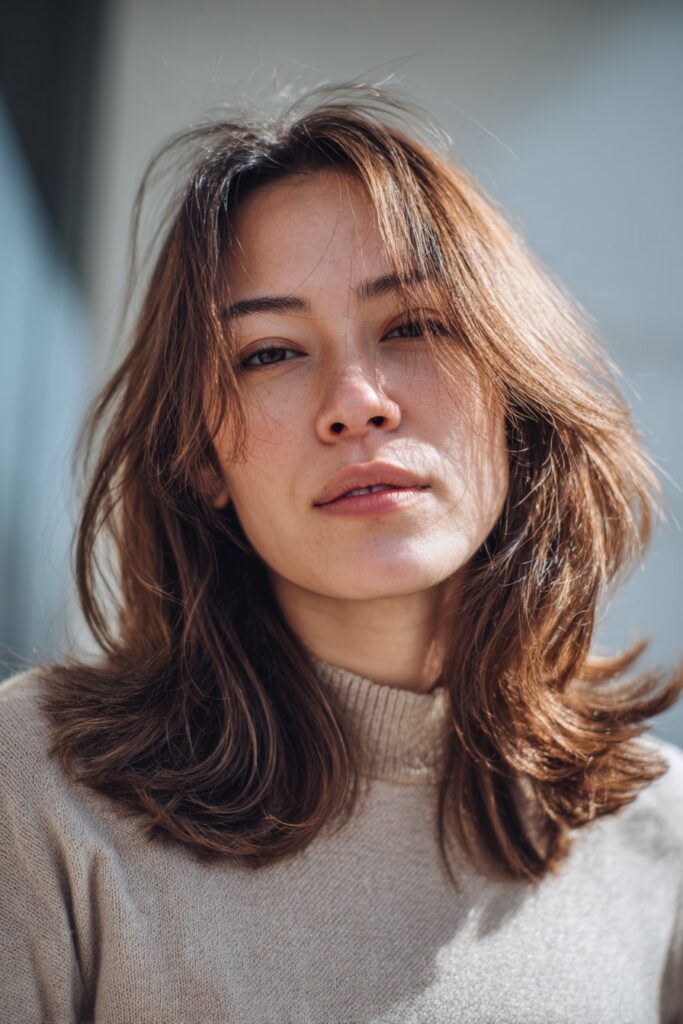
Face-framing layers are shorter pieces of hair strategically placed around the perimeter of your face. What I love about this technique is how customizable it becomes. These layers can be long and blended for a subtle effect, or short and choppy when you want to make more of a statement.
The beauty lies in the enhancement. When I cut face-framing layers, I’m working to highlight features like your cheekbones, chin, and collarbone. A point often overlooked is that this technique adds dimension and movement below the jawline by curving either in toward the neck to create shape or away to create fullness. Equally important, these layers provide an instant volume boost without adding bulk throughout the rest of your hair.
I’ve combined face-framing layers with curtain bangs countless times, and the result creates an effortlessly cool look that my clients adore. The versatility means you can add this technique to any existing cut, making virtually any hairstyle more flattering.
Best Hair Types for Face Framing Layers
This cut works for all hair types and textures. On curly hair, face-framing layers add definition and prevent curls from getting weighed down around your face. The layers create dimension while enhancing natural texture.
For straight hair, these layers provide movement and even a wispy quality that brings life to otherwise flat strands. Wavy hair benefits tremendously as the layers define waves and prevent them from losing their shape under their own weight. In fact, no matter your hair texture or length, face-framing layers can be customized to complement your natural pattern.
How to Style Medium Hair Face Framing Layers
After washing with moisturizing shampoo, I start blow-drying at the neck while brushing hair up and away from the scalp using a paddle brush. When hair reaches about 75 percent dry, I switch to a round brush to smooth and build volume.
Subsequently, I use a curling wand to create two or three curls facing away from each side of the face. This technique accentuates face structure by directing attention to your best features. For clients wanting minimal styling, beveling hair under with a flat iron shows off the layers beautifully. You can also flip the hair back and away for a completely different effect.
Blow-dry creams control the ends while mousses help hold your styled look throughout the day.
Why This Works for Every Face Shape
The customization potential makes face-framing layers universally flattering. For round faces, I start the shortest layer an inch or two below the chin to create an elongating effect. Square faces benefit from layers placed between the cheekbone and jawline, softening angular features.
Heart-shaped faces look balanced when layers don’t fall at the widest part of the face. Oval faces can experiment with placement anywhere from the eyebrow to the collarbone. For oblong faces, I shorten layers to the cheekbones or add fringe bangs to balance proportions.
Maintenance stays simple. I recommend trims every three months to maintain the shape, though you can stretch to four to six months if you’re growing out your length.
Choppy Layers with Bangs
What Makes This Cut Special
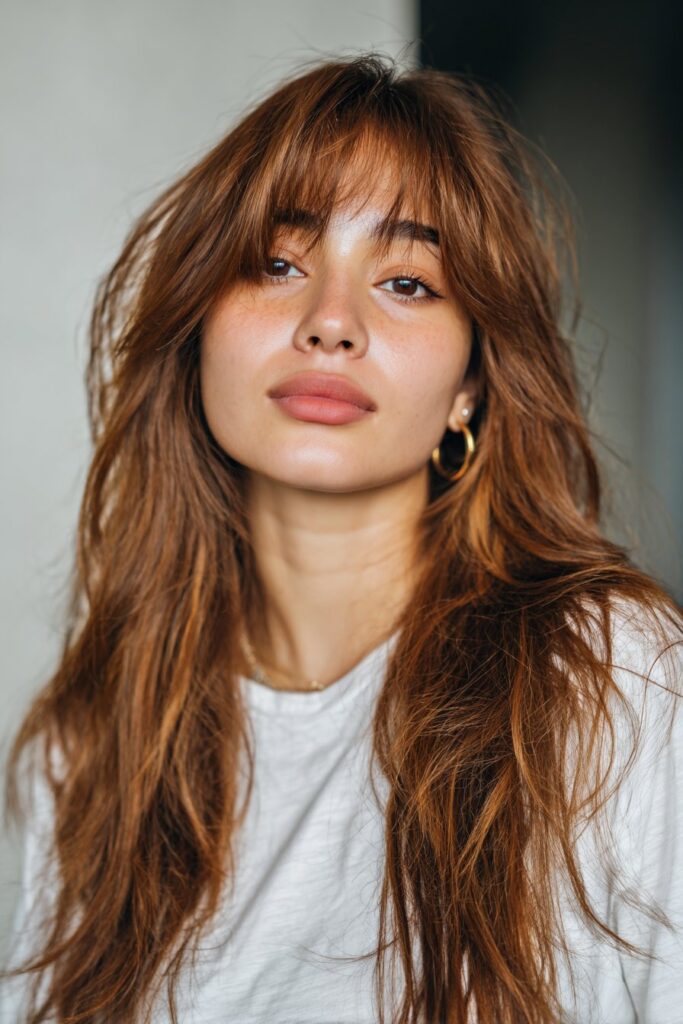
Choppy layers bring an edgy, disconnected esthetic that instantly modernizes any medium length cut. Over my years styling hair, I’ve watched this technique transform polished looks into something with genuine personality. The irregular, disconnected layers create texture and volume that feels effortless. What makes choppy layers with bangs particularly special is the built-in movement that requires minimal styling effort.
When I add choppy bangs to this cut, the textured fringe provides edge while maintaining femininity. Choppy curtain bangs have become one of my favorite variations, offering that perfect blend of softness and statement-making texture. Long choppy bangs work beautifully for clients easing into fringe territory, giving them length to experiment with while the choppy cut keeps things modern.
Best Hair Types for Choppy Layers
Thick hair benefits tremendously from choppy layering. The technique removes excessive bulkiness while adding shape and dimension. I’ve worked with clients whose thick hair felt heavy and shapeless, and choppy layers gave them the movement they craved.
Thin hair requires a different approach. Choppy layers on finer textures need more styling time, but the results justify the effort. Adding dimensional color enhances the choppy texture, making individual layers more visible. For clients with extremely straight, hard-to-curl hair, heavily textured choppy cuts provide an excellent solution. I position shorter choppy layers around the cheekbones for the most flattering effect on fine hair.
Naturally wavy or curly textures shine with this cut. Choppy layering gives form to your locks while keeping you on-trend throughout the day.
How to Style Medium Length Hair with Layers and Bangs
Air-drying works wonderfully with choppy cuts. Apply texturizing spray to damp hair, scrunch, and let it dry naturally for an effortless, undone finish. This low-maintenance approach practically styles itself on account of the built-in texture.
For beachy waves, use a curling wand on random sections, but always apply heat protectant first. A diffuser attachment enhances natural texture while preventing frizz and maintaining the undone quality in the choppy layers. I recommend texturizing spray to accentuate the disconnected pieces and create that lived-in style.
Why This Works for Every Face Shape
Square faces look particularly striking with choppy bangs and ’70s-style fringes. Anything that blends into soft layers around the face softens angular features beautifully. Oval faces can experiment fearlessly with micro, blunt, or grown-out choppy fringes.
Choppy bangs cut at varying lengths complement both round and oblong face shapes when paired with slightly tousled waves. The textured, undone finish frames features without overwhelming them.
Feathered Layers
What Makes This Cut Special
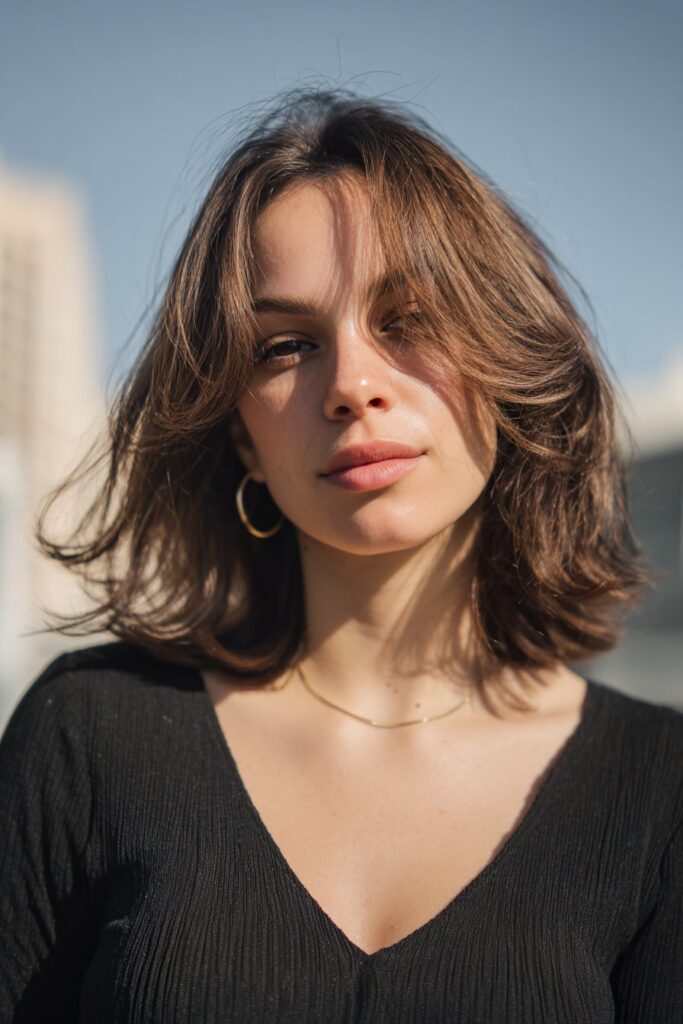
Feathered layers remind me of afternoons in my grandmother’s Charleston salon, where posters of iconic 70s hairstyles lined the walls. This cutting technique creates lightweight, wispy ends that taper away from the face, mimicking the delicate structure of bird feathers. The stylist uses angled motions, usually around 45 degrees, with scissors or a razor that glides down the hair shaft. This controlled, light motion focuses near the face or along the ends to add movement without harsh lines.
Contrarily to standard layered cuts where scissors create blunt or soft gradations, feathered hair gets its distinct texture from thinning the ends. This technique takes excess weight off the tips while creating a seamless blend that feels airy and effortless. I’ve found this style requires less maintenance and styling compared to heavily layered crops, which my clients appreciate when they’re rushing through busy mornings.
The modern feathered look balances nostalgic 70s charm with contemporary wearability. Instead of the dramatic height at the crown that defined that era, current adaptations create a more subtle shape with flipped ends that redistribute weight naturally.
Best Hair Types for Feathered Layers
Feathering works particularly well for straight and wavy hair textures. For instance, medium to thick hair benefits because feathering reduces bulk while maintaining volume in all the right places. I customize the technique according to texture, as fine hair gains lift without feeling weighed down, while thick or coarse hair may need additional texturizing to prevent puffiness.
Thin hair requires caution. Too much layering can leave finer textures looking sparse, so I focus on soft, face-framing feathers that add dimension without removing density. Copper or warm tones on fine hair create depth and the illusion of thicker hair through strategic color placement.
Curly hair can absolutely embrace feathering. The technique removes bulk at the ends while defining each curl’s natural shape. I adjust layer lengths and cutting angles to suit curl patterns, ensuring the feathers enhance bounce without sacrificing curl integrity.
How to Style Feathered Medium Layers
Start with volumizing products on freshly washed, towel-dried hair. Apply heat protectant before rough drying on the lowest setting, moving the nozzle back and forth without pulling hair too straight. Aim for 80 percent dry with fine hair, 50 percent with thicker textures.
Add texturizing spray to create height at your crown and the sides of your face. Subsequently, use a round brush while blow-drying to sculpt layers into smooth, outward flicks, moving away from your face. A curling iron or wand creates waves throughout, with special attention to flipping the ends. Weather-resistant products like anti-humidity spray keep the style fresh throughout the day.
Schedule trims every six to eight weeks to maintain the light texture and prevent split ends.
Why This Works for Every Face Shape
Feathered face-framing layers soften very square or rectangular face shapes by reducing sharp corners. Wispy strands around the cheeks balance angular jaws, while longer feathers at the temples lengthen round faces. Oval shapes carry both delicate and dramatic feathering beautifully, as the technique highlights cheekbones and draws attention to facial length.
Talk to your stylist about features you want to emphasize. This determines where your layers start, creating a customized frame that accentuates your best attributes while balancing your overall proportions.
V-Cut Layers
What Makes This Cut Special
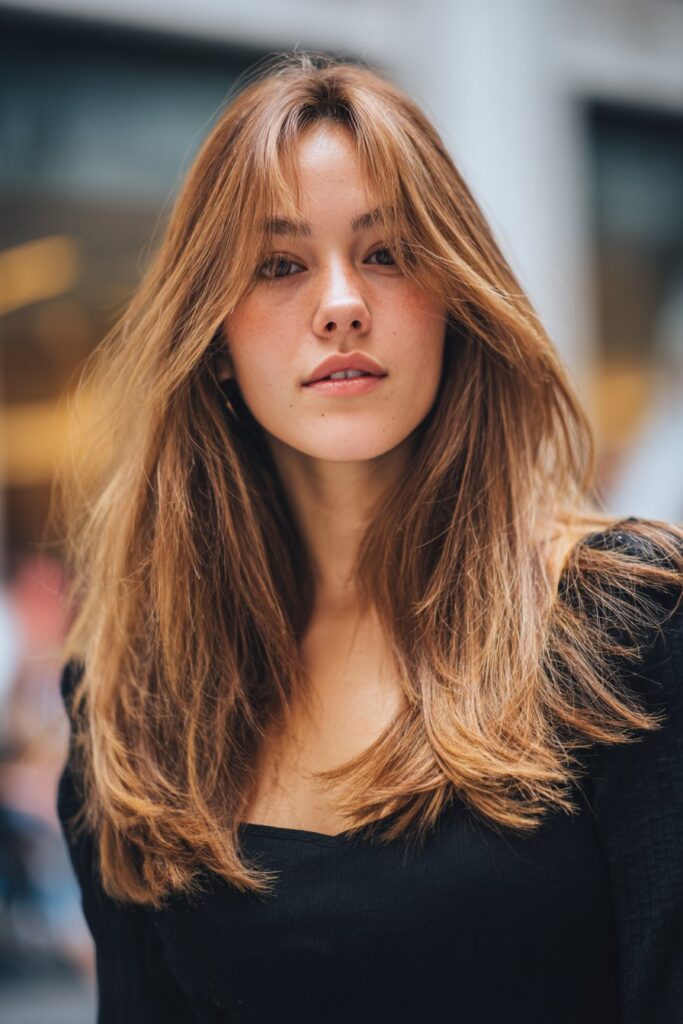
When clients ask me about creating drama without sacrificing length, the V-cut becomes my go-to recommendation. This heavily layered cut forms a sharp “V” shape at the ends, creating a striking visual that photographs beautifully from behind. The angular design doesn’t just look bold; it creates the illusion of a slimmer waist, which my clients adore.
What sets this apart from other medium length layered haircuts is the intentional angularity. Hair tapers at a steep diagonal around the face before continuing to the back, where strands meet to form that distinctive pointed shape. This technique adds dimension, depth, and movement with minimal effort, transforming static hair into something dynamic.
Best Hair Types for V-Cut Layers
The V-shaped design technique works beautifully for medium to coarse hair types. I’ve used this cut countless times on thick-haired clients who want length without overwhelming weight. The layering reduces bulkiness while maintaining fullness, and the angular cut removes excess density from strategic sections.
Wavy and curly textures benefit tremendously, as layering keeps curls in place. Straight hair showcases the V-point most dramatically, accentuating the sharp lines. Fine hair requires careful consideration; I recommend this primarily for those seeking volume through layers starting from the top.
How to Style V-Cut Medium Hair
Straightening your hair highlights the V shape most effectively. Subsequently, create waves or loose curls for a softer, textured appearance. I tell clients that bed-head styling defines the layers beautifully while maintaining a low-maintenance esthetic.
Deep conditioning maintains length and shine. Schedule trims every six to eight weeks to preserve the sharp point.
Why This Works for Every Face Shape
Square and oblong faces look particularly striking with V-cuts, as layers frame and define facial structure perfectly. The angular nature balances features on heart-shaped faces, adding sharpness where needed.
Shaggy Layers
What Makes This Cut Special
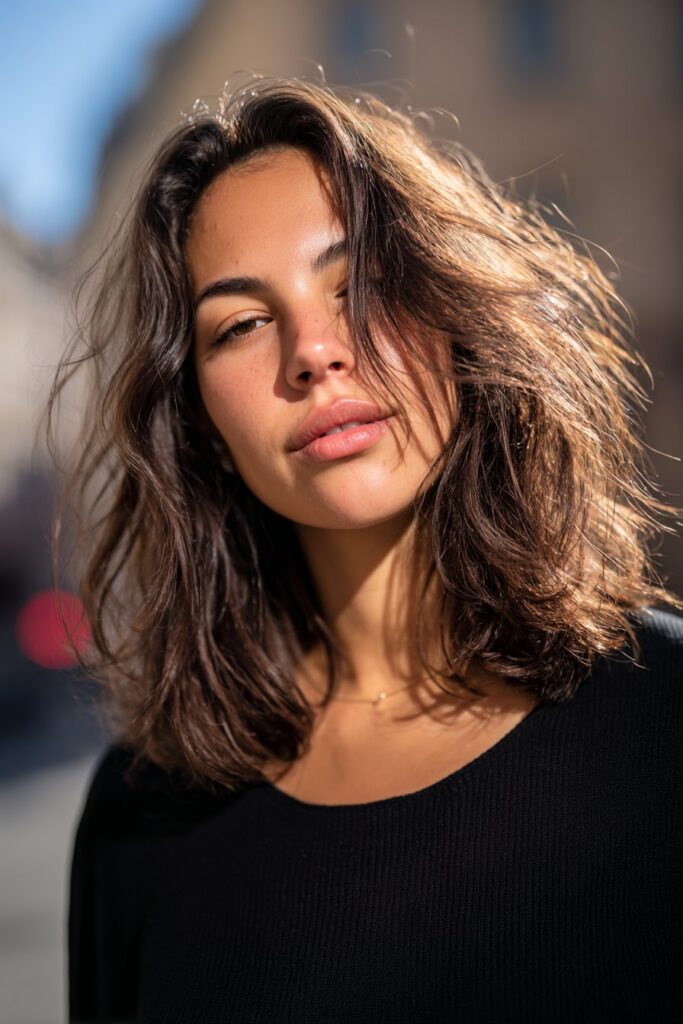
The shag carries rock star DNA from the 1970s, and I’ve watched it evolve into something both nostalgic and remarkably current. This cut features short, choppy layers concentrated around the crown, creating abundant volume. What makes it special is the deliberately disheveled appearance that somehow looks polished and effortless simultaneously. The layers are cut slightly shorter than the rest of your hair, framing your face while adding serious texture.
Shags work with all hair textures and types. When asking your stylist for a medium-length shag, request an angled and layered cut and bring inspiration images. For curlier textures, I work with the curl pattern to ensure layers fall correctly, often adding shorter bangs to make curls pop.
Best Hair Types for Shaggy Layers
I give clients with straight, finer hair shags frequently since the cut provides significant volume. By keeping layers slightly longer, the cut channels a 70s, boho chic vibe. Thick hair benefits from the volume-on-top structure, while the choppy nature prevents heaviness.
Curly hair thrives with shags, particularly when layers are customized to your curl pattern. The versatility means this cut adapts beautifully whether you have waves, coils, or pin-straight strands.
How to Style a Shag Cut
Air drying enhances natural texture. After washing, apply texturizing products to damp hair and let it dry naturally for that signature lived-in look. For added volume, I use volumizing mousse, while sea salt spray creates beachy texture.
Blow dry with a wide, flat brush and touch up lightly with a curling iron as needed. I suggest washing with shampoo only, as conditioner leaves hair too silky to create proper volume. Limit heat styling between washes and use dry shampoo to refresh roots.
Why This Works for Every Face Shape
The shag looks great on almost every face shape. For round faces, opt for a longer shag that elongates rather than covers features. Medium-length shags are particularly flattering for oval face shapes. The ample layers require maintenance but deliver that coveted laid-back esthetic.
Swoopy Layers
What Makes This Cut Special
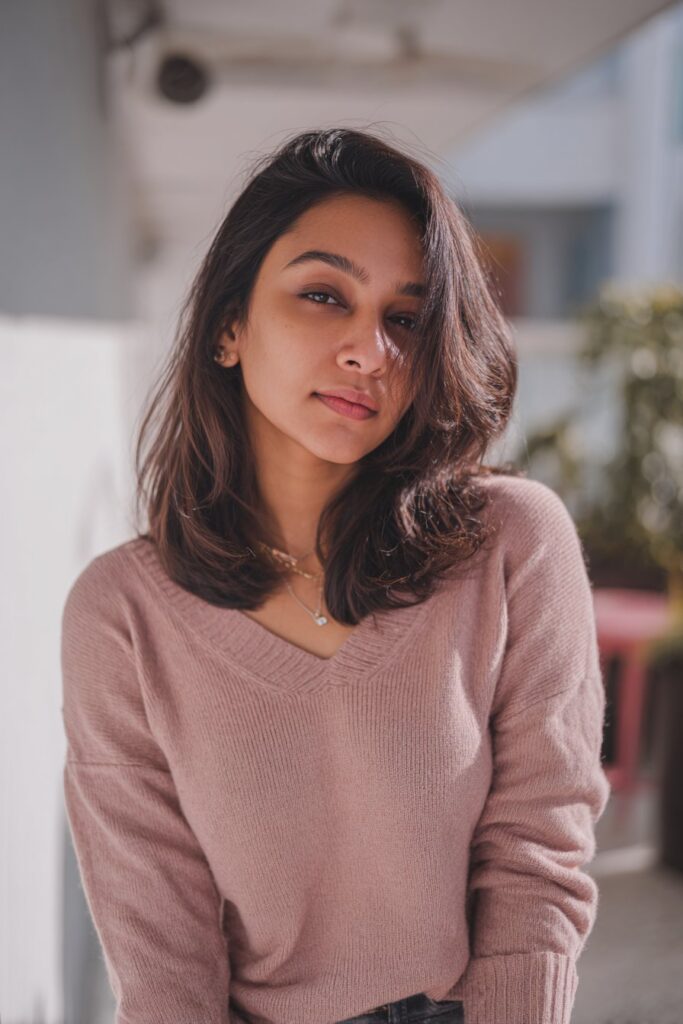
Swoopy layers create that gorgeous dimensional quality where hair appears sleek yet moves with every turn of your head. The bigger the hair, the better the swoop works. I fell in love with this technique when styling a bride who wanted volume without heaviness. The layers are dimensional yet smooth, giving hair a polished finish while maintaining natural movement.
What distinguishes swoopy layers from other techniques is how they add definition to mid-length hair without creating harsh lines. The swooping motion creates curves that flow rather than chop, resulting in a sophisticated silhouette. Likewise, this style pairs beautifully with feathered layers when you want that seamless blend throughout your cut.
Best Hair Types for Swoopy Layers
Hair with natural volume and texture thrives with swoopy layering. I recommend this cut particularly for clients whose hair holds a bend or wave naturally. Straight hair also benefits, especially if you’re wearing a bob length. The swoopy technique enhances the bob’s structure while adding that coveted movement.
This style works great on nearly every face shape but shines particularly well if your shape is long or oval. The horizontal swooping motion balances proportions beautifully.
How to Style Swoopy Medium Hair
A blow out makes swoopy layers look incredible. Subsequently, use a large round brush to emphasize the curves while directing hair away from your face. The swooping motion during styling reinforces the cut’s natural flow.
Why This Works for Every Face Shape
The versatility comes from how swoopy layers frame without overwhelming features. Long faces benefit from the width created by outward curves, while oval faces can experiment with placement freely.
Subtle Ghost Layers
What Makes This Cut Special
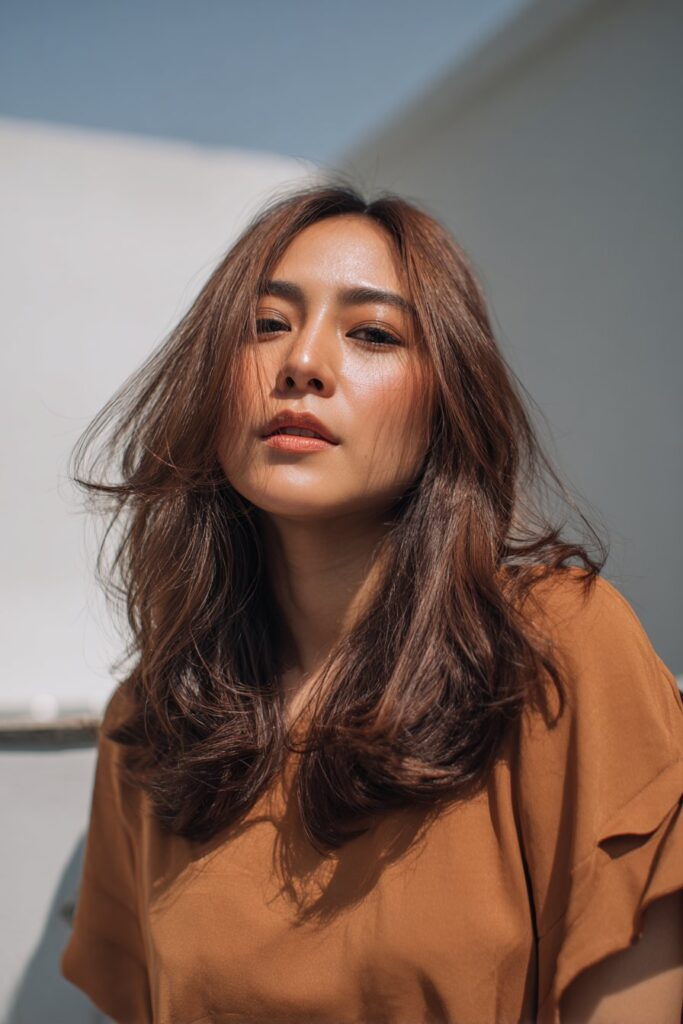
Ghost layers solve a problem I hear constantly: wanting movement without visible layers. This technique creates subtle layered texture without losing length. The approach involves cutting into hair at an angle, creating soft layers barely visible to the naked eye. In essence, you get the happy medium between a blunt haircut and a shag.
The technique isolates a halo, diamond, or star section through the top of the head, layering with an inversion or square layer technique. Because the shortest layers don’t connect to the longest point, you avoid maximum weight removal like traditional layering. Ghost layers enhance your natural texture rather than creating obvious, choppy sections. On most face shapes, it’s about elevating what’s already there.
Best Hair Types for Ghost Layers
Fine hair gains volume and movement while keeping ends fuller-looking. Ghost layers prevent thin hair from appearing sheer at the tips. Correspondingly, thick hair benefits as the technique removes weight while maintaining healthy, full length. The layers blend naturally into the rest of your hair.
Short hair and very curly hair may want to avoid this technique. For copious amounts of thick hair needing maximum weight removal, traditional layering works better.
How to Style Subtle Layers
Style ghost layers super sleek and straight or with bouncy waves. Both options enhance the flowing, cascading movement. Apply volumizing mousse to roots after blow-drying to prolong the style.
Why This Works for Every Face Shape
Ghost layers can be customized to suit any face shape. The technique adds shape and volume without drastic changes, making it universally adaptable.
Textured Razor Cut Layers
What Makes This Cut Special
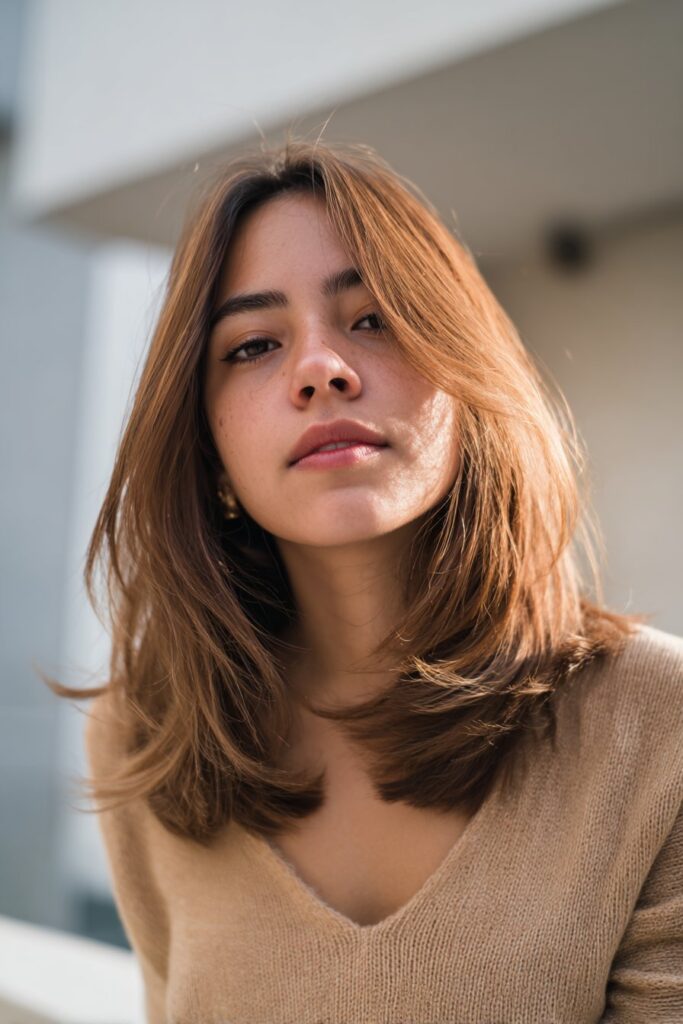
Razor cutting transformed how I approach texture creation. The straight-edge razor blade slices hair at an angle, creating beveled ends that produce wispy, textured strands. This technique removes weight from ends for a piecey, lived-in look while thick hair moves rather than stays stiff. As a matter of fact, razors add texture, volume, and movement that scissors simply can’t replicate.
When done properly, razor cuts become game changers for hairstyles requiring texture and volume. The razor creates softness throughout while removing bulkiness. For instance, I use razors to build texture and movement much more quickly than scissors.
Best Hair Types for Razor Cut Layers
Razor cuts work best on healthy hair looking to add volume, whether fine, coarse, thin, or thick. Straight and wavy hair are excellent candidates. Correspondingly, shorter cuts like bobs and shags benefit tremendously from the pieceyness and volume razors create.
Curly hair should avoid razor cuts as the technique can disrupt tight curls and cause frizz.
How to Style Razor Cut Hair
Styling becomes easier because razor-cut hair has built-in movement and texture. The cut works with your natural hair pattern whether you air-dry, curl, or straighten.
Why This Works for Every Face Shape
Face-framing razor layers, sometimes called “petals,” hug cheekbones and jawlines to make features pop in flattering ways.
Two-Tier Layers
What Makes This Cut Special
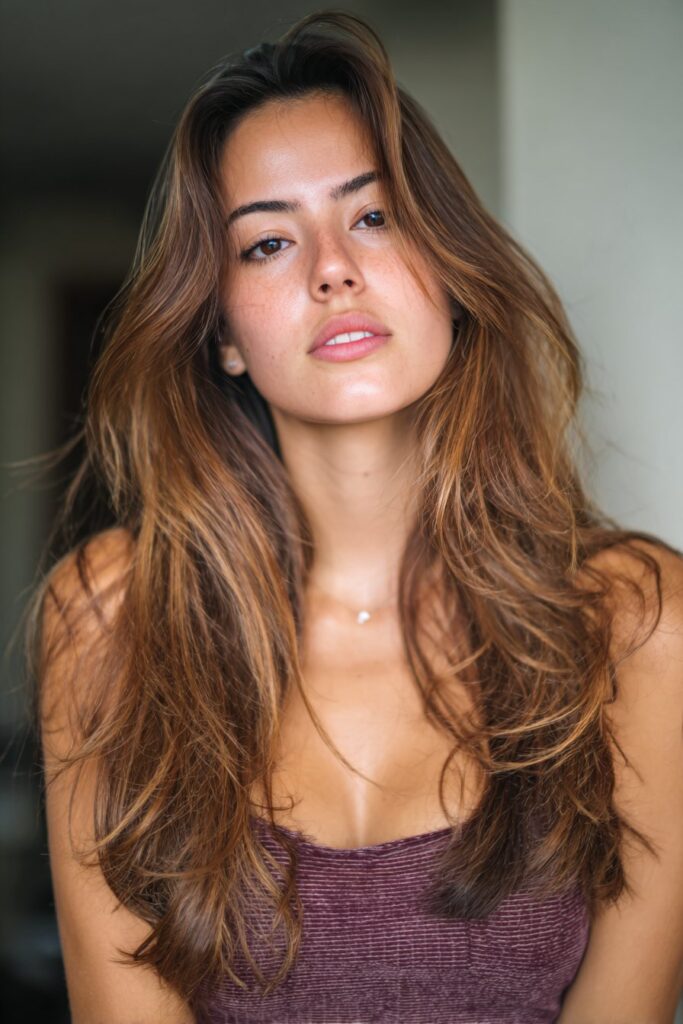
Two-tier layering offers something refreshingly different in a world of heavily sectioned cuts. This unorthodox approach uses only two tiers of layers, creating dimension without that fully sectioned appearance. For instance, where other cuts might feature four or five distinct layers, this style keeps things minimal and intentional.
The butterfly cut exemplifies this technique perfectly, with two tiers of layers delivering volume at the crown while softly framing your face. What I appreciate most is how this shoulder length layered style creates interest without overwhelming your natural hair pattern.
Best Hair Types for Two-Tier Layers
Thick hair responds exceptionally well to this technique. The layers hold their shape beautifully and add much needed movement to otherwise blocky textures. Subsequently, the well-balanced cut with seamless layers works great for most hair textures.
How to Style Two-Tier Medium Hair
Styling becomes straightforward with two-tier layers. A straightening iron creates sleek definition, while a blow dryer with a round brush builds volume. The simplicity of having just two tiers means less time spent perfecting each section.
Why This Works for Every Face Shape
Medium layered haircuts flatter all women. The two-tier structure offers styling versatility while remaining practical for daily wear. Compared to heavily layered cuts, this approach saves you from daily styling headaches.
U-Shape Layers
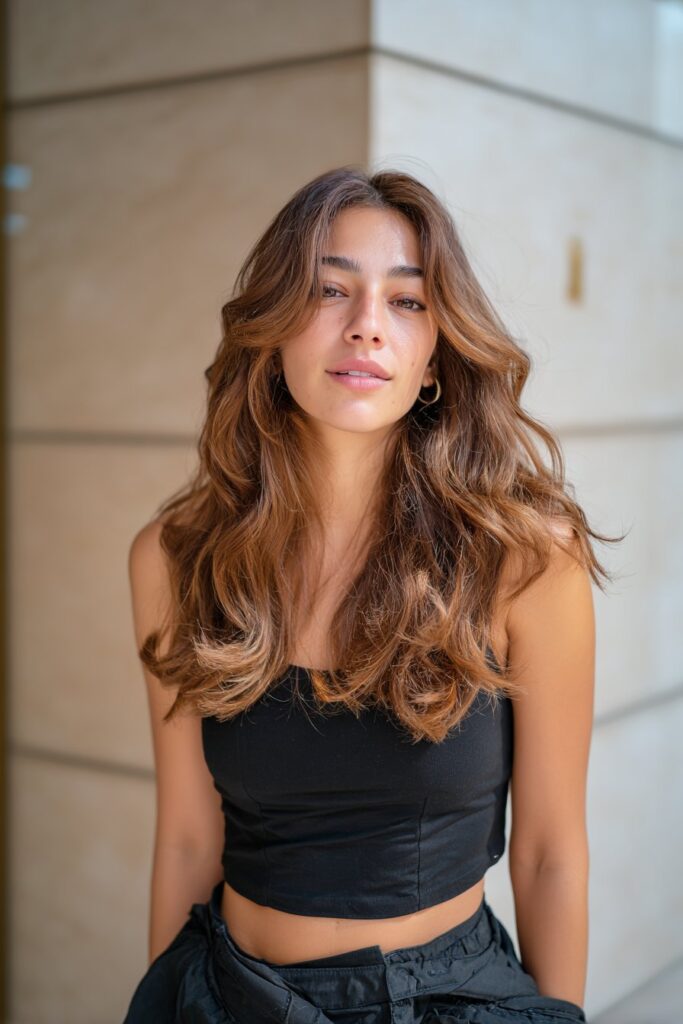
What Makes This Cut Special
Rounded edges distinguish this cut from its sharper cousin, the V-shape. The U-shaped haircut creates a subtle arching in back while the sides offer slightly curved layers. Given that the overall esthetic stays subdued with no harsh lines, this becomes perfect when you want movement and shape without sacrificing length. The soft curves make hair look much fuller, which I’ve seen transform countless clients who felt their hair lacked body.
Best Hair Types for U-Shape Layers
Fine hair benefits tremendously as the cut adds volume, depth, and natural movement. In fact, thick curly hair also thrives with this style since subtle layering reduces weight while maintaining overall volume. Wavy hair on the thicker side particularly shines, as layering prevents dense strands from looking too heavy.
How to Style U-Shape Medium Hair
Use a round brush and blow-dryer to create face-framing curves. Subsequently, schedule trims every three months, though faster-growing hair needs attention every four to eight weeks.
Why This Works for Every Face Shape
Face-framing layers instantly give hair movement and beautifully contour to highlight any face shape. The rounded design flatters universally while the customizable face-framing strands create that polished finish.
Curtain Bangs with Layers
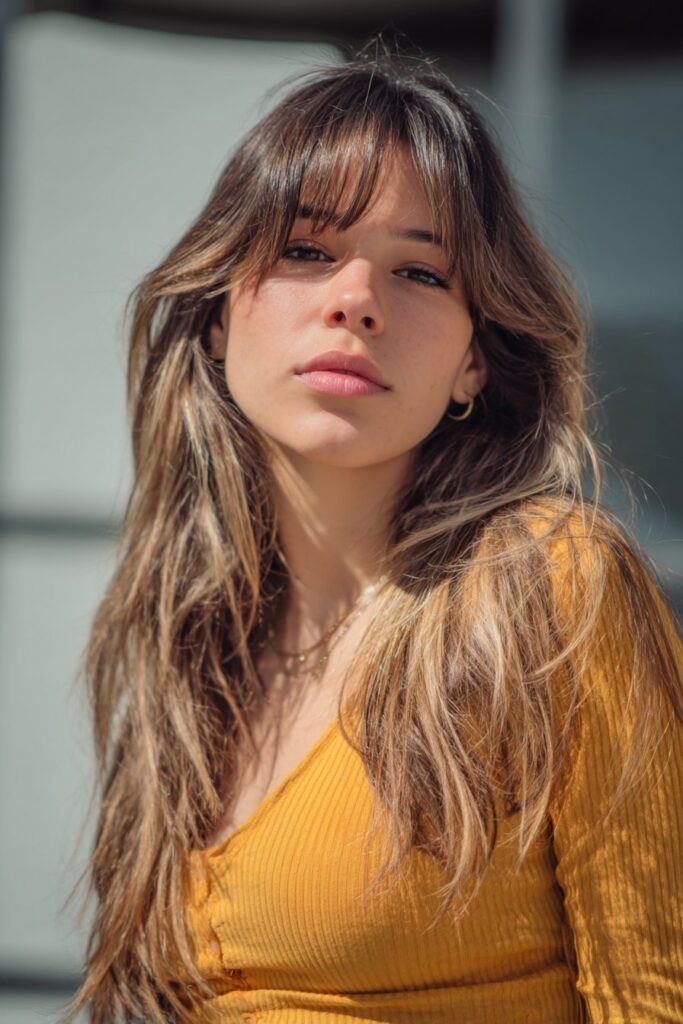
What Makes This Cut Special
Curtain bangs paired with layers became one of my most requested combinations after a client showed me a photo and said, “I want change without commitment.” This style starts high in the center and gently sweeps towards the sides, creating that effortlessly cool fringe parted down the middle or just off-center. Unlike blunt bangs that can feel severe, curtain bangs are lightweight and wearable, blending seamlessly into your layered medium length hair.
What I love about combining curtain bangs with layers is the dimension it creates. The bangs frame your face while layers add movement throughout, resulting in a cohesive style that feels both polished and lived-in. In essence, you’re getting the best of both worlds: face-framing softness with body and texture.
Best Hair Types for Curtain Bangs
Curtain bangs work with just about any face shape, hair type, and length. For fine hair, I bring enough hair forward for the cut to prevent sparse-looking bangs. Thick hair requires keeping the fringe length slightly longer so it blends beautifully into face-framing pieces.
Curly hair clients should come to the salon with natural texture intact so I can cut the fringe dry, ensuring the length stays shaggy and long enough for that curtain effect. For textured or coarse hair, I use texturizing shears to create wispy, light ends. Wavy hair adapts beautifully, though I always discuss styling options beforehand to determine the best cutting technique.
How to Style Bangs with Layers
Styling curtain bangs takes minimal effort once you establish a routine. For more volume, use a round brush while blowing the nozzle upward on the bangs as you curl with the brush. Air-drying works wonderfully for a textured look. For straight and wavy hair especially, I blow-dry hair straight down with a flat brush, then use a round brush held vertically to flick bangs up.
For longer, cheek-grazing curtain bangs, I use a medium to large round brush, blowing the whole section forward to maximize volume, then sweeping ends back and out to frame the apples of the cheek. Setting the section in velcro rollers creates long-lasting volume. Curly hair can air dry naturally, but for extra definition, finger coil or do two-strand twists on damp hair before using a diffuser on cool, low speed.
Curtain bangs require regular trims every couple of weeks and daily refreshing for maximum impact. If your bangs get greasy between washes, dip them in the sink with shampoo for a quick refresh, then use a round brush to blow dry.
Why This Works for Every Face Shape
While curtain bangs flatter all face shapes, heart-shape, round, and rectangle faces pull off this look best. For round faces, longer curtain bangs that start around the cheekbones create the illusion of vertical length. Square faces benefit from a slightly shorter center that feathers out gently, balancing facial angles. Oval faces are most adaptable and can wear almost any version. Heart-shaped faces look balanced when bangs begin just below the brow and sweep outward.
For round or square faces, the elongating effect makes features appear more oval-shaped. Long faces gain width from curtain bangs, balancing elongated proportions with fuller, voluminous bangs starting higher on the forehead. Diamond-shaped faces benefit from the softness curtain bangs add, drawing attention to striking cheekbones.
Conclusion
Now that you’ve explored these 12 gorgeous hairstyles for medium length hair with layers, it’s time to find your perfect match. What I love most about medium-length layered cuts is their incredible versatility. Whether you have fine, thick, curly, or straight hair, there’s a layered style that will transform how you feel about your hair.
Consequently, don’t be afraid to experiment with different techniques. Start with face-framing layers if you’re hesitant about commitment, or go bold with choppy textures for maximum impact. The right layers can completely change your daily routine and boost your confidence.

Elsa Claire is the founder and editor of ElsaClaire.com, where she writes about hairstyles, hair care, and the everyday routines that help real people feel good about their hair.