Twist out hairstyles have become one of my most requested looks, and honestly, I get it. There’s something magical about unraveling those twists to reveal gorgeous, unified waves that work beautifully across different curl patterns. Throughout my years styling natural hair, I’ve watched twist outs emerge as the perfect protective style that enhances definition without any heat damage. What is a twist out exactly? It’s a technique where you twist sections of hair, let them set, then unravel for stunning results. Whether you’re exploring natural twist out hairstyles for the first time or searching for cute twist out hairstyles to refresh your routine, I’m sharing 15 twist out styles on natural hair that’ll transform your look.
What is a Twist Out and Why It’s Perfect for Natural Hair
During my years at the salon, I’ve walked countless clients through their first twist out, and the concept clicks once they see the process. A twist out is a styling technique where you section damp hair and twist those sections into two-strand twists. After the hair dries completely, you unravel each twist to reveal a defined, voluminous curl pattern. The beauty lies in how it showcases your natural texture without relying on heat or harsh chemicals.
The process starts with clean, conditioned hair. You apply your styling products, then twist each section from root to tip. Some clients prefer chunky twists for loose waves, while others go for mini twists to achieve tighter, more defined curls. For instance, I often recommend flat twists for clients who want root definition that sits closer to the scalp.
Benefits for Natural Hair
Natural hair thrives with twist outs, and I’ve seen the difference firsthand. The style offers advantages that keep my clients coming back:
- Low manipulation: Once twisted, your hair rests without daily combing or brushing
- Defined curls: You get structured, lasting curl definition that holds up better than many wash-and-go styles
- Versatile styling options: Wear it down, pin it up, or blend it into updos and buns
- Customizable volume: Twist size determines your final look, from tight springy curls to loose flowing waves
Twist outs adapt beautifully whether you have short hair needing fuller texture or longer coils seeking length definition and bounce.
Why Twist Outs Are Trending in 2026
The protective styling movement has gained serious momentum, and twist outs sit at the center. Natural hairstylist Shalace Brown advocates for twist outs because they protect hair against breakage and help retain moisture. Moreover, this low-maintenance style gives our hair a break from constant manipulation. Length retention has become a priority for my clients, and twist outs deliver accordingly, limiting the need for frequent trims.
Classic Two-Strand Twist Out
What Makes It Timeless
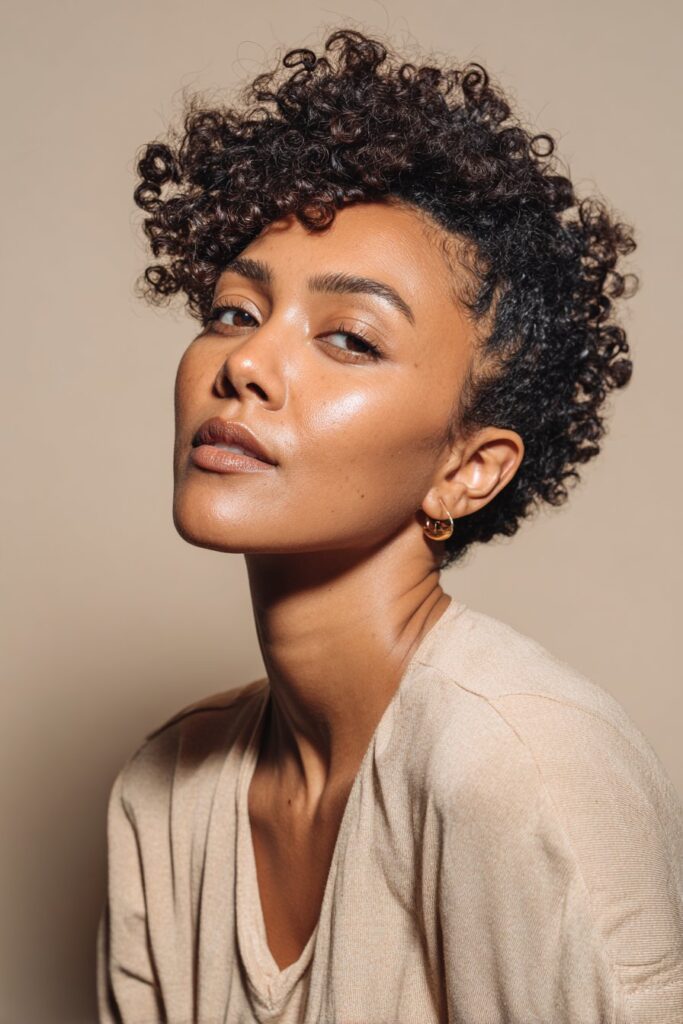
I remember the first time a client asked me about two-strand twist outs back at my Charleston salon days. She wanted something protective yet stylish, and this technique checked every box. The classic two-strand twist out remains timeless because it’s protective by nature, shielding your ends from damage while promoting healthy growth. Unlike styles requiring hot tools that cause split ends and breakage, this method keeps your hair tucked safely away.
What sets it apart is how low-manipulation it truly is. Your scalp and strands don’t face the stress that comes with daily styling. Accordingly, I’ve watched clients retain length they’d struggled to keep before. The versatility factor matters too. Whether you have short curls or longer coils, the style adapts beautifully, and once unraveled, you’re set with another look for the week.
How to Style It
I always start clients with clean hair, using a co-wash to lock in moisture. After letting hair air dry partially (thick hair benefits enormously from this step), I section it into four parts using a T-shape pattern. Here’s where personal preference comes in. I create a side part rather than center, positioning hair exactly how I want the final style to lay.
Take coconut oil in your palms, rub it through each section, then gently detangle with fingers. For each twist, apply a fingertip worth of styling product from root to tip. Smaller twists create more defined curls, while larger sections yield looser waves. At the ends, I add extra moisturizer to seal everything in.
Let twists dry completely before unraveling. Rushing this step causes frizz and kills definition.
Best For
This style works across various hair types and textures. I recommend it for anyone seeking protective styling without extensions or clients wanting to showcase natural curl patterns after unraveling.
Maintenance Tips
Moisturize with leave-in conditioner daily to prevent dryness. Sleep with a satin or silk scarf to minimize friction. Avoid constant touching throughout the day, as manipulation causes frizz and breakage. The style lasts one to two weeks when properly maintained.
Mini Twist Out for Maximum Definition
What Makes It Special
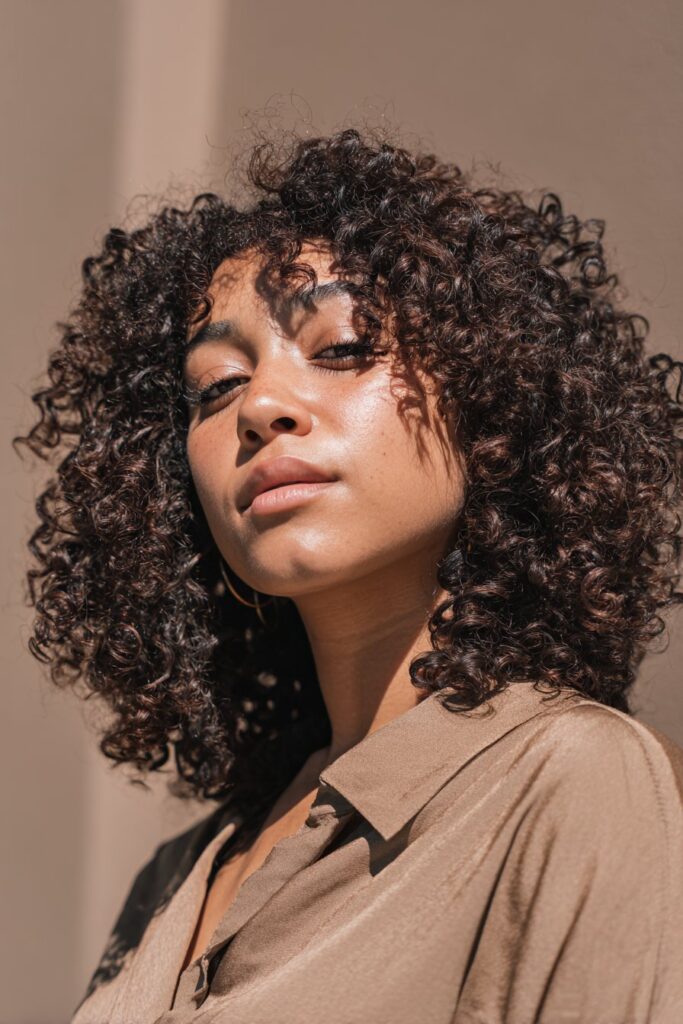
When clients ask me how to achieve the sharpest definition possible, I point them straight to mini twists. The technique went viral on TikTok back in April 2023, racking up over 65.8 million views, and for good reason. Mini twists create the most defined twist outs possible, owing to their small, uniform sections that produce consistent curl patterns with minimal frizz.
The ideal twist size sits at the width of a pencil. These smaller sections create tighter curls that hold their shape beautifully and resist humidity better than their chunky counterparts. I’ve watched mini twist outs last 5-7 days on my clients, maintaining their bounce long after larger twists would’ve fallen flat. As a protective style before unraveling, mini twists can stay in up to four weeks, giving your hair a much-needed break from manipulation.
How to Style It
I always begin on freshly washed hair that’s been deep conditioned. Apply a generous amount of leave-in conditioner and detangle thoroughly from ends to roots. Divide your hair into four to six sections for easier management.
Using a rat-tail comb, create small sections throughout each quadrant. You’ll end up with around 100 twists or more depending on your hair density. Apply curl elongating gel to each parted section. Start with a three-strand plait at the root, then divide into two equal sections and twist from root to tip. Here’s what matters: don’t borrow hair from neighboring sections. This prevents frizz during takedown and keeps each twist defined.
Seal everything with a lightweight hair oil once you’ve finished twisting.
Best For
Mini twist outs work across various natural hair textures, specifically those seeking maximum curl definition and long-lasting results. The style suits anyone wanting a protective option without extensions.
Maintenance Tips
Moisturize your twists one to two times weekly with a hydrating mist. Nourish your scalp with strengthening oil to prevent itching. Sleep with a satin bonnet to reduce friction. If you’re keeping twists in beyond three weeks, refresh them by shampooing, conditioning, and retwisting any frizzy sections.
Chunky Twist Out for Volume cand Fullnes
What Makes It Special
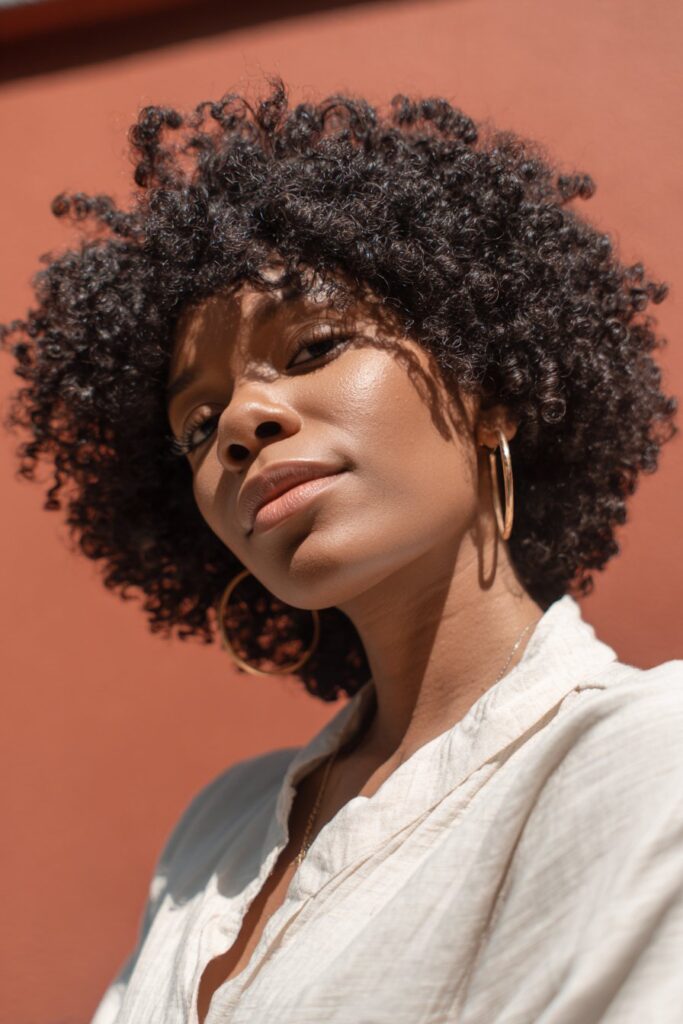
A bride came to me last spring with shoulder-length hair, worried she wouldn’t have enough volume for her wedding photos. I showed her chunky twist outs, and her face lit up. These twist out hairstyles create bigger sections that deliver exactly what their name promises: serious volume and fullness.
Chunky twist outs use larger two-strand twists compared to their mini counterparts. You can twist your hair in as few as 6 to 8 sections to achieve this style, depending on your hair’s thickness and texture. The result? That coveted “big hair” look without any teasing or backcombing. Equally important, the style works whether you start with dry or wet hair, making it quick and easy for DIY enthusiasts.
What I appreciate most is how chunky twist outs offer low manipulation while creating beautiful, voluminous results. You can keep these twists in for about two weeks as a protective style, then unravel them for another week of wear.
How to Style It
Start on freshly washed, blow-dried hair using medium heat rather than high to minimize damage. Focus on tension instead of excessive heat to stretch your strands. Apply a lightweight leave-in conditioner first, followed by heat protectant.
Section your hair into roughly 20 parts for balanced volume. Work mousse through each section before twisting from root to tip. Go light on the mousse to prevent reverting. Let twists dry completely before unraveling.
Best For
This style suits anyone wanting voluminous, bouncy hair quickly. Works across all hair lengths, from short crops needing fuller texture to longer coils seeking dramatic body.
Maintenance Tips
Retwist your hair nightly using oils or your favorite styling product. Alternatively, sleep in pineapples or loose ponytails to preserve the style. Always use a silk bonnet or scarf. Remoisturize twists if keeping them in beyond three days.
Flat Twist Out with Root Definition
What Makes It Special
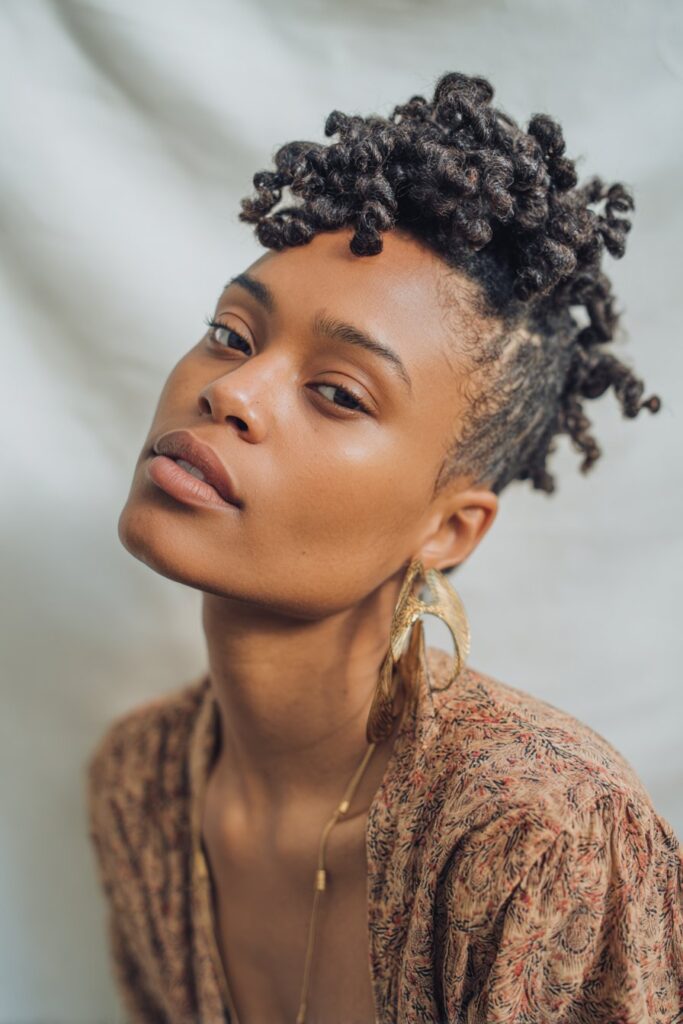
During my apprenticeship in New York, I spent an entire week perfecting flat twists under my mentor’s watchful eye. She insisted I understand the difference between regular twists and this technique, and once I mastered it, I understood why. Flat twist outs deliver definition right down at the roots, something that sets them apart from traditional twist out styles on natural hair.
The technique resembles cornrowing, where you twist two sections while laying them flat against your scalp. This creates a sleek, structured appearance with tension that produces better elongation. For clients seeking polished, sophisticated looks, flat twists create intricate patterns and shapes that standard twists cannot achieve. Starting with flat twists at the roots before transitioning into two-strand twists prevents puffiness as hair dries.
How to Style It
I begin on damp or stretched hair to control flyaways and set the curl properly. Section hair into 8-10 parts depending on your desired pattern. At the hairline, split each section into two parts, then wrap them around each other using the same motion as two-strand twists, pulling hair back with enough tension to stay taut without causing pain.
Smooth strands with a brush before twisting to prevent frizz and uneven texture. The twists must lay completely flat against your head for uniform definition. Roll ends with perm rods or bobby pins to keep them sealed and curled. Let hair dry fully before unraveling. Air drying works best, though you can use a blow dryer if needed.
Best For
This style suits anyone wanting structured definition with prominent root control. Inasmuch as the technique requires more skill than standard twists, it rewards you with that polished, editorial finish.
Maintenance Tips
Sleep with a silk scarf to protect your work overnight. The style lasts 1-3 weeks with proper care. Spritz with water-based leave-in conditioner weekly, sealing with natural oils like argan or jojoba. Retwist sections losing definition rather than redoing everything.
Half-Up Half-Down Twist Out
What Makes It Special
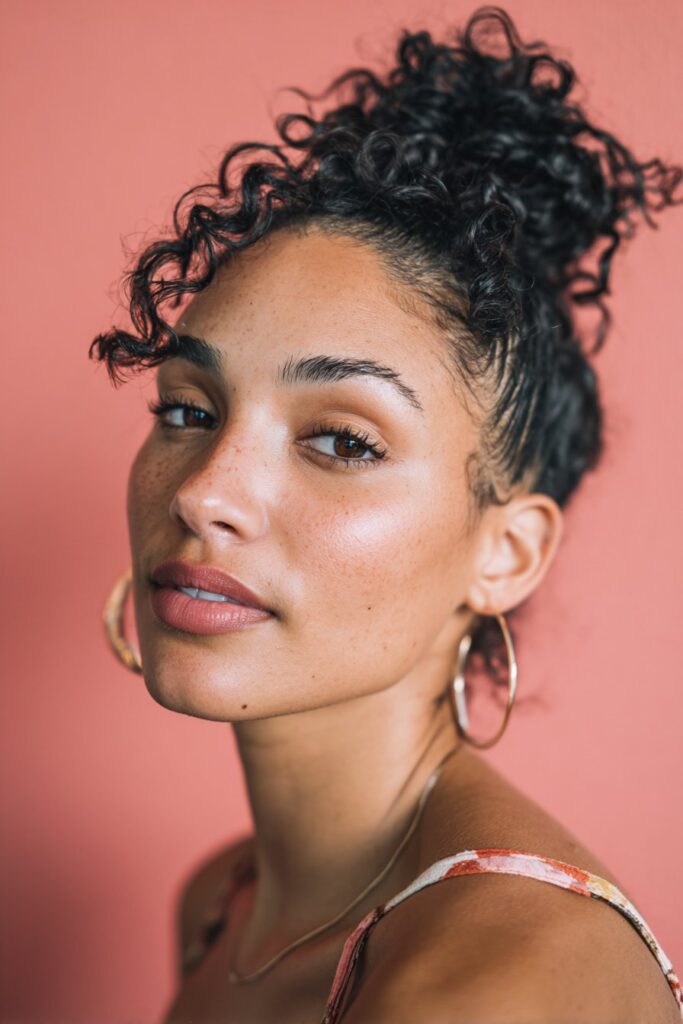
Styling a photoshoot last fall, the model had a gorgeous twist out but needed something more dynamic for the camera. I pulled the top section up, left the rest cascading down, and suddenly the whole look transformed. Half-up half-down twist out hairstyles strike that sweet spot between the polish of an upstyle and the ease of wearing your hair down. This balance makes them less formal than a full updo yet more special than simple curls.
The versatility gets me every time. You can customize this look with braids, twists, or knots, making it perfect for everyday wear or occasions where you want something elevated without being too dressed up. Particularly for twist outs that have already set beautifully, pulling the top half back showcases your definition while keeping hair off your face.
How to Style It
Start with your completed twist out. Take a section from one temple and twist it upward toward the crown of your head, securing with bobby pins. Repeat on the opposite side, but before pinning, tuck the ends of this second twist under the first twist you secured. Then take the ends from the first twist and tuck them into the second for that finished, interwoven appearance.
Pull a few face-framing pieces loose in front to soften the look. Finish with hairspray to lock everything in place.
Best For
This style suits anyone with an established twist out wanting to switch things up without restyling from scratch. Works across all hair lengths and textures.
Maintenance Tips
Sleep with a bonnet to preserve the style overnight. Keep your hands out of your hair as much as possible. The less you manipulate it, the longer your definition holds.
Side-Swept Twist Out

What Makes It Special
One of my makeup artist friends once told me that side-swept hairstyles photograph better than centered styles because they create natural dimension. After years of styling shoots, I completely agree. Side-swept twist outs are perfect for any occasion, bringing all that gorgeous definition over one shoulder for added volume. The asymmetry adds a playful element that works whether your hair is straight, wavy, curly, or braided.
What I love most is how this style transforms an existing twist out without any restyling. You’re simply repositioning what you already have, yet the final look reads as intentional and polished. Your hair needs to reach at least slightly beyond your shoulders for this to work, but once it does, you’re set for everything from casual brunches to formal events.
How to Style It
Brush all your twist out hair over one shoulder. Create a deep side part on the opposite side of where you want the bulk to fall. Take the section directly in front of your ear and twist it toward the back, pinning it to hide any visible bobby pins. You can secure everything with nearly invisible thin pins or enhance the look with decorative hair accessories.
For added romance, pull a few face-framing tendrils loose. The whole process takes about 10-15 minutes.
Best For
This style suits anyone with twist outs reaching shoulder length or longer who wants versatile styling options for different occasions.
Maintenance Tips
Sleep with a bonnet to prevent friction and hold your style. Hair oil gives extra shine without daily application. Keep your hands out of your hair as much as possible to preserve definition. With proper care, the style lasts 3-5 days.
Pineapple Twist Out Updo
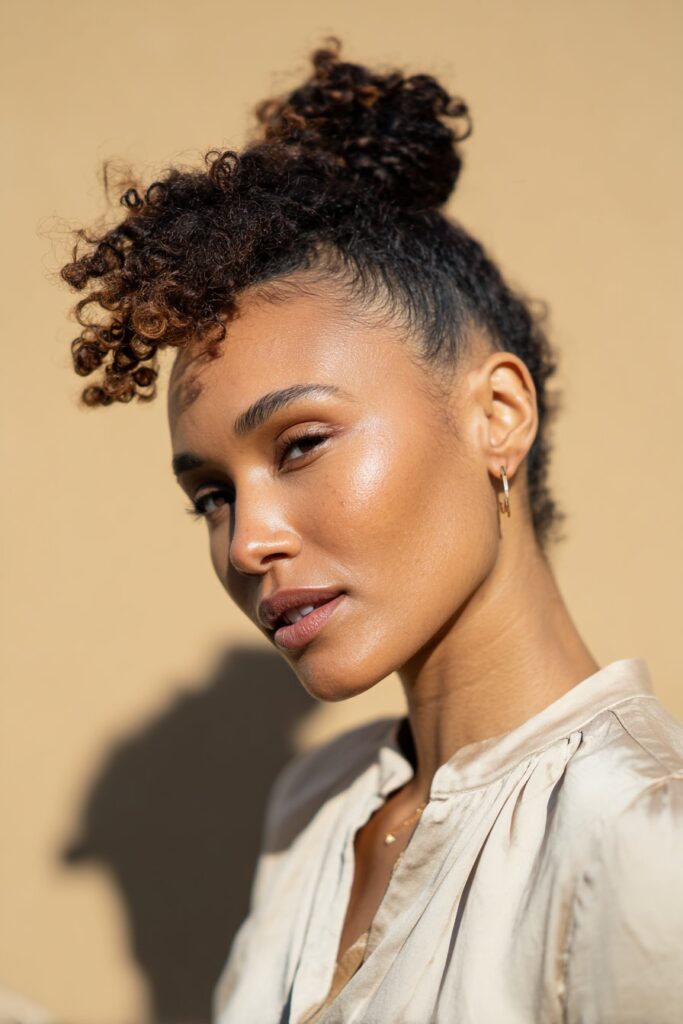
What Makes It Special
Running late for a meeting last Tuesday, I needed something fast that wouldn’t flatten my three-day-old twist out. The pineapple updo saved me. This style takes just minutes to pull together, working beautifully on twist outs, braid outs, or any style needing a refresh. What makes it perfect for natural hair is how it keeps hair out of your face while preserving volume and texture.
The pineapple updo strikes a balance between relaxed and sophisticated. You can dress it up or down depending on the occasion. Particularly for protective styling, it keeps ends tucked away, preventing breakage and retaining moisture.
How to Style It
Flip your head forward and gently gather hair at the crown. Use a soft scrunchie to secure loosely. Don’t wrap too tight, as you want volume without tension on your edges. Fluff curls forward and around until they fall how you like. Pin sections down for more shape if desired.
Best For
Anyone needing a quick updo on existing twist outs. Works across various hair types and lengths.
Maintenance Tips
Sleep with a satin bonnet to preserve the style. Keep hands out of your hair to minimize manipulation and frizz.
Twisted Bantu Knot Out Hybrid
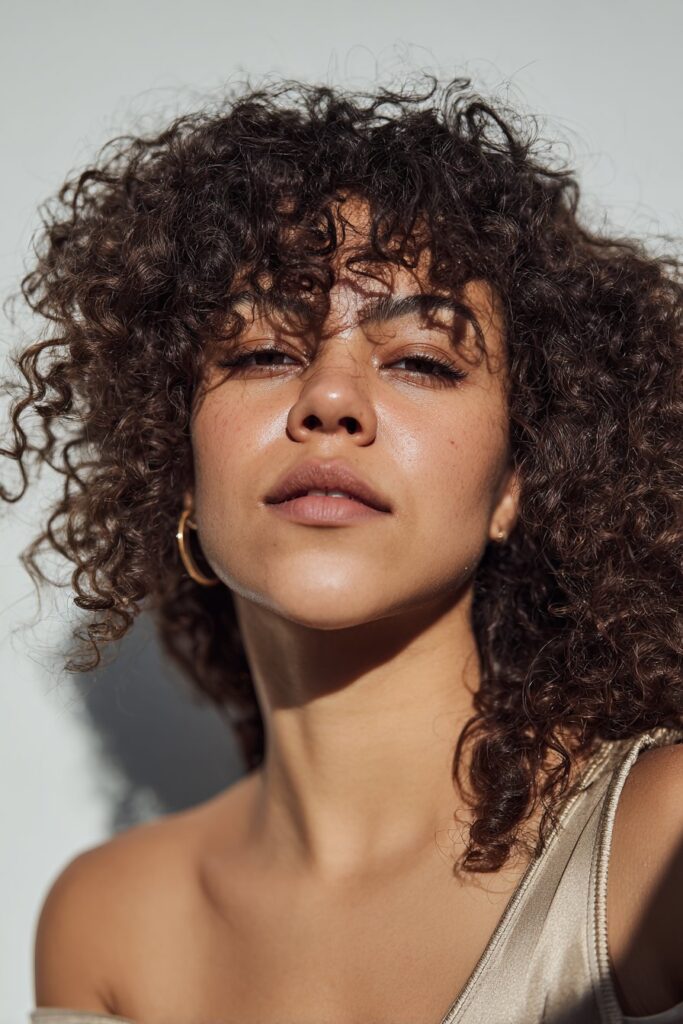
What Makes It Special
Experimenting with different curl techniques during my New York training, I stumbled upon this hybrid method that changed everything. Twisted Bantu knot outs combine two-strand twists with Bantu knots, creating tight springy “curly q” curls rather than the looser waves you’d get from standard twist outs. Since the hair is twisted then wrapped into knots, you achieve tighter ringlets with vertical lift.
What makes this technique brilliant for natural hair is how it blends textures beautifully. Clients transitioning between textures find this style particularly helpful for creating uniform curl patterns.
How to Style It
Start with damp hair, not soaking wet. Apply moisturizer and styling gel to each section. Create 12-25 two-strand twists depending on your desired curl tightness. Once twisted, wrap each twist around itself clockwise into a knot. Secure with bobby pins if needed.
Let knots dry completely. Air drying takes 24-48 hours, though sitting under a dryer speeds things up. Apply oil to your hands before unraveling to prevent frizz.
Best For
Anyone wanting tight, defined curls across all hair types and textures.
Maintenance Tips
Sleep with a satin scarf. The style lasts 3-7 days, potentially 1-2 weeks with proper care. Refresh with light misting spray as needed.
Low Bun Twist Out
What Makes It Special
Last week, my five-day-old twist out needed rescuing before an evening event. A low bun saved the day. This style transforms aging twist outs into sleek, polished looks when wash day can wait. Low buns work as both elegant updos and practical everyday styles, keeping hair off your face while maintaining that cute, protective element.
What makes this particularly brilliant for natural hair is how it extends your twist out’s life. Rather than starting fresh, you gather existing definition into a sophisticated bun that looks intentional. The style suits various occasions, from professional settings to casual outings.
How to Style It
Gather your twist out into a low ponytail at the nape. Split the ponytail into two equal sections and twist each tightly. Wrap the first twisted section around the ponytail base, securing with bobby pins. Take the second twisted section and wrap it around the first, pinning as you go.
Use edge control and a soft bristle brush to smooth everything down without tension. Gently pull at the twists to create fuller texture. Tuck any loose ends under the hair band. Finish with hairspray to set the style.
Best For
Anyone wanting to refresh older twist outs or needing quick, protective styling without washing.
Maintenance Tips
Sleep with a satin scarf to preserve the bun overnight. The style holds all day with proper securing.
Mohawk Twist Out
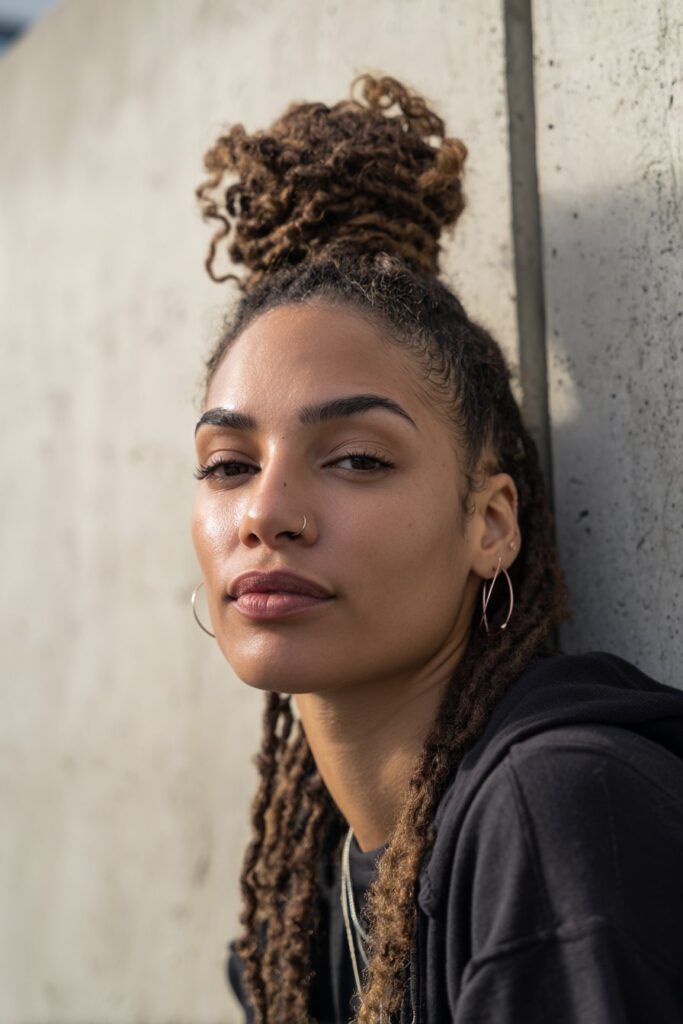
What Makes It Special
The first time a client asked for something edgy that still protected her hair, I immediately thought of the mohawk twist out. This style brilliantly combines sleek cornrows on the sides with voluminous two-strand twists positioned down the center, creating that bold mohawk silhouette without shaving anything. The contrast between smooth sides and textured top delivers serious visual impact while keeping your hair safely tucked away as a protective style.
What surprised me most about this look is its staying power. The style lasts for a week and a half, making it perfect for busy schedules or summer vacations when you want something striking that doesn’t require daily restyling.
How to Style It
Start by sectioning your hair to define where the mohawk will sit. Create sleek cornrows or flat twists on both sides using a strong hold gel like Jam. For the center section, apply Shea Moisture products to create juicy, defined two-strand twists. Add foam rollers at the front for extra curl and bounce.
Best For
This style suits type 4 natural hair beautifully and anyone wanting protective styling with an edgy twist.
Maintenance Tips
Wrap sides with a silk scarf nightly to maintain sleekness. Remoisturize the twisted center section weekly.
Accessorized Twist Out with Headbands
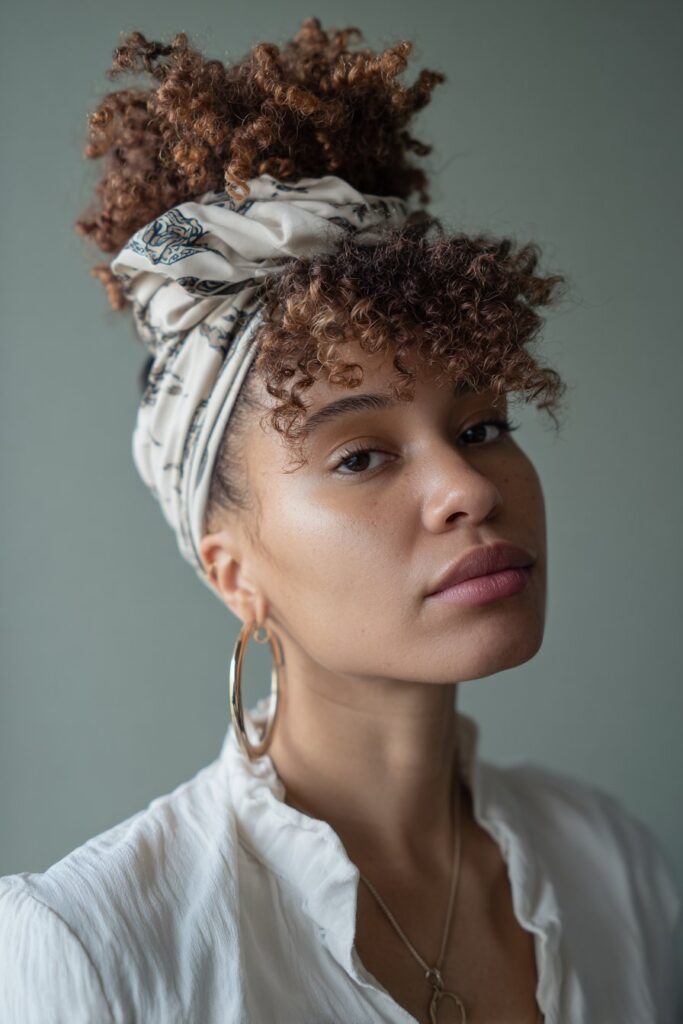
What Makes It Special
Accessories changed everything about how I approach older twist outs. Headbands dress up or dress down any look, making them perfect for those days when your twist out needs a refresh without complete restyling. What I appreciate most is how headbands achieve heat-free styling while creating defined curls with minimal effort. The comfortable wear factor matters too. Quality headbands made from 95% viscose offer incredible softness, while spandex provides stretch without feeling restrictive. You can position the twist detail in front for visual interest or move it to the back for a sleeker appearance.
How to Style It
Start with damp hair that’s been treated with your styling product. Section hair and twist each piece around itself, then wrap those twists around the headband. Allow everything to dry completely before removing the headband. For instance, thick hair might need overnight drying, while finer textures dry faster. The headband holds twists in place as they set, eliminating the need for clips or pins.
Best For
This style suits anyone wanting to revive an existing twist out or create fresh definition without heat tools. Works across all occasions.
Maintenance Tips
Keep your headband clean between uses. Store it flat to maintain its shape and elasticity.
Pin-Up Twist Out

What Makes It Special
Vintage-inspired styles have always held a special place in my styling repertoire, and pin-up twist outs capture that timeless elegance perfectly. These styles pin up your twists to show off your neckline, creating a look that transitions seamlessly from professional settings to evening events. What I find particularly brilliant about this approach is how it embodies “business in the back, party in the front”, giving you versatility without commitment.
Pin-up twist outs keep most ends tucked away, functioning as protective styles that reduce breakage while promoting length retention. The pinned sections create visual interest and dimension, transforming a simple twist out into something polished and intentional.
How to Style It
Section your completed twist out into the pattern you want. Take twists from the sides or back and pin them up using bobby pins, securing them against your scalp. You can create flat twists along the sides for extra sleekness, then pin the remaining twists into an updo at the crown or back of your head.
For a romantic version, leave some face-framing pieces loose. Use a light shine spray to finish.
Best For
Anyone needing work-appropriate styling or wanting to elevate their twist out for special occasions.
Maintenance Tips
Protect your style overnight with a satin scarf. Remoisturize as needed to prevent dryness.
Braided Front with Twist Out Back
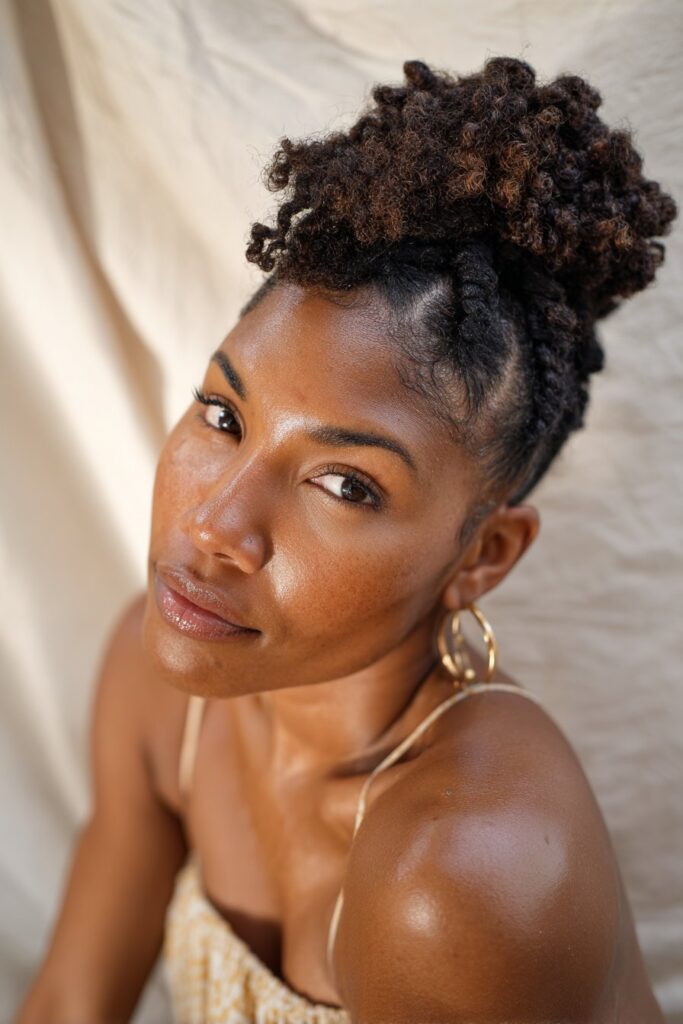
What Makes It Special
Combining techniques creates something greater than either style alone. Braided front with twist out back merges the sleek definition of cornrows with the bouncy volume of two-strand twists. A client came to me wanting something cute yet low-maintenance for her busy work schedule, and this hybrid delivered perfectly. The front braids frame your face with structured lines while the twisted back provides movement and texture.
This style takes about 2 hours to install, offering excellent length retention as a protective option. The playful contrast between techniques gives you versatility without committing to one look entirely.
How to Style It
Create 8-10 cornrows or flat twists along your front hairline and sides. For the back section, install two-strand twists. You can adjust sizing based on preference, though smaller twists in back provide better definition. Apply moisturizer and gel to each section before twisting.
Best For
Anyone seeking protective styling with visual interest. Works beautifully for busy schedules needing styles that last without daily manipulation.
Maintenance Tips
Sleep with a satin scarf, focusing coverage on the braided front. Remoisturize the twisted back section weekly using a spray bottle with leave-in conditioner.
High Ponytail Twist Out
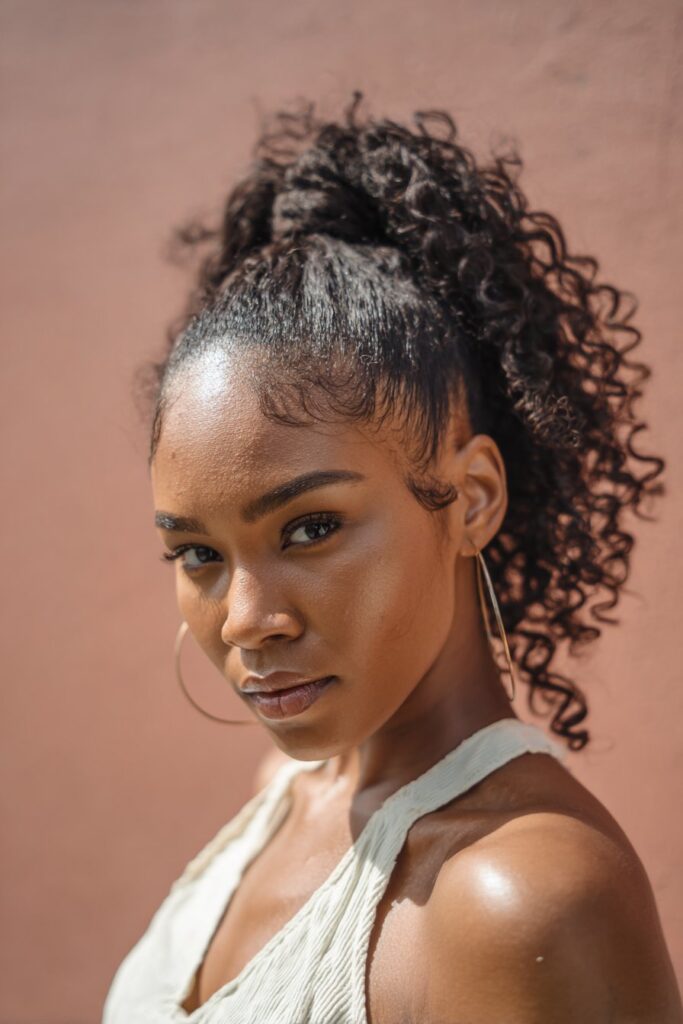
What Makes It Special
My Los Angeles mornings often involve back-to-back appointments, and I’ve noticed something interesting. Clients requesting high ponytail twist outs want that power look showcasing both curl definition and impressive length. After completing a full twist out, gathering everything upward creates a dramatic crown effect that turns heads at work meetings and weekend brunches alike.
What draws me to this style is how it combines sporty practicality with updo elegance. You’re getting versatility without compromise. The high placement elongates your neck and lifts your features, while the twist out texture provides body that standard ponytails simply cannot deliver.
How to Style It
Gather your completed twist out upward to the crown. Use a satin scrunchie rather than regular elastics to avoid creasing at the root. Fluff curls outward into a wide, full puff. For instance, I gently separate sections with my fingers to create maximum volume without disturbing definition.
Lay edges neatly using a soft brush and edge control for that finished appearance.
Best For
Anyone wanting to showcase their twist out’s full texture while keeping hair off their face. Works beautifully across all hair lengths.
Maintenance Tips
The pineapple method works perfectly here. Pull hair into a high ponytail position at night to preserve your style. Sleep with a satin bonnet. Refluff in the morning by gently shaking curls loose.
Stretched Twist Out for Maximum Length
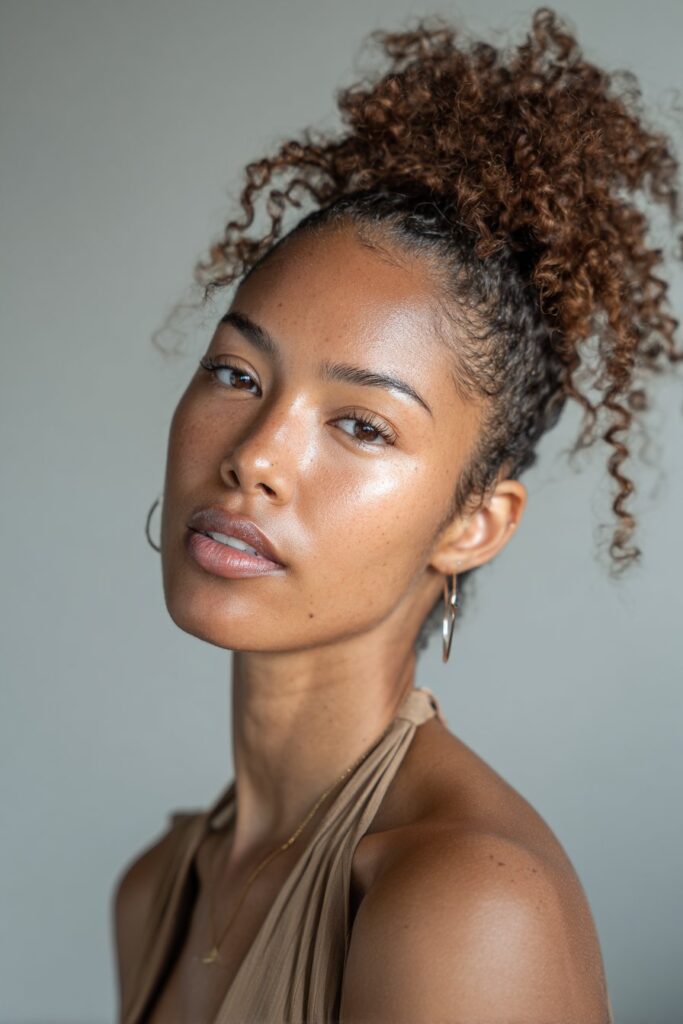
What Makes It Special
Shrinkage used to frustrate my clients until I introduced them to stretched twist outs. This technique combines protective twisting with elongation methods that minimize shrinkage while showcasing your hair’s true length. For starters, working on slightly damp or dry stretched hair rather than soaking wet strands prevents excess tangling and breakage. The wet hair approach leaves hair shrunken, causing inconsistent definition. On fine hair specifically, wet twisting makes hair appear less full.
How to Style It
I pre-stretch hair using blow-drying or banding before twisting. The RevAir reverse air dryer works beautifully for this. Apply leave-in conditioner on damp hair, followed by curl defining cream. A pea-sized amount of lightweight gel helps in humid climates. Use hair butter that provides hold without causing reversion. Section hair into manageable parts, twist from root to tip without borrowing from neighboring sections. Set twists under a hooded dryer to lock in moisture and enhance definition.
Best For
Anyone with type 3c and 4a hair seeking maximum length display and reduced shrinkage.
Maintenance Tips
Use silk scrunchies to band hair in sections overnight, stretching it further while reducing friction. Refresh by lightly misting with water and applying small amounts of leave-in conditioner. Minimize manipulation throughout the week.
Conclusion
Twist outs have become my go-to recommendation for clients wanting versatile, protective styles that celebrate natural texture. Whether you prefer mini twists for maximum definition or chunky sections for dramatic volume, these 15 styles prove you can switch up your look without compromising hair health. The best part? You don’t need heat tools or complicated techniques to achieve stunning results. Start with whichever style speaks to you, master the basics, then experiment with updos and accessories as your confidence grows. Your natural hair deserves styling options that protect while looking absolutely gorgeous, and twist outs deliver exactly that.


Elsa Claire is the founder and editor of ElsaClaire.com, where she writes about hairstyles, hair care, and the everyday routines that help real people feel good about their hair.