Shaved hairstyles for older Black women carry a euphoric, liberating energy that I’ve witnessed transform countless women over the years. The confidence that radiates from a woman who embraces a closely cropped style is undeniable. Whether you’re considering short black hairstyles for women over 50, exploring African American hairstyles for women over 50, or contemplating a shaved sides haircut, the options are stunning. From tapered cuts to bold black hairstyles shaved on one side, I’m excited to share 15 timeless looks that celebrate your natural beauty with practical styling tips you can use right away.
Tapered Cut
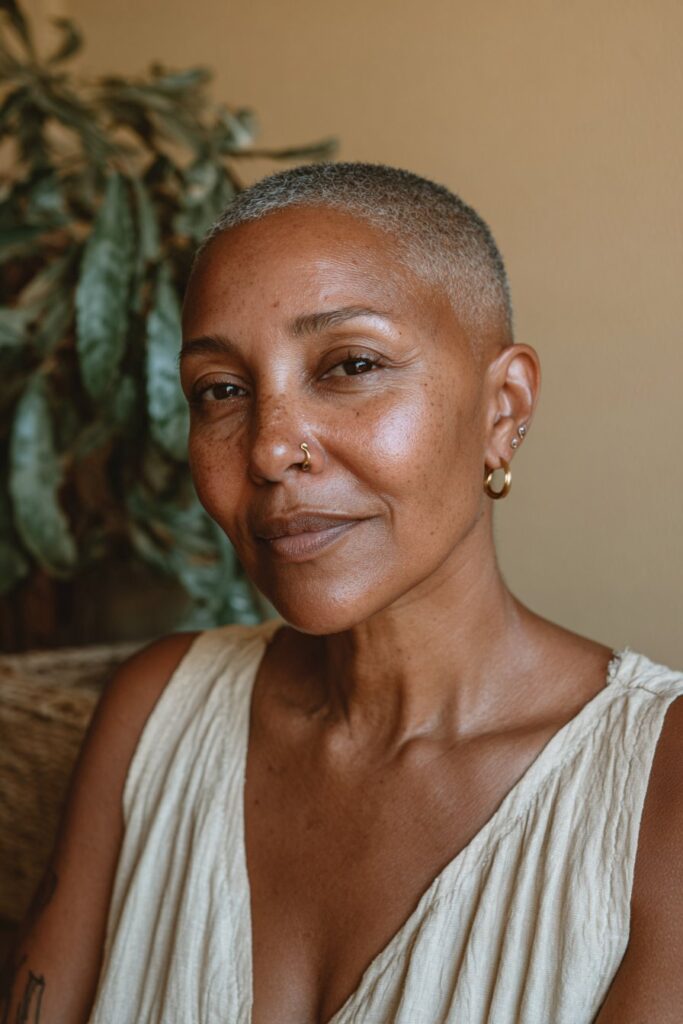
A tapered cut remains one of the most flattering choices I recommend when clients ask about short black hairstyles for women over 50. The style features longer hair on top that gradually shortens down the sides and back toward the natural hairline, creating a sleek silhouette that frames your face beautifully.
Styling Tips for Tapered Cut
Working with water-based pomade on damp hair gives you that smooth finish I’ve perfected over years of styling. For texture and hold, matte clay works wonders when applied to completely dry hair. The beauty of this cut? You’ll use significantly less product than you ever did with longer styles. A dime-sized amount actually means a dime-sized amount here.
When I style tapered cuts, I focus on the crown section where you have the most versatility. Flexi-rods create lush spirals without heat damage, while a simple wash-and-go with curl activator keeps mornings effortless. For added volume, lift the roots with a pick after your hair dries completely, being careful not to disturb your curl pattern.
Best Face Shapes for Tapered Cut
This versatile style suits all face shapes, though oval faces wear it particularly well. I’ve seen how a low taper (which starts shortening just above the ears) softens strong jawlines and adds balance to angular features. High tapers, positioned a couple inches above the ears, draw eyes upward and create beautiful contrast, especially flattering when you want to emphasize cheekbones.
Round faces benefit from the vertical lines created by the taper, while heart-shaped faces love how the graduated length balances a wider forehead.
Maintenance Requirements
Be honest with yourself about upkeep before committing to this cut. You’ll need shape-ups every 2 to 3 weeks to keep that crisp, clean gradient. Some clients stretch it to 6 to 8 weeks between full cuts, but the sides grow noticeably fast. Styling the top section takes just 4 to 7 days between refreshes.
The trade-off? Morning routines become incredibly quick, and products last months longer than before.
Color Options for Tapered Cut
The 2026 trend leans toward bold, high-impact color on tapered structures. Platinum changes create dramatic transformation, while warm copper adds subtle glow. Blue tones look particularly striking against the architectural lines of a taper, and lavender offers soft, modern appeal. Silver creates a sculptural effect that photographs beautifully, while balayage techniques add three-dimensional depth that emphasizes your natural texture.
Buzz Cut
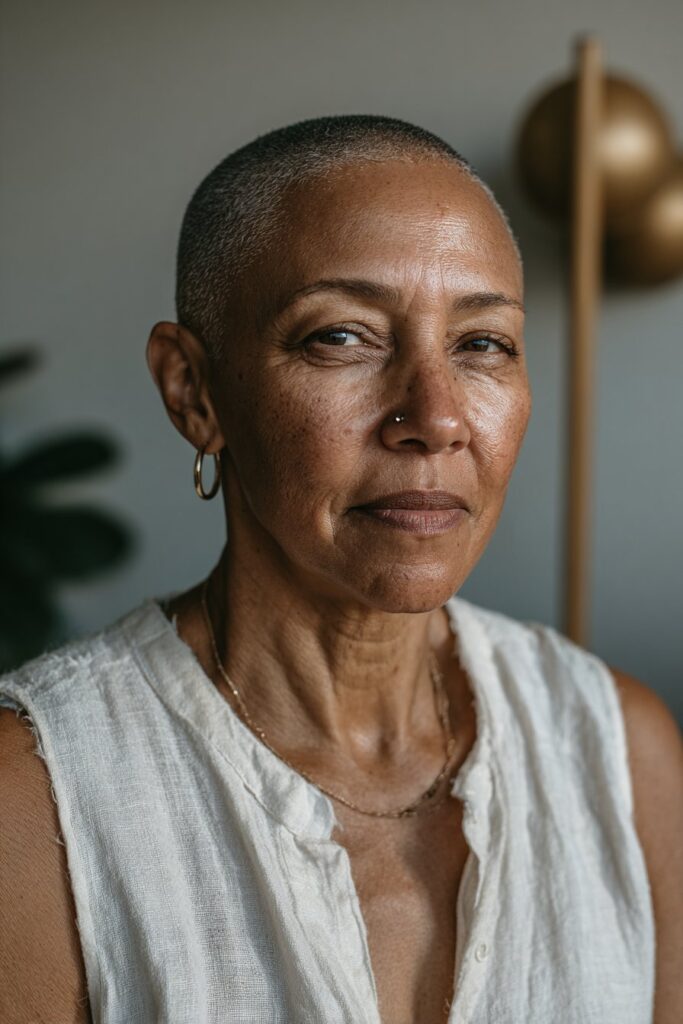
I’ve watched women walk out after getting their first buzz cut with a completely different energy than when they arrived. The transformation goes beyond hair. Getting a buzz cut feels empowering, liberating, and rebellious in ways that surprise even those who thought they were prepared.
Styling Tips for Buzz Cut
Forget everything you knew about daily styling routines. Facial hair becomes your primary styling tool with a buzz cut. A full beard creates striking contrast and adds visual weight, while 2-3 days of stubble adds texture without commitment. Clean shaven emphasizes your bone structure and facial features in the most minimalist way possible.
For the hair itself, clay-based products give you a dry, matte hold when you want texture on longer buzz lengths. Pomade creates that wet look some women prefer. Start with higher guard numbers like a #4 if this is your first time, then work down to your desired length. Keeping the perimeter slightly longer and wispy near the fringe, sideburns, and nape adds that sophisticated factor.
Best Face Shapes for Buzz Cut
Oval faces wear buzz cuts effortlessly, while square faces benefit from the style highlighting strong jawlines. The clean lines emphasize angular features beautifully. Round faces present more of a challenge since the uniform length can accentuate roundness, though facial hair helps add definition. Heart-shaped faces work well with buzz cuts, balancing wider foreheads with narrower chins. Oblong faces benefit from how the style minimizes perceived length.
Soft facial features suit buzz cuts particularly well, giving them more definition. Conversely, hard features become even stronger.
Maintenance Requirements
Professional cuts every 2-3 weeks keep your buzz looking fresh, since hair grows approximately half an inch monthly. Uniform lengths need attention every 2-3 weeks, whereas faded styles require touch-ups every 7-10 days. Skip the DIY approach initially. Professionals create slight graduation on the sides that prevents that round appearance during regrowth.
Washing becomes surprisingly minimal. Aim for 1-2 washes weekly, which actually benefits your scalp by preventing dryness. Moisturize your scalp daily, exfoliate 2-3 times weekly, and apply sunscreen outdoors without exception.
Pros and Cons
Advantages: Zero daily styling time, making mornings effortless. Products last significantly longer. You can experiment fearlessly with bold colors since frequent trims prevent damage concerns. Cost savings add up quickly. The consistent appearance eliminates bad hair days entirely.
Drawbacks: Limited styling versatility compared to longer lengths. Your scalp becomes more exposed to sun and cold, requiring protective measures. Be prepared for attention and questions. Growing it out involves multiple awkward stages, taking months to reach pixie length and years for longer styles.
Undercut
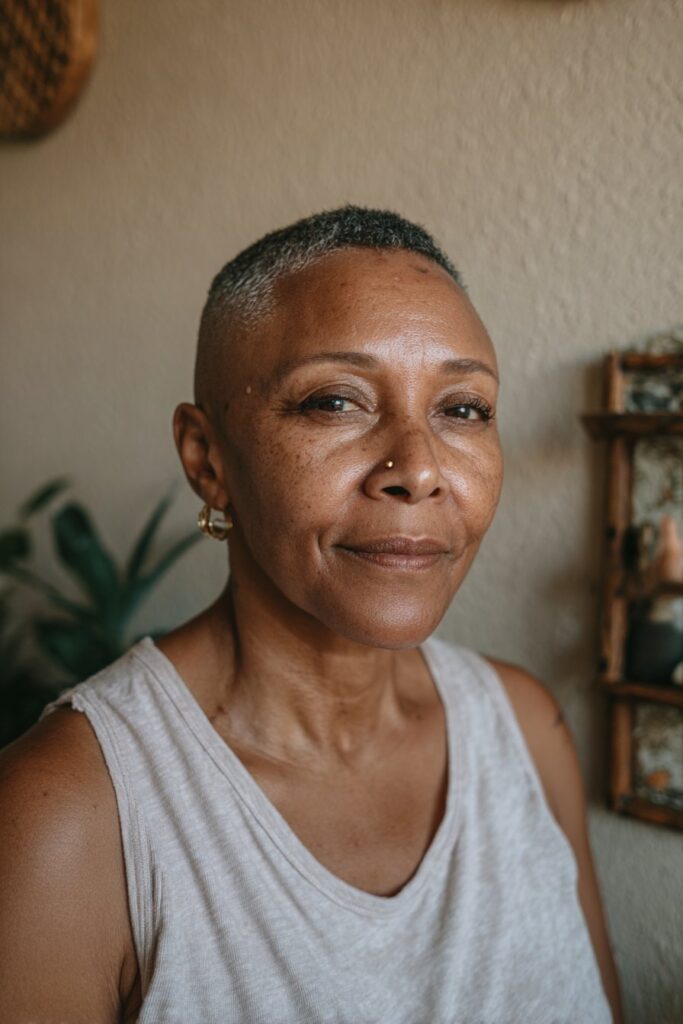
The undercut has become one of my favorite recommendations for women seeking shaved hairstyles for older black women because of its remarkable versatility. This style leaves length on top while the back and sides are cut short, faded, or completely buzzed off. What I love most is how it adds a twist to any look while keeping that element of surprise when you wear your hair down.
Styling Tips for Undercut
Start with freshly washed hair to remove product buildup and excess oil. Spray 15-20 pumps of pre-styler throughout your hair to protect from heat while adding texture and volume. Blow-dry on maximum heat, using your hands to tousle and switching between drying backward and forward for greater texture.
For the finishing touch, pomade creates a slick, smooth finish while molding wax delivers a more natural look with longer-lasting hold. Always apply from back to front, working the product thoroughly until you achieve your desired style.
Best Face Shapes for Undercut
Oval faces wear undercuts beautifully with their balanced proportions. Round faces benefit tremendously as the tight sides emphasize volume on top and elongate the face. Square faces complement the angular style well, though I recommend avoiding cuts that are too sharp.
In contrast, diamond faces should proceed with caution since undercuts can over-sharpen features and expose pronounced cheekbones. Oblong faces risk severe elongation with aggressively tight sides, so keep height on top minimal. Heart-shaped faces may find the tight sides accentuate a wide forehead.
Undercut Design Options
Geometric patterns, stars, waves, flowers, and simple lines transform undercuts into artistic statements. Freehand designs showcase creativity without the commitment of permanent tattoos. These patterns work exceptionally well with thick, short hair in colors that contrast with skin tone.
Maintenance Requirements
Schedule trims every 3-4 weeks to maintain clean lines. Keep your scalp moisturized and clean, which becomes particularly important with exposed areas.
Color Pairing Ideas
Underlayer color creates stunning peekaboo effects. Rich green against dark brown offers refreshing contrast, while silver and black provide satisfying pairings. Bright red with white blonde, neon green against black, or purple with natural tones all create dimensional looks when styled up.
Pixie Cut
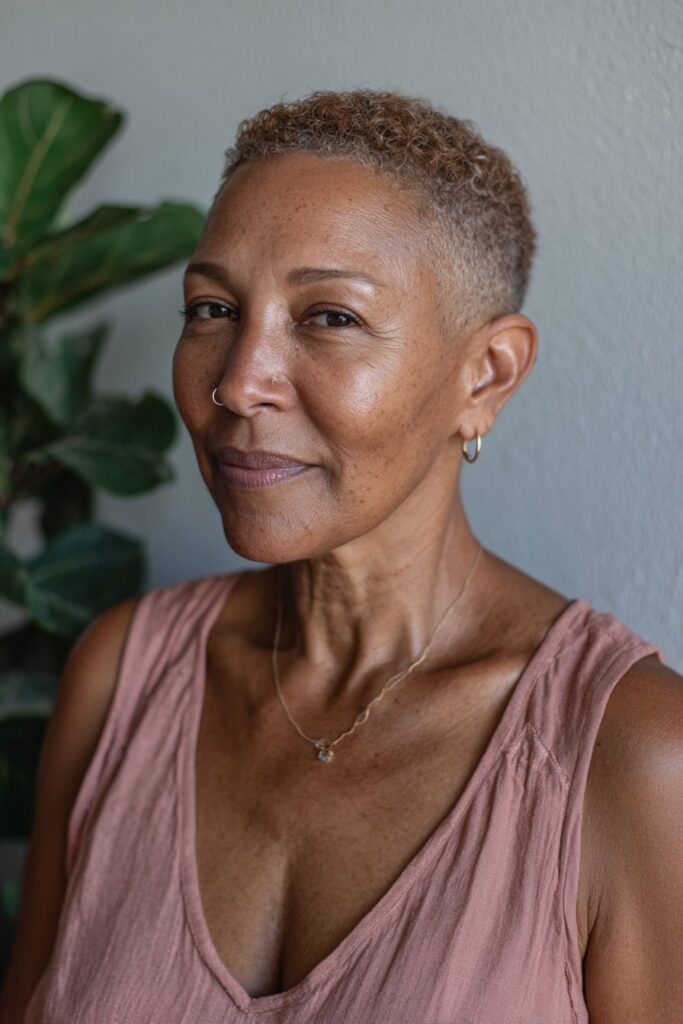
Pixie cuts hold a special place in my work because they showcase how one style can transform completely based on who’s wearing it. With the right customization, most face shapes can wear a pixie beautifully. I’ve learned that success comes from tailoring the cut to each individual rather than following a one-size-fits-all approach.
Styling Tips for Pixie Cut
Styling takes seconds once you know your preferred look. For a sleek finish, I smooth a small amount of serum through straightened layers and tuck the sides behind the ears. Textured styling works differently. I work texturizing spray or pomade through damp or dry hair, then use fingers to create that deliberately tousled effect. A flexible-hold spray keeps everything in place without stiffness.
The wet-look gel application creates an edgy, modern esthetic. Alternatively, spiking the top layers with strong-hold wax delivers punky dimension. Volume lovers benefit from blow-drying with a small round brush at the roots, sweeping layers to one side. Keep products minimal to avoid that flat, greasy appearance.
Best Face Shapes for Pixie Cut
Oval and heart-shaped faces suit nearly all pixie variations. Round faces gain definition from added height at the crown, which elongates overall proportions. Square and rectangular faces look stunning with boyish, tousled cuts that emphasize sculpted cheekbones. For longer faces like oval, diamond, or rectangular shapes, choppy texture at the sides with sweeping bangs creates width and balance.
Pronounced features pair well with softer styling, while baby faces carry blunt, sharper versions effortlessly.
Pixie Cut Variations
Long pixies offer versatility for styling waves or slicked-back looks. Curly pixies need longer layers so curls can properly form and create beautiful texture. Angled bangs frame the face and work equally well swept forward or brushed back into an edgy coif.
Maintenance Requirements
Schedule trims every 4-6 weeks to maintain shape. Keeping hair hydrated between cuts preserves the style’s integrity. Regular maintenance prevents that grown-out, shapeless appearance.
TWA (Teeny Weeny Afro)
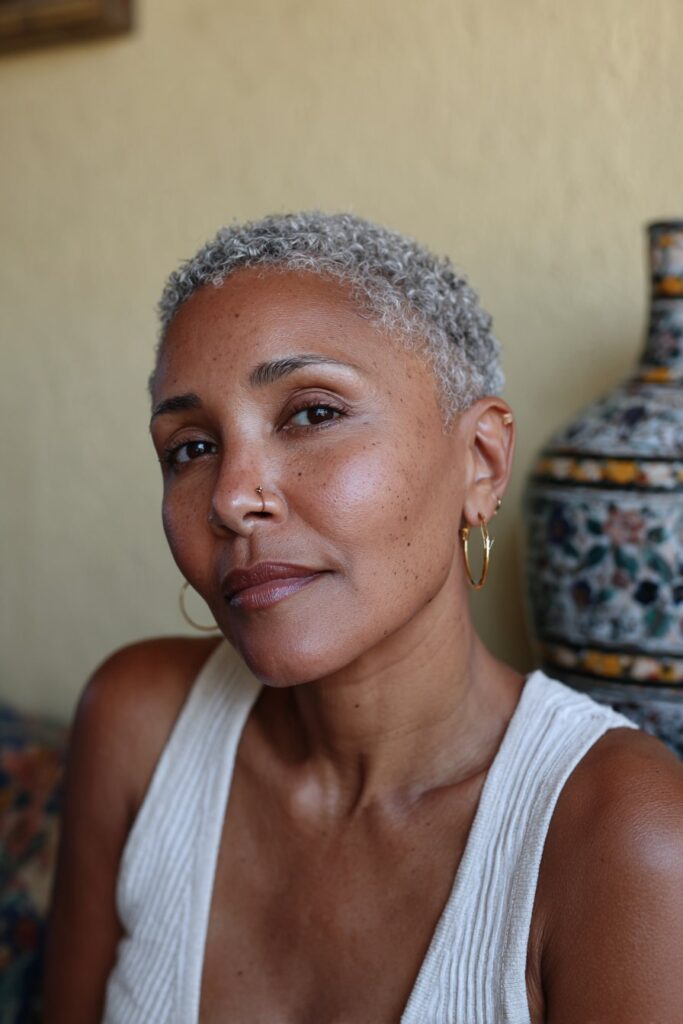
The Teeny Weeny Afro represents a fresh start that I’ve seen transform how women relate to their natural hair texture. Hair length stays at a maximum of 2 inches, creating that liberating feeling that comes with shedding years of chemical processing or heat damage. This short natural style celebrates every spiral and coil without apology.
Styling Tips for TWA
The classic approach showcases your natural curl pattern beautifully. Apply leave-in conditioner to clean hair, work curl gel through small sections for definition, then use a hair pick to gently lift roots for added volume. Air drying preserves your texture, though a blow dryer on low heat fluffs the hair nicely.
Finger coils create precise definition, particularly stunning on type 4a and 4b hair. Work through small sections with curl gel, brushing in circles to form each coil. Bantu knots offer versatility as a protective style. Section moisturized hair into small squares, create two-strand twists, wrap around the base, and secure with bobby pins. This style lasts up to 2 weeks and unravels into bouncy curls.
Puff variations suit all hair types when your TWA reaches sufficient length. Smooth hair back with a bristle brush, secure with gentle ties, and personalize with barrettes or bows.
Best Face Shapes for TWA
Oval faces wear TWAs effortlessly with their balanced proportions. The style suits various head shapes, enhancing your features while providing a modern appearance.
Maintenance Requirements
Deep condition weekly to maintain bouncy coils. Trim every 4-6 weeks to keep your shape sharp. Protect hair nightly with a bonnet or satin pillowcase to prevent matting and tangling.
Texture Enhancement Tips
Build a consistent moisture routine. Cleanse with hydrating shampoo on wash days, follow with a treatment mask for deep nourishment, seal with oil blend suited for your hair type, and refresh between washes with hydrating mist. Apply products to damp hair for better absorption, lightly misting in the morning to reactivate products.
Mohawk
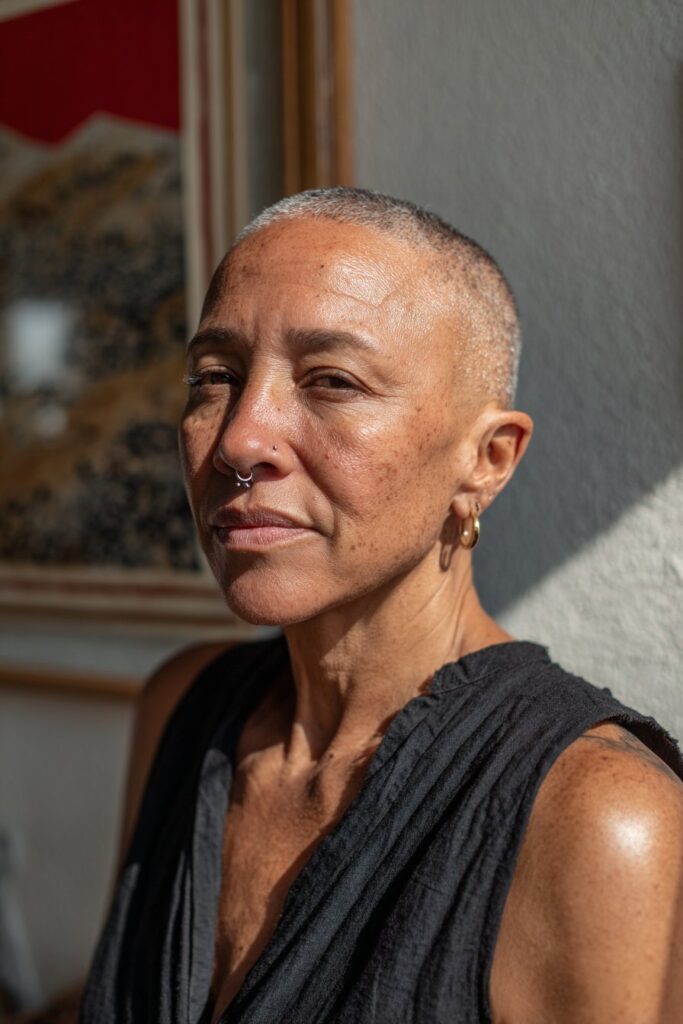
Bold choices in hairstyling often lead to the most rewarding transformations, and the mohawk exemplifies this principle beautifully. Black women have reimagined this style with countless variations that range from edgy to elegant.
Styling Tips for Mohawk
Strong-hold gel becomes your foundation when creating that signature mohawk structure. Apply it to shape your spikes, keeping a wide-tooth comb nearby for detangling. For extra volume, blow-dry your hair upright after styling to showcase the mohawk’s height perfectly. I’ve found that styling wax works exceptionally well when you want to create texture. Apply wax to your fingertips and run them upwards and forward, experimenting with brushing up the bangs and creating hair bundles randomly to enhance the shape.
For downplayed versions suitable for professional settings, towel dry and work grooming tonic through damp hair, then comb or brush back while blow-drying. Work pomade through for either a greaser look or sleek shine.
Best Face Shapes for Mohawk
Square faces wear mohawks beautifully, while oval faces suit nearly every variation. Round faces benefit from the vertical height that elongates facial proportions. Long or oblong faces should exercise caution since the added height can over-emphasize length. Heart-shaped faces work well with the contrast, balancing wider foreheads effectively.
Mohawk Variations
Twisted mohawks create glamorous red carpet looks. Cornrowed sides with various top sections offer protective styling benefits. Curly mohawks provide softer, textured effects. Braided mohawks combine edginess with femininity. Faux hawks deliver mohawk esthetics without permanent commitment.
Maintenance Requirements
Fades require touch-ups every 2-3 weeks to maintain clean lines. Color-treated mohawks need sulfate-free shampoos and regular deep conditioning. Avoid excessive sun exposure or chlorine to prevent color fading.
Bold Color Options
Vibrant blues, fiery reds, and neon greens create standout statements. Purple and silver tones photograph beautifully. Consider your personality when selecting shades.
Side Shave
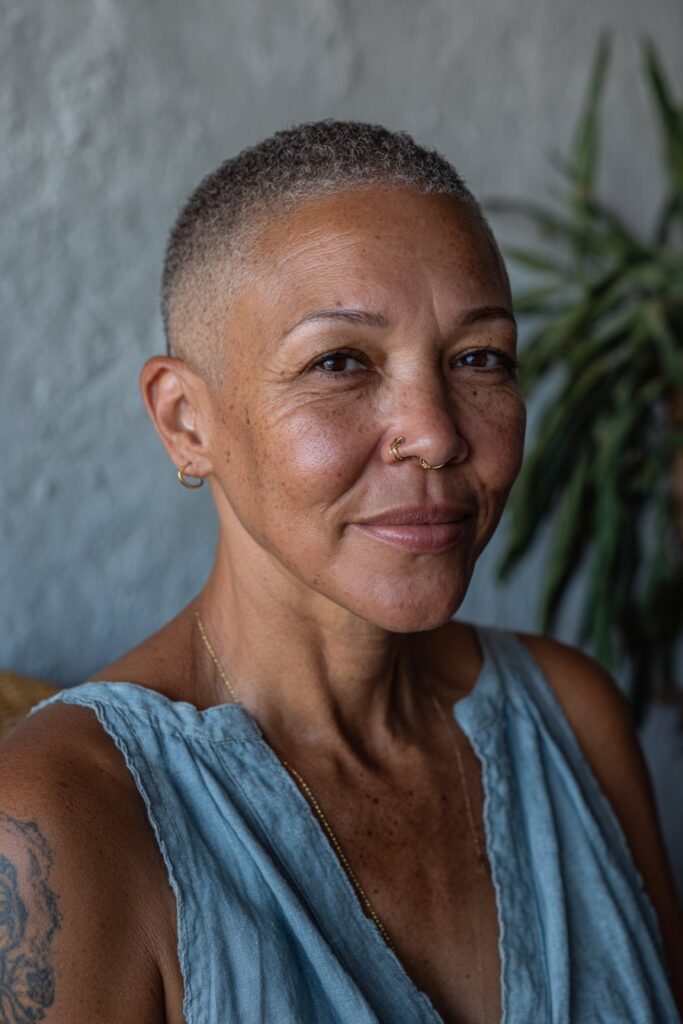
Asymmetry creates visual interest that symmetrical styles simply can’t match, and the side shave delivers exactly that dynamic. If you have longer hair, this single-sided approach transforms your entire look while preserving styling versatility. I’ve guided countless women through their first side shave, and my advice remains consistent: start small. Shaving less initially makes the area easier to disguise if you decide it’s not quite right.
Styling Tips for Side Shave
The beauty lies in its dual nature. Wear your hair down and you maintain a polished appearance. Pull everything up or to one side, and suddenly you’re showcasing bold artistry. For volume maintenance after removing hair from one side, wash with lightweight shampoo that won’t weigh down remaining hair. Follow with nourishing conditioner, then apply thickening serum before blow-drying upside down. This technique compensates for the lost volume and creates balanced fullness.
Best Face Shapes for Side Shave
Longer faces including oval, diamond, and rectangular shapes benefit from side shaves paired with choppy texture and sweeping elements that create width. The asymmetry draws attention horizontally, balancing vertical proportions beautifully.
Design Pattern Ideas
Simple patterns work perfectly for beginners. Lightning bolts, zigzags, and stars add personality without overwhelming. Swirls bring organic flow, while geometric X designs create striking graphic accents. For those wanting complexity, chevron stripes, lotus flowers, and custom abstract patterns showcase artistic expression. Intricate designs photograph beautifully when you style hair up into buns or pigtails, fully revealing the artwork.
Maintenance Requirements
Designs blur within 5-10 days as hair grows. Touch-ups every one to two weeks keep lines crisp, while the overall shaved area needs attention every two to three weeks. Between professional visits, you can maintain it yourself with careful trimming, though assistance from someone you trust makes the process easier.
Finger Waves
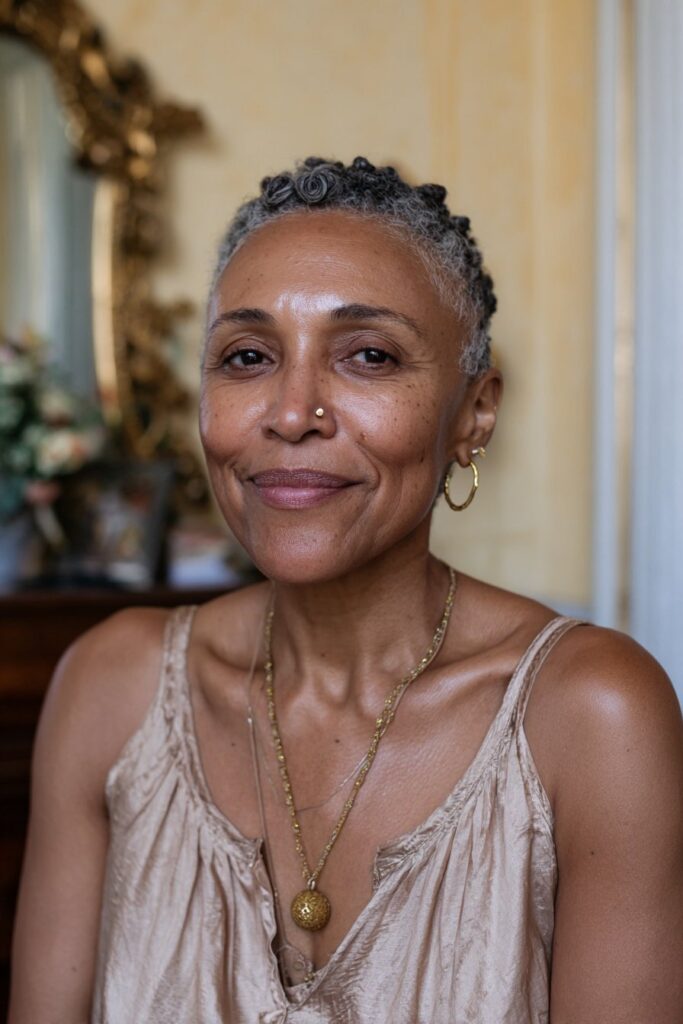
Vintage glamor meets sculptural artistry with finger waves, one of the most enduring Black hairstyling techniques that originated in the 1920s. I’ve sculpted countless sets of these S-shaped curves, and the wet, glossy finish never fails to photograph beautifully.
Styling Tips for Finger Waves
Traditional technique works best on shorter, finer hair (5-8 inches). Start with freshly washed hair since product buildup prevents proper gel grip. Apply leave-in treatment for shine and protection, then detangle thoroughly with a wide-tooth comb.
For coarse or thick textures, I recommend the wet-look variation instead of fighting your natural pattern. Apply generous gel to damp hair, coating every strand, then comb through to build wavy texture close to the scalp.
Best Face Shapes for Finger Waves
The style suits various face shapes when executed properly. Classic side parts create asymmetrical flow that looks polished and intentional.
Creating Finger Waves at Home
Use a rat-tail comb and your index finger to smooth hair into a C-shape on one side of your part. Place your finger down to hold, then create a C-shape in the opposite direction to form an S-shape. Repeat from front to back. Secure with duckbill clips at each ridge.
Cover your head with a silk or satin scarf, then air-dry (2-4 hours) or sit under a hooded dryer for 30-45 minutes. Don’t remove clips early or you’ll lose definition.
Maintenance Requirements
Wrap with a silk scarf or bonnet nightly. With proper care, expect 3-5 days for short-hair finger waves and 5-7 days for soft waves on longer hair. Without nighttime protection, you’ll get 1-2 days maximum.
Product Recommendations
Layer mousse first for soft hold and moisture, followed by generous styling gel for structure. Strong-hold gel proves necessary since finger waves need maximum hold to maintain their sculptural shape.
Tapered Pixie
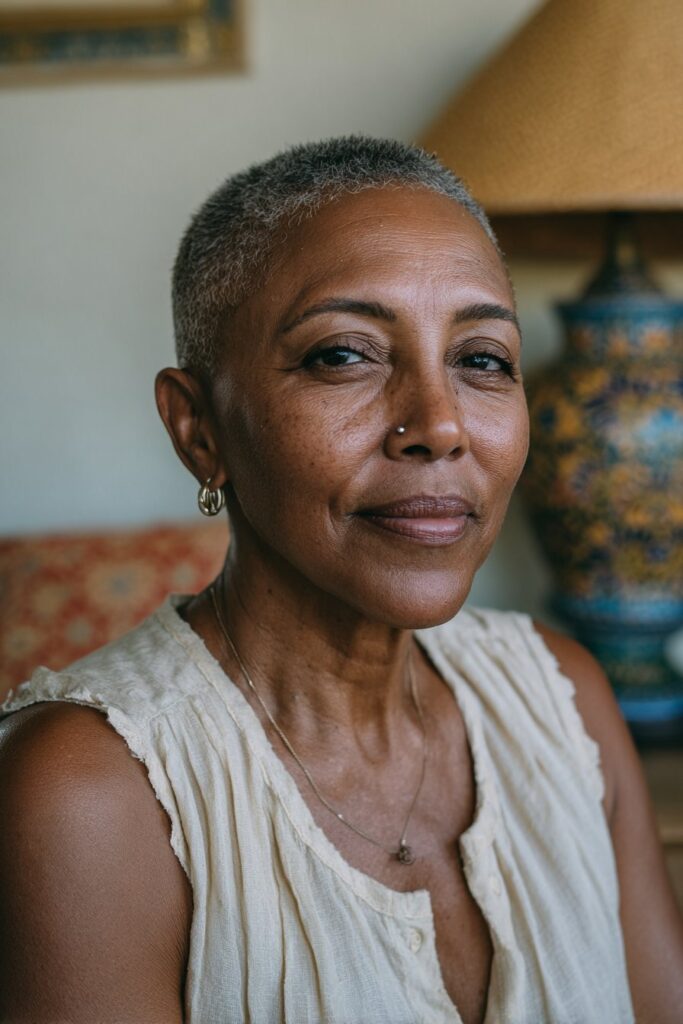
Volume placement makes all the difference with a tapered pixie, and I’ve spent years perfecting this balance for my clients. The structure features generous volume on top paired with tapered sides, which accentuates cheekbones beautifully and creates that lifted appearance women love.
Styling Tips for Tapered Pixie
Non-directional blow-drying forms my foundation technique, adding volume while providing control for further styling. Wax or pomade applied afterward creates texture and movement, striking that perfect balance between shine and hold. For textured or curly hair, I reach for moisture-rich creams that hydrate and define curls on top. Straight or wavy hair responds well to paste worked through longer sections of dry hair.
Best Face Shapes for Tapered Pixie
Round and square faces gain tremendous benefit from the extra height and volume on top, which elongates facial proportions while tapered sides offer definition and balance. The vertical emphasis counters width effectively.
Maintenance Requirements
Expect appointments every 4-6 weeks for shaping. The frequent trims maintain those neat edges and layered precision that define this cut.
Feathering Techniques
Feathering at the crown creates volume and height, whereas the tapered finish at the nape keeps everything structured rather than sloppy. This technique de-bulks thickness, giving hair a lighter feel. Running your fingers through becomes effortless with properly feathered layers.
Caesar Cut
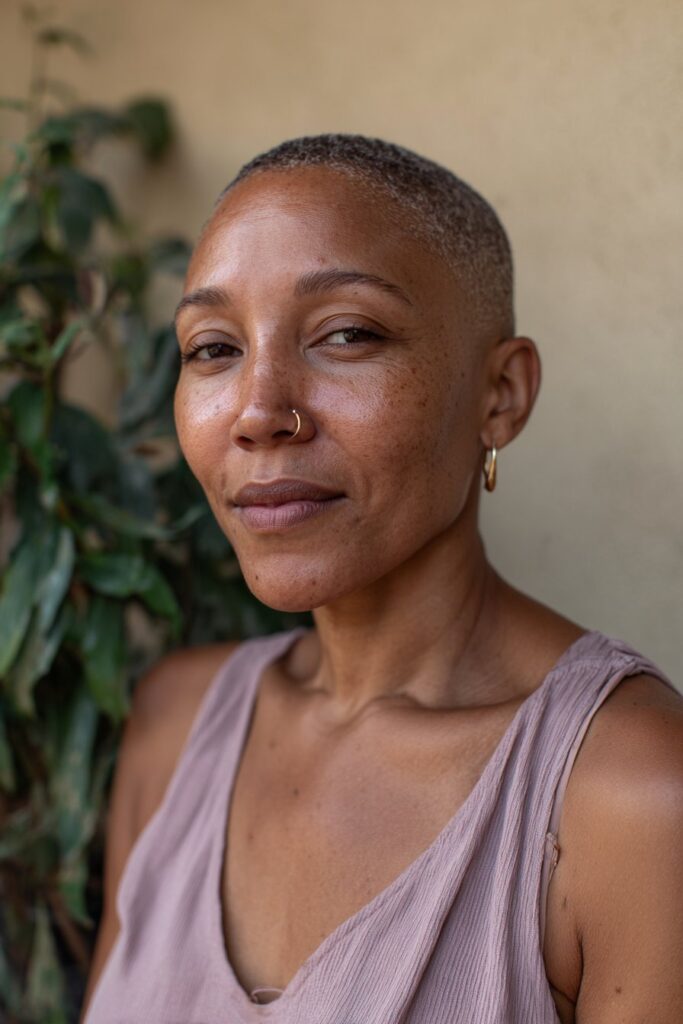
Historically inspired yet thoroughly modern, the Caesar cut caught my attention years ago when I realized how brilliantly it addresses thinning hairlines while delivering clean sophistication. The defining feature? That straight, horizontal fringe sitting 1-2 inches above your eyebrows, with uniform length across the top typically ranging from 1 to 3 inches.
Styling Tips for Caesar Cut
Gel pomade belongs in your styling arsenal for this cut. The hybrid formula controls flyaways while providing shine. I work lightweight matte paste through for textured finishes, whereas sea salt spray adds lift before blow-drying. Apply products from roots to tips, then brush hair forward to shape that signature fringe. A boar bristle brush becomes your lifesaver between appointments. Surprisingly, wearing a du-rag at night prevents moisture loss and helps lay hair in place.
Best Face Shapes for Caesar Cut
Oval, square, and diamond faces wear this cut beautifully. The forward fringe balances foreheads while short sides sharpen jawlines. Triangle faces benefit from how the cut provides volume that balances proportions. However, heart-shaped faces struggle as the fringe can enlarge foreheads, and round faces risk appearing rounder.
Maintenance Requirements
Expect barber visits every 2-3 weeks for maintaining your cut. Modern fades require touch-ups every 2-3 weeks, whereas basic Caesar cuts stretch to 3-4 weeks or even 5 weeks for softer outlines.
Modern Caesar Cut Variations
Textured versions add layers for volume. Skin fade Caesars combine classic structure with contemporary contrast. The dark Caesar variation stays ultra-short at ¼ to ½ inch, popular in African American communities. Curly Caesars keep natural texture neat and manageable.
Temple Fade
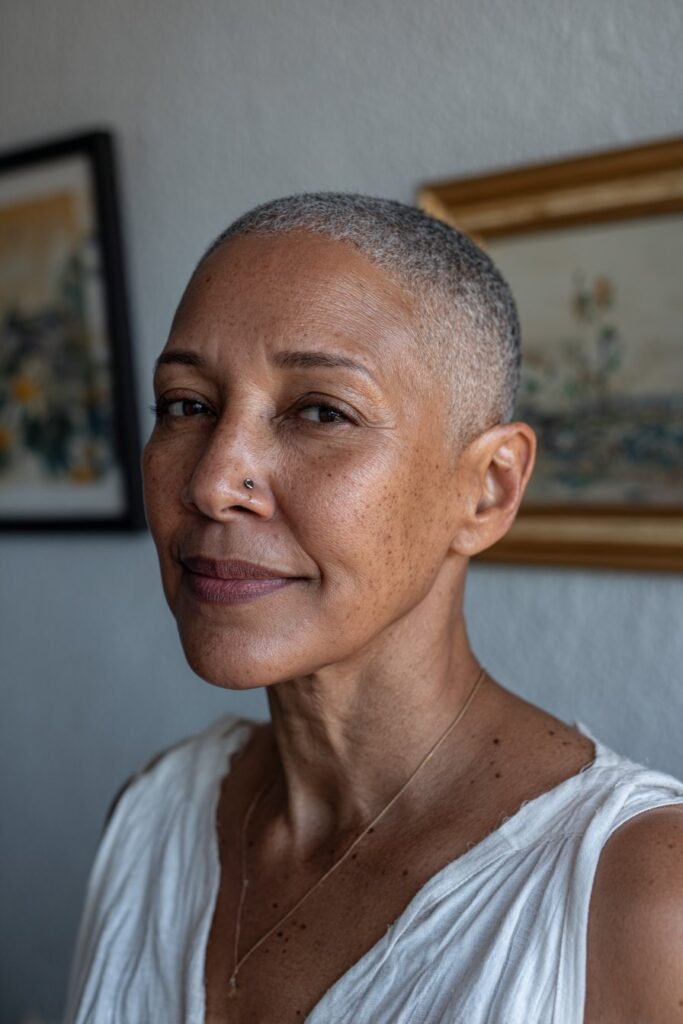
Precision defines what I love most about temple fades. This taper-style haircut gradually fades hair around the temples and sideburns, keeping everything tight and precise while focusing the fade around temples and neckline. Unlike high fades that climb up the sides, temple fades maintain focused detail that makes any haircut look intentional.
Styling Tips for Temple Fade
The democratic nature of this cut means it works with curly, wavy, straight, or afro-textured hair. For curly hair specifically, temple fades pair beautifully with volume and texture on top. Use matte clay or sea salt spray to boost texture, then rough dry with fingers for that perfectly imperfect finish. If you’re keeping longer strands on top, the clean temple fade works as a subtle accent, looking particularly good with dreadlocks and a neat line up.
Best Face Shapes for Temple Fade
Oval faces get the green light with pretty much anything. Square faces benefit from sharp lines highlighting that strong jaw, whereas round faces gain structure and a more angular silhouette. Diamond and triangle faces achieve balance, especially with volume on top.
Maintenance Requirements
Regular shape-ups every couple of weeks keep the fade and lines crisp.
Combining with Other Styles
Temple fades work with almost any haircut on top: waves, curls, pompadours, buzz cuts, and even longer textured styles.
Shaved Bob
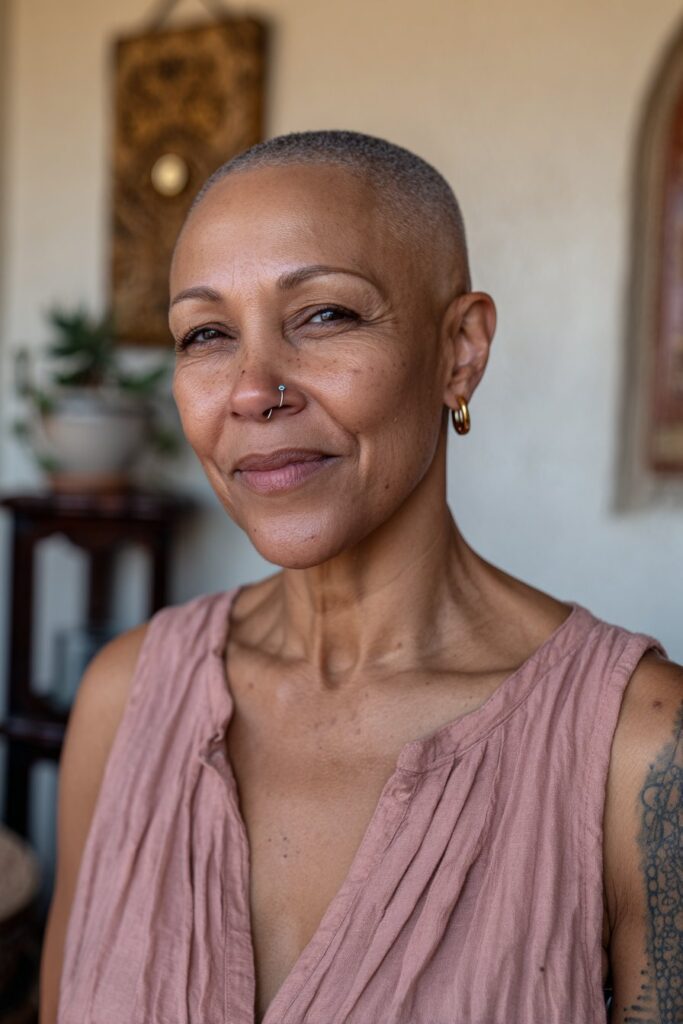
Classic structure meets edge when you combine a traditional bob with strategically placed shaved sections. I’ve transformed countless bobs this way, removing bulk underneath while maintaining that polished bob silhouette on top. The shaved area stays hidden until you style hair up or to the side, giving you incredible versatility.
Styling Tips for Shaved Bob
Smoothing serum becomes essential for achieving that glossy, refined finish. Work it through after blow-drying to seal cuticles and add shine. Texturizing paste or spray adds definition and movement, particularly effective when you want that lived-in texture. For thick hair, this cut reduces styling time significantly since you’ve eliminated excessive weight.
Best Face Shapes for Shaved Bob
Oval faces handle virtually any bob length beautifully. Round faces benefit from angled bobs falling below the jawline with volume positioned below rather than at cheeks. Square faces look stunning with wavy, tousled versions featuring length between jawline and collarbones. Heart-shaped faces need length at the jaw to balance narrow chins.
Bob Length Options
Length ranges from micro bobs to collarbone lobs, each creating distinctly different esthetics.
Maintenance Requirements
Schedule trims every 4-7 weeks. The shaved sections need attention every 2-3 weeks to maintain clean lines.
Color Ideas
Balayage techniques emphasize the dimensional nature of this cut, while bold single colors create striking contrast between lengths.
Faux Hawk
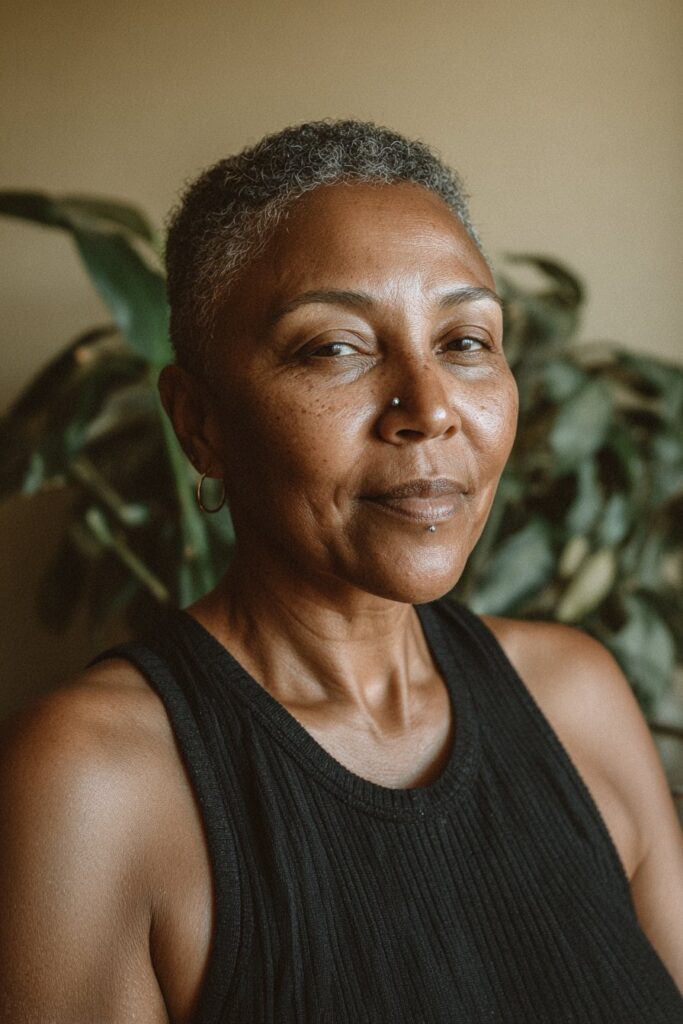
Commitment anxiety stops many women from trying shaved hairstyles for older black women, which is precisely why I introduce them to the faux hawk first. Master hairstylist Rashuna Durham shares my philosophy: pick up a soft brush and bobby pins instead of clippers. The versatility amazes me every time. Braided sides, puffed centers, or classic slick-and-pin variations all deliver that mohawk esthetic without permanent changes.
Styling Tips for Faux Hawk
Start with slightly damp hair after washing with light shampoo. I always pin horizontally so bobby pins disappear into your texture. Apply sea salt spray or volumizing mousse from roots to tips for grip and volume. Blow-dry on low to medium heat, pushing hair upward through the center while keeping sides smooth. Finish with texture clay for matte hold or pomade for sleek shine.
Best Face Shapes for Faux Hawk
Oval faces suit nearly every faux hawk variation. Round faces need added height and tapered sides to elongate features. Square faces benefit from slightly softer peaks and blended elements. Long faces look better with lower-profile versions and width at the sides.
Product Recommendations
Texture clay creates strong shape without shine. Molding paste offers flexible control. Sea salt spray adds pre-styling grip.
Maintenance Requirements
Schedule trims every 2-4 weeks to maintain shape.
Bald Head
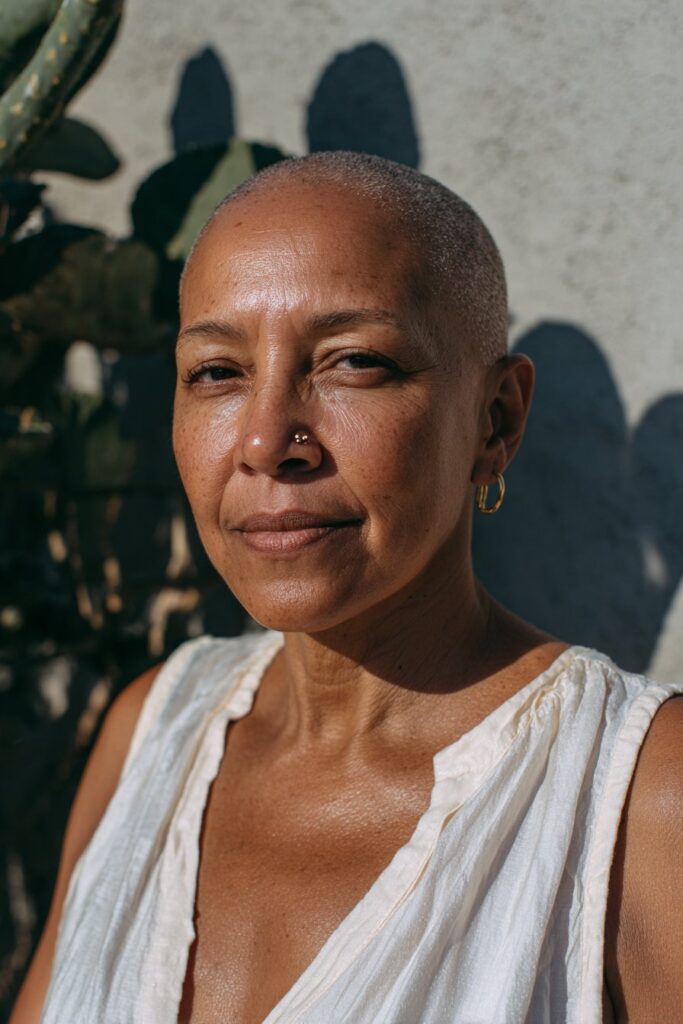
The ultimate expression among shaved hairstyles for older black women requires zero styling products and infinite confidence. I’ve guided women through this complete transformation, watching them discover a strength they didn’t know existed.
Styling Tips for Bald Head
Facial hair creates striking dimension. Full beards add visual weight and balance, while maintaining clean-shaven emphasizes bone structure. Statement earrings draw attention upward, and bold lipstick becomes your signature.
Best Face Shapes for Bald Head
Oval and round head shapes wear baldness beautifully. Proportions matter less than you’d expect, besides, facial hair adjusts contours effectively.
Scalp Care Essentials
Cleanse with pH-neutral shampoo to remove sebum and dead cells. Exfoliate 2-3 times weekly. Moisturize daily after washing to prevent dryness. Apply SPF 30 minimum outdoors without exception. Your scalp becomes an extension of your face.
Maintenance Requirements
Shave as stubble appears, typically every few days. Use sharp, pivoting razors designed for head contours. Wash 1-2 times weekly to prevent dryness.
Accessorizing Your Look
Headbands, turbans, and folded bandanas transform your esthetic instantly. Scarves tied with bows add height. Bold accessories become focal points.
Confidence Building Tips
Surprisingly, 46.2% of women advise bald individuals to embrace confidence above everything. Stand tall, maintain eye contact, surround yourself with supportive people. Your energy matters infinitely more than hair.
Conclusion
All things considered, each of these 15 shaved hairstyles offers you something unique, whether you’re drawn to the soft elegance of a tapered cut or the bold statement of a complete buzz. My years behind the chair have taught me that the right cut transforms more than your appearance—it shifts how you carry yourself. Some styles will resonate with your personality immediately, while others might feel too daring. That’s perfectly fine. Start with what excites you, find a stylist who understands your vision, and remember that confidence makes any hairstyle beautiful. Your journey to the perfect shaved style begins with that first brave step.

Elsa Claire is the founder and editor of ElsaClaire.com, where she writes about hairstyles, hair care, and the everyday routines that help real people feel good about their hair.