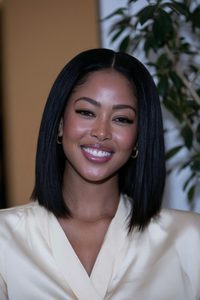
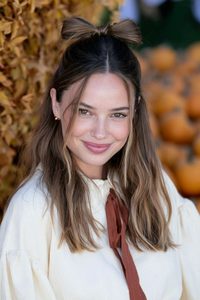
Finding modern hairstyles for women over 50 with thin hair can feel frustrating, particularly when your hair texture changes with hormones and age. I’ve worked with countless women navigating this exact challenge, and I can tell you: thinning hair is incredibly common and nothing to hide from. Instead, it’s an opportunity to discover haircuts for thinning hair women actually love. The right hairstyles for thin hair can create amazing volume and movement. In this guide, I’m sharing 12 of the best hairstyles for women over 50 with fine hair, from short modern hairstyles for women over 50 with thin hair to versatile longer cuts that add instant body.
Pixie Cut
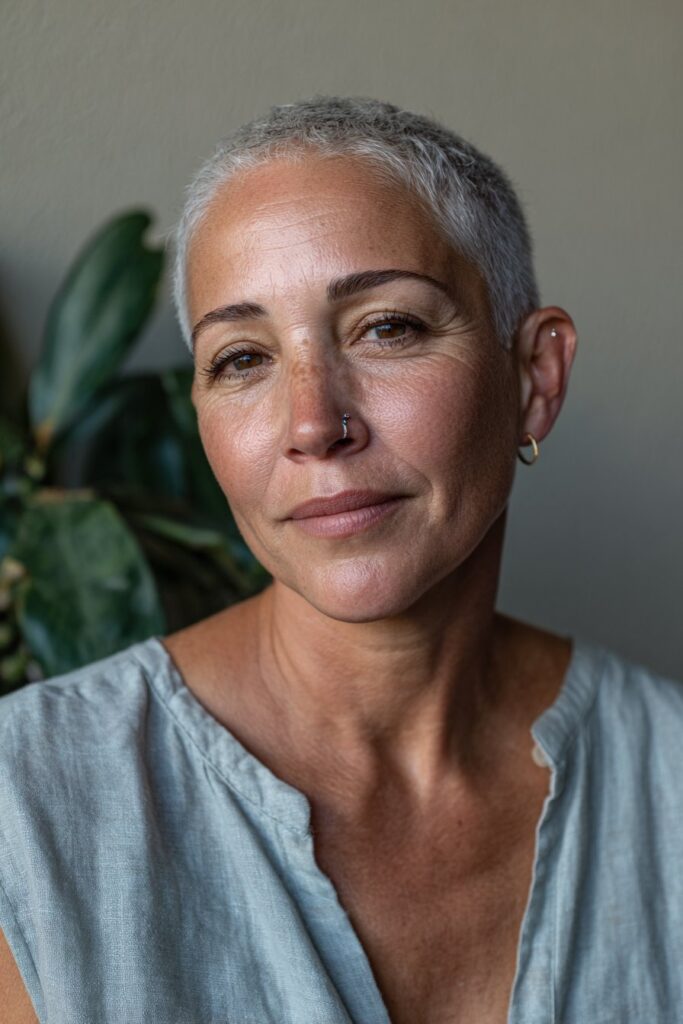
Key Features
The pixie cut stands as short hairstyle characterized by shorter hair on the sides and back with slightly longer hair on top. I’ve styled countless pixie cuts throughout my career, and what makes this cut exceptional for fine hair is how it’s shaped to hug the head. The precision matters here more than you might think. With fine hair, every cut needs to be deliberate because there isn’t extra density to mask mistakes. A well-executed pixie features textured layers, choppy ends, and strategic length through the crown area. I often leave enough length on top so the hair has weight to hold its shape without collapsing.
Why It Adds Volume
Pixie cuts create the illusion of thickness by removing the weight that pulls fine hair flat. When I work with clients transitioning to a pixie, they’re often surprised by how much fuller their hair appears. The cut itself builds mass by tapering the perimeter for a clean, thicker appearance while maintaining length and weight on top. This creates visual density that longer styles simply can’t achieve. Additionally, the shorter length allows natural texture to “stack” and create a thicker appearance. The precision cutting involved makes hair feel substantially thicker, particularly when styled with proper texturizing products.
Styling Tips
Styling starts with product application on damp hair. I recommend building mass with a volumizing mousse, which makes the pixie hold shape without getting crunchy. Once dry, apply a texture spray to create separation, movement, and fullness. This step prevents hair from falling flat against your head. For daily maintenance, aim to smooth and flatten the sides and back while creating volume around the top and fringe area. A texturizing paste worked through the ends creates that piecey, dimensional look that makes pixie cuts appear intentional. Root lift products add height at the crown, and for those wanting extra drama, tousle the crown by ruffling with your fingers. One note from my experience: fine hair in a pixie often requires more frequent washing to maintain that full look.
Best Face Shapes
Round faces benefit from layered pixies with choppy, textured ends that add volume at the crown and taper toward the nape. This creates angles and definition. Oval faces can pull off nearly any pixie variation, though a short, layered cut with side-swept fringe remains timelessly flattering. For square faces, wispy textured layers with a side-swept fringe soften the jawline while drawing attention to eyes and cheekbones. Heart-shaped faces look balanced with longer side-swept fringe and layered cuts that add volume to the sides and back. Long faces need short, layered pixies with voluminous crowns to add width.
Blunt Bob
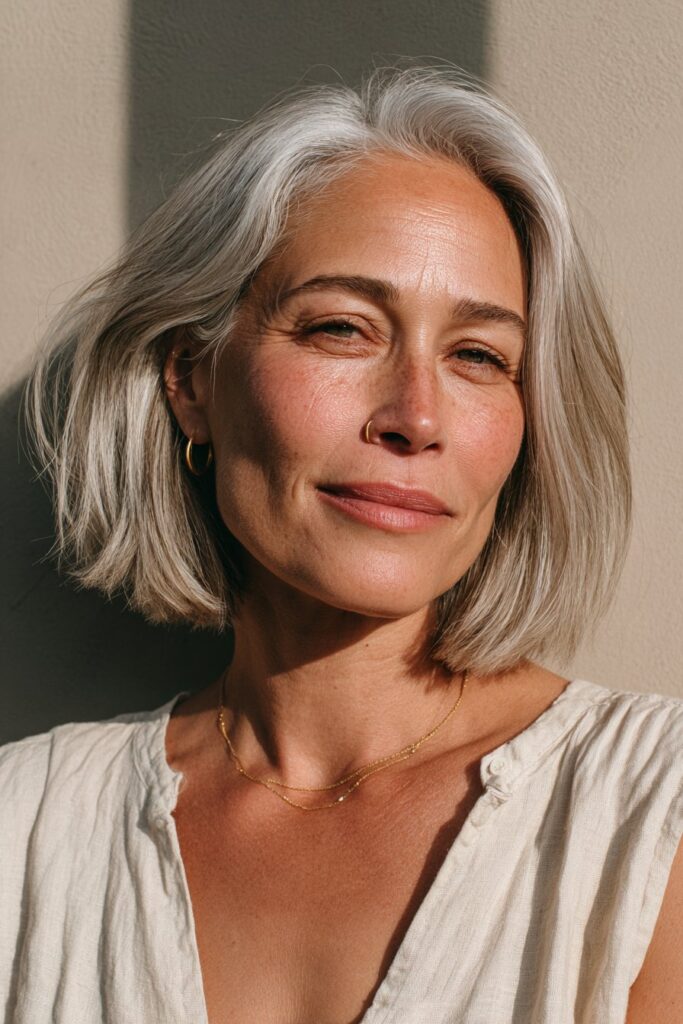
Key Features
I’ve noticed something interesting over the years: women often hesitate before committing to a blunt bob, but once they see the result, they wonder why they waited. This cut features hair trimmed to one uniform length with no layers, creating a sharp, straight edge all around. The length typically falls between your jaw and chin, though variations can extend to the collarbone. What makes this cut distinctive is the precision required. Using the scissor-razor technique creates sharp, exact ends with a super-solid, blunt line that frames your face beautifully. The clean weight line gives this style its polished, structured appearance, and that’s precisely what creates the magic for thin hair.
Why It Adds Volume
The blunt bob works as what hairstylists call the “thickening haircut cheat code.” By cutting straight across, all your hair falls to the same length, which makes the ends look significantly fuller and healthier. The even distribution of length creates an illusion of thickness toward the ends that layered cuts simply can’t achieve. I’ve seen clients with genuinely fine strands transform their look with this cut because the blunt edge gives instant fullness. The one-length design maintains a strong weight line without removing weight through layering, which is exactly what thin hair needs. This approach minimizes thinning or sparse ends, making your hair appear denser and more polished overall.
Styling Tips
Maintenance matters with this cut. Plan for regular trims every four to six weeks, though you can stretch to eight weeks depending on your hair’s condition. For a sleek look, blow-dry with a flat brush and finish with a straightener to keep the ends polished. I recommend applying a lightweight mousse or volumizing spray on damp hair, then flipping your head upside down while blow-drying to build root volume. If you prefer texture, add loose waves with a wand but leave the ends straight for a modern, undone feel. A volume mousse or texture spray boosts body at the crown. The versatility here is remarkable—you can wear this cut pin-straight, wavy, curled, or air-dried for natural movement.
Best Face Shapes
Oval faces suit all bob types, blunt included. Heart-shaped faces benefit from the weight at the jaw, which balances a wider forehead nicely. Square faces get softened with a blunt bob styled with curves or a side part, making the face appear more oval-shaped. Round faces look best with bobs that fall below the chin to elongate the face—avoid mid-cheek length. Straight to wavy hair is ideal for blunt bobs, as the natural fall enhances those clean lines beautifully.
Lob
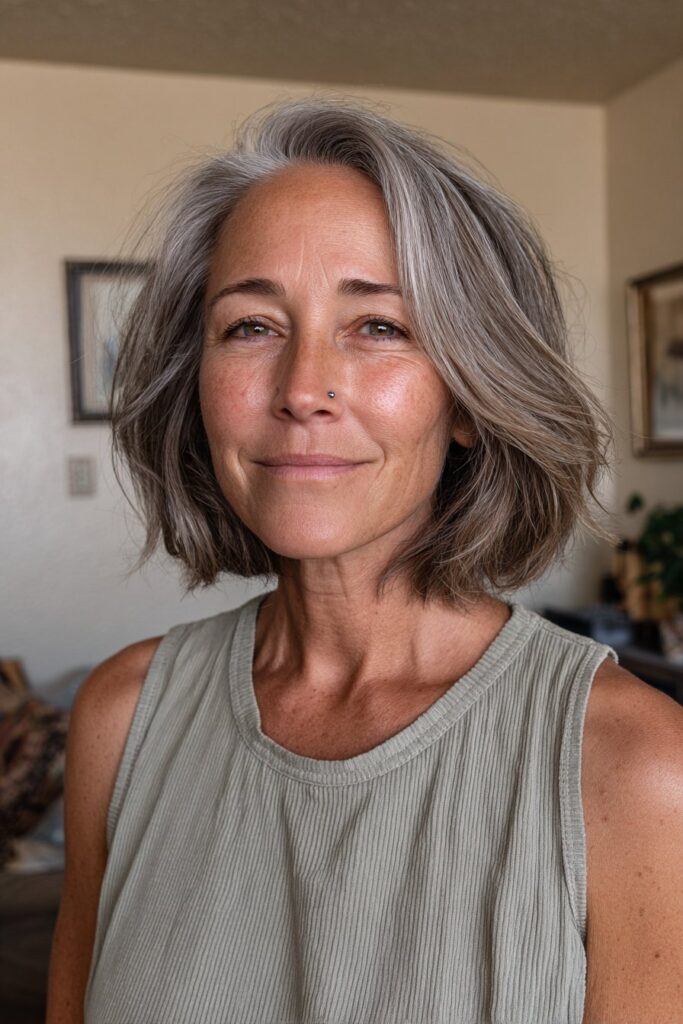
Key Features
The lob sits at that sweet spot between shorter bobs and longer locks, hitting right at your collarbone. Essentially, this is a longer version of a bob with effortless elegance and surprising range. What I love about this cut is how it gives you options without demanding high maintenance. The structure features long layers and fullness throughout the style, creating a unique shape that frames your face beautifully. Unlike heavily layered cuts, the lob relies on blunt line work with minimal soft layers to maintain its shoulder-length presence. This precision creates a clean perimeter that shows off healthier-looking ends while keeping enough weight to move naturally.
Why It Adds Volume
Given that thin hair struggles with appearing flat, the lob addresses this through strategic length and layering. The shoulder-length cut creates the illusion of fuller hair right from the start. I’ve watched clients transform their entire look when they understand this principle: keeping length at the shoulders while adding light layers gives thin hair movement without losing body. The blunt line work preserves perceived fullness while subtle layering adds bounce. Product choices make a significant difference here. Volumizing mousse combined with round brush blow-drying shows off more body in the hair. The lob’s structure allows you to build lift at the roots while maintaining that fuller appearance through the ends.
Styling Tips
For everyday wear, prep waves and curls with styling cream, then diffuse and fine-tune individual pieces with a curling wand as needed. Straight hair benefits from mousse application before blow-drying upside down to build volume, then finishing the ends with a round brush to control frizz. I recommend wrapping large sections around a 1.25-inch curling iron horizontally for subtle loose bends that add texture. Loose waves paired with a side parting give this cut an effortlessly relaxed feel. For sleek days, the face-framing shape highlights your best features while creating definition. The versatility here is remarkable: you can wear it curled, straightened, in a side or middle part.
Best Face Shapes
Oval and longer face shapes benefit most from the lob’s unique structure. The face-framing length perfectly complements these proportions. In other words, if your face runs rounder, opt for a long bob to create elongation. Conversely, longer faces suit shorter bob variations better. The shoulder-grazing length works universally well, though adjusting the exact length based on your face proportions maximizes the flattering effect.
Bixie
Key Features
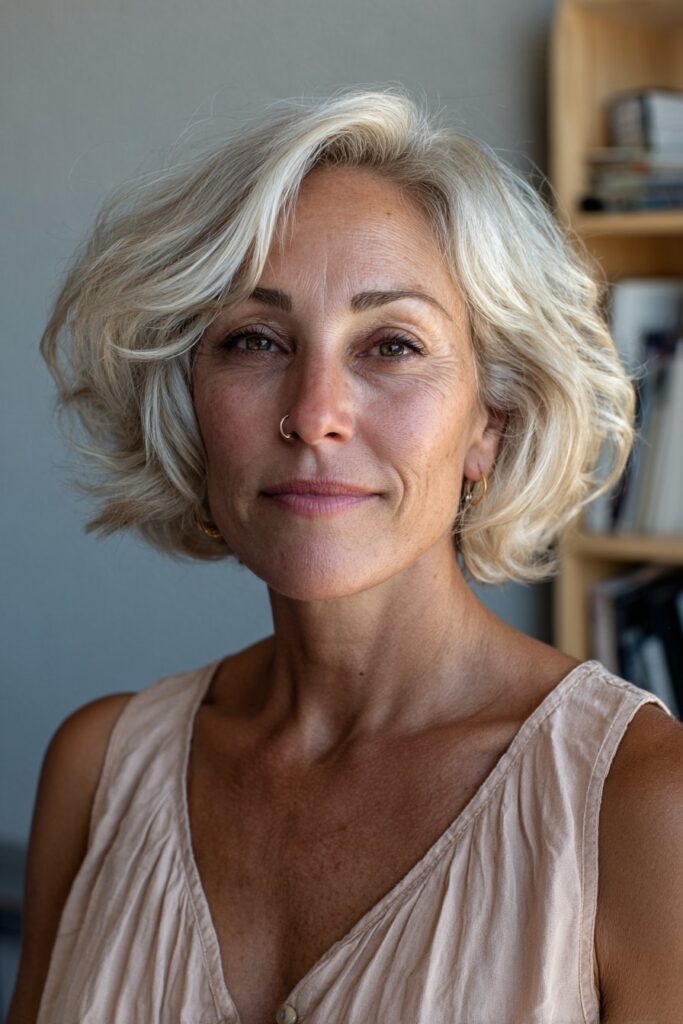
When clients ask me about transitioning from longer hair but fear going too short, I introduce them to the bixie. This hybrid cut blends the measured elegance of a bob with the edgy appeal of a pixie, creating something bold yet feminine. The name itself merges both styles, and the structure does the same. Specifically, the bixie features choppy, layered styling with shorter strands at the back and longer, face-framing pieces at the front. Falling just above or at chin length, this cut showcases short, textured layers throughout the crown and sides. What makes this cut exceptional is the graduated bob technique in the back where hair sits tight at the nape and slowly stacks to build volume. I use a razor to apply the shape so that it maintains solid structure while appearing incredibly soft. The round shape from top to bottom and front to back creates fullness around the ears for that bob silhouette while staying heavily textured around the front and top for pixie playfulness.
Why It Adds Volume
For fine hair, the bixie works remarkably well when tailored correctly. The layered structure provides added volume and movement that single-length cuts can’t achieve. I’ve watched this cut bring life to thin hair in an instant when the technique is right. However, over-layering removes strength, so the cut must be personalized to your individual texture. With proper execution, the layering creates movement and body that makes finer hair look substantially fuller. The key lies in keeping volume at the crown, which helps soften and fill out angles in your face while creating that airy, dimensional finish thin hair desperately needs.
Styling Tips
I tell my clients that styling a bixie should feel playful. Start on damp hair with lightweight mousse or setting spray, then flip your head upside down while blow-drying to create volume and lift at the root. This builds air and dimension through your hair naturally. For curly or textured hair, a quick blast with the hairdryer for extra lift is sufficient. Silkier hair types need slightly more effort. Once dry, work a small amount of pomade through the ends to define them and create a slight flick. The goal is texture that feels flirty, soft, and effortless. Texture spray misted through mid-lengths and ends creates soft separation and that modern, lived-in appearance.
Best Face Shapes
The bixie adapts to most face shapes with slight adjustments. Diamond, square, triangle, and heart faces benefit particularly well because crown volume softens angular features. Oval faces have flexibility and can experiment with length based on preference. For round or square faces, keep extra length through the back to soften the overall look. At least some length adjustment based on your proportions ensures the style complements your individual features beautifully.
Layered Bob
Key Features
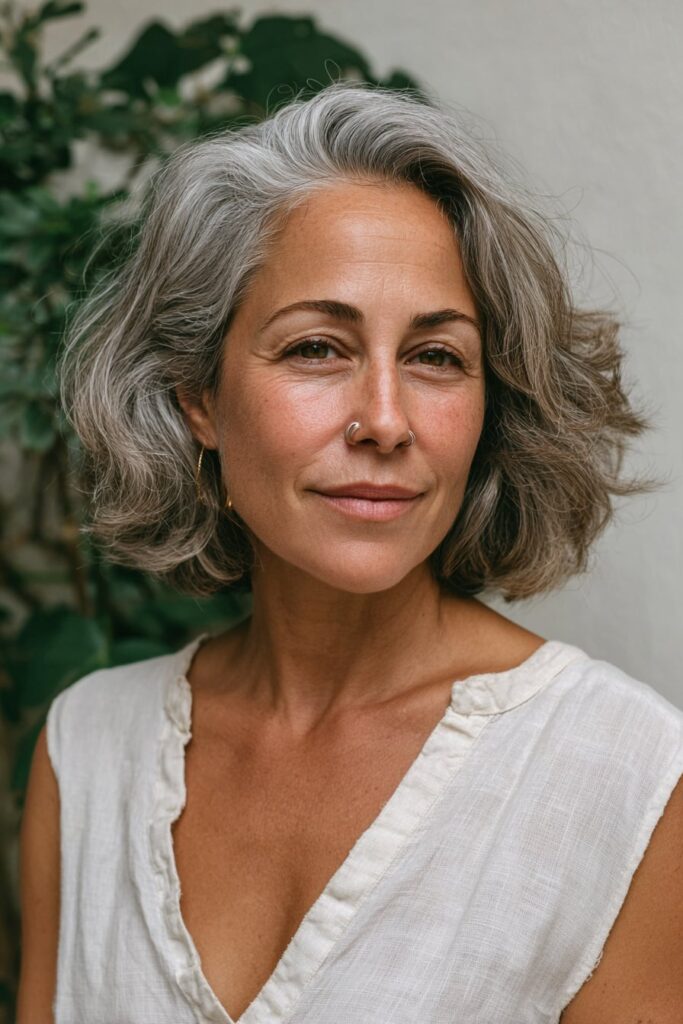
Layered bobs represent one of the most adaptable haircuts for thinning hair women can choose, particularly when texture and movement matter. Through my years of styling, I’ve refined this cut to perfection because the layering technique determines everything. The layers distribute the weight of your hair strategically, forming various silhouettes and shapes depending on your hair type. What makes this cut exceptional is how it removes density around the neck area for thin hair while adding body and volume to straighter locks. I customize each layered bob by placing layers exactly where you need movement or where I need to remove extra weight, though I’m careful because over-layering turns it into a shag. The pieces in the back shouldn’t be longer than the front, creating that signature face-framing effect that accents your cheekbones and gives your face a lifted appearance.
Why It Adds Volume
Length matters significantly when working with fine hair. If it’s too long, fine hair appears limp, while going too short with heavy layers makes it look wispy. The beauty of a layered bob lies in strategic placement. Layers add movement and volume and can be customized to frame your face perfectly. For finer hair, layering makes all the difference because layers build volume and movement without heaviness. I’ve seen this transformation countless times: the right layers create the illusion of thicker hair when placed correctly. Meanwhile, I avoid wispy layering that sometimes aids movement but often removes too much weight from fine hair, leaving it looking sparser.
Styling Tips
Styling a layered bob requires smart, lightweight techniques that build volume without weighing hair down. I focus on roots first, lifting hair away from the scalp. Using a round brush while blow-drying is key to creating volume. Apply volumizing mousse only when your hair is about 70% to 80% dry for two reasons: to gain the most natural body and to prevent diluting the product in hair that’s too wet. Use the condenser nozzle on your blow dryer for a smoother, more modern finish. For heated tools, try soft bends or loose waves, as these create far more natural fullness than sleek, straight styles. Above all, avoid applying heavy conditioners, oils, and styling products at the root, as these emphasize flat hair by adding unnecessary weight.
Best Face Shapes
The versatility here is remarkable. Round faces benefit from long layers that elongate the face, while square faces see soft layers reduce harsh angles. Oval faces work beautifully with almost any layered bob variation. Heart-shaped faces balance the jawline with face-framing layers. Have your stylist cut it while your hair is naturally dry, as this helps shape it to your hair’s natural texture.
Shag
Key Features
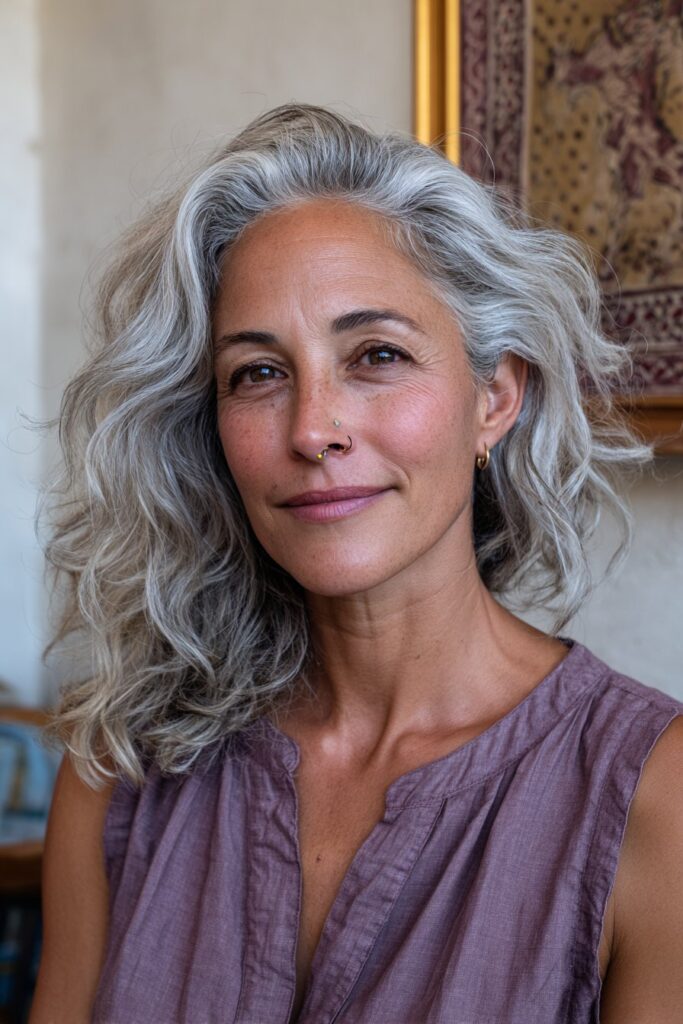
Years ago at my training academy, I watched a master stylist transform lifeless hair with what seemed like magic scissors. That magic was the shag, and I’ve been perfecting this technique ever since. A shag is a layered hairstyle with textured ends, usually with a fringe. The hairstylist uses a razor to cut away heavy bulk from the ends, which gives this hairstyle its voluminous look. In similar fashion to how styles evolve, the modern shag is more layered in the back than in the front, which creates a flattering frame for the face. What makes this one of the best hairstyles for women over 50 with fine hair is its customizable nature. The shag can be dramatic or subtle, short or long, whichever you prefer. I’ve cut shags at shoulder length, neck length, and everything in between, each one tailored to the woman wearing it.
Why It Adds Volume
Shaggy layers remove extra weight from hair, giving fine hair more texture and volume. In particular, these hairstyles for thin hair work as the perfect antidote to flat, lifeless hair. A shag hairstyle also pushes more hair to the front, framing your face and making fine hair appear thicker and fuller. The light, airy layers distribute hair evenly, preventing the scalp from showing, which can be a concern with thinning hair. Essentially, the layered nature allows for a fuller appearance, balancing the face beautifully. Shag hairstyles also embrace your hair’s natural texture, which means less damaging heat styling.
Styling Tips
I start by washing hair with thickening shampoo and conditioner. Apply serum throughout damp hair, then use your fingers to gently twist sections of hair to promote body and waves. Leave hair to air dry, or blow-dry on a low setting with a diffuser. Afterwards, once hair is completely dry, use your fingers to gently tousle the shaggy hairstyle and then set with hairspray for all-day volume. A spritz of dry shampoo absorbs oil and gives your strands some instant texture. One of the easiest ways to give thin hair a boost is with a curling iron, creating soft spirals that take hair from flat to fabulous. Finger comb the curls so they aren’t too formal.
Best Face Shapes
The shag haircut is versatile and looks great on almost every face shape. For round face shapes, opt for a longer shag that elongates rather than covers. Medium-length shags are great for people with oval face shapes. The layered shag is a solid choice for balancing a larger forehead, while face-framing layers frame your eyes and soften your jawline.
A-Line Bob
Key Features
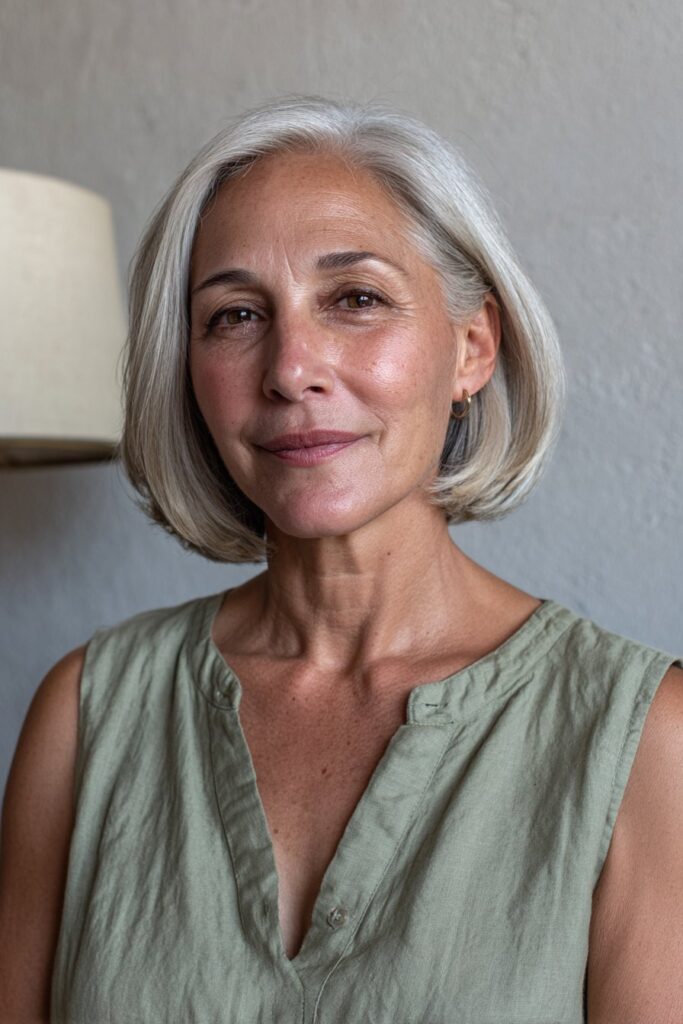
The A-line bob taught me something valuable early in my career: angles matter more than most clients realize. This cut features shorter hair at the back that gradually becomes longer toward the front, creating a sleek, angled silhouette. What distinguishes this from other bob variations is the visibly angled perimeter cut in a continuous diagonal line running from back to front. During my years perfecting this technique, I’ve learned the structure avoids heavy layering in the back and instead focuses on a clean, sharp line with that dramatic forward sweep. The finish is sleek and polished, making it best suited for straight hair or hair with a slight bend. You can customize this cut with or without bangs, and the angle itself can be subtle or more dramatic depending on what you’re comfortable with.
Why It Adds Volume
For fine hair specifically, the graduated shape at the back adds volume where you need it most. I’ve watched this cut transform thin hair because it’s shorter in the back and subtly longer towards the front, building lovely volume at the crown and nape. The chic, dynamic shape adds fullness and a touch of sophistication, often making hair appear much fuller. In essence, the asymmetry and graduation draw increased volume and height in the back while the longer, face-framing layers in the front help narrow the face. Bending in the ends with a straightener, as some of my clients prefer, makes hair look super chic and appear substantially fuller and healthier.
Styling Tips
Begin by blow-drying with a half-round or round brush, wrapping hair around the brush first, then gently curving the ends inward. Follow with a light pass of a straightener to define the surface and edges of the cut. Start with a heat protectant spray, followed by smoothing serum or cream for shine, and finish with shine spray for that polished, glossy effect. For textured days, use a curling wand or straightener to form soft waves, gently separate the curls with your fingers, and mist with texture-enhancing spray. Quick everyday styling? Try parting deeply to one side or tucking one side behind your ear for a chic yet simple effect.
Best Face Shapes
Oval faces can pull off any haircut, A-line included. For round faces, the longer front sections help elongate the face, making it appear slimmer. Square face shapes benefit because the angle of the bob softens the jawline. Heart-shaped faces find balance with chin-length front pieces that help balance a wider forehead. One of those magical cuts, the inverted bob looks good with any face shape.
Graduated Bob
Key Features
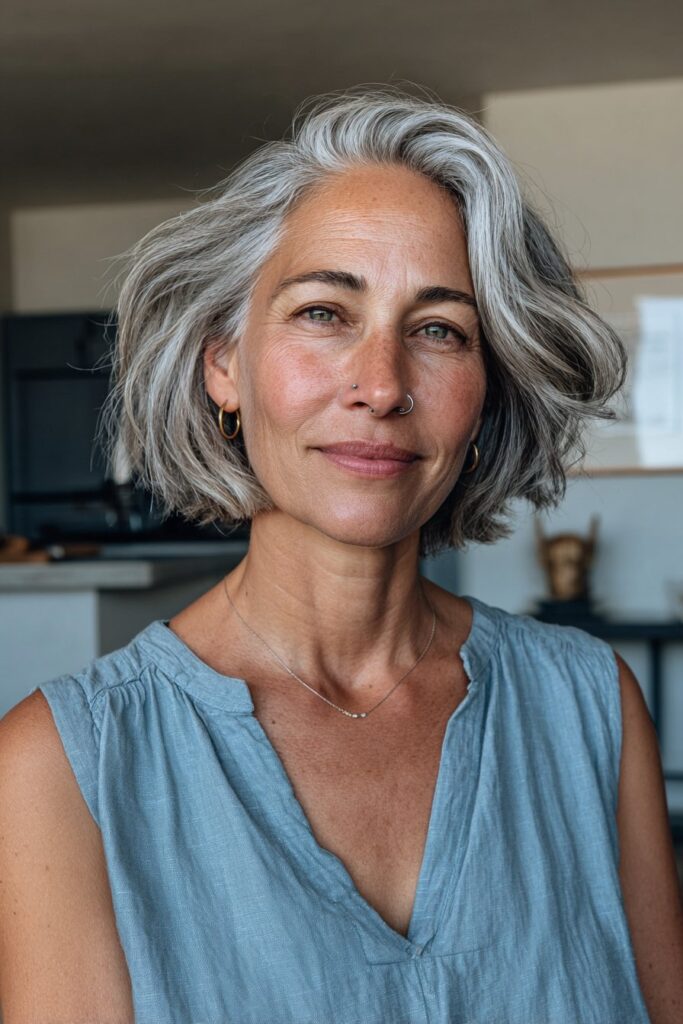
Throughout my years styling hair, I’ve learned that some cuts deliver architecture more than artistry. The graduated bob is one of those power haircuts. Shorter in the back and gradually longer toward the front, this cut creates a stacked, angled shape with built-in volume. The layered graduation gives it structure and lift that flat cuts simply can’t achieve. What makes this cut remarkable is its precision. You need careful cutting to ensure the shorter back and longer, face-framing front work together to enhance bone structure and create dynamic shape.
Why It Adds Volume
For fine to medium hair, this cut is genius. The layers create the illusion of thickness and bounce, giving even lifeless locks a major boost. Fine hair gains instant volume and structure while preventing flatness. By the same token, the stacked effect at the back builds natural height without requiring excessive styling.
Styling Tips
Use a round brush and volumizing mousse to create that stacked effect at the back. Keep nape layers flatter, then build volume toward the crown. Blow-dry the front forward for swing. Trims every six to eight weeks maintain the shape. A deep side part brings drama, while a center part feels minimal and modern.
Best Face Shapes
This cut suits oval, heart, and round face shapes, adding balance and sharpening features. On square faces, it softens or sharpens depending on styling.
Feathered Pixie
Key Features
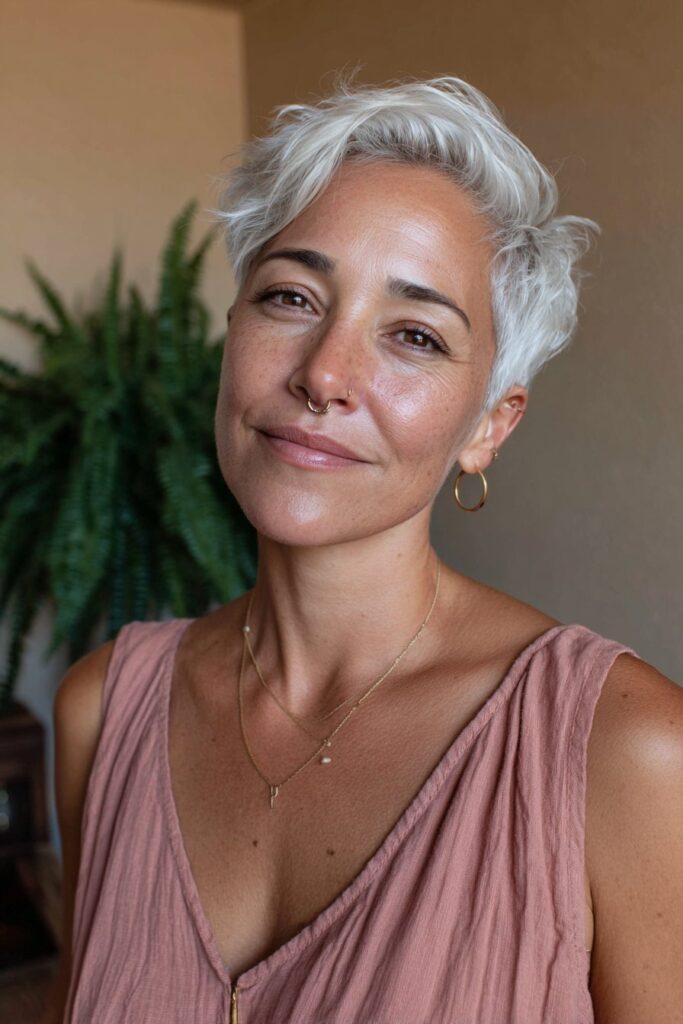
I remember the first time I truly understood feathering as a technique. A client with exceptionally fine silver hair sat nervously, worried any short cut would expose her scalp. The feathered pixie changed everything. This cut features soft, texturized layers styled to look light and airy, creating that signature feather-like appearance. The hair sits at 2-3 inches throughout, with razored layers and choppy ends giving it modern edge. What makes feathering special is the cutting method itself. I use angled techniques to create those delicate layers, which provide volume and movement that traditional blunt cutting can’t achieve. The overall effect feels feminine and low-maintenance, with soft feathered texture concentrated at the crown for maximum lift.
Why It Adds Volume
Feathered layers create the illusion of thickness and movement, making them ideal for fine or thinning hair. The lightness and fluidity prevent hair from looking heavy or stiff. Essentially, the feathering adds lift where you need it most, keeping hair airy and dynamic. Choppy ends and razored layers give volume at the crown, adding subtle elongation that flatters rounder or shorter face shapes. Light hair tones reflect light beautifully, making thinning hair look substantially fuller.
Styling Tips
Apply thickening cream to damp hair and blow-dry to create volume and fullness without stickiness. Texturizing powder and dry wax achieve that tousled texture. Use plenty of mousse with a round brush, or flip your head upside down and blast dry for maximum volume with minimal effort. The wash-and-go friendly shape requires regular trims to keep the silhouette sharp and balanced.
Best Face Shapes
Oval and heart-shaped faces benefit most, as feathered layers soften angular features. Square faces see softened jawlines while the layers bring accent to eyes and cheekbones.
Textured Crop
Key Features
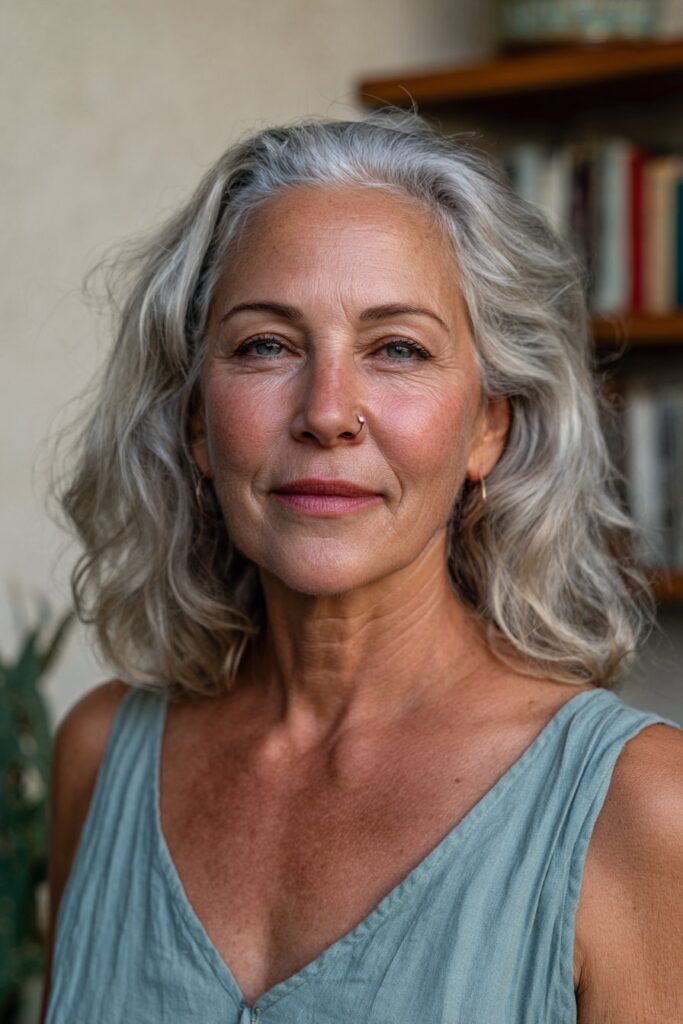
A client once told me she wanted something “short but not severe, modern but not trendy.” I knew exactly what to suggest. The textured crop involves cutting hair close to your head with varying lengths and angles, creating texture, fullness, and slight movement. What makes this cut exceptional is how those strategic angles catch light and create dimension. Specifically, the cut features choppy layers concentrated through the crown and around the face while keeping the perimeter clean. For those hesitant about extremely short cuts, the textured crop offers a middle ground. It often pairs with a slight fade on the back and sides, though you can request a blunt, side-swept fringe with easy-to-manage layers if fades feel too edgy.
Why It Adds Volume
Fine hair benefits from choppy texture because it creates a fuller, lifted look. The secret lies in how the piece-y, broken surface reflects light differently than flat-lying hair. In essence, visible air between strands creates visual separation that reads as volume even when actual density hasn’t changed. The short length prevents hair from lying flat against your scalp, which is exactly what thin hair needs.
Styling Tips
Apply matte clay or texture paste to damp hair, then blow-dry upward with your fingers to build volume. The low-maintenance nature means daily styling takes minutes, not hours. Keep it modern by avoiding stiff, dated finishes.
Best Face Shapes
High cheekbones particularly suit this style. Oval faces have flexibility with length variations, while round faces benefit from added height at the crown.
Choppy Lob

Key Features
Choppy layers transformed how I approach medium-length cuts for thin hair. This style sits at shoulder-grazing length with deliberately uneven, feathered ends that create casual bounce and lightweight shape. What makes it exceptional for fine hair is how the choppy layering runs through mid-lengths, giving the illusion of movement while avoiding bulk at the ends. The tousled waves and feathery layers create a relaxed, undone effect. For instance, when I cut this on straight-to-wavy hair, the texture develops naturally without forcing it. The shaggy appearance comes from wet styling techniques or razoring that enhances the cut’s choppy layers.
Why It Adds Volume
Thin, choppy layering mixed into medium-length hair creates significant texture. The deliberately uneven ends create a tousled finish and add fullness for a modern edge and ultimate texture. Consequently, your hair gains perceived movement and dimension that single-length cuts can’t achieve. The feathered effect provides bounce without weight.
Styling Tips
Work texturizing spray through damp hair for that effortless, lived-in feel. The grow-out is forgiving, though regular texturizing keeps the style fresh. In reality, this cut requires minimal effort—it’s wash-and-go friendly for those who prefer low-maintenance styling.
Best Face Shapes
Oval and heart-shaped faces benefit most from this shoulder-length frame. The curtain bangs soften features beautifully, while the tousled texture flatters medium to low-density hair.
Stacked Bob
Key Features
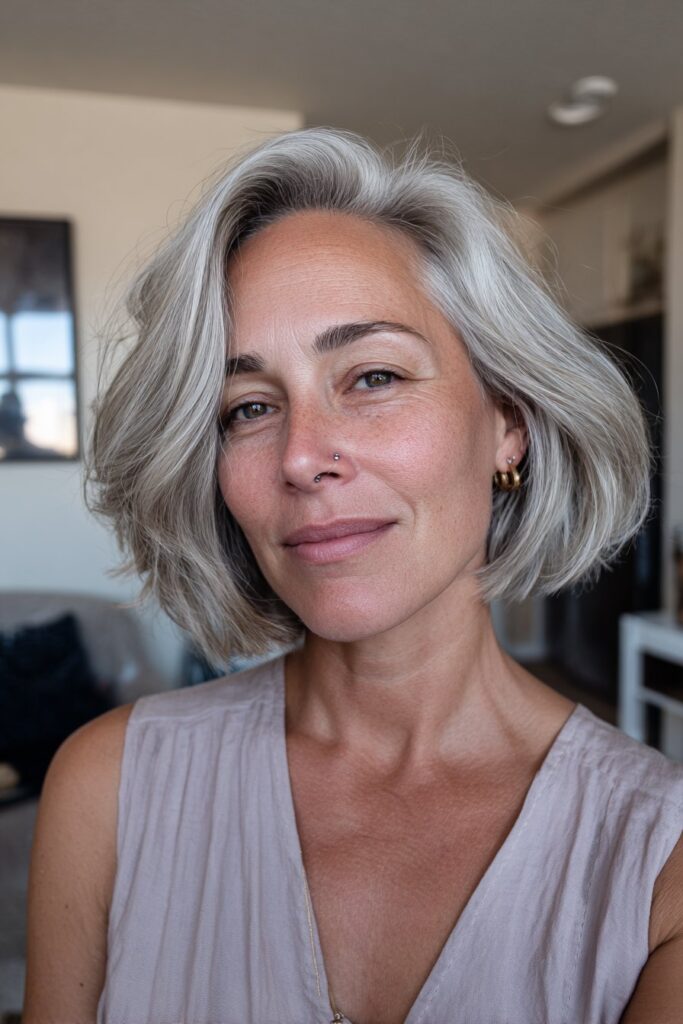
Precision cuts require confidence, and the stacked bob demands both. This graduated haircut sits shorter at the nape and subtly builds length toward the front. What defines this cut is the stacking itself—layered shaping at the crown and nape that creates a rounded silhouette and gives hair natural lift and structure. Unlike the blunt bob where strands fall at uniform length, the stacked bob builds movement and volume through the cut itself, making it feel polished yet soft and wearable. The angled silhouette creates that beautifully rounded, stacked shape through strategic layering at the back.
Why It Adds Volume
The graduation does substantial work for you. By layering hair more densely at the back, you create the illusion of fullness and natural lift at the crown. For fine or thinning hair, this becomes a fantastic option because it removes excess weight while encouraging hair to sit higher and appear thicker. The shape creates movement through the ends without sacrificing density, which is often the challenge with finer hair types. Consequently, the graduated layers at the back naturally lift the crown, making hair appear thicker and fuller without relying heavily on styling products.
Styling Tips
Day-to-day styling can be relatively easy because the shape naturally falls into place. However, regular trims are necessary to maintain the stacked effect and keep the silhouette sharp—most need a refresh every six to eight weeks. Enhancement rather than overworking is key. Use volumizing products to enhance the layered structure, and keep styling minimal to let the cut’s built-in architecture shine.
Best Face Shapes
The stacked bob works particularly well on oval, heart, and longer face shapes because the rounded shape adds width and balance around the jawline and cheekbones. For round faces, leave the front sections slightly longer to elongate.
Conclusion
Throughout my years behind the chair, I’ve witnessed how the right haircut transforms not just appearances but confidence itself. These 12 styles prove that thin hair over 50 isn’t a limitation but an opportunity to discover cuts that truly work for you. In reality, whether you choose a bold pixie, a polished blunt bob, or a textured lob, the key lies in finding a style that honors your hair’s natural texture while adding that instant volume you deserve. Your hair tells your story. With the right cut and techniques, you can make that story feel beautiful, confident, and authentically yours.

Elsa Claire is the founder and editor of ElsaClaire.com, where she writes about hairstyles, hair care, and the everyday routines that help real people feel good about their hair.