
TL;DR
- 22 wolf cut variations built specifically for straight hair.
- Covers short, medium, and long lengths plus bang and color pairings.
- Straight hair needs deliberate texturizing to show off the layers fully.
- Pairs with our Curly Shag Haircut post, since the layering technique overlaps across textures.
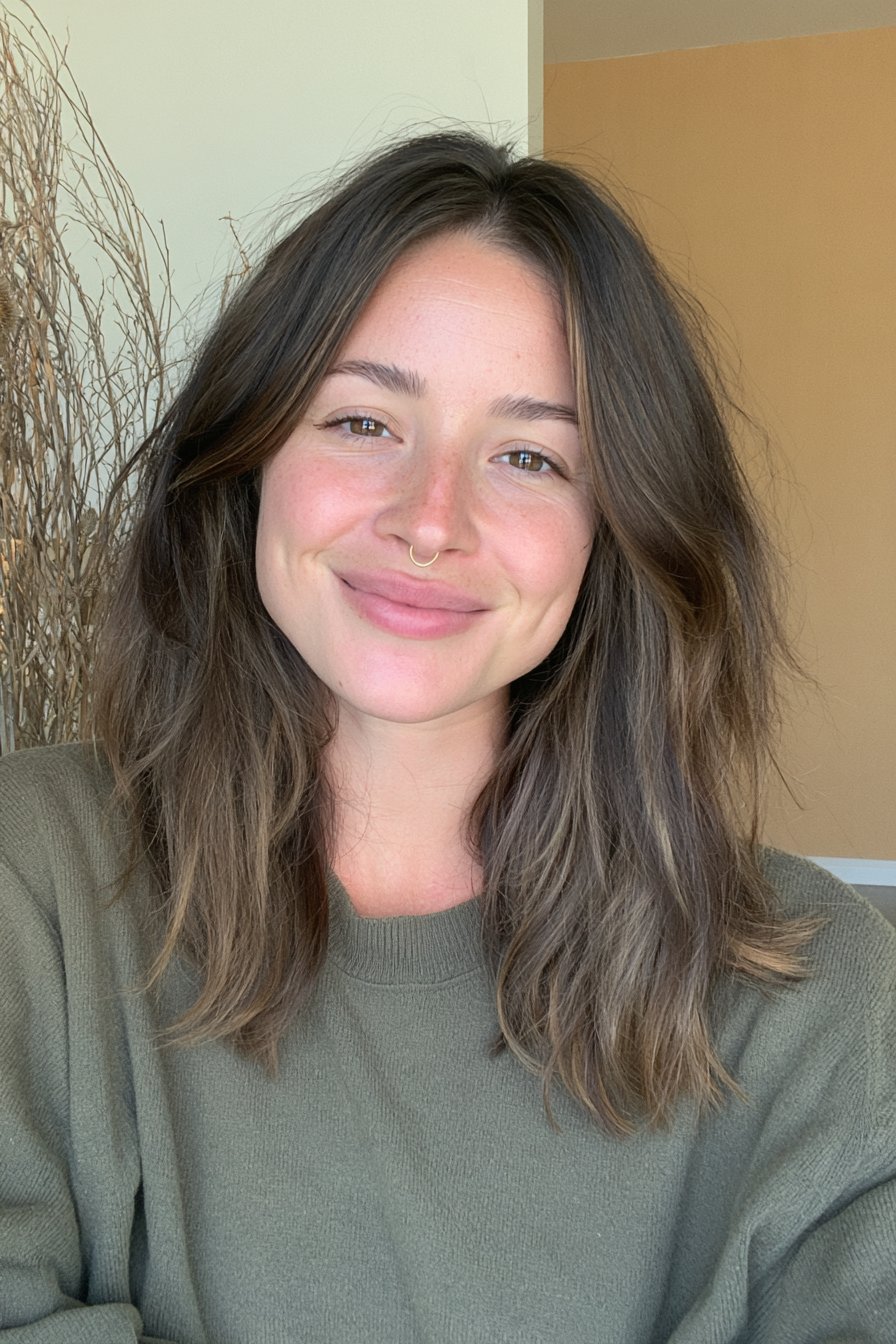
The wolf cut blends the choppy, textured layers of a shag with the length contrast of a mullet, shorter and voluminous at the crown, longer and lighter toward the ends. It’s genuinely versatile across hair types, but straight hair specifically transforms under this cut, turning what can be a flat, one-dimensional texture into something dynamic and lived-in through shaggy, edgy layering.
The one thing worth knowing before booking: straight hair doesn’t have natural curl or wave to fall back on, so the layers may need a bit of texturizing spray or light styling to really show off their shape. That’s a small trade-off for a cut that otherwise requires very little daily effort and grows out gracefully between trims. Face shape is worth considering too: oval and heart faces tend to get an instant lift from the style, round faces benefit from the added height at the crown, and square faces look softer once feathered layers are introduced. Here are 22 wolf cut ideas built specifically with straight hair in mind.
Classic Straight Wolf Cut
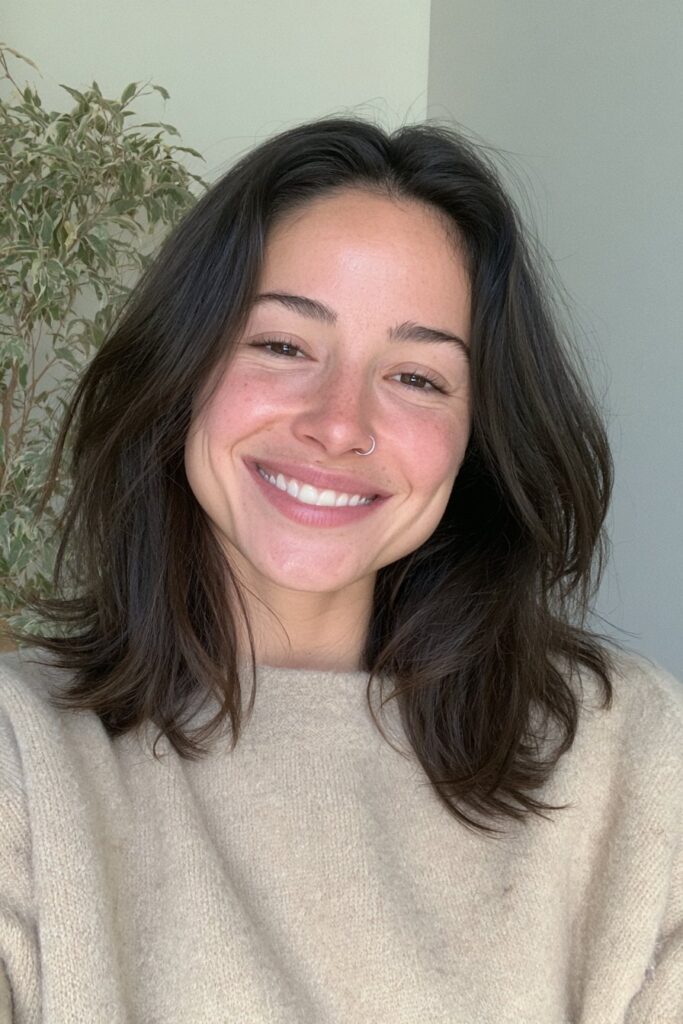
The Classic Straight Wolf Cut combines shag-style layering at the crown with mullet-length ends, creating a timeless base version of the trend. The look draws inspiration from the iconic ’70s shag and the daring ’80s mullet, balancing edgy texture with a refined overall finish. It’s the natural starting point for anyone considering the cut for the first time.
Short Wolf Cut for Straight Hair
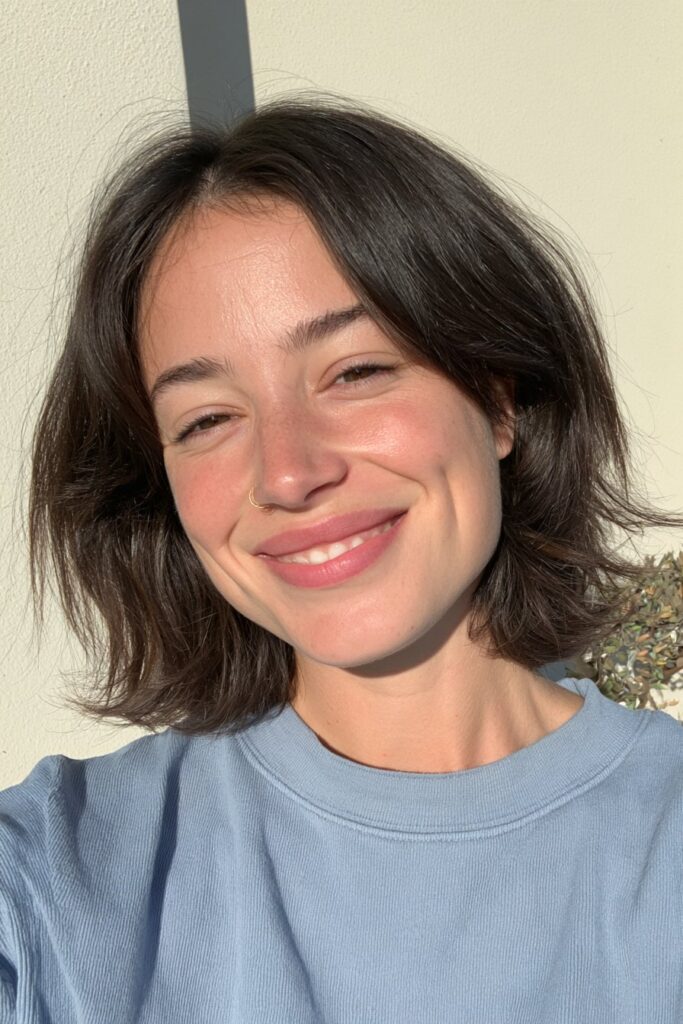
The Short Wolf Cut for Straight Hair keeps the overall length cropped and close, giving the choppy layering an edgier, lower-maintenance finish. The shorter length also means the volume at the crown reads even more clearly against straight strands. It’s a strong option for anyone wanting the trend without much daily styling.
Long Wolf Cut with Feathered Ends
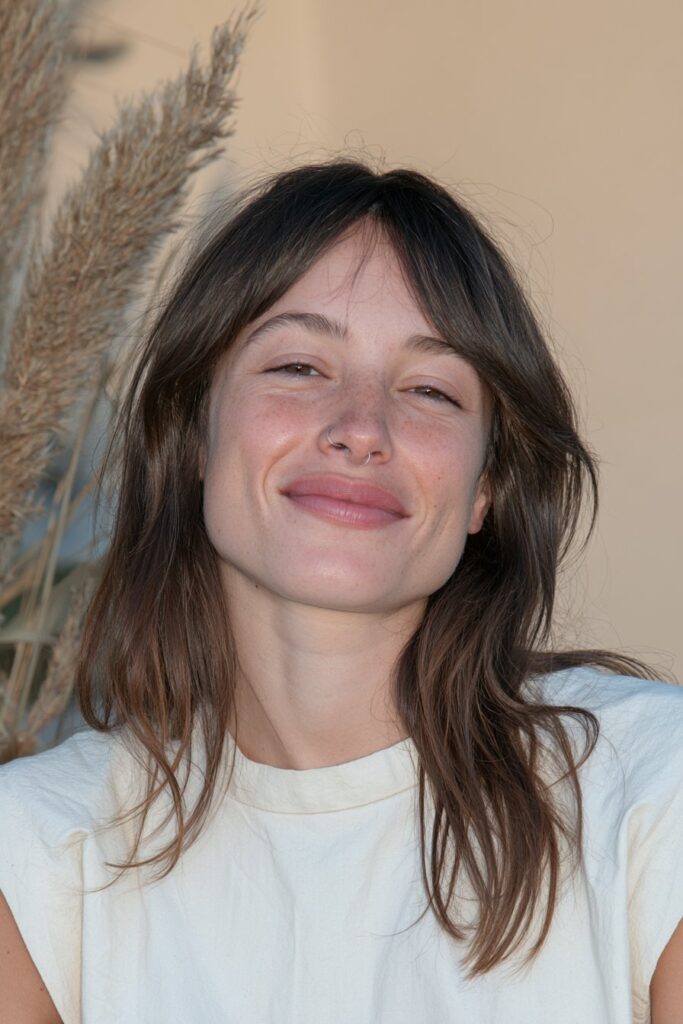
The Long Wolf Cut with Feathered Ends keeps significant length through the back while still layering the crown for volume, finishing the ends with soft, feathered detailing rather than a blunt line. The combination of length and movement gives straight hair real dimension it wouldn’t otherwise have. It’s a dramatic option for anyone not ready to sacrifice length for texture.
Wolf Cut with Curtain Bangs
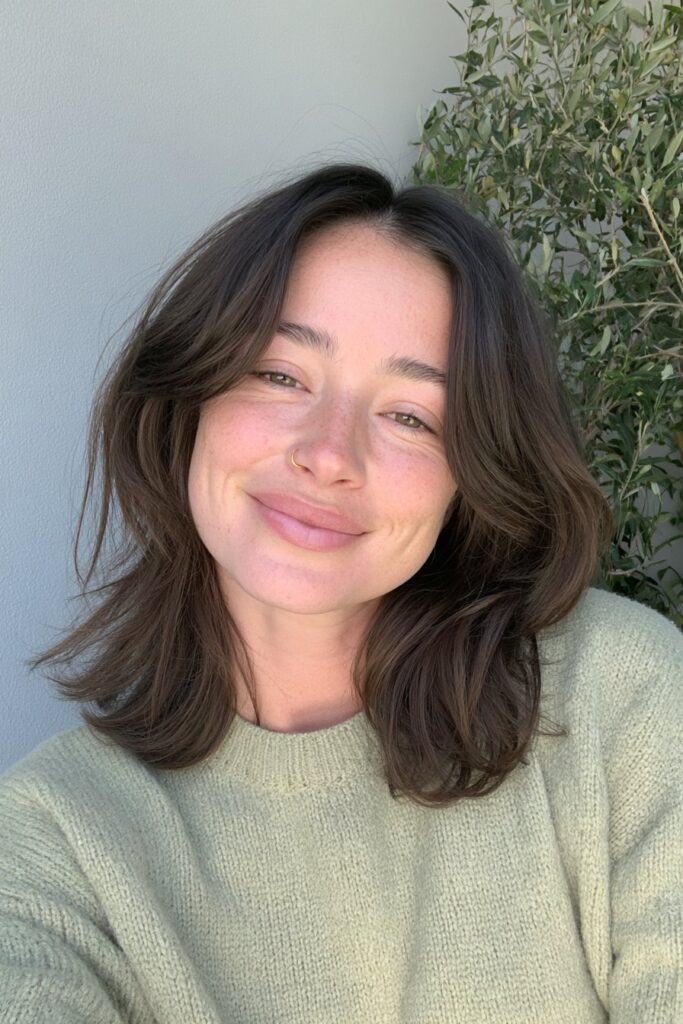
The Wolf Cut with Curtain Bangs softens the face with a center-parted fringe that blends directly into the surrounding layers. The bangs work particularly well with straight hair, since there’s no competing curl pattern to fight against as they fall. It’s an easy way to add face-framing detail without a harsh line.
Wolf Cut with Blunt Bangs
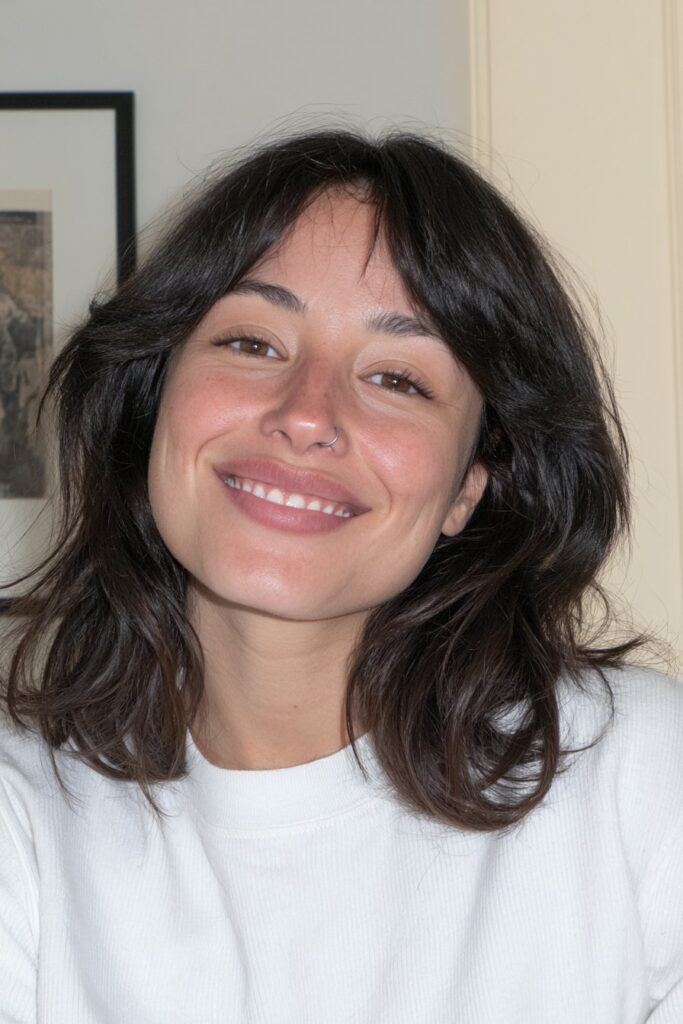
The Wolf Cut with Blunt Bangs pairs a bold, graphic fringe with the shaggy, textured layers elsewhere in the cut, creating real contrast between structure and movement. The straight-across bang reads especially crisp against straight hair’s naturally smooth texture. It’s a striking option for anyone wanting a bit more edge.
Choppy Wolf Cut
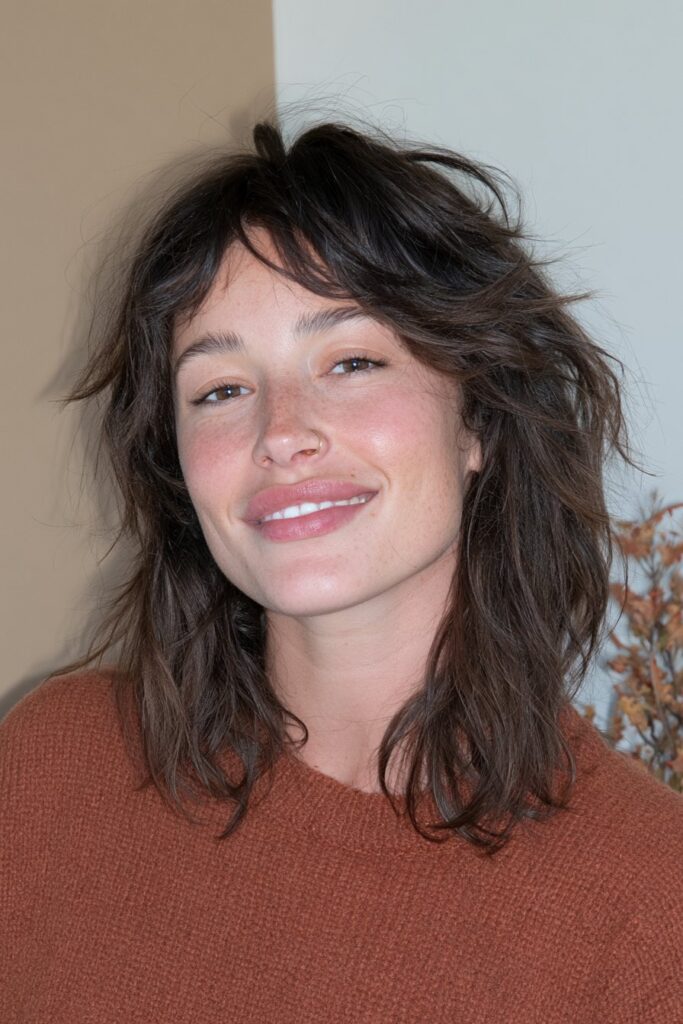
The Choppy Wolf Cut leans fully into maximum texture, using razored, uneven layering throughout for a deliberately undone finish. Straight hair actually shows off choppy razoring particularly well, since the smooth texture lets each individual layer read clearly. It’s a strong pick for anyone wanting the boldest, most textured version of the cut.
Face-Framing Wolf Cut
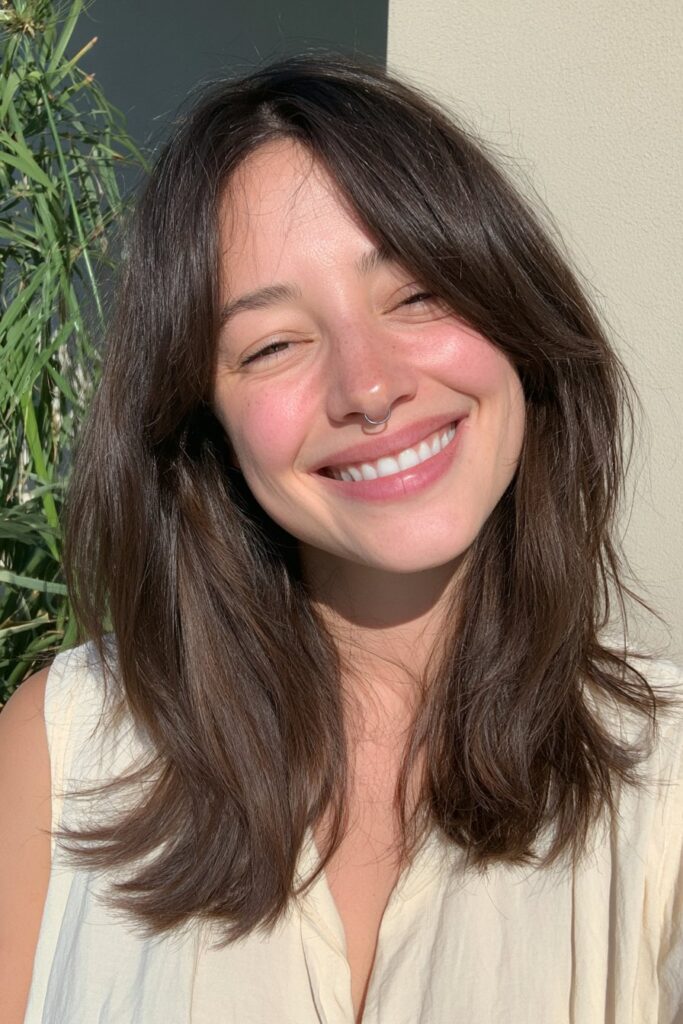
The Face-Framing Wolf Cut concentrates layering right around the cheekbones and jaw, softening features and drawing the eye upward. It’s one of the more universally flattering layer placements, working well across a range of face shapes. A round brush during blow-drying brings out the face-framing detail especially well.
Wolf Cut with Money Piece Highlights
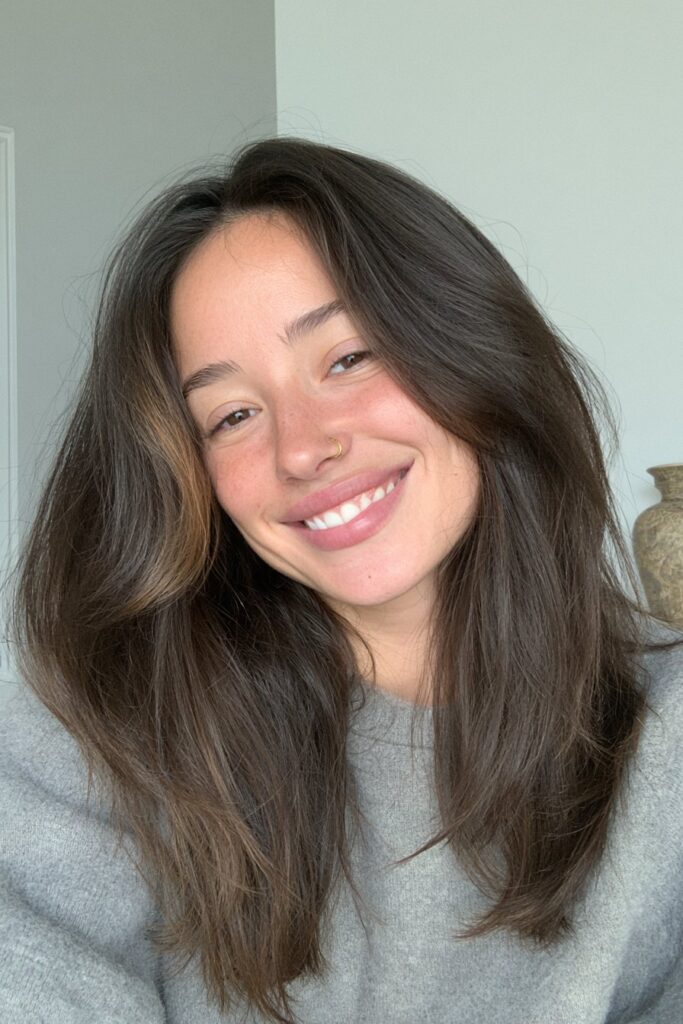
The Wolf Cut with Money Piece Highlights brightens the face-framing pieces with lighter color, drawing extra attention to the crown volume and layering that defines the cut. The contrast between the highlighted pieces and the rest of the hair adds dimension that straight hair often lacks on its own. It’s an easy way to make the layers even more visually distinct.
Wolf Bob
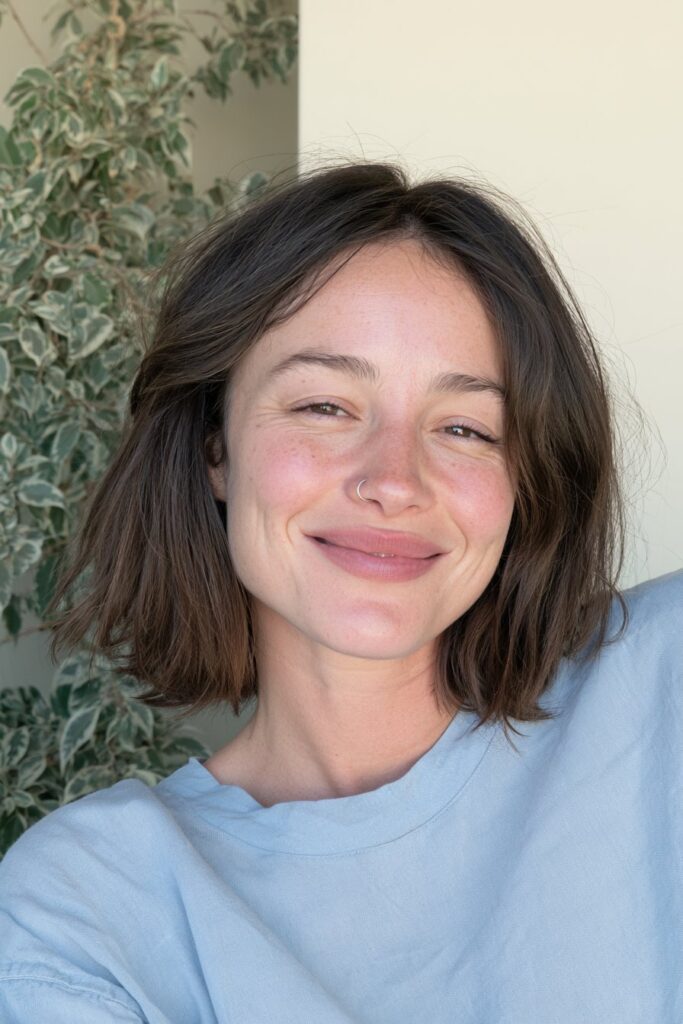
The Wolf Bob takes the wolf cut’s signature layering and applies it to a shorter, bob-length base rather than a longer, mullet-influenced length. It’s a more wearable, everyday version of the trend for anyone not ready for a dramatic length change. The choppy layering still reads clearly even within the shorter overall shape.
Wolf Cut with Side-Swept Bangs
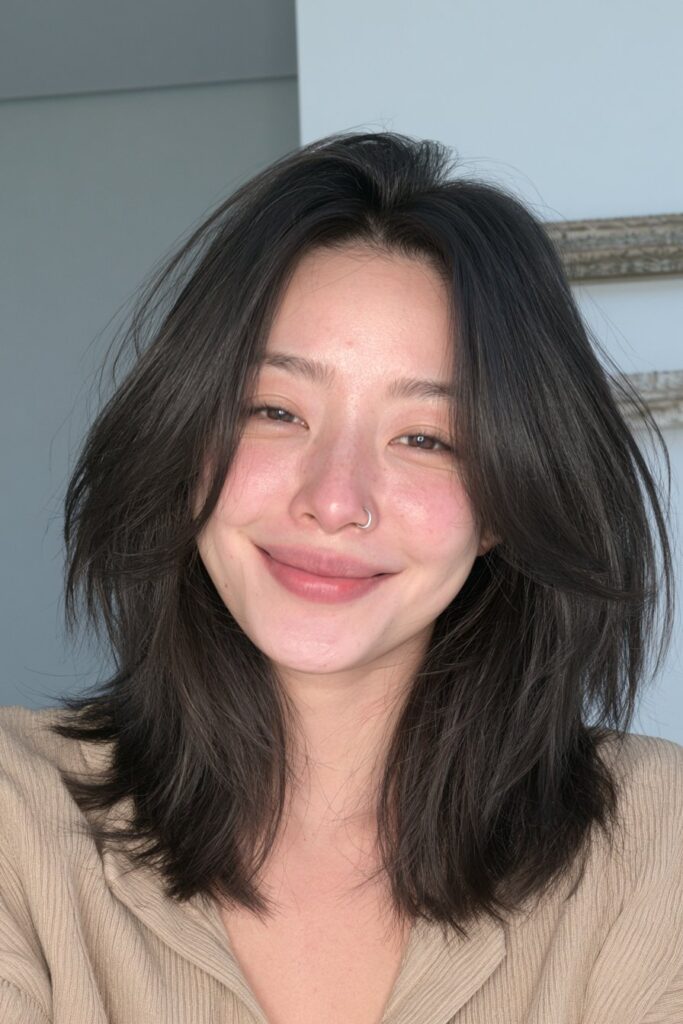
The Wolf Cut with Side-Swept Bangs uses a deep side part to sweep the fringe away from the face, adding a bit of asymmetry to the overall cut. It’s a softer alternative to a blunt, centered fringe, working well with the cut’s shaggy, lived-in quality. A light-hold spray keeps the sweep in place through the day.
Wolf Cut with Balayage
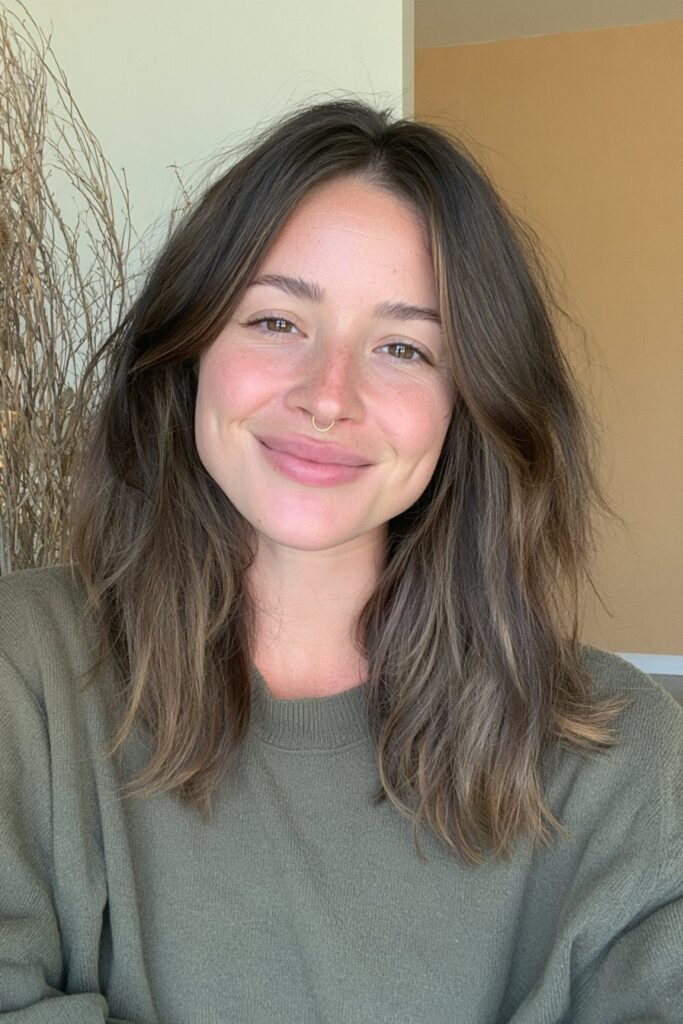
The Wolf Cut with Balayage pairs hand-painted highlights with the cut’s layered structure, letting the color trace and emphasize the movement created by the layering itself. The combination adds depth that a single-tone color simply can’t replicate on straight hair. It’s a popular way to modernize the cut without changing the underlying shape.
Wolf Cut with Undercut
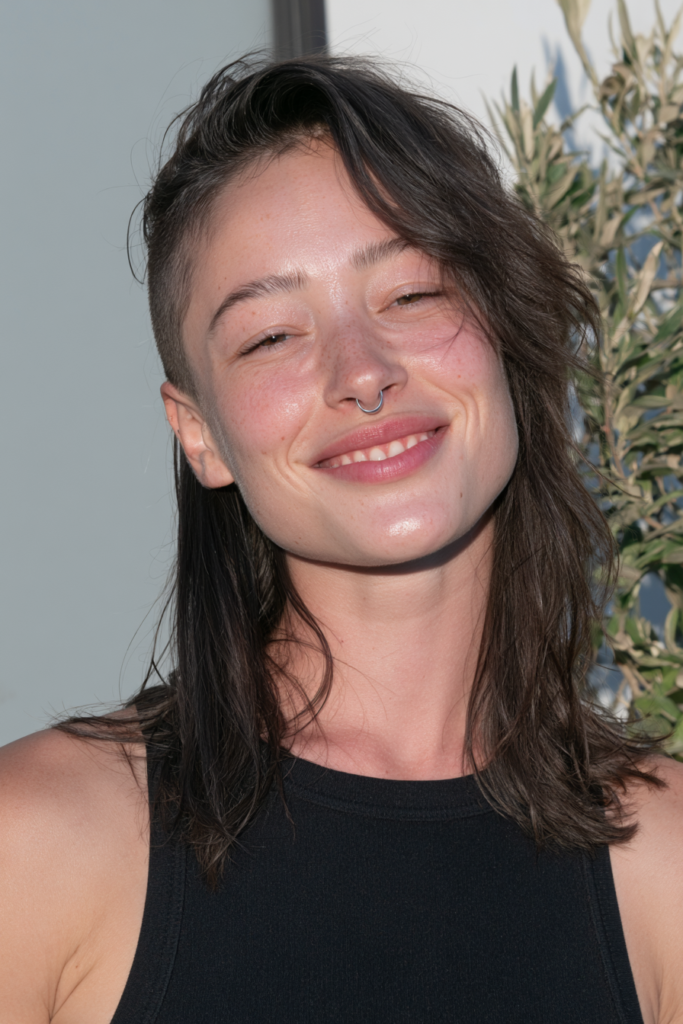
The Wolf Cut with Undercut adds a bold, closely shaved section underneath the longer top layers, creating dramatic contrast when the hair is styled up or pulled back. It’s a bolder, more structural take on the trend for anyone wanting an edgier finish. The undercut also reduces bulk, which can help straight, thick hair feel lighter overall.
Wolf Cut with Micro Bangs

The Wolf Cut with Micro Bangs pairs an ultra-short, blunt fringe with the cut’s voluminous crown for a bold, statement-making combination. It’s not the most understated option on this list, but it draws attention directly to the eyes and cheekbones. A deep side part on the rest of the layers helps balance the boldness of the bangs.
Long Layered Wolf Cut with Face-Framing Pieces
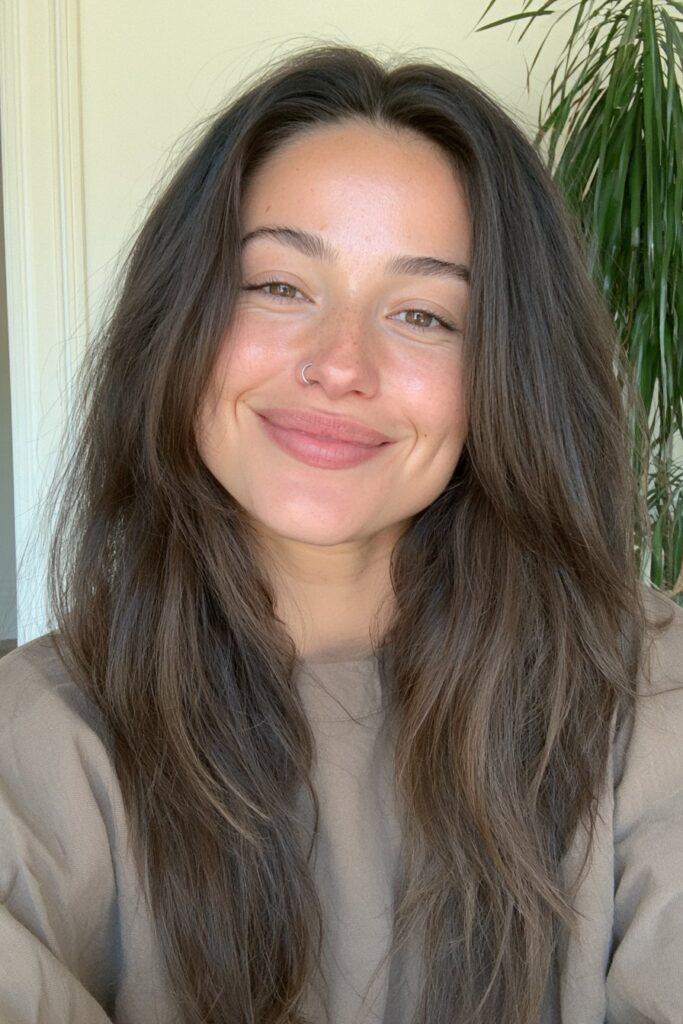
The Long Layered Wolf Cut with Face-Framing Pieces combines significant overall length with soft, face-framing layers concentrated near the front. It’s a way to get both the drama of length and the softness of face-framing detail in a single cut. The combination works particularly well for anyone with an oval or heart-shaped face.
Wolf Cut with Root Volume/Teasing
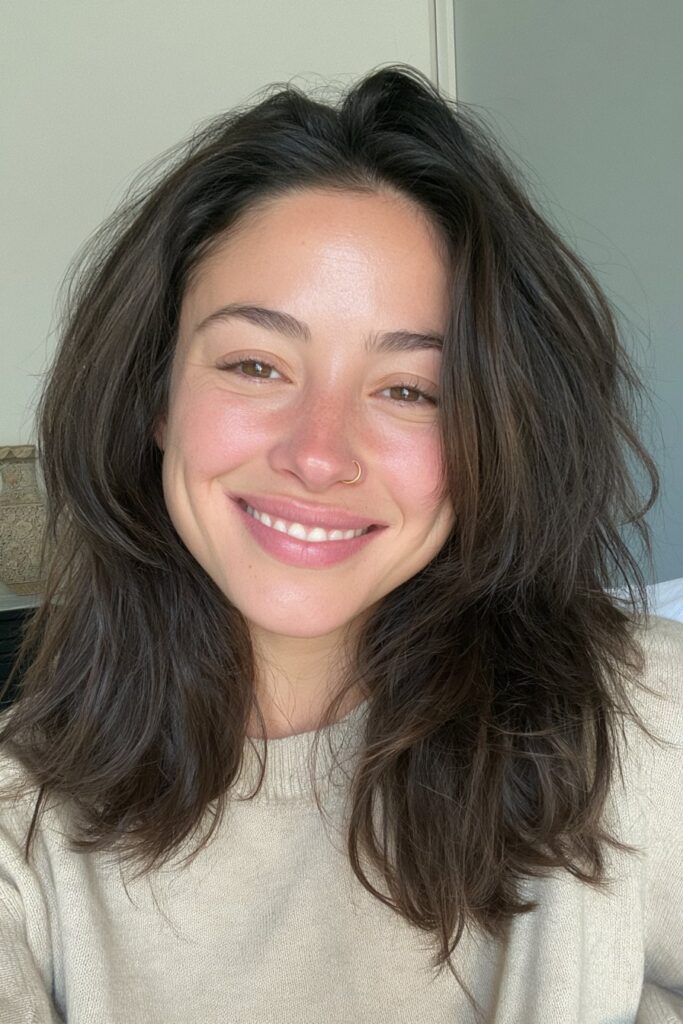
The Wolf Cut with Root Volume relies on a specific styling trick, light teasing or a root-lifting spray, to combat straight hair’s tendency to fall flat at the crown. Since straight hair doesn’t have natural curl to add lift, this technique becomes especially important for showing off the cut’s signature volume. A few minutes with a teasing comb at the roots makes a noticeable difference.
Wolf Mullet Hybrid
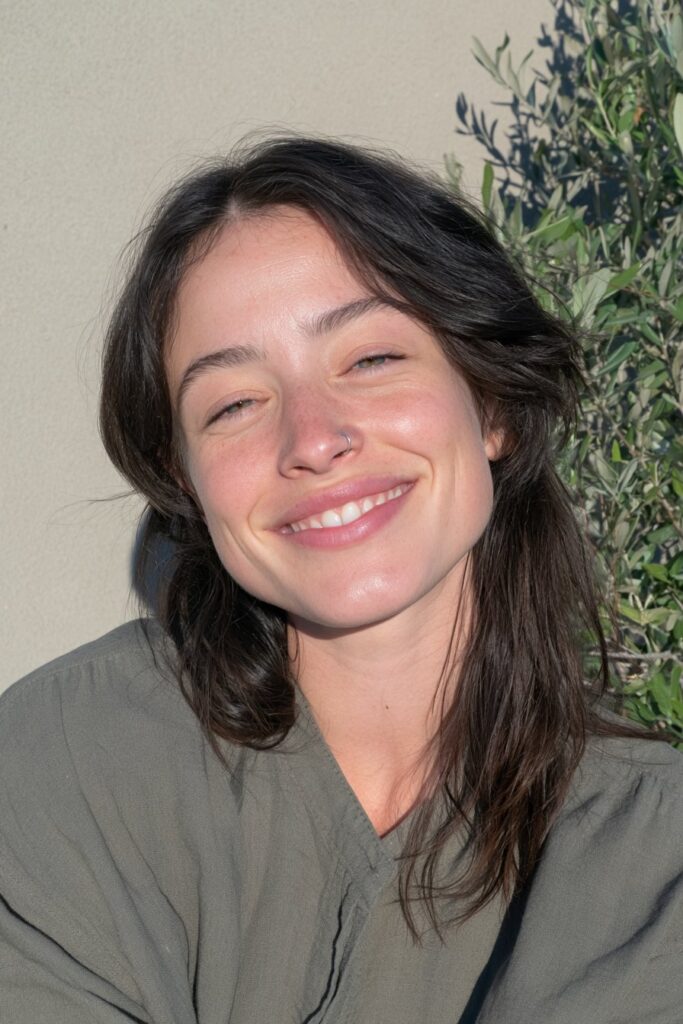
The Wolf Mullet Hybrid leans further into the mullet side of the trend than a standard wolf cut, with a more pronounced length contrast between the shorter crown and longer back. It’s a bolder, more directional take on the style for anyone who wants the mullet influence to read more clearly. The exaggerated contrast works particularly well on straight hair, where the length difference stays crisp and defined.
Wolf Cut with Piecey Crown Layers
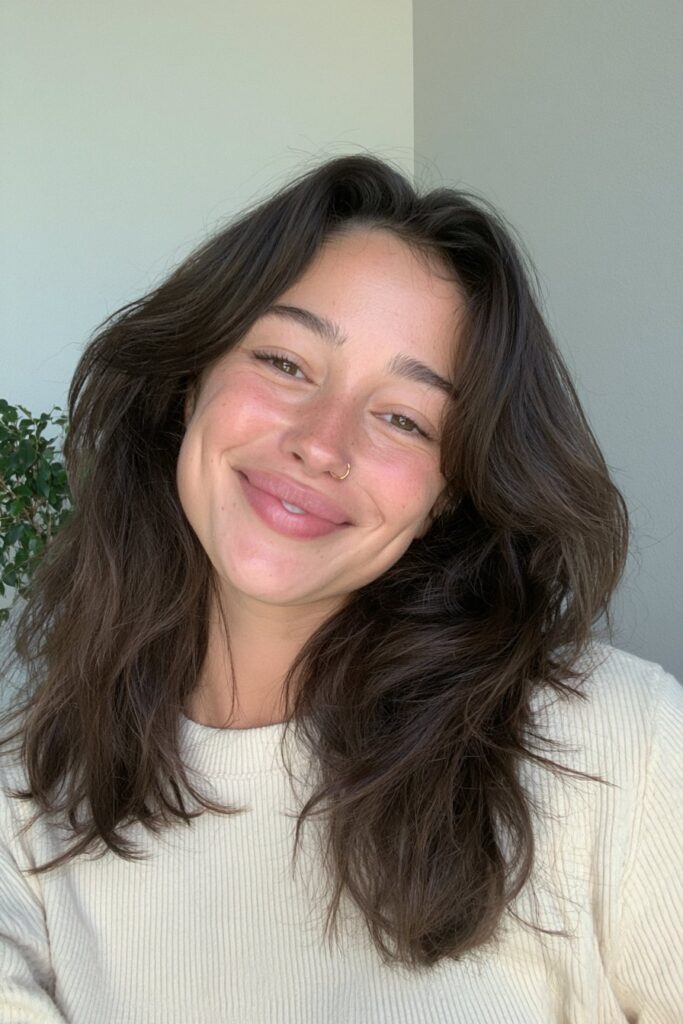
The Wolf Cut with Piecey Crown Layers reflects the 2026 update to the trend, which favors softer, more blended layering than the more dramatic wolf cuts of a few years ago. The piecey, fine layering at the crown still adds volume without looking as choppy or aggressive as earlier versions. It’s a more subtle, wearable take on the cut for anyone wanting to stay current with the style’s evolution.
Wolf Cut with Wispy Ends
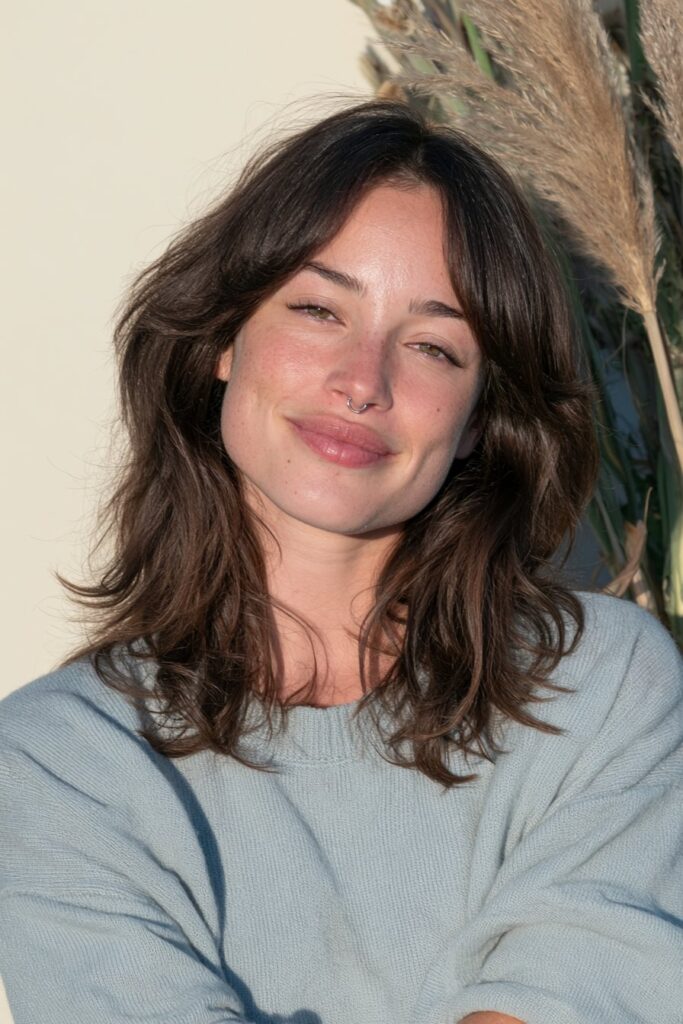
The Wolf Cut with Wispy Ends finishes the layering with soft, feathered tips rather than blunt or heavily razored ends. The wispy detailing keeps straight hair from feeling stiff or overly structured. It’s an easy way to soften the overall cut without losing its signature shaggy texture.
Bold Color Wolf Cut
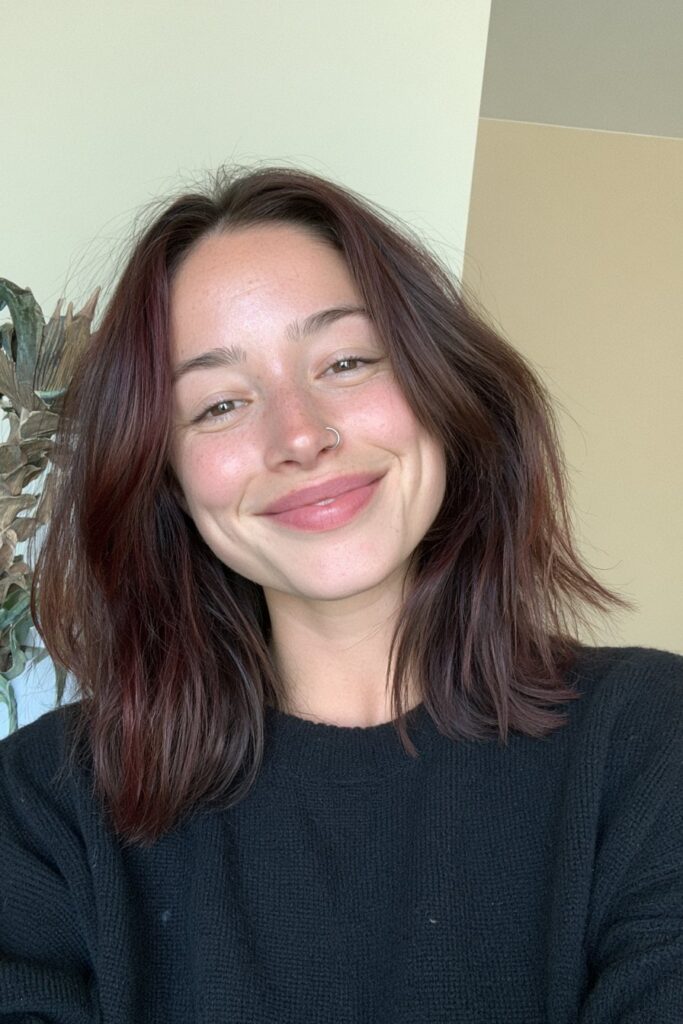
The Bold Color Wolf Cut pairs a vivid, fashion-forward color with the cut’s textured layering for a genuine statement look. The color choice amplifies the movement and dimension of the layers even further than a natural shade would. It’s a strong option for anyone wanting their wolf cut to feel unmistakably bold.
Wolf Cut with Blunt Ends
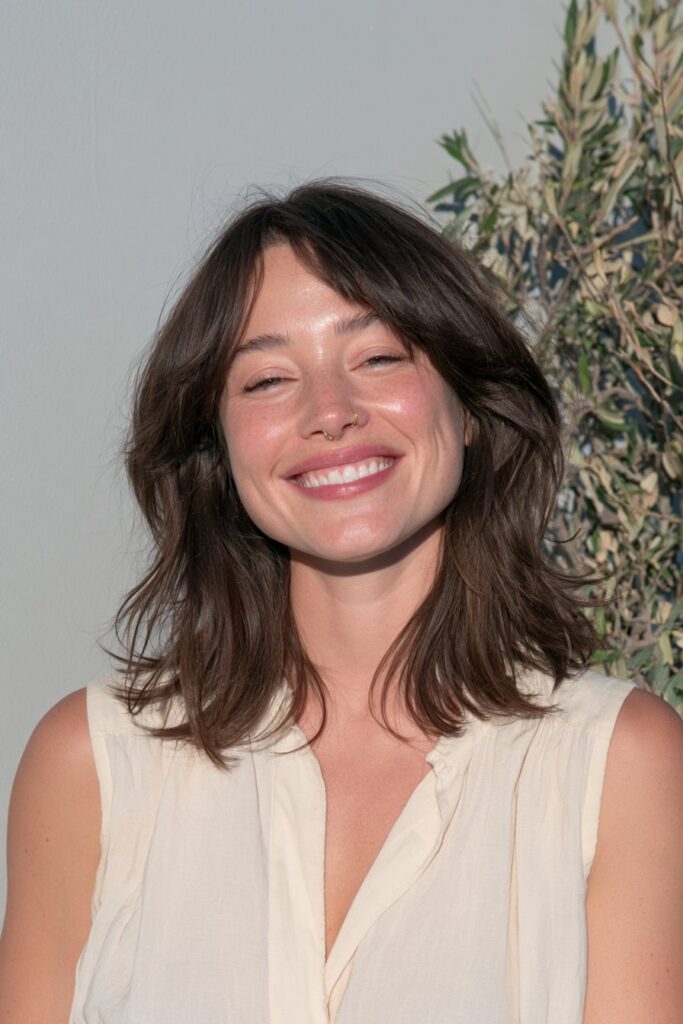
The Wolf Cut with Blunt Ends pairs the choppy, voluminous crown layering with a straight-across, unlayered perimeter at the very bottom. The contrast between textured top and structured ends gives the cut a distinctive, editorial quality. It’s a good option for anyone who likes the drama of the crown layering but wants a cleaner overall silhouette.
Medium-Length Wolf Cut
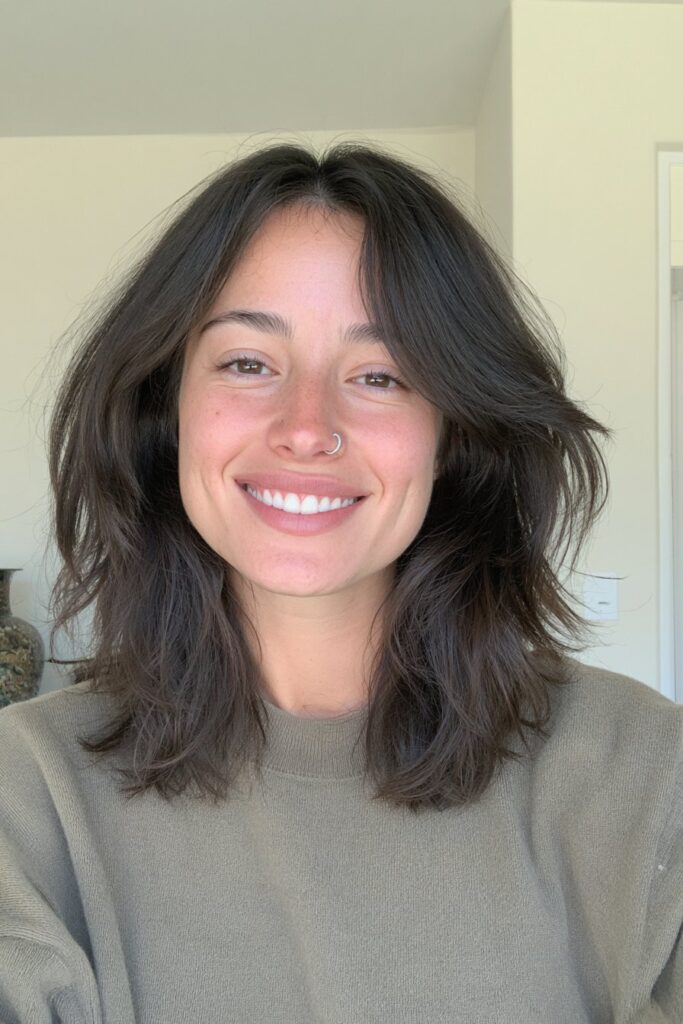
The Medium-Length Wolf Cut keeps the overall length practical and shoulder-grazing, offering a wearable middle ground between the short and long versions on this list. It’s an easy, everyday option that still captures the cut’s signature volume and texture. The medium length also makes styling faster on busy mornings.
Wolf Cut with Shadow Root
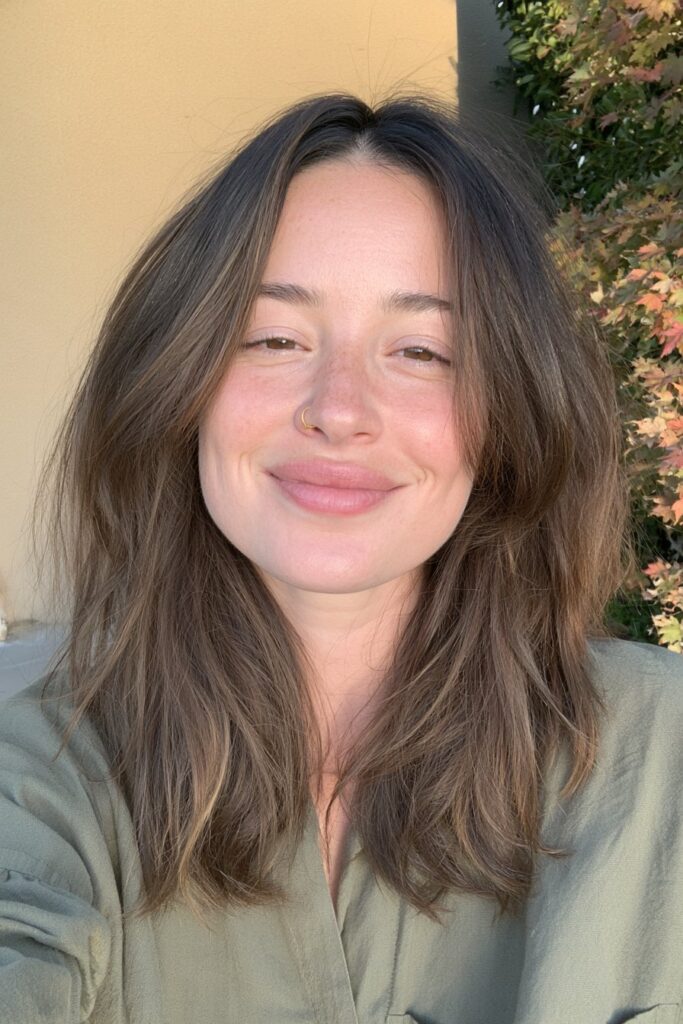
The Wolf Cut with Shadow Root closes out the list by pairing a low-maintenance color technique with the cut’s layered structure, using a deeper root shadow to emphasize the depth created by the layering itself. The technique requires less frequent touch-ups than an all-over color change. It’s a practical, dimension-building option for anyone wanting color without heavy upkeep.
Elsa Claire is the founder and editor of ElsaClaire.com, where she writes about hairstyles, hair care, and the everyday routines that help real people feel good about their hair.