Warm, cool, ash, and reddish takes on the brunette classic, sorted by tone so the right shade is easier to spot.
TL;DR
- 20 chestnut shades sorted by tone: classic, warm, cool and ash, and reddish.
- Covers how undertone and starting color shape the right shade.
- Suits anyone wanting natural-looking, glossy brown with real dimension.
Fall has a way of making everyone rethink their hair, and chestnut brown hair color is where that conversation often lands. It sits in a sweet spot: deeper than a sun-faded light brown, softer than a dramatic red, and warm enough to glow on even the grayest October morning.
At its core, chestnut is a medium brown with a warm red or golden pull, which Wella Professionals frames as the warmth of red folded into earthy brown. Think of it less as a single shade and more as a dial. Turn it toward gold and it glows, toward ash and it cools, toward copper or mahogany and the red steps forward.
The dial happens to be on trend. Colorist Rita Hazan expects 2026 to bring plenty of rich warm tones, with chocolate chestnut browns among them, and Bustle’s fall 2026 color forecast gives toasted chestnut a spot of its own.
Undertone tends to be the deciding factor. Chestnut generally reads warm, which flatters warm-toned skin, but the shade can be customized to run cooler too. Each group below offers a different way to wear the same classic brown.
The practical side is just as appealing. hair.com notes that a colorist can often reach chestnut without bleach, though Wella Professionals points out that very dark or previously colored hair may need a little lifting first. Heat protection and color-safe products, the care basics colorists keep repeating, keep the shine going between appointments.
Whether you are starting from deep espresso or a faded light brown, there is a version of chestnut that fits. Ahead, 20 chestnut shades to inspire your next color appointment, sorted by tone so the classic, warm, cool, ash, and reddish options are easy to compare.
Classic Chestnut Brown Hair Color Shades
These are the foundation shades, the versions closest to what most people picture when they hear the word chestnut. They run from light to dark and from neutral to bronde, with one low-effort grow-out look at the end. Starting depth matters most here: lighter bases tend to move over more easily, while very dark or previously colored hair can need a little lifting first. Think: polished, natural, and wearable on repeat.
Classic Medium Chestnut: The Everyday Standard
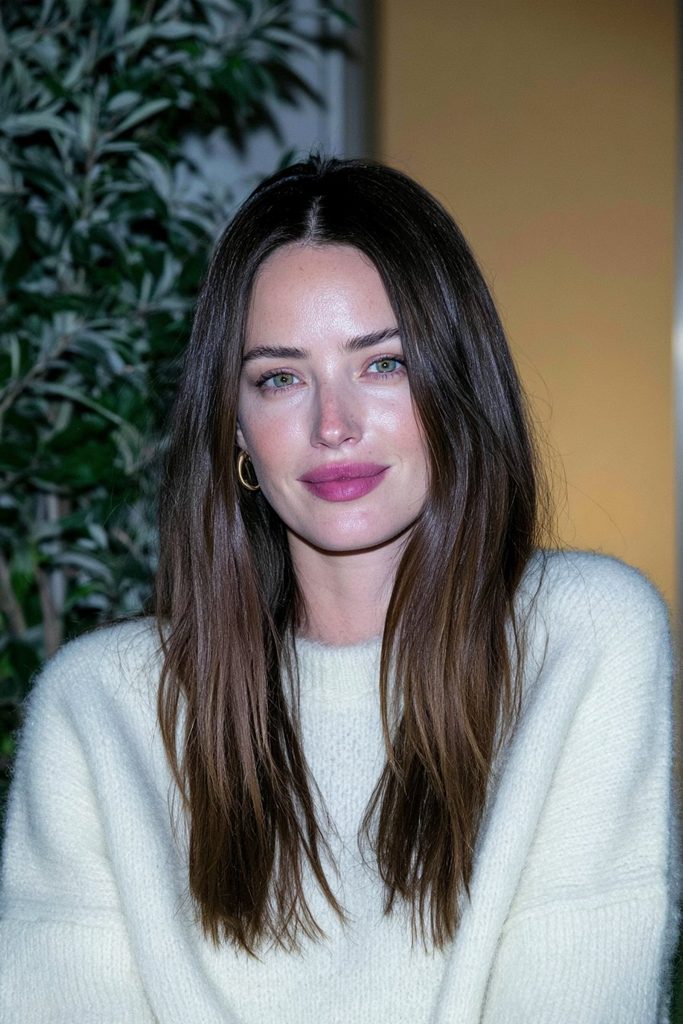
This is the reference point for chestnut brown hair color: a balanced, warm-neutral medium brown with a soft red-gold glow that deepens in sunlight. It often works without any bleach, which makes it one of the easier ways to move from flat, one-note brown to something richer and more dimensional. Hair looks denser and shinier almost immediately, especially when it falls straight and sleek, because warmth gives the surface more light to play with. Pro tip: a clear gloss every few weeks keeps the warmth looking freshly done.
Light Chestnut: The Gentle Step Up

For light brown hair that has been eyeing something warmer, light chestnut is a happy medium between brown and red, according to hair.com. It adds a soft russet warmth without committing to a full color change, so the shift feels gradual rather than dramatic. The result is brighter and a touch sweeter than medium chestnut, with a sun-lit finish that works across every season. Whether you wear it straight or in loose waves, the color reads polished, natural, and quietly radiant.
Dark Chestnut: Deep, Rich, and Quietly Warm

Dark chestnut is the subtle option for naturally deep hair, sitting a shade or two away from espresso, with warmth that only appears when light hits. Very dark or previously colored hair may need gentle lightening first, Wella Professionals notes, so the red-brown undertone can show up properly. It also grows out softly, which keeps maintenance pleasantly low. Once the color settles, the finish is dense and glossy, like polished wood catching the light.
Chocolate Chestnut: Cocoa-Leaning and Glossy
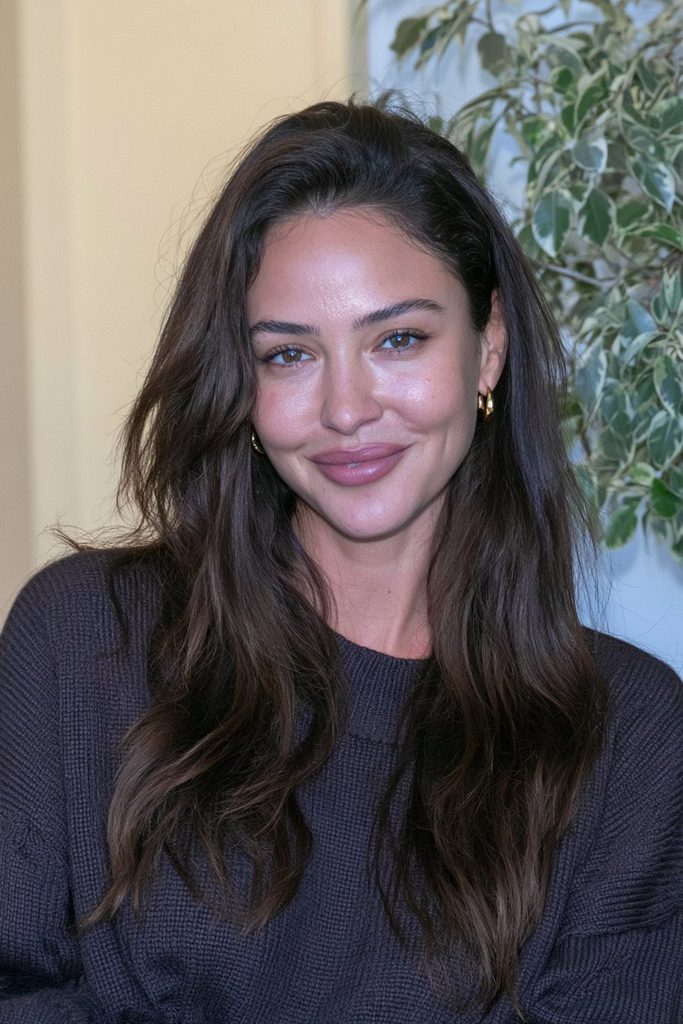
Where classic chestnut leans red, chocolate chestnut leans cocoa: a deeper, smoother brown with just enough warmth to keep it from reading flat. It echoes the chocolate chestnut browns that a colorist’s 2026 forecast expects to see more of, a shade that feels current without feeling trendy. The tone is especially pretty with a blunt cut or sleek blowout, where the shine does most of the styling work. Think: velvety, rich, and effortlessly expensive-looking.
Chestnut Bronde: Where Brown Meets Soft Blonde
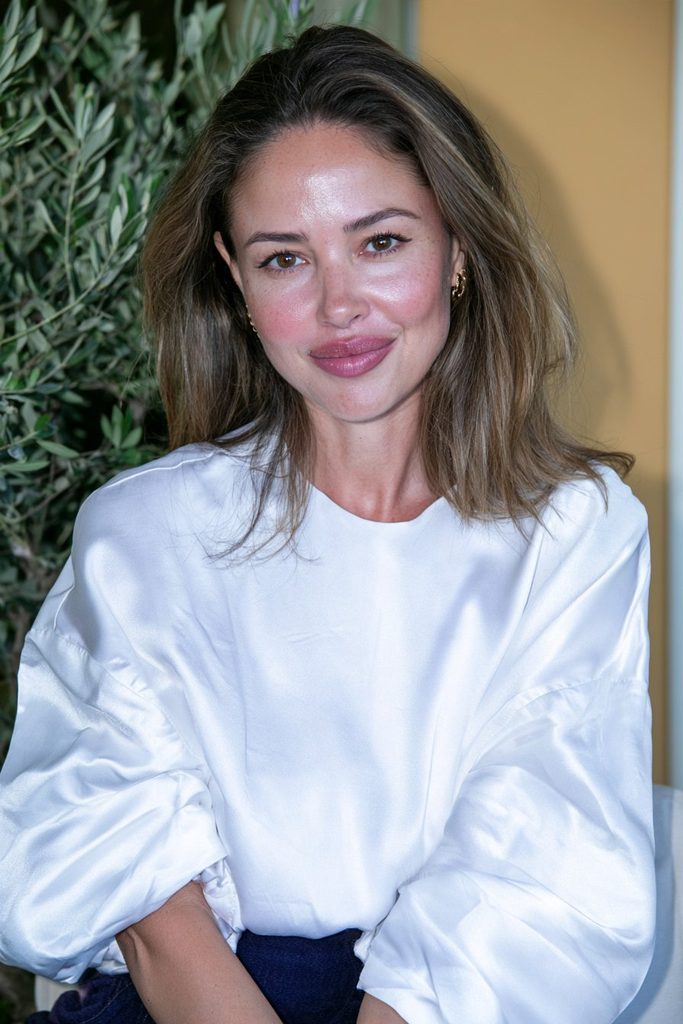
Chestnut bronde blends the depth of chestnut with a soft, sunlit brightness, and Russh flags it as a shade set to dominate 2026. The multi-dimensional finish adds depth and movement without demanding much upkeep. On olive skin it gives a sun-kissed glow, while on deeper skin tones the chestnut richness brings warmth without turning ashy or flat. Brighter pieces around the face tend to look most natural, melting into the brown like light through leaves.
Rooted Chestnut: Low-Maintenance by Design
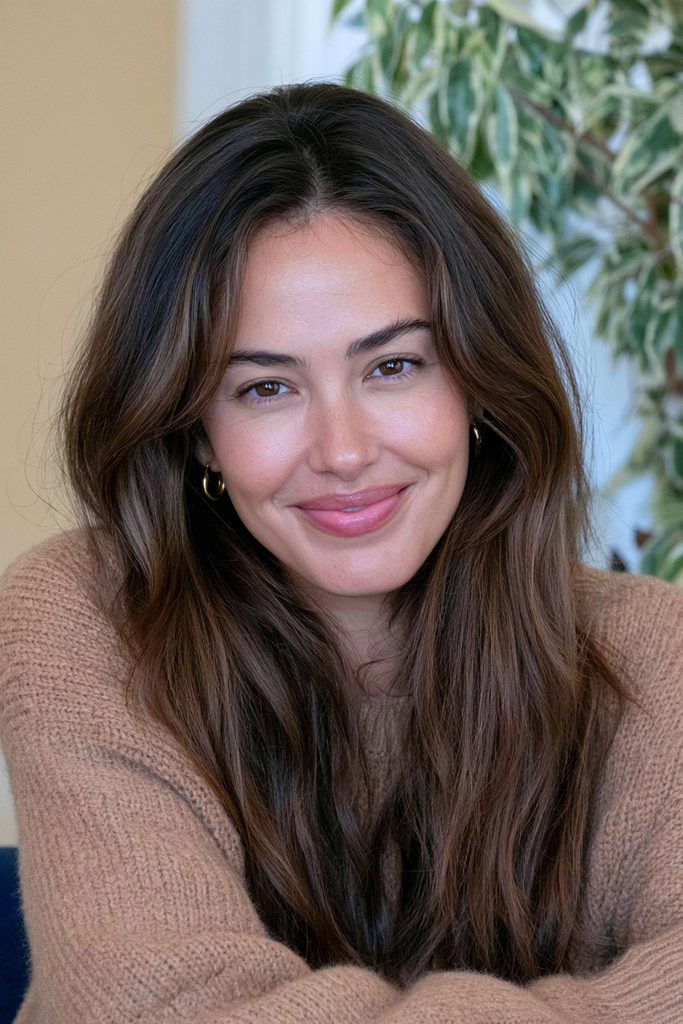
Rooted chestnut leaves the natural dark roots in place and adds warm, reddish-brown color below the crown, the low-effort approach hair.com highlights for chestnut hair. There is no harsh regrowth line to chase, so appointments can stretch further apart. The softer transition pairs naturally with an easy cut, such as the ones in these wash-and-wear haircuts for over 60. The overall look is lived-in, soft, and refreshingly undemanding, with color that seems to melt from root to end.
Warm Chestnut Tones
Chestnut is warm by nature, and these shades lean into it with gold, caramel, amber, and bronze. Warm browns are also having a moment, with colorists pointing to richer, sunnier tones as a 2026 direction. The group tends to flatter warm and olive complexions especially well, and it looks its glossiest in daylight. Whether you gravitate toward honeyed or toasty, there is a version here that feels like a gentle upgrade rather than a total change.
Golden Chestnut: Honeyed Dimension
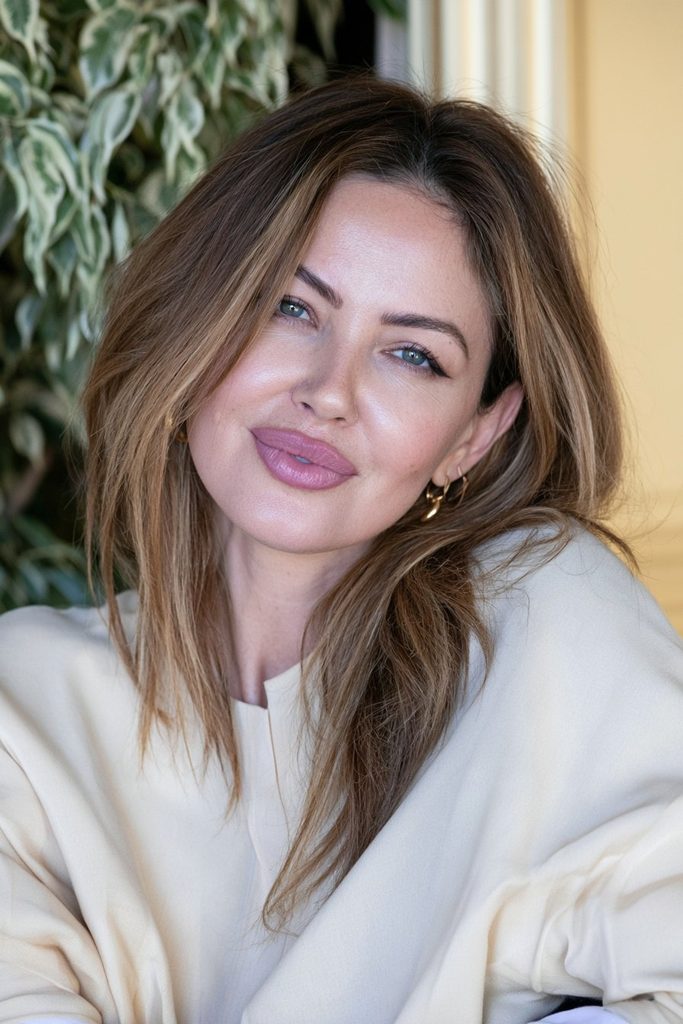
Golden chestnut weaves caramel-toned lowlights through a warm brown base, and Wella’s colorists credit the multi-tonal blend with creating extra depth. The gold catches light at the surface while the chestnut underneath keeps everything grounded and rich. It tends to suit warm and golden complexions especially well, and it looks equally lovely on long layers or a polished bob. Think: honeyed, glossy, and quietly luminous, like a brown that has been left in the sun.
Toasted Chestnut: The Fall Favorite
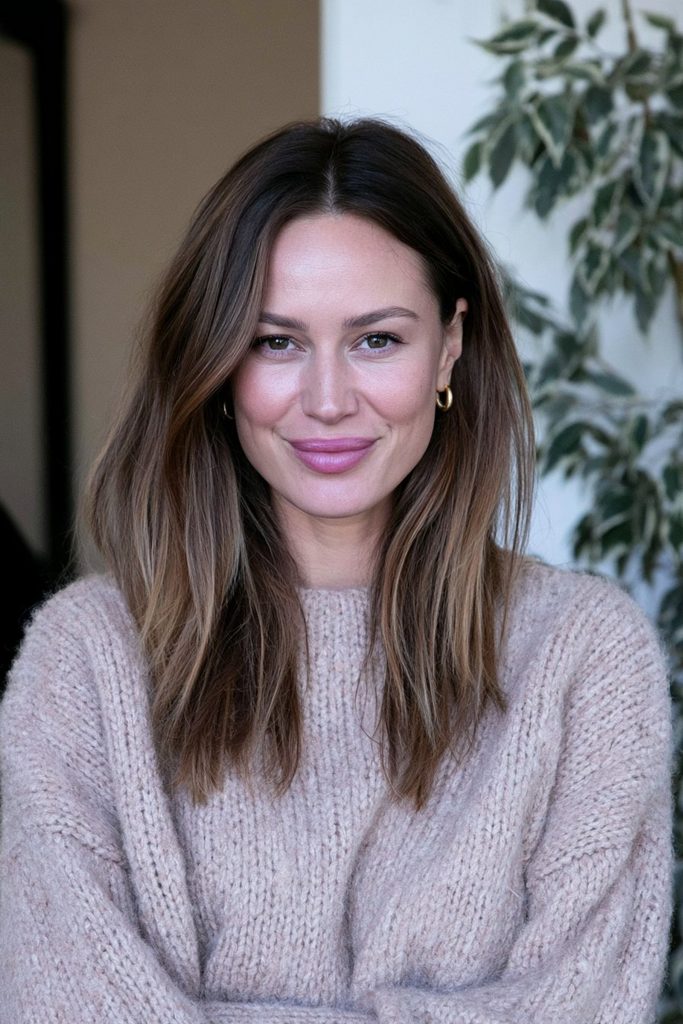
Toasted chestnut is a very warm brown with plenty of dimension, and it earns a spot in Bustle’s fall 2026 color forecast. A colorist quoted there describes the shade as warm, reflective, and soft against the skin. Pro tip: a gloss between appointments keeps the toasty warmth looking freshly done. Loose waves show off the shifting tones best, as in these beach hairstyles for long hair, where every bend catches a different shade.
Caramel Chestnut: Brown With a Glow
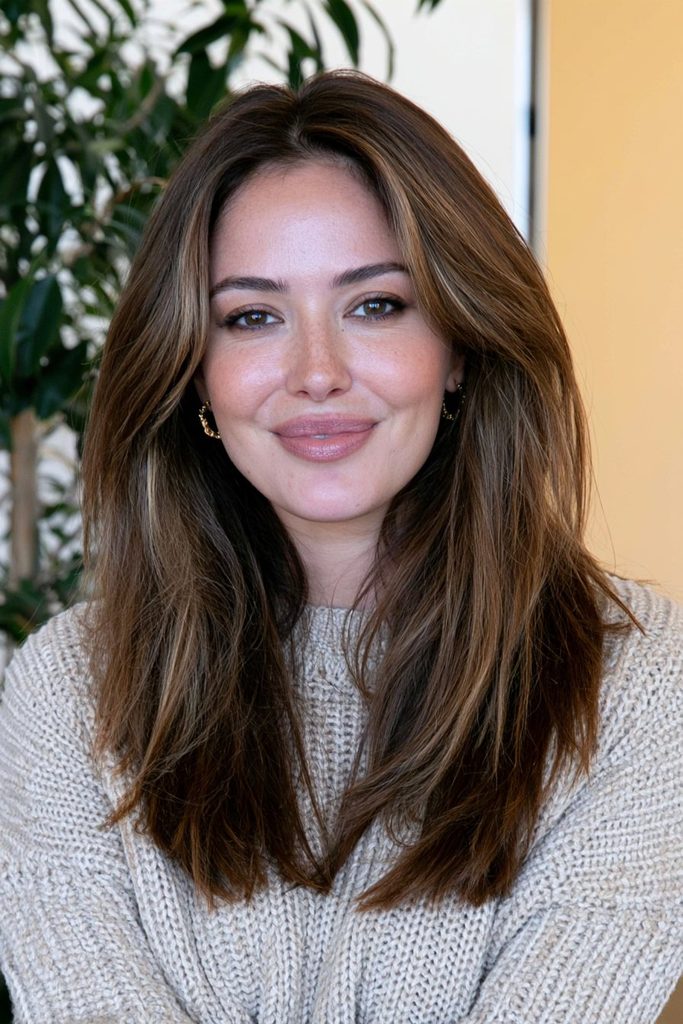
Caramel chestnut brightens a standard brown noticeably, according to L’Oréal Paris, by threading warm caramel tones through a chestnut base. Placed from the mid-lengths to the ends, as hair.com suggests for deeper chestnut, the brightness keeps the crown rich while the ends turn luminous. The effect looks sun-touched rather than highlighted, which is part of the appeal for anyone wanting dimension without obvious streaks. Hair feels brighter, bouncier, and a little more playful, especially in daylight.
Amber Chestnut: Chocolate, Gold, and a Whisper of Auburn
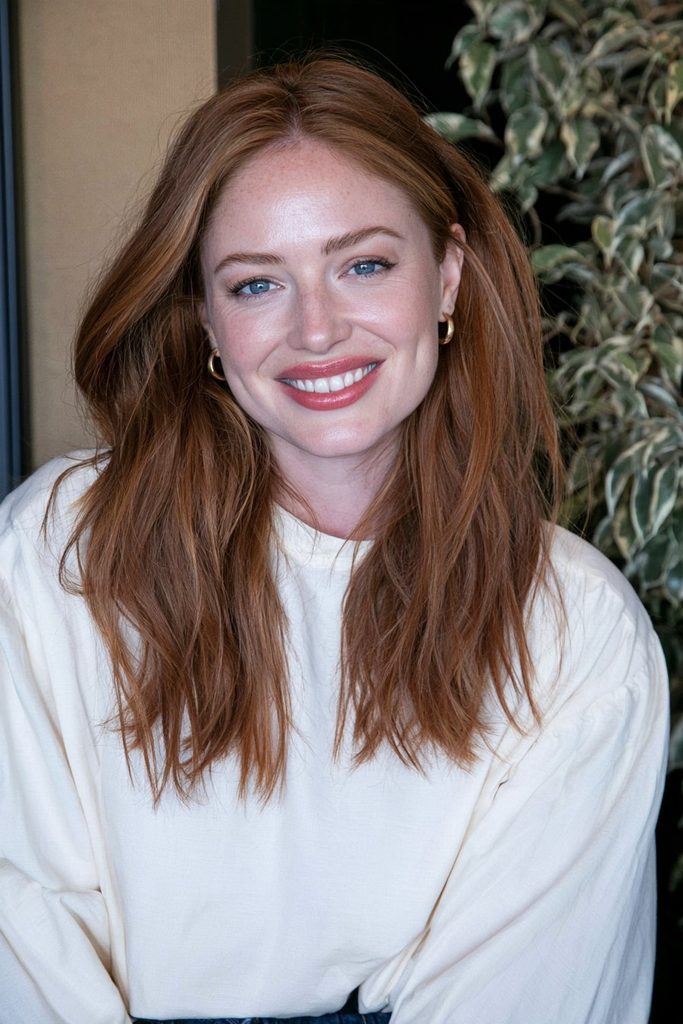
Amber chestnut layers notes of chocolate, gold, and auburn over a brunette base, a blend hair.com outlines for a brown amber hue. A medium chestnut with amber undertones is also the version Bustle’s fall forecast singles out for its flattering, reflective warmth. The mix gives hair a warm, resin-like shine that looks lit from within, even on overcast days, and the blended tones look soft rather than striped. It reads like late-afternoon light caught in brown hair.
Bronzed Chestnut: A Sun-Warmed Finish
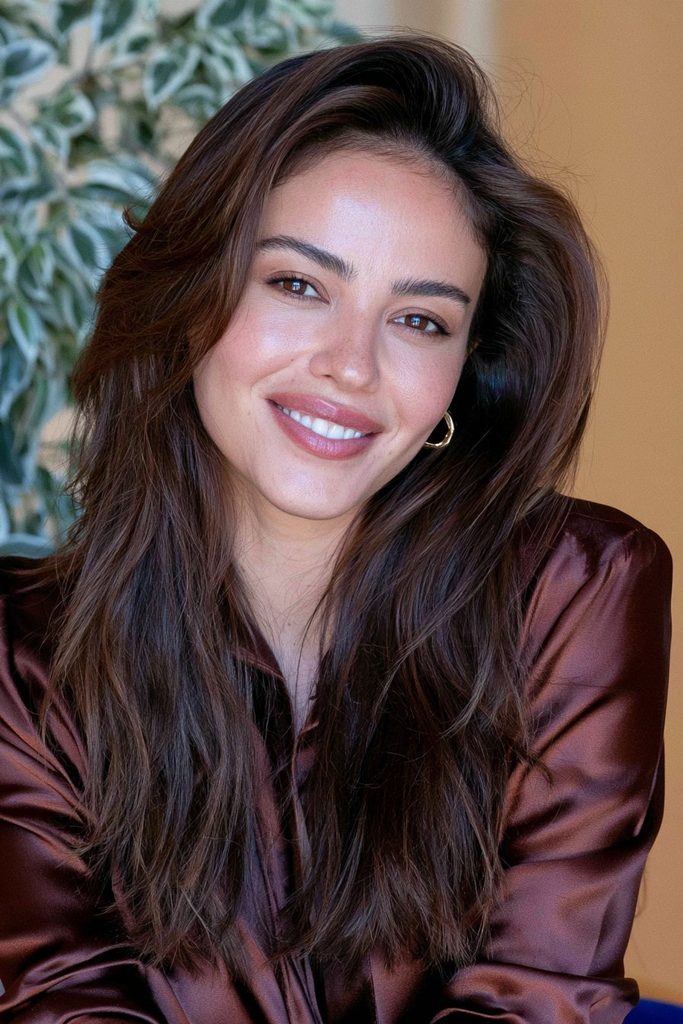
Bronzed chestnut, one of the warm variations L’Oréal Paris lists for chestnut brown, brings a bronze-leaning warmth that reads like a lingering summer glow. The tone sits somewhere between golden and copper without tipping fully into either, which keeps it versatile and easy to wear. It tends to look polished on long layers and blunt cuts alike, particularly with a smooth, glossy blowout. The finish is warm, smooth, and a little bit glamorous, like sun on polished metal.
Cool and Ash Chestnut Tones
Chestnut leans warm by default, but a colorist can steer it cooler to suit your skin. Cool pigments tend to fade faster than warm ones, so an occasional gloss helps keep the tone from drifting warm. Each shade below takes a different route to a smooth, low-brass finish, from a gentle neutral to a plum-tinged depth. Think: sleek, refined, and quietly modern.
Cool Chestnut: Softer and Less Red
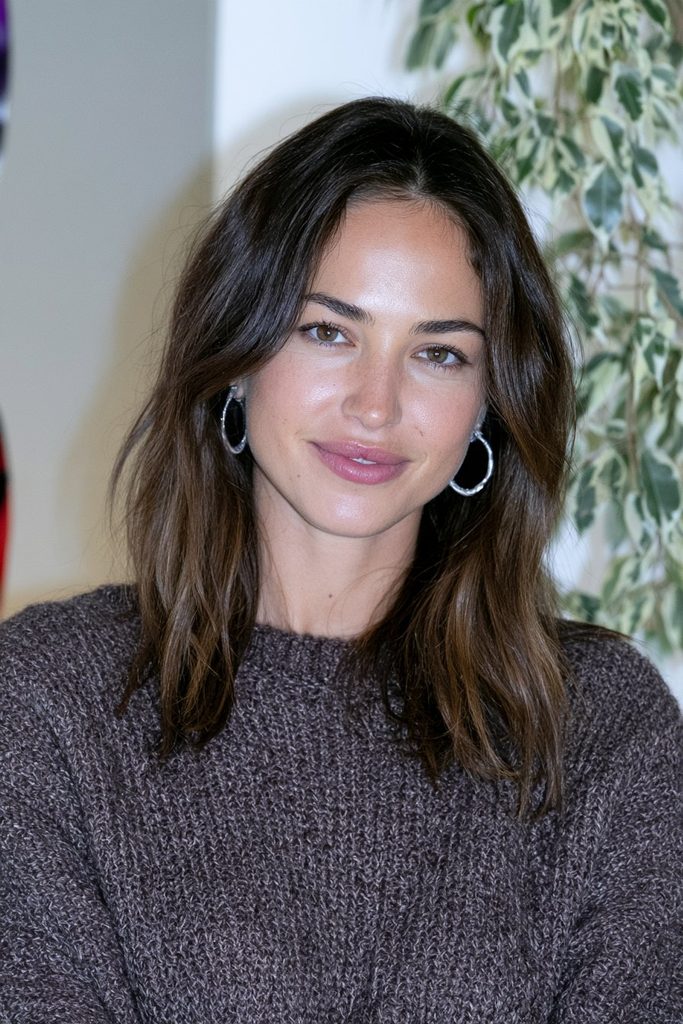
Cool chestnut dials back the red for a smoother, more neutral brown, and Wella Professionals pairs it with warm complexions on an opposites-attract principle. Chestnut runs warm by default, as hair.com notes, so this version is a custom tone that a colorist shapes to flatter your skin. The payoff is a sleek, glassy brown that stays refined in any light. It delivers the richness of chestnut without the russet, with a cool, smooth finish that looks almost like silk.
Ash Chestnut: Contrast Without the Chill
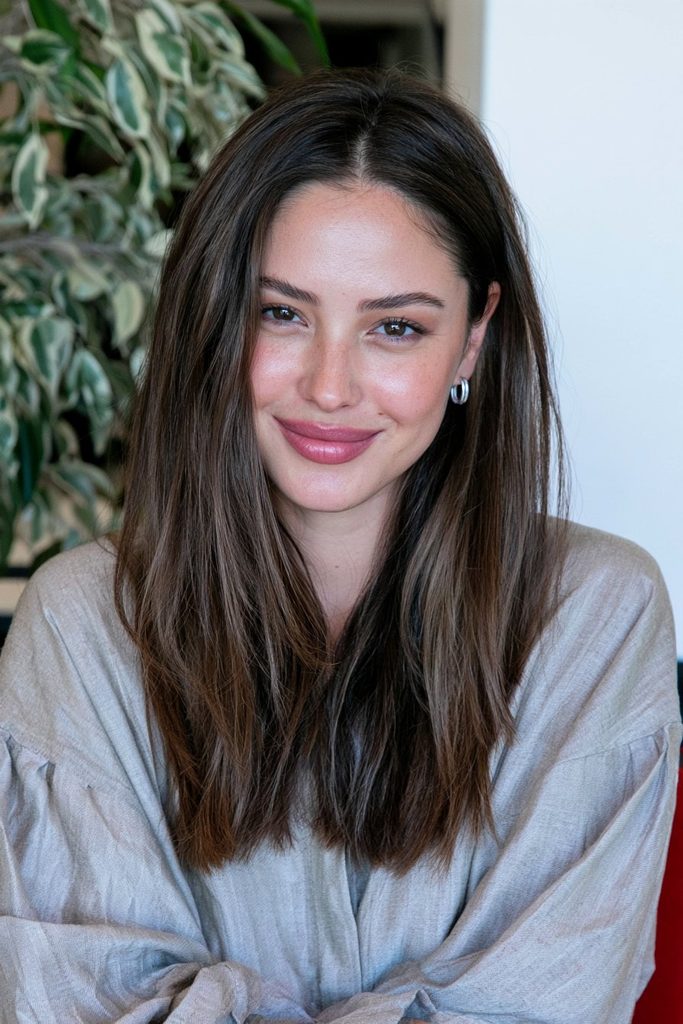
Ash chestnut sets medium chestnut balayage over an ash brown base, a high-contrast pairing L’Oréal Paris describes for anyone who likes visible dimension. Glamour South Africa points out that a single flat ash tone can look washed out on golden or olive undertones, so the chestnut pieces do real work here. They add warmth and movement around the face and soften the cool base. The result is cool but never cold, like cocoa dusted with a little frost.
Mocha Chestnut: Milky, Muted, and Smooth
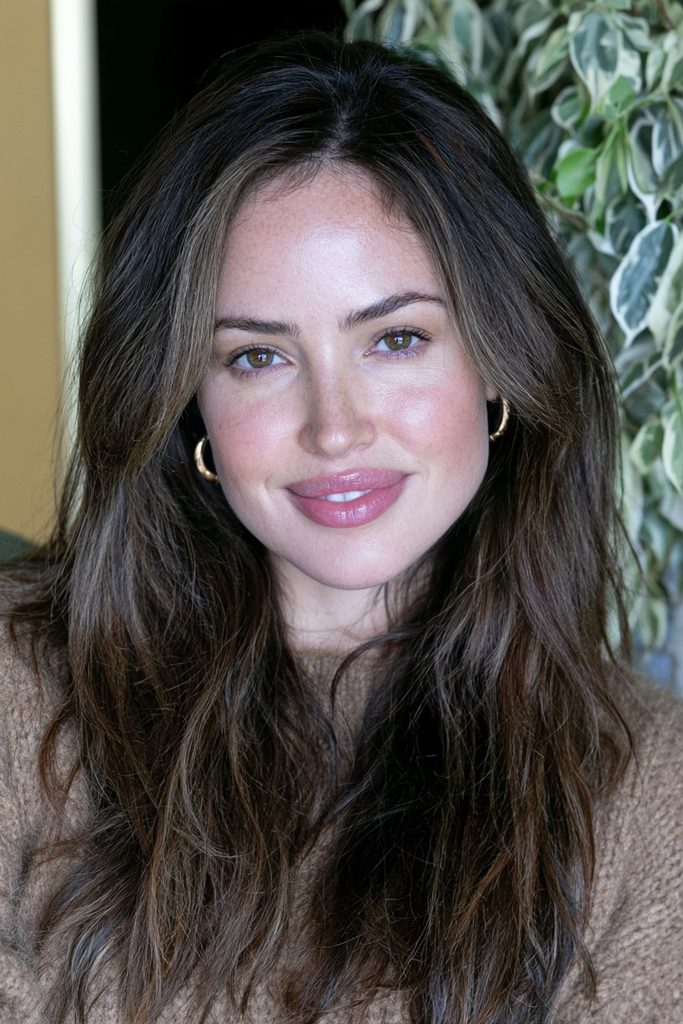
Mocha marks the soft, cocoa-leaning end of the chestnut range, which one chestnut color chart stretches from burgundy all the way to mocha. The tone carries less red than classic chestnut and a creamier, latte-like depth. It tends to look beautiful on sleek, straight hair, where the smooth finish reads most clearly, and it settles into a neutral shade that is easy to wear every day. Think: muted, polished, and quietly luxurious.
Violet-Toned Chestnut: Plum-Tinged Depth
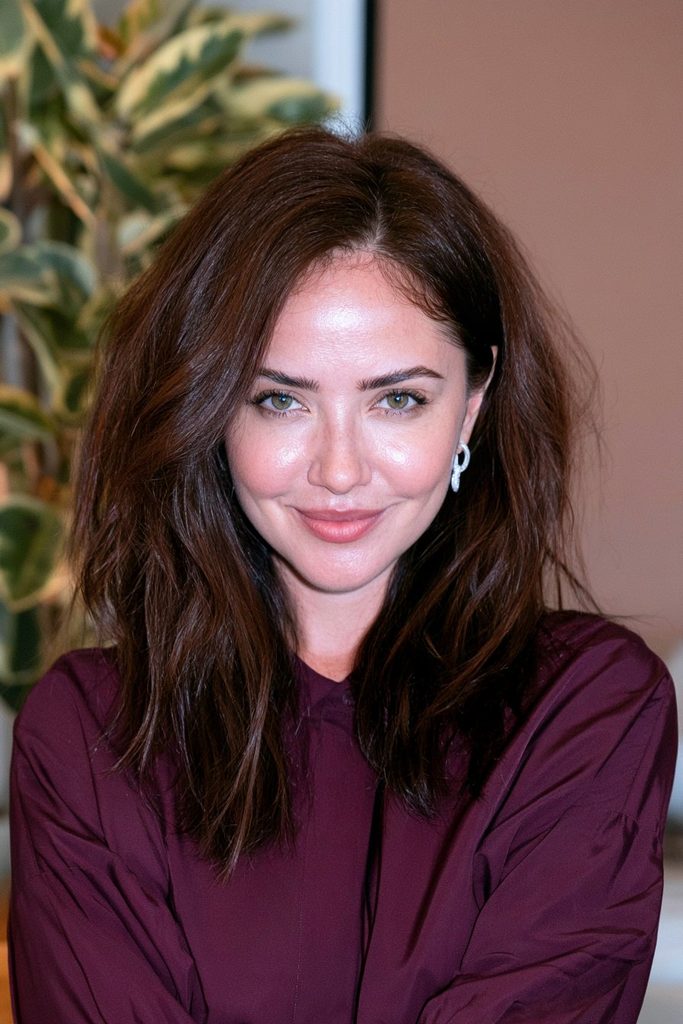
A hint of violet gives chestnut a cooler, more complex depth. Refinery29 has described chestnut as a neutral brown with hints of auburn and violet, and leaning into the violet side adds a subtle plum shimmer in direct light. It suits anyone who wants dimension without any brass or orange creeping in, and it pairs especially well with a smooth, glossy finish. The effect is moody, soft, and quietly jewel-toned.
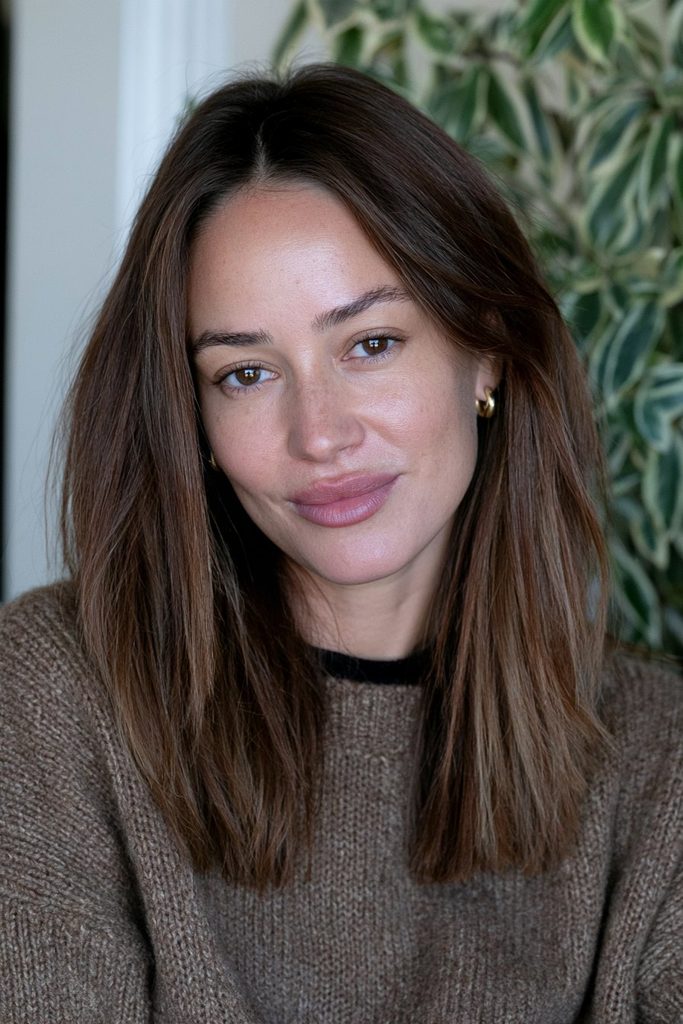
Cinnamon Chestnut: Warm Spice
Chestnut sits on the brown side of the red-brown spectrum, with auburn leaning redder and mahogany deeper and plummier. These shades borrow that warmth in doses, from a cinnamon whisper to a mahogany glow. They tend to look best when the brown base stays visible, which keeps the color natural rather than fiery. Pro tip: color-safe care matters most here, since reds are among the first tones to fade.
Cinnamon chestnut stirs a touch of spice into the brown, giving it a warm, russet glow that feels made for autumn. hair.com features cinnamon brown as a vivid, warm variation on the shade. The color is soft rather than red, and it builds beautifully on textured layers, like the ones in this curly shag haircut, where every curl picks up a different shade. Think: cozy, golden, and lightly spiced.
Copper Chestnut: Glints of Fire
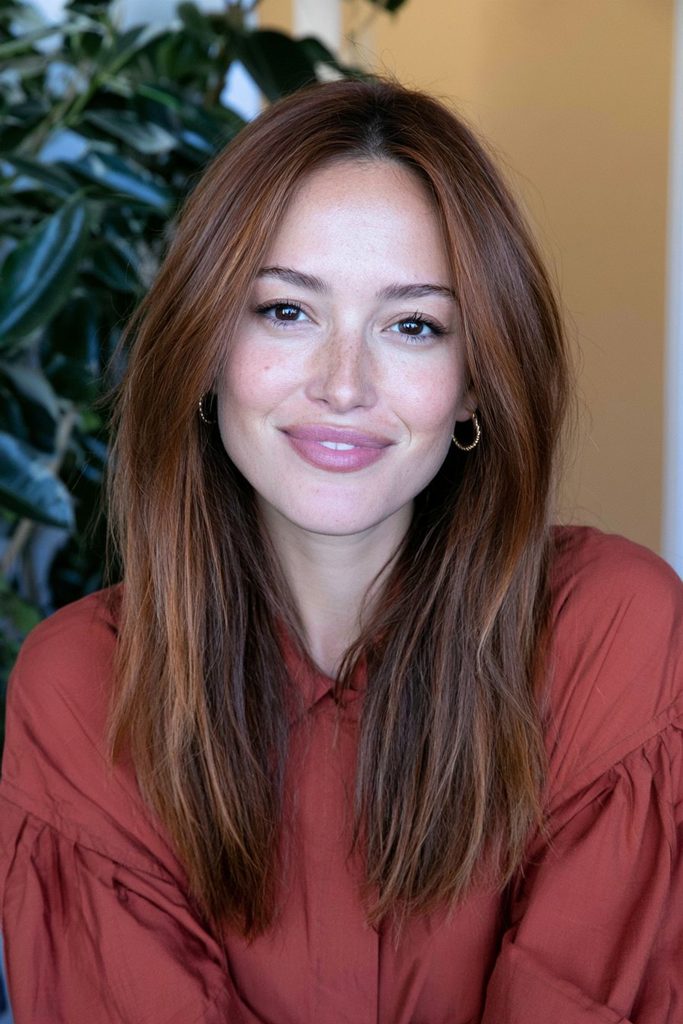
Copper chestnut weaves a reddish tone through brown for an ultra-warm look, the effect L’Oréal Paris describes for copper highlights on a chestnut base. It reads as warmth rather than flame, particularly when the copper is placed in thin pieces around the face. Bouncy layers such as these butterfly haircuts for curly hair let the multi-tonal color move and catch the light. Hair shines like a freshly polished penny, warm and just a little glinting.
Auburn Chestnut: A Redder Brown
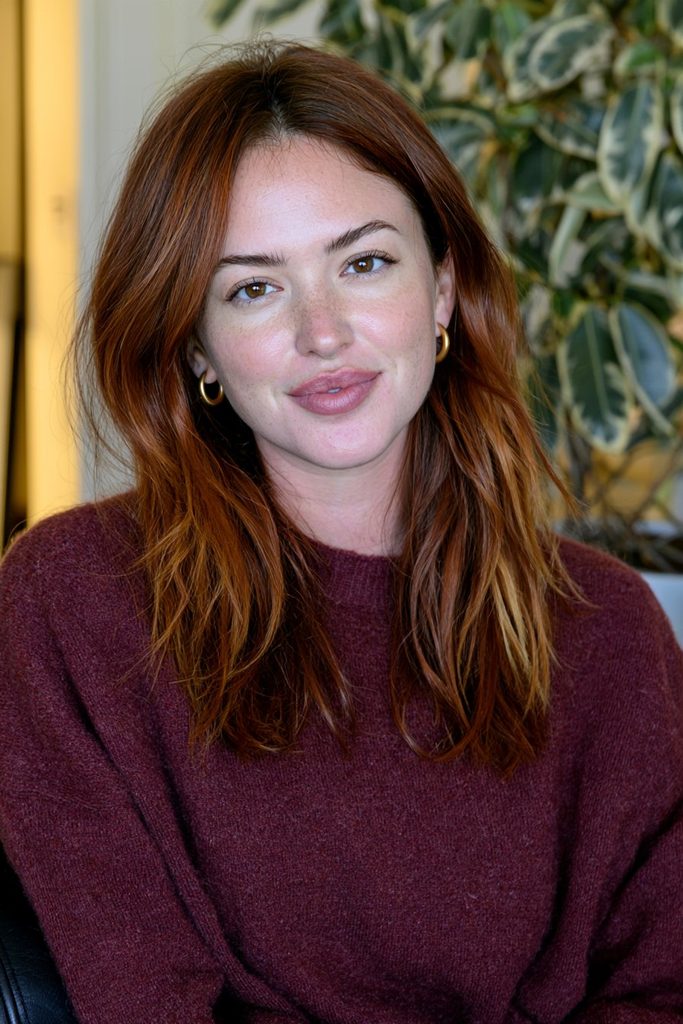
Auburn chestnut keeps a brown base but adds auburn highlights for livelier warmth, the upgrade L’Oréal Paris suggests for anyone ready to push classic chestnut a little further. The auburn leans a deeper, brown-based red than copper, which keeps the overall effect refined. It works especially well on medium to long lengths, where the highlights have room to show. The look is glossy, confident, and just a little dramatic, like autumn leaves in low sun.
Cherry Chestnut: Chocolate-Cherry Depth
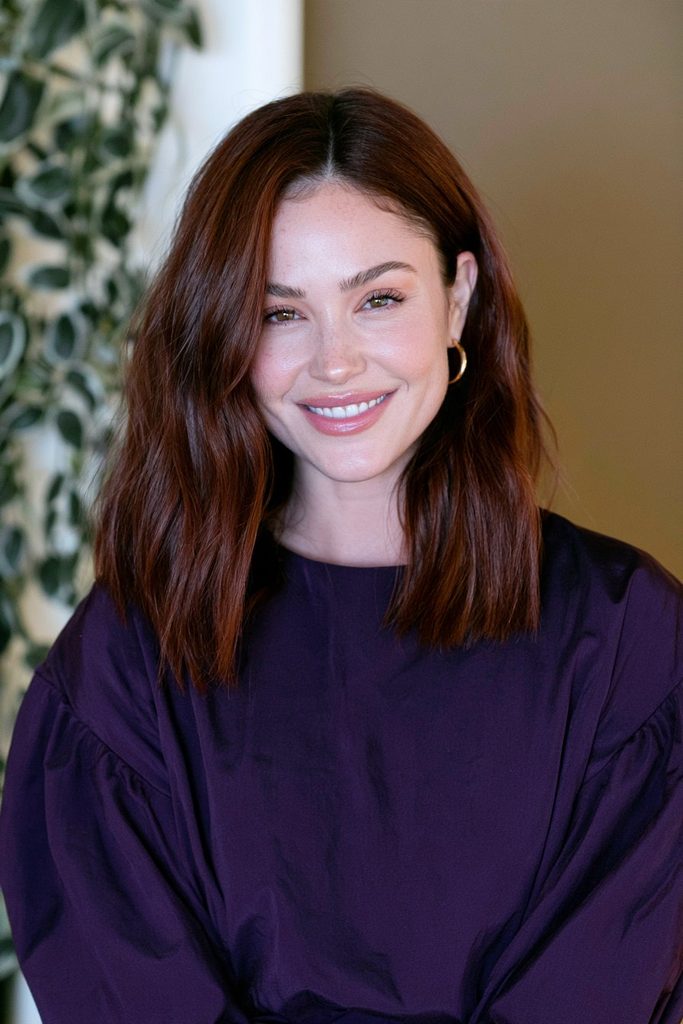
Cherry chestnut slips a deep berry-red glow into the brown, a shade L’Oréal Paris includes in its chestnut lineup. The red stays dark and subtle, more cherry-cola than bright cherry, so the overall impression is still a rich brown. Pro tip: color-safe shampoo and regular glosses help the red stay rich instead of fading. It looks especially elegant on sleek lengths, where the glossy finish lets the berry tone shimmer.
Mahogany Chestnut: Deep and Dimensional

Mahogany chestnut pairs brown with a darker, plum-leaning red, a richer take on the shade that appears in both Wella Professionals’ formula lineup and one chestnut brown hair color chart. The red appears as a glow rather than a stripe, which makes it especially pretty on deep brunettes. Heat protection helps preserve the depth, a basic Wella’s team stresses for keeping chestnut glossy. Hair looks dense, glossy, and almost lacquered, with a deep red shimmer that appears only in the light.

Elsa Claire is the founder and editor of ElsaClaire.com, where she writes about hairstyles, hair care, and the everyday routines that help real people feel good about their hair.