Finding the right camp hairstyles for Black hair shouldn’t mean choosing between style and practicality. I learned this the hard way on my first camping trip when my twist-out became a tangled mess by day two. That’s when I discovered the power of protective hairstyles for Black hair. Most protective styles like braids, twists, and weaves stay secure for two to eight weeks, making them perfect travel hairstyles for Black hair. Whether you’re drawn to summer braids hairstyles or classic plait styles for Black hair, these 12 black hairstyles will keep you looking great outdoors.
Box Braids
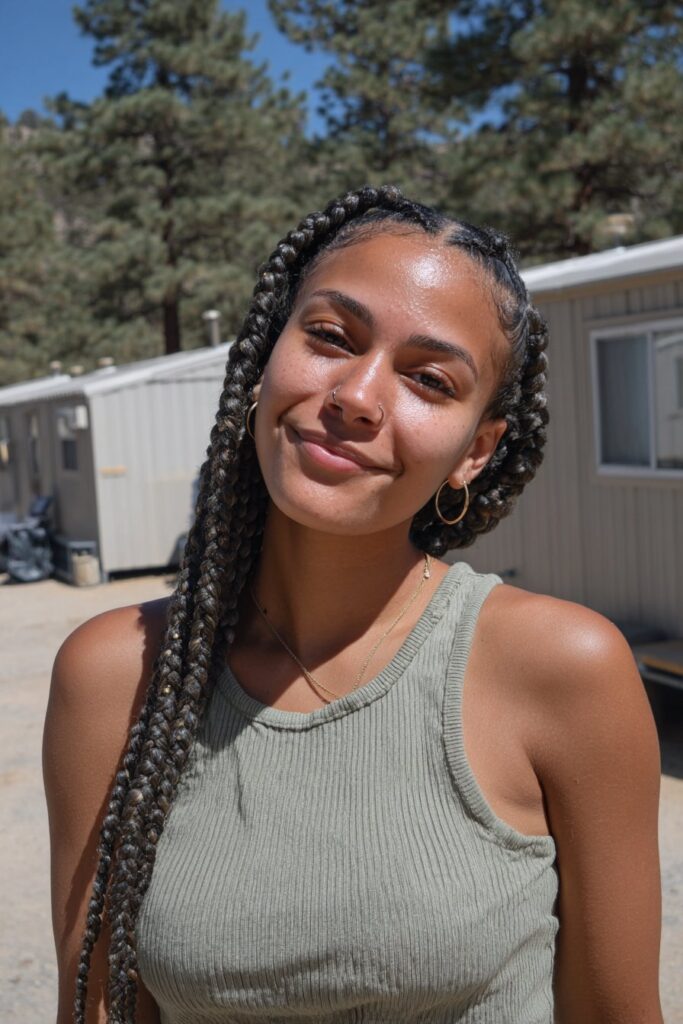
Why Box Braids Work for Camping
I still remember watching a friend struggle with her loose natural hair during a three-day camping trip while my box braids stayed perfectly intact. She spent 20 minutes each morning trying to manage tangles, while I simply sprayed mine and headed straight to the trail. Box braids cut your hair prep time in half, which means more time for actual outdoor adventures.
These braids survive weekends without fuss. Unlike styles that unravel from humidity or activity, box braids hold their structure whether you’re hiking, swimming, or sleeping in a tent. The individual braid pattern keeps each section separated and protected, preventing the massive tangles that plague loose hair during outdoor activities.
How to Prepare Box Braids for Camp
Getting box braids ready for camp starts well before your trip. I learned from years of styling that proper prep makes all the difference. Start with a clarifying shampoo to remove any product buildup. Your scalp needs to be completely clean before installation.
Deep conditioning comes next, and this step matters more than you’d think. Do a strong protein treatment followed by a moisturizing treatment at least twice before braiding. The better moisturized your hair is before installation, the better hydrated it stays throughout your entire trip. I always use products rich in coconut oil or olive oil for that deep moisture.
Make sure your hair is completely detangled before braiding begins. You can’t braid hair with tangles, and trying to do so only causes breakage. Stretch your hair fully and work through every knot.
Maintenance and Care Tips
During your camping trip, wash your box braids every two weeks. Focus mainly on your scalp rather than the braids themselves. Use diluted shampoo applied directly to the scalp with your fingers, working in sections to maintain control.
Nighttime protection keeps your braids looking fresh longer. Wrap them in a satin headscarf or bonnet before sleeping. Even in a tent, this step prevents frizz and premature unraveling from tossing around.
Moisturize daily with a lightweight spray or oil. Apply a leave-in conditioner at least once weekly to promote growth and prevent breakage. Keep your scalp oiled with products free from mineral oils, as these create buildup.
Best Duration for This Style
Box braids typically last six to eight weeks with proper care. This timeframe works perfectly for most camping trips. However, if you’re planning an extended outdoor adventure lasting over eight weeks, use only your own hair without extensions. Taking down extension hair in the wilderness is difficult and time-consuming, but braiding your natural hair lets you take it down after a few weeks, wash it, and reinstall the style right by the campfire.
Never keep box braids longer than eight weeks, regardless of how good they look. The pressure and tension can cause breakage that defeats the purpose of this protective style.
Cornrows
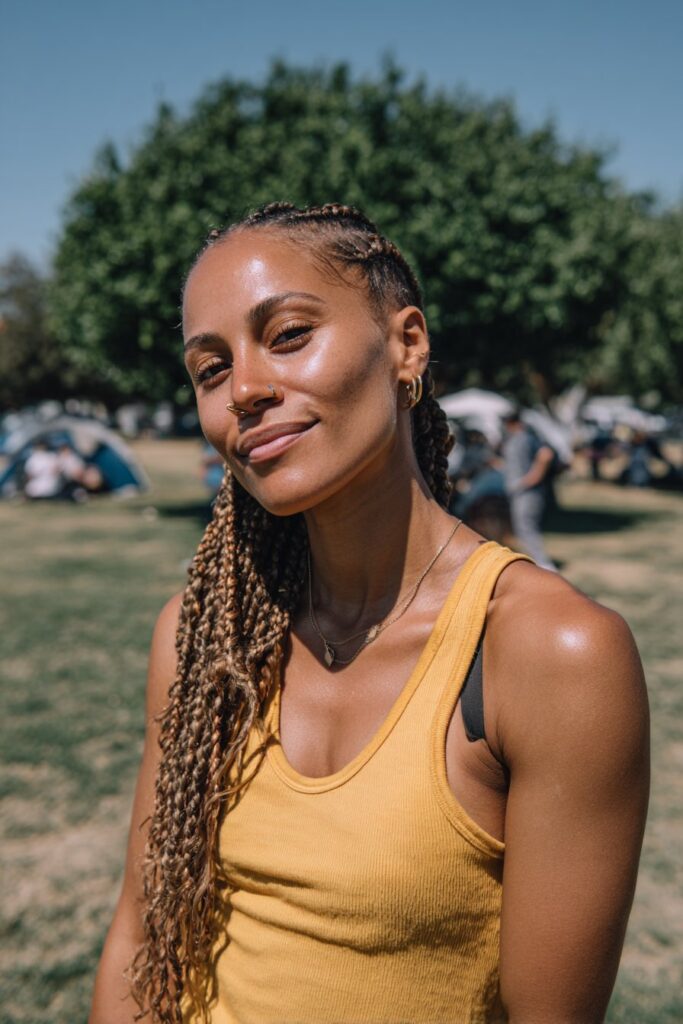
Why Cornrows Are Perfect for Outdoor Activities
Cornrows keep your hair completely secured against your scalp, which makes them phenomenal for hiking and active camping. I discovered this during a week-long backpacking trip where every other hairstyle option seemed to fail someone in our group. Cornrows display cultural pride while keeping hair out of your face, and they endure for several days even during multi-day hikes.
The flat design holds strong and requires minimal fuss compared to other protective hairstyles for Black hair. Unlike loose styles that require daily attention, cornrows give you freedom to focus on the trail ahead rather than mirror time at camp.
How to Install Cornrows
Installing cornrows requires patience initially, but the technique becomes second nature with practice. Start by dampening your hair and ensuring it’s completely moisturized and free of tangles. If your natural hair is tightly coiled, blow dry it before braiding to stretch out curls for a neater appearance.
Section off the area you’ll be cornrowing, then take three pieces of hair with even density. The key difference from regular braids is this: keep your palms moving in the direction you’re braiding, and remember that hair only gets picked up in the middle section. Twist the hair twice like a normal braid, then add hair from below the braid into the middle strand.
Hair length matters for successful cornrows. At least 3 inches works, though 4-8 inches is ideal. Avoid braiding too tightly, as very small, tight braids lead to breakage and can damage your follicles.
Maintenance and Care Tips
Wrap your cornrows in a silk scarf before bed every night. This single step reduces friction and keeps braids neat longer. Clean your scalp by applying shampoo and conditioner with a spray bottle in the shower every one to two weeks. Focus on the scalp rather than the braids themselves.
Moisturize regularly with lightweight, water-based products. Heavy oils cause buildup and weigh braids down. Lightly mist with a braid spray or apply small amounts of leave-in conditioner.
Best Duration for This Style
Big cornrows last just a few days before getting fuzzy, so consider medium to small ones for week-long trips. With proper care, cornrows typically last two to eight weeks. The frizz starts creeping in around day six, but this natural texture simply adds character to your outdoor look.
Bantu Knots
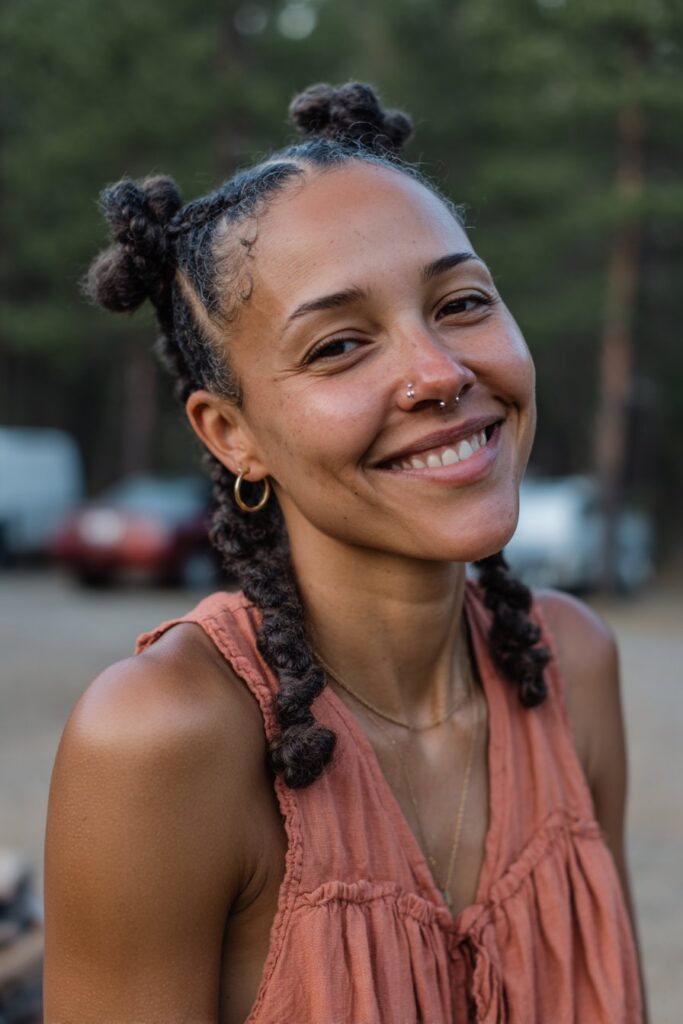
Why Bantu Knots Work for Camping
Wearing Bantu knots gives me an extra layer of pride as a Black woman. Embracing natural texture and styling hair in ways traced back to Africa helps ground me in my roots, even miles deep into the wilderness. The Zulu people of southern Africa originated this hairstyle where hair is sectioned, twisted, and wrapped so it stacks upon itself to form spiraled knots.
Bantu knots shield natural hair from environmental damage, manipulation, and breakage. They hide your ends, preventing moisture loss during those dry camping nights. Once secured in place, this style lasts several days or weeks without much upkeep, making it one of the most convenient protective hairstyles for Black hair on extended trips.
How to Create Bantu Knots
Start with cleansed and deep-conditioned hair for a well-nourished foundation. The products you use and how you layer them vary depending on your hair type. For low porosity hair, apply products in the shower. The right cocktail of ingredients ensures your hair stays hydrated and set without unraveling.
Section hair into four square sections and secure with clips. Hydration and low manipulation become your two priorities. Keep a continuous spray water bottle nearby to re-wet hair as needed.
I prefer to two-strand twist, then wind the twist into a knot. This method prevents tangling that happens with direct wrapping. When two-strand twisting, tighter twists work better, but tight doesn’t mean tension. To get smooth, sleek knots without adding excessive tension to your hair and scalp, use a honey curl forming custard and avoid twisting too tightly.
As you reach the end of your hair, wrap it around the base at the root. Tuck the end into the knot using your fingertip or rattail comb. Secure knots with bobby pins rather than rubber bands to prevent breakage.
Maintenance and Care Tips
Avoid over-manipulating hair by not re-twisting daily. When using custard or gel, knots stay in place even through the night, provided you wrap hair with a silk scarf. As an additional tip, secure each knot with a toy pin at night.
Apply light oil or moisturizing spray to your scalp and knots regularly to maintain health and shine. Protect hair before bed with a satin bonnet, silk bonnet, or scarf to prevent frizziness and keep knots from loosening.
Best Duration for This Style
Your Bantu knots can last up to two weeks. However, avoid wearing them longer than two weeks to prevent unnecessary tension and maintain hair health.
Flat Twists
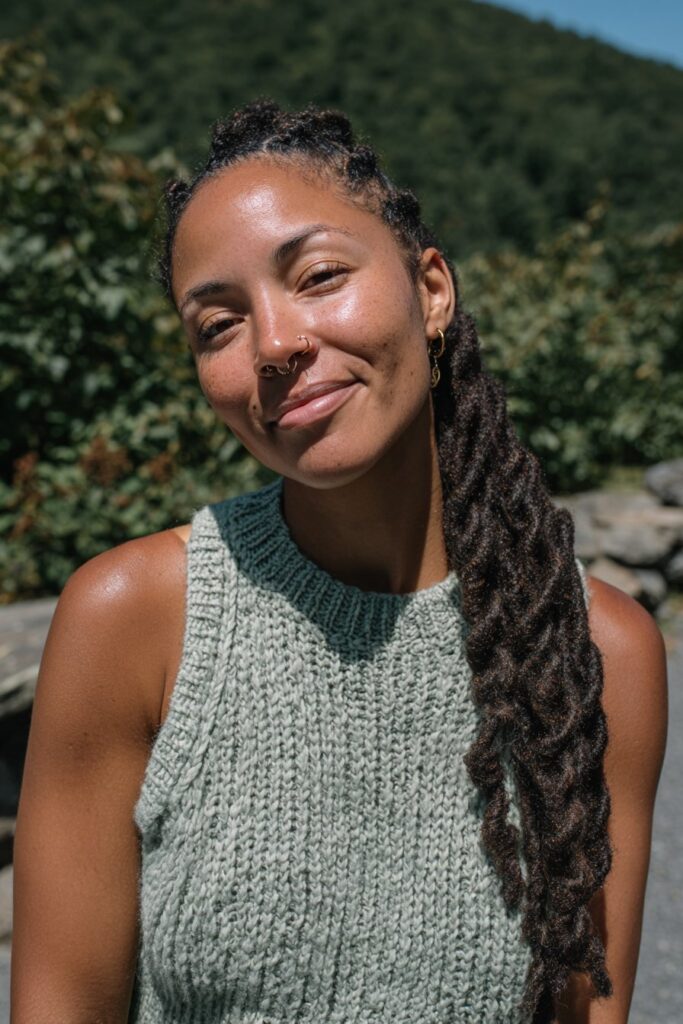
Why Flat Twists Are Ideal for Camp
Flat twists became my secret weapon after mastering them during a particularly humid summer trip. This protective style uses only two strands instead of three, making it easier and quicker than cornrows. The reduced tension feels gentler on your scalp and works particularly well for anyone with sensitive skin or fine hair.
The technique keeps hair flat against your scalp while minimizing daily manipulation. Less handling means reduced breakage and split ends, which matters when you’re miles from proper haircare products. Flat twists work on both natural and relaxed textures, giving you flexibility regardless of your hair type.
I love how versatile this style becomes at camp. Wear the twists for a few days, then unravel them for a defined twist-out look. This two-in-one approach means you get multiple styles from one installation.
How to Install Flat Twists
Start with freshly washed hair and a thoroughly cleansed scalp. Your scalp stays exposed during this style, so clean preparation prevents buildup. If your hair is naturally straight, twist it while dry. However, curly hair should be twisted at 50 percent damp.
Detangle completely before sectioning. Part your hair into workable rows using a rattail comb. Take a small section at the front and divide it into two equal strands. Cross the right section over the left, then add a small amount of hair from the scalp to the section you’re crossing over. Keep your hands close to the scalp for that flat appearance.
Continue this pattern, feeding in new hair with each twist rotation. Once you reach the point where hair is no longer attached to your scalp, finish with a regular two-strand twist. Secure ends with a small clip or twist them tighter to prevent unraveling.
Maintenance and Care Tips
Protect your flat twists with a satin bonnet or scarf before sleeping. This reduces frizz and keeps the style looking fresh longer. Apply hair oil to your scalp regularly to retain moisture, but avoid heavy products that create buildup.
Moisturize at least once weekly. Spray your hair with water and apply a light oil or leave-in conditioner along the twist lines. Skipping moisture for weeks damages your hair, even in a protective style.
Best Duration for This Style
For camping trips lasting 4-7 nights, smaller flat twists work perfectly. They stay neater longer than larger versions. Generally, flat twists last anywhere from one to two weeks, though some people stretch them to three weeks with proper care.
Two-Strand Twists
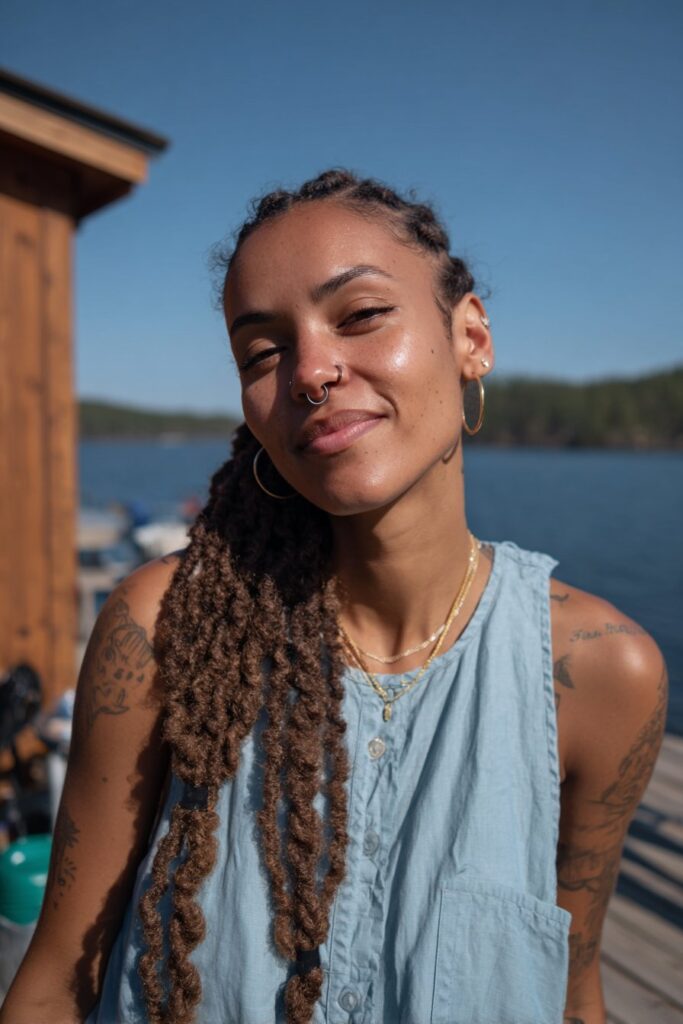
Why Two-Strand Twists Work for Camping
Two-strand twists give you freedom that other protective hairstyles for Black hair can’t match. I installed these myself the night before a spontaneous camping weekend, something I couldn’t have done with box braids or cornrows. Installation lasts anywhere from 30 minutes to 3 hours, depending on your twist size and hair thickness.
This low-manipulation style prevents your delicate ends from exposure to excess friction or tugging. By keeping ends stress-free, you avoid breakage and help your natural pattern thrive. Twisting locks in moisture your strands and scalp crave, which becomes critical during dry camping conditions.
The versatility surprised me most. Wear the twists for days, then unravel them for a completely new twist-out look. This two-in-one approach means packing fewer styling tools and products for your trip.
How to Create Two-Strand Twists
Start with fresh, clean hair after co-washing to lock in moisture. I let my hair air dry partially before styling, which creates better final results, particularly for thick hair.
Section hair into four parts using a T-shape pattern. Apply your base moisturizer (I use coconut oil) and rub it between your palms, then work it through each section. Detangle thoroughly with a wide-tooth comb.
Take a small section and divide it into two equal pieces. Apply a fingertip amount of styling cream from root to tip. Begin twisting the two strands one over the other until you reach the bottom. For smaller, more defined twists, opt for smaller sections. When you reach the ends, wrap them around your index finger a few times to create a curl that holds the twist in place.
Maintenance and Care Tips
Protect your twists nightly with a satin bonnet or silk scarf to prevent frizz and retain moisture. Mist them every few days with water and conditioner when they feel dry. Apply light oil to your scalp, but avoid over-oiling as this leads to itchiness and buildup.
Washing requires gentleness. Use diluted shampoo and massage your scalp with your fingertips in sections. This loosens roots and creates some frizz, but the trade-off for a clean scalp is worth it.
Best Duration for This Style
Two-strand twists last 1-3 weeks depending on your hair type and maintenance routine. I typically get a solid two weeks before taking mine out. Never leave them longer than three weeks, as they may begin to combine or marry into one root.
Fulani Braids
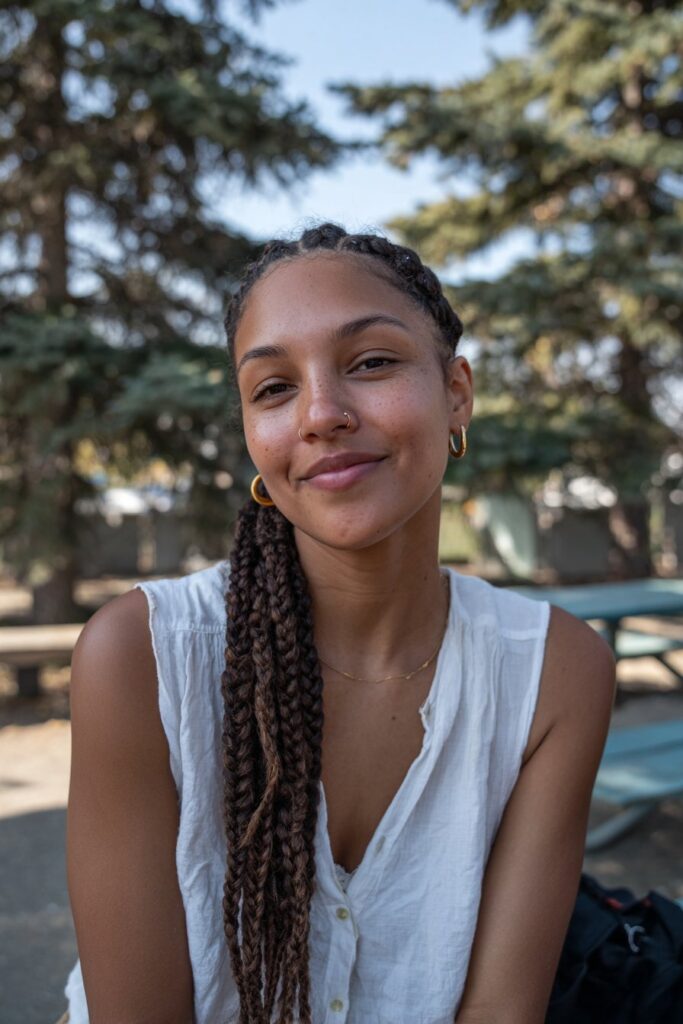
Why Fulani Braids Are Perfect for Camp
The cultural richness of Fulani braids makes them special beyond their camping practicality. Originating from the Fulani people of West Africa, this style symbolizes wealth, beauty, and heritage. The characteristic design features one or several braids down the center with braids looping near the ears, creating a look that feels both traditional and modern.
I’ve always appreciated how these protective hairstyles for Black hair combine function with cultural expression. Fulani braids endure outdoor conditions while keeping you connected to ancestral styling traditions. The versatility surprised me most: you can add beads, cowrie shells, or metal accents to personalize the look, making each installation unique.
How to Prepare Fulani Braids
Preparation determines how well your braids withstand camping conditions. Start with completely clean, conditioned, and detangled hair. Apply lightweight oil or leave-in conditioner to keep your scalp moisturized throughout styling and ensure braids stay comfortable for extended wear.
Note that installation takes anywhere from three to six hours, depending on your desired length. You’ll need approximately five to six packs of hair, though having extra never hurts if you want more dramatic length. Visit a professional for intricate patterns, but if you have skilled hands and the right tools, you can create these summer braids hairstyles at home.
Maintenance and Care Tips
Oil your scalp lightly every two to three days using non-heavy serum or growth-friendly oil. Sprays containing aloe vera, tea tree, or jojoba oil soothe the scalp effectively. Wash every three to four weeks, focusing on your scalp rather than the braids themselves.
Sleep with a silk or satin bonnet to reduce friction and keep edges smooth. Apply braid mousse or styling foam once or twice weekly to tame flyaways and restore shine.
Best Duration for This Style
Fulani braids generally last between four to eight weeks. Hair texture plays a major role: tighter curls retain braids longer, while finer textures loosen more quickly. Frequent sweating and sleeping without proper protection shorten their lifespan, but with consistent care, these plait styles for black hair easily cover extended camping trips.
Ghana Braids
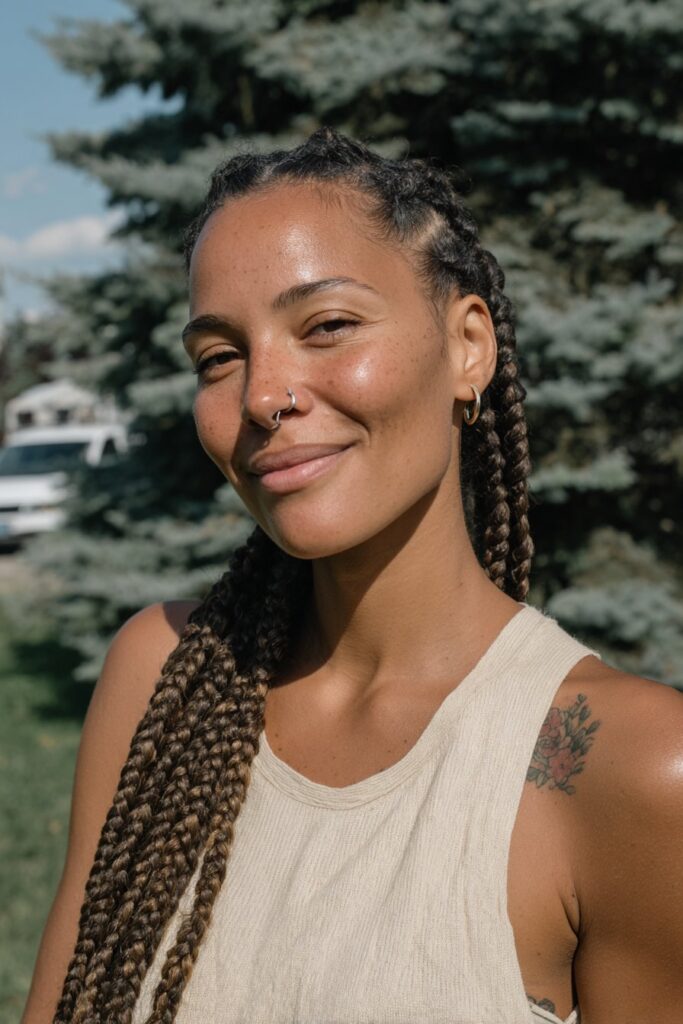
Why Ghana Braids Work for Outdoor Adventures
Ghana braids stand out among protective hairstyles Black hair because they’re always attached to your head, unlike individual box braids. These thick, dramatic cornrows use a feed-in technique that gradually adds extension hair, creating fuller braids that start at your scalp and progressively enlarge toward the ends. This method minimizes scalp tension, reducing your risk of hair loss and thinning edges.
I’ve relied on Ghana braids for multiple camping trips precisely because they protect natural hair from breakage and environmental damage. The style works exceptionally well with 3B to 4C hair textures, and once installed, requires minimal daily upkeep. No more morning hair battles when you’d rather be hitting the trails.
How to Install Ghana Braids
Start by applying hydrating cream to your roots, where hair turns dry most quickly. A coconut curling cream works perfectly for this prep stage. Decide how many cornrows you want (about six sections is ideal), then use a rattail comb to create clean parts.
You’ll need approximately 12 strands of kanekalon braiding hair per cornrow, or 24 strands for thicker, more dramatic results. Begin braiding for two to three stitches with your natural hair, then fold the thinnest kanekalon strand in half and tuck it under the middle section. Continue braiding while adding progressively thicker strands of kanekalon hair after every few stitches.
Maintenance and Care Tips
Wash your Ghana braids weekly with diluted conditioner to remove accumulated oil and dirt. Pat almond oil on your scalp and rub some gently on your braids for moisture. Trim flyaways carefully with small scissors to prevent your braids from looking disheveled. Apply edge control cream along your hairline each morning, and sleep on a satin pillowcase or wear a silk cap.
Best Duration for This Style
Ghana braids typically last between four to six weeks with proper care.
High Bun
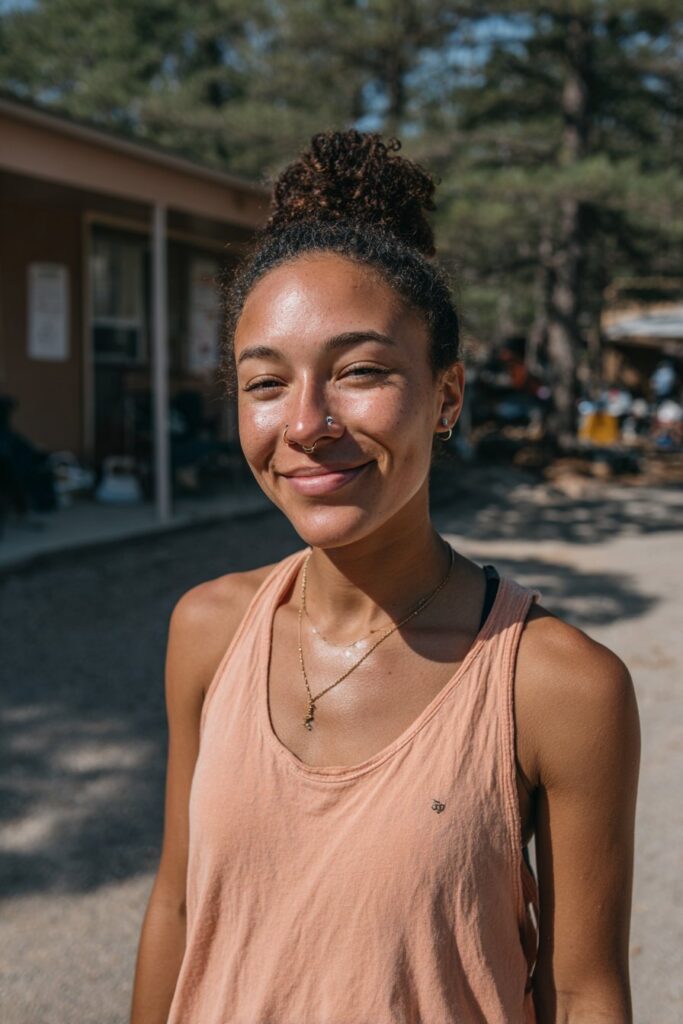
Why a High Bun Works for Short Trips
Weekend trips don’t always require the commitment of box braids or cornrows. A high bun became my lifesaver during a last-minute two-day camping trip when I had zero time for elaborate protective hairstyles Black hair typically demands. This style handles hot afternoons, cooking over the fire, or those moments when you simply don’t feel like dealing with your hair.
The beauty lies in its simplicity. Flip your head, gather hair at the crown, twist it loosely, and wrap it into a bun using an elastic or large claw clip. Stray pieces and texture add to the relaxed outdoor vibe, so perfection isn’t the goal. A messy bun works especially well with dry shampoo or second-day hair, giving you more grip. It also makes slipping into a hooded jacket easier since there’s no bulk at the nape.
For a neater version, try a top knot. Pull your hair high on your head, twist it tightly, and wrap it around itself before securing with a strong elastic or scrunchie. This compact bun stays put during active days and keeps hair away from your collar, which proves useful when layering jackets.
How to Create a Secure High Bun
Start with textured hair rather than freshly washed strands. Apply a shine serum, lightweight styling product, or pomade depending on your hair type. For fine hair, use a firm hold spray, whereas highly textured and curly hair needs a lightweight oil for extra workability.
Smooth all your hair back into a ponytail with equal tension throughout, eliminating bumps. Take the ponytail ends and wrap them in a coiled, twisted direction, then secure with a second elastic. Use the same pomade to smooth flyaways or lay down edges.
Quick Styling Tips
Sleep in your top knot to keep hair off your face inside a warm sleeping bag. However, avoid making your bun too tight to reduce tension and prevent traction alopecia. Mist with hairspray if needed for extra security.
Afro Puff

The afro puff celebrates natural texture while staying practical outdoors. I learned to appreciate this style during a summer hiking trip when I wanted something quick but still wanted my curls visible. The puff keeps hair stretched while showing off volume, giving you that perfect balance between protection and expression. Installation takes minutes, not hours, making it ideal when you’d rather spend time exploring than styling.
How to Create an Afro Puff
Begin with stretched hair for easier styling. I create a braid out the night before by moisturizing, braiding in sections, adding oil, then taking out braids within a few hours. Work in sections and brush from tip to root. Comb hair up to where you want the puff positioned, then secure with an elastic band. For a classic version, cut an elasticated headband in half, place it around your head, tie at the front, and slowly tighten by pulling the ends. Fluff out your puff and apply edge control to smooth edges.
Maintenance and Care Tips
Wrap your puff with a satin bonnet nightly to maintain shape. Refresh mornings with a water-based mist and light oil. Skip metal-bit elastics as these tear hair out.
Best Duration for This Style
Afro puffs last up to seven days with proper maintenance.
Faux Locs

Why Faux Locs Are Perfect for Extended Camping
Faux locs shield your natural strands from heat, pollution, and harsh weather conditions. This protective quality becomes particularly valuable during week-long or month-long wilderness adventures. The temporary nature means you get the esthetic without permanent commitment, and the style actually improves over time. I’ve watched clients return from extended trips with their locs looking better than installation day.
These travel hairstyles for Black hair feel lightweight despite their dramatic appearance. The synthetic extensions won’t weigh you down during long hikes, and they dry quickly if you need to wash them.
How to Prepare Faux Locs for Camp
Start with clarifying shampoo and deep conditioning to minimize buildup. Your scalp needs to be completely clean before installation. The process takes 4 to 9 hours depending on method and length. Crochet installation finishes faster at 2 to 4 hours, making it ideal when trip departure looms.
Expect to spend between $150 and $500, depending on length and material choice. Marley hair creates the most authentic texture, while Kanekalon offers a budget-friendly option.
Maintenance and Care Tips
Skip heavy washing during wear. Instead, rinse your scalp every two weeks with apple cider vinegar solution. Apply coconut oil or castor oil to your scalp to seal in moisture. Sleep with a satin bonnet to minimize frizz.
Best Duration for This Style
Faux locs last 4 to 8 weeks typically, though some extend to 12 weeks. Never exceed recommended timeframes, as this causes buildup and scalp tension.
Feed-In Braids

Why Feed-In Braids Work for Camping
Feed-in braids create the illusion of naturally long cornrows growing directly from your scalp. I learned this technique early in my career, and it transformed how I approached protective hairstyles Black hair. The gradual addition of synthetic hair strand by strand produces a sleek, natural-looking finish. Since they’re knotless, these summer braids hairstyles put less stress and tension on the scalp compared to traditional knotted braids.
This protective style encourages hair growth while reducing breakage. Installation takes anywhere from 15 minutes for simple designs to four hours for intricate patterns, but the payoff lasts weeks.
How to Install Feed-In Braids
Begin with a starter braid using your natural hair first. Kanekalon hair works best, specifically pre-stretched varieties that prevent unraveling at the ends. Add small pieces of synthetic hair as you braid, which enhances length and adds stability.
Maintenance and Care Tips
Keep your scalp moisturized using oils or moisturizing sprays. Cleanse every one to two weeks with diluted shampoo. Sleep with a silk or satin scarf to reduce frizz.
Best Duration for This Style
Feed-in braids roughly last about two weeks, though with proper maintenance you can stretch them to six weeks at maximum.
Halo Braid

Why the Halo Braid Is Ideal for Camp
Halo braids create a crown-like effect by plaiting hair around your head’s perimeter, and surprisingly, they’re completely DIY-able. I taught this style to a client before her first solo camping trip, and she sent me photos showing how it survived an entire week in the wilderness. The circular design keeps every strand secured while looking polished enough for camp photos.
This protective style works on all hair types, including short 4C natural hair. The technique takes 10 minutes once you’ve practiced, making it faster than most plait styles for black hair while delivering maximum security.
How to Create a Halo Braid
Start by hydrating hair thoroughly using the LOC method. Part your hair at the front, then divide the rest into two sections. Beginning at the nape, create a Dutch braid by crossing outside sections under the middle section. Add small amounts of hair as you work around your head in a circular motion. Once you reach your starting point, tuck the ends underneath and secure with bobby pins. Gently pancake the braid for volume.
Maintenance and Care Tips
Cover your halo braid with a satin bonnet nightly. Each morning, lightly mist with water and leave-in conditioner, then reshape any loosened sections. During the day, avoid excessive touching.
Best Duration for This Style
Halo braids last a full week with proper care.
Conclusion
Your next camping trip doesn’t have to mean sacrificing style or spending hours on hair maintenance. By the same token, choosing the right protective style depends entirely on your trip length and personal preferences. Box braids and faux locs work brilliantly for extended adventures, while a simple high bun or afro puff handles weekend getaways perfectly. I’ve tested each of these styles during my own outdoor experiences, and they’ve never let me down. Pick the option that speaks to you, pack your satin bonnet, and focus on what camping is really about: connecting with nature while your hair stays beautifully protected.


Elsa Claire is the founder and editor of ElsaClaire.com, where she writes about hairstyles, hair care, and the everyday routines that help real people feel good about their hair.