Back to school season brings new supplies, new classmates, and of course, the search for back to school hairstyles for thick hair that actually survive until dismissal. I’ve spent years working with thick hair, and I know the frustration when cute hairstyles for schools slip out by recess or look bulky instead of beautiful. The key is finding easy hairstyles for schools that work with your hair’s natural volume, not against it. Whether you have hairstyles long thick hair or shoulder length, thick hair needs specific techniques to stay secure. In this guide, I’m sharing 15 easy hairstyles thick hair that are both practical and stylish, with step-by-step instructions to help you master each look.
High Ponytail

What Makes It Perfect for Thick Hair
The high ponytail is one of those styles that looks effortless but can feel anything but when you have thick hair. I’ve learned through years of trial and error that high ponytails actually work beautifully for thick hair because they embrace your natural volume instead of fighting it. The weight and fullness that make other styles difficult become advantages here, creating that bouncy, voluminous look without any extra effort.
What surprised me most was discovering that high ponytails often work better on second-day hair rather than freshly washed strands. Clean hair can be too slippery, causing the style to slide down. By the same token, adding dry shampoo or texturizing powder at the roots gives your hair the grip it needs to stay put while adding volume.
How to Style a High Ponytail
The technique makes all the difference between a ponytail that lasts and one that droops by lunch. Here’s my process:
- Brush properly: Flip your head over and brush upward toward the crown. This might feel awkward at first, but it creates the smooth, lifted base you need.
- Add volume: Lift a small section about midway to the crown and gently backcomb toward the roots with a teasing comb. This rounds out your hair and prevents that flat-top look.
- Smooth and gather: Hold your hair at the crown with one hand and lightly smooth the top layer. Apply a small amount of serum or gel to tame flyaways without weighing down the style.
- Secure properly: Use a fiber-wrapped elastic band for the tightest hold. Twist it into a figure 8 and loop through until secure. Never use rubber bands as they tangle and break hair.
- Hide the elastic: Take a small section from the bottom of your ponytail, wrap it around the elastic, and secure with a bobby pin underneath.
Tips to Keep It Secure All Day
Here’s where thick hair requires special attention. I double or triple up on elastics specifically designed for thick hair. One elastic might seem sufficient, but with heavy hair, it will slip and cause headaches from the weight pulling on your scalp. Layering elastics by adding one at a time distributes the weight more evenly.
For extra security, insert bobby pins or spin pins vertically into the hair just above the elastic. Cross them in an X pattern for maximum hold. Finish with light hairspray on the secured sections, and use a dedicated toothbrush sprayed with hairspray to tame any stray hairs without flattening your crown.
Dutch Braid

What Makes It Perfect for Thick Hair
Dutch braids became one of my favorite hairstyles for thick hair after I figured out the secret: this style actually showcases volume instead of trying to hide it. The technique involves crossing strands under the middle section rather than over, which creates a raised, three-dimensional braid that sits on top of your hair. With thick hair, this reverse method produces a bold, textured look that thinner hair struggles to achieve.
Initially, I tried Dutch braiding freshly washed hair and ended up frustrated. The natural oils that develop between washes provide the grip needed while working through sections. Specifically, second-day hair holds this style better than clean strands, which tend to slip.
How to Style a Dutch Braid
Start by brushing out all tangles and applying smoothing spray to prevent flyaways. Gather a section at your hairline and divide it into three equal parts: left, middle, and right.
Take your left section and cross it under the middle strand. Then cross the right section under the new middle strand[71]. Add a small amount of loose hair from the left side to your left section, then cross both under the middle[71]. Repeat on the right side, consistently adding hair and crossing under.
The biggest difference comes from keeping your hands right against your scalp while braiding. This creates the tension needed for a secure, tight braid. Continue this pattern down to your nape, then finish with a regular three-strand braid[71].
Tips to Keep It Secure All Day
Beyond keeping hands close to your head, you can pull each braided section slightly apart to “pancake” the braid[71]. This adds volume while creating a thicker appearance. For an ultra-polished look, smooth any loose strands with a brush and tuck them under the braid. A light spray of hairspray locks everything in place. Clear elastics work well for securing smaller sections if you need to pause mid-braid.
Messy Bun

What Makes It Perfect for Thick Hair
I’ll be honest: messy buns felt impossible with my thick hair until I stopped trying to make them look salon-perfect. The beauty of this style is that it doesn’t have to be symmetrical or neat. Specifically, thick, voluminous hair creates the effortless, undone texture that makes messy buns so appealing. Where thin hair needs teasing and padding, your natural volume does the work.
What changed everything for me was learning that struggling to loop heavy strands around a hair tie isn’t the only way. Thick hair lends itself well to messy buns when you use techniques designed for the weight and fullness.
How to Style a Messy Bun
Gather your hair into a ponytail at your desired height. Here’s where the technique differs: create a looped bun by pulling your hair only partway through the elastic on the final wrap, leaving a few inches out at the ends. This prevents the struggle of trying to twist massive amounts of hair.
Take those loose ends and wrap them around your hair tie, then secure with bobby pins underneath. Pull and loosen sections to create that intentionally messy texture. The imperfect finish is the goal, so any flyaways or stragglers actually enhance the look.
Tips to Keep It Secure All Day
Traditional elastic bands will break or sag under the weight of thick hair. Use coiled plastic hair ties instead, as they’re thicker and more durable than standard versions. For extra hold, insert bobby pins vertically into the base of your bun, crossing them for stability.
Thick hair often requires stronger hold products. Mist your finished bun with extra strong hold hairspray for lasting hold without crunch. The combination of proper hair ties, strategic pinning, and the right products keeps everything secure from first period through dismissal.
Bubble Ponytail

What Makes It Perfect for Thick Hair
Bubble ponytails surprised me when I first tried them. This playful style actually benefits from the weight and density of thick hair because multiple elastics down the length help distribute and manage all that volume. Where a single ponytail might sag under the heaviness, the segmented bubble sections stay lifted and defined.
What works even better is that this style prefers second or third day hair. The natural texture and oils provide grip, making it easier to create and maintain those rounded bubble shapes. Fresh hair slips too much. I learned this after struggling through attempts on clean strands, only to have perfect results the next day without even trying.
How to Style a Bubble Ponytail
Start by pulling your hair into a ponytail at your preferred height. Secure with a clear elastic. One to two inches down from that first elastic, add another hair tie. The spacing depends on your hair length and how big you want each bubble.
Gently tug at the sides of this newly created section to add volume and form the rounded bubble shape. Continue placing elastics down the length of your ponytail, maintaining consistent spacing between each one. After all elastics are in place, go back and tug each section to create uniform bubbles.
For extra volume, tease each ponytail section before adding the next elastic. This creates fuller, more dramatic bubbles that showcase your hair’s natural thickness.
Tips to Keep It Secure All Day
Finish by adjusting all bubbles to similar sizes vertically and horizontally. Mist with strong hold hairspray to lock everything in place. The combination of multiple elastics and hairspray keeps this style secure through an entire school day without slipping or losing shape.
Fishtail Braid

What Makes It Perfect for Thick Hair
Fishtail braids look deceptively complex, but they’re simpler than they appear. What drew me to this style was its intricate skeletal pattern that turns thick hair into a statement piece rather than something to manage. The visual texture created by the weaving technique works beautifully with dense hair, producing definition that thinner strands can’t achieve.
In fact, this braid works for all hair types, but thick hair creates the most dramatic result. The natural grip from unwashed hair makes styling easier, which is why I always recommend working with second or third-day strands. If you’ve just washed your hair, texturizing spray or dry shampoo reintroduces the grit needed to prevent unraveling.
How to Style a Fishtail Braid
Brush through your hair to remove tangles. Divide it into two equal sections at the nape of your neck, gripping them firmly so they don’t mix. Take a thin strand from the outer edge of the right section and cross it over to join the inside of the left section[171]. Correspondingly, take a thin piece from the outer left and cross it to the inside right.
Continue this alternating pattern, maintaining consistent strand thickness for an even appearance. The smaller your sections, the tighter and more intricate your braid becomes. For a side fishtail, pull all hair over one shoulder so you can see your work.
Tips to Keep It Secure All Day
Tension matters more than you’d think. Keep moderate pressure throughout, neither too tight nor too loose. Secure the ends with a clear elastic, then gently pull at the braid’s sides to pancake it. This widening technique adds volume while creating that effortlessly undone texture. Finish with flexible-hold hairspray to lock everything without stiffness.
Half Up Half Down
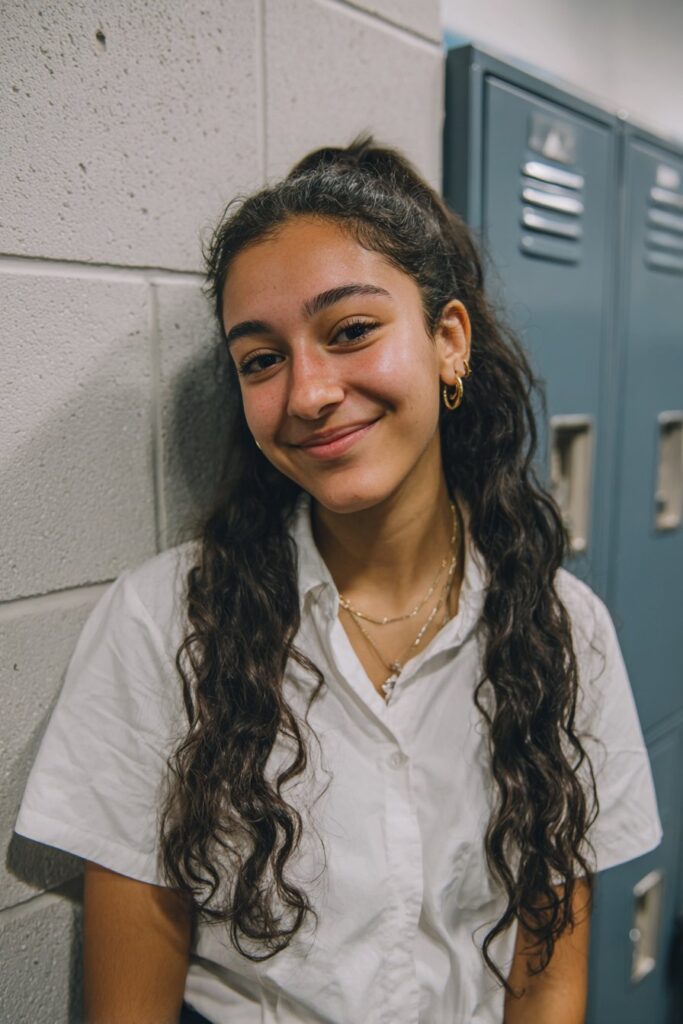
What Makes It Perfect for Thick Hair
Half-up half-down hairstyles strike a perfect balance between the polish of an upstyle and the ease of wearing your hair down. I’ve found this to be one of the most forgiving styles for thick hair because there’s no strict formula. You decide how much hair to pull back based on your comfort and the look you want. Given that thick hair provides natural volume and texture, this style showcases those qualities while keeping strands off your face.
What works beautifully is the customization factor. With options like braids, twists, knots, and simple clips, you can adapt this look to suit your personal style. For example, I wear a simple barrette version for casual days and switch to intricate braids when I need something more polished.
How to Style Half Up Half Down
The basic technique involves sectioning hair horizontally across the middle of your head. Gather the top portion and decide how much volume you want. For a fuller look, take more hair from the crown area. For something subtle, grab just the upper layer.
Smooth the section back with a brush, then secure with your chosen method. You can use a hair tie for a ponytail, pins for a twisted section, or decorative clips for instant style. The key is starting with the right foundation. Specifically, texture makes all the difference for grip. Before styling, spray dry texturizing spray throughout your hair to prevent slipping and add hold.
Tips to Keep It Secure All Day
The secret to a half-up hairstyle that stays put is finishing with proper hold. After securing your style, mist with flexible yet strong hairspray that fights frizz without stiffness. For added security, choose sturdy accessories that hold firmly without causing tension or breakage. Clear or metal elastics provide a seamless finish, while decorative pins add flair while keeping everything intact.
French Braid
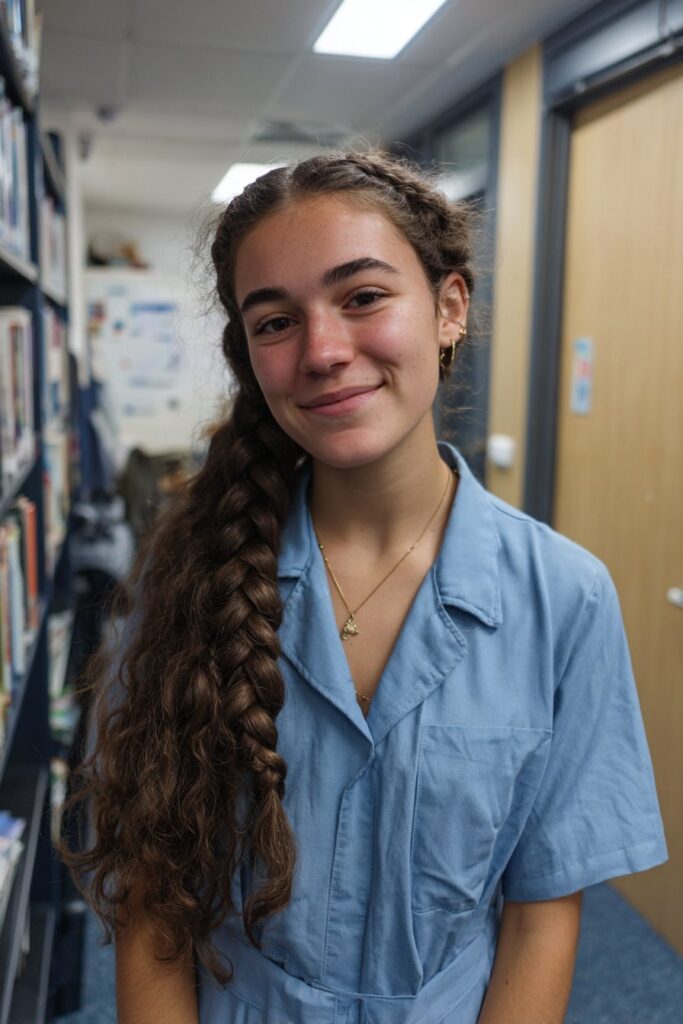
What Makes It Perfect for Thick Hair
When I first learned French braiding in my grandmother’s Charleston space, I watched her work through clients’ thick hair with such ease that I thought it was magic. Years later, I understand why this classic style remains timeless for thick hair. The technique handles heavy, dense strands without the struggle of other styles because it systematically incorporates sections as you work down.
French braids prefer second or third day hair rather than freshly washed strands. Clean hair lacks the grip needed to hold the interwoven pattern securely.
How to Style a French Braid
Start by sectioning hair at your hairline into three equal parts. Take your right section and cross it over the middle strand. Correspondingly, take your left section and cross it over the new middle. Here’s where French braiding differs from regular braiding: add more hair from the right side to your right section before crossing over the middle. Add hair from the left, cross over the middle, and continue this pattern downward.
Keep your hands positioned right against your scalp while braiding. This tension creates the secure, tight foundation that prevents looseness. Once you reach your nape, finish with a standard three-strand braid.
Ask whoever you’re braiding to look down at their feet when you reach the center of the head. This simple adjustment keeps the braid tight at the nape where it tends to loosen.
Pull gently at the braid’s sides to pancake it for a fuller, more voluminous appearance.
Tips to Keep It Secure All Day
Never attempt braiding when you’re exhausted. Fatigue leads to rougher handling and inconsistent tension. In addition, maintain uniform section sizes throughout, including the pieces you feed in from the sides. For slippery hair, apply texturizing spray beforehand to create grip. Smaller braids withstand daily activity better than larger ones, as fine hair within thick textures tends to fuzz quicker.
Top Knot

What Makes It Perfect for Thick Hair
Top knots became my go-to during those rushed mornings when I needed something fast yet polished. This style works beautifully for all hair types, but thick hair creates the full, rounded shape that defines a proper top knot. The versatility surprised me most. I wear the same basic top knot for casual errands and formal occasions by adjusting the tightness and adding accessories. Your hair stays off your shoulders and neck, which keeps you cooler while looking put together.
The speed matters when you’re running late. This style takes minimal time to create, and the comfort makes it wearable all day. Volume is the key to a swoon-worthy top knot, and thick hair naturally provides exactly what this style needs.
How to Style a Top Knot
Pull your hair into a high ponytail and secure with one small hair tie for thin or medium hair, or use one small and one large tie for thick, long hair. Twist the ponytail and wrap it clockwise around the base, tucking the ends underneath the elastic. Pin everything in place with several bobby pins at both the top and bottom of the bun.
For a cleaner, more professional finish, try the hair donut method. Slip a hair donut over your ponytail, then wrap hair around it to completely cover the donut. Tuck the tips under and secure with bobby pins. This technique creates a uniform, polished bun that holds its shape.
Tips to Keep It Secure All Day
Teasing sections of your ponytail before wrapping adds volume and texture that helps the bun grip itself. Start at the midpoint and comb down toward the base. Spray bobby pins with hairspray before inserting them for extra hold. If your bun feels heavy and flops over, texture spray gives your hair the grip needed to stay upright.
Ballet Bun
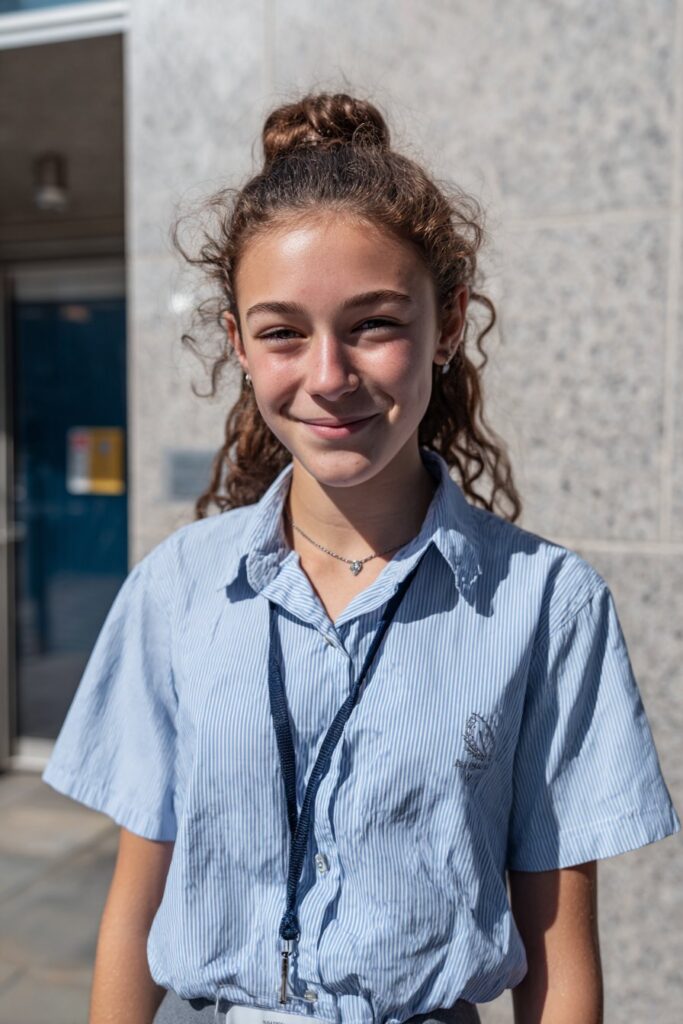
What Makes It Perfect for Thick Hair
Watching my grandmother pin ballet buns in her Charleston space taught me that this style handles thick hair differently than casual updos. The structure requires precision, and thick hair benefits from the two-part method for better hold. Specifically, this technique splits your ponytail in half, creating a flatter, more controlled bun instead of the bulky “doorknob” effect that happens when you twist all your hair at once.
The placement matters. A proper ballet bun sits at the crown where you can see the top when facing a mirror straight on. This positioning creates a visual line that elongates your neck while keeping everything secure.
How to Style a Ballet Bun
Spritz your hair with water before starting. If freshly washed, apply texturizing spray for grip. Pull hair into a ponytail at your crown and secure with an elastic. Divide the ponytail into two sections. Twist the first section into a tight rope and pin it around the elastic using u-shaped pins, which hold more hair than traditional bobby pins. Start the same process with the second section, continuing the pattern until all ends are tucked and secured.
Place a hairnet over the bun, then insert bobby pins around the edges. Catch some bun edge, turn the prongs outward to grab hair outside the bun, then push inward toward the center.
Tips to Keep It Secure All Day
Use 10 to 20 bobby pins minimum. Correspondingly, match your pin color to your hair for a polished finish. The hairnet hides flyaways while the multiple pins distribute weight evenly, preventing sagging through an entire school day.
Side Ponytail

What Makes It Perfect for Thick Hair
Side ponytails brought me back to my grandmother’s Charleston space, where I watched her transform the same basic ponytail into dozens of different looks just by changing the placement. This asymmetric style adapts beautifully for thick hair because it distributes weight differently than center ponytails, reducing strain on your scalp. The versatility surprised me most. I wear side ponytails casually for weekend errands and formally for special occasions, adjusting texture and accessories to match the mood.
Thick hair creates natural volume that makes side ponytails look full without extensions, though you can add them for extra length if desired. This style flatters all face shapes, particularly oval and heart shapes when styled with soft waves.
How to Style a Side Ponytail
Start with dry hair, as wet hair becomes vulnerable to breakage when pulled tight. Gather your hair to one side at your preferred height. For added dimension, incorporate a Dutch braid wrapping around your head before securing the ponytail. Create soft waves with a curling iron for a polished finish.
Tips to Keep It Secure All Day
Use a fiber-wrapped elastic for the strongest hold. Play with the positioning and texture until the look feels right, then finish with strong hold hairspray.
Space Buns

What Makes It Perfect for Thick Hair
Space buns offer that cute, fresh vibe that feels playful without sacrificing practicality. The primary advantage for thick hair is how this style manages weight distribution. Due to the density of thick hair, a single bun can feel heavy and sag, but splitting your hair into two sections naturally divides the load. This positioning keeps everything secure without the tension headaches that come from pulling all your weight into one spot.
How to Style Space Buns
Create an even vertical part using a rat-tail comb, then tie both sections into pigtails at your desired height. Twist each pigtail away from your face to form a rope, then coil the twisted hair around the base. For thick hair specifically, split each pigtail into two smaller sections, twist them individually, then wrap them around each other to form the bun. This distributes weight more evenly.
Tips to Keep It Secure All Day
Anchor the buns to your base hair by inserting heavy-duty bobby pins or U-shaped pins with the ridged side facing your scalp for maximum grip[351]. Push the pin through the outer bun edge, hook some base hair, then push back into the center. Use as many pins as needed until secure. Mist with texturizing spray to lock everything in place.
Low Bun

What Makes It Perfect for Thick Hair
The nape placement of low buns creates a sophisticated look that works particularly well when you need something polished but not overly formal. I learned this style watching my grandmother work in her Charleston space, where she’d create sleek low buns that lasted through entire wedding receptions. What makes this positioning work for thick hair is how it sits at your natural balance point, distributing weight without pulling on your crown.
Specifically, low buns prefer second-day hair over freshly washed strands. The natural oils provide grip that clean hair lacks, making the style more secure and longer-lasting.
How to Style a Low Bun
Pull your hair into a low ponytail, wrapping a hair tie around twice. On the third wrap, pull your hair only partway through to create a small looped bun. Split the remaining loose ends into two sections, twist each one, then wrap both around your hair tie to completely cover it. Secure everything with a bobby pin at the base of your ponytail.
For thick hair, use two ponytail holders instead of one. Fresh elastics make a significant difference, as stretched-out bands won’t hold properly. After creating your initial ponytail with one elastic wrapped as tightly as possible, twist your hair into the bun shape and add a second elastic around the base.
Tips to Keep It Secure All Day
Add bobby pins around the bun as needed for extra security. This technique lasts all day without a single hair falling out of place.
Braided Crown
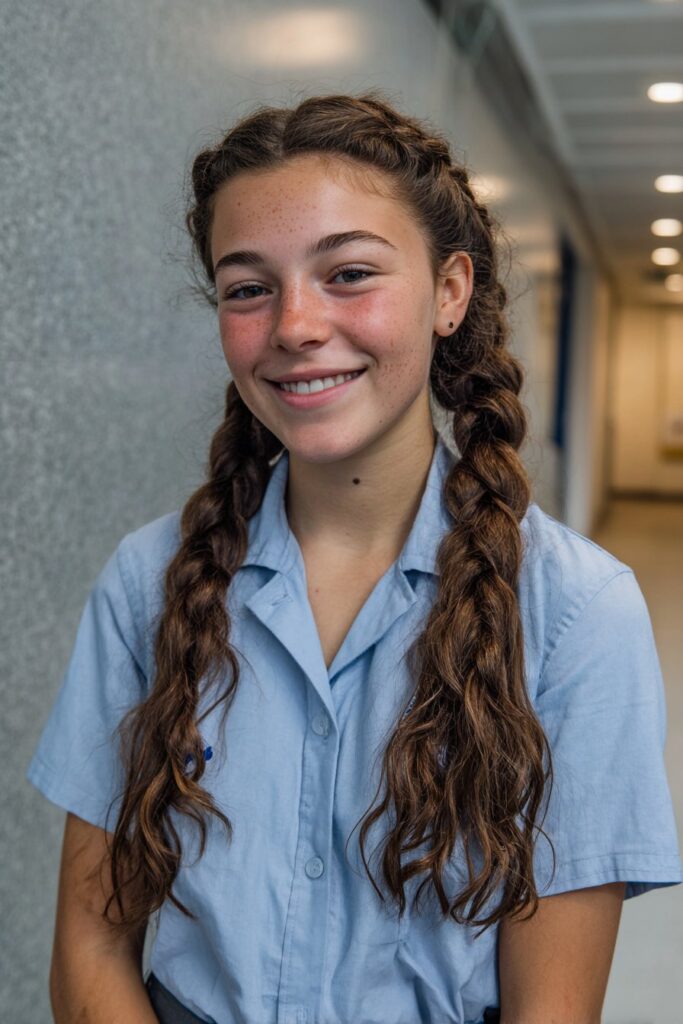
What Makes It Perfect for Thick Hair
Crown braids create that elegant, regal appearance that transforms even the busiest school morning into something special. What drew me to this style for thick hair was discovering it lasts up to a week, making it one of the most practical back to school hairstyles for thick hair when you’re juggling homework and activities. The Dutch braid wrapped around your head resembles an actual crown, and thick hair provides the volume needed to make this statement style truly stand out.
How to Style a Braided Crown
Start by choosing your sectioning method. You can create a center part for two equal sections, a slight side part at the front, or divide hair from one side at your nape. Split the hair near your part into three sections, then cross the upper strands into the middle using Dutch braid technique. Keep adding hair from your scalp to the upper strands before crossing until you’ve braided around your entire head.
Secure the ends with a clear elastic, then lay the braid across your head and pin it with bobby pins. Tuck the ends under the Dutch braid for a polished finish. Gently tug on the braid’s edges to pancake it, creating that fuller, more voluminous appearance.
Tips to Keep It Secure All Day
Those with thick hair need multiple bobby pins rather than just one or two. Spray with texturizing spray to keep everything in place and looking perfect.
Twisted Ponytail

What Makes It Perfect for Thick Hair
Twisted ponytails add texture without the complexity of braiding. I discovered this style during my New York training when an instructor showed me how twisting redistributes weight along the length rather than concentrating it at one point. The rope-like structure created by twisting prevents the sagging that happens with standard ponytails on heavy hair. In fact, this works beautifully on second or third-day hair when natural oils provide grip.
How to Style a Twisted Ponytail
Pull hair into a ponytail and separate it into two equal strands. Twist each strand individually like a rope, then wrap them around each other in a circular motion to form the twisted weave. Secure at the end with a small elastic. For extra lift, create a small hole above your base elastic and flip the entire ponytail up and through. This props everything in place without additional products.
Tips to Keep It Secure All Day
Double up your elastics for thick hair. If your ponytail still feels too heavy, leave front sections out initially, twist them separately, and pin where they meet your ponytail. Swap regular bobby pins for U-shaped pins that handle more hair without bending. Finish with spray to control flyaways.
Sock Bun

What Makes It Perfect for Thick Hair
Using a sock or bun maker transforms how you handle thick hair because the tool provides structure that your hands alone can’t achieve. I learned this watching my grandmother work through her Charleston clients’ heavy hair, and the technique stuck with me through my New York training. This style works for all hair types, but thick hair requires the specific rolling method that completely covers the bun maker.
What surprised me most was discovering this works best on third-day hair when you’re stretching out your blow-dry. The natural texture provides grip that freshly washed strands lack.
How to Style a Sock Bun
Match your bun maker color to your hair. Blondes need white or nude with gold pins, while darker hair requires black or brown makers with matching pins. Brush hair into a high ponytail using a fine tooth comb to remove bumps. Apply molding wax and hairspray to eliminate flyaways.
Slide the bun maker to 1-2 inches from your ponytail tip, wrap remaining hair around it, then slowly roll down toward your scalp. Your hair folds around the maker as you work downward. When you reach the base, twist outward to tighten, then redistribute hair to fill empty spots.
Tips to Keep It Secure All Day
Insert U-shaped pins at the bun’s base first, then tame stray hairs with bobby pins. Tuck pins under the bun where they’re hidden. Finish with hairspray for shine and hold.
Conclusion
Finding the right back to school hairstyles for thick hair doesn’t have to feel overwhelming. I’ve shared these 15 styles because they’ve worked for me and countless clients over the years, transforming thick hair from a styling challenge into an advantage. Not every style will become your favorite, and that’s perfectly fine. Try a few different options throughout the week to discover which ones fit your routine and personal style best. The key is working with your hair’s natural volume instead of fighting it. With the right techniques and a little practice, you’ll find your go-to styles that actually stay put until the final bell rings.

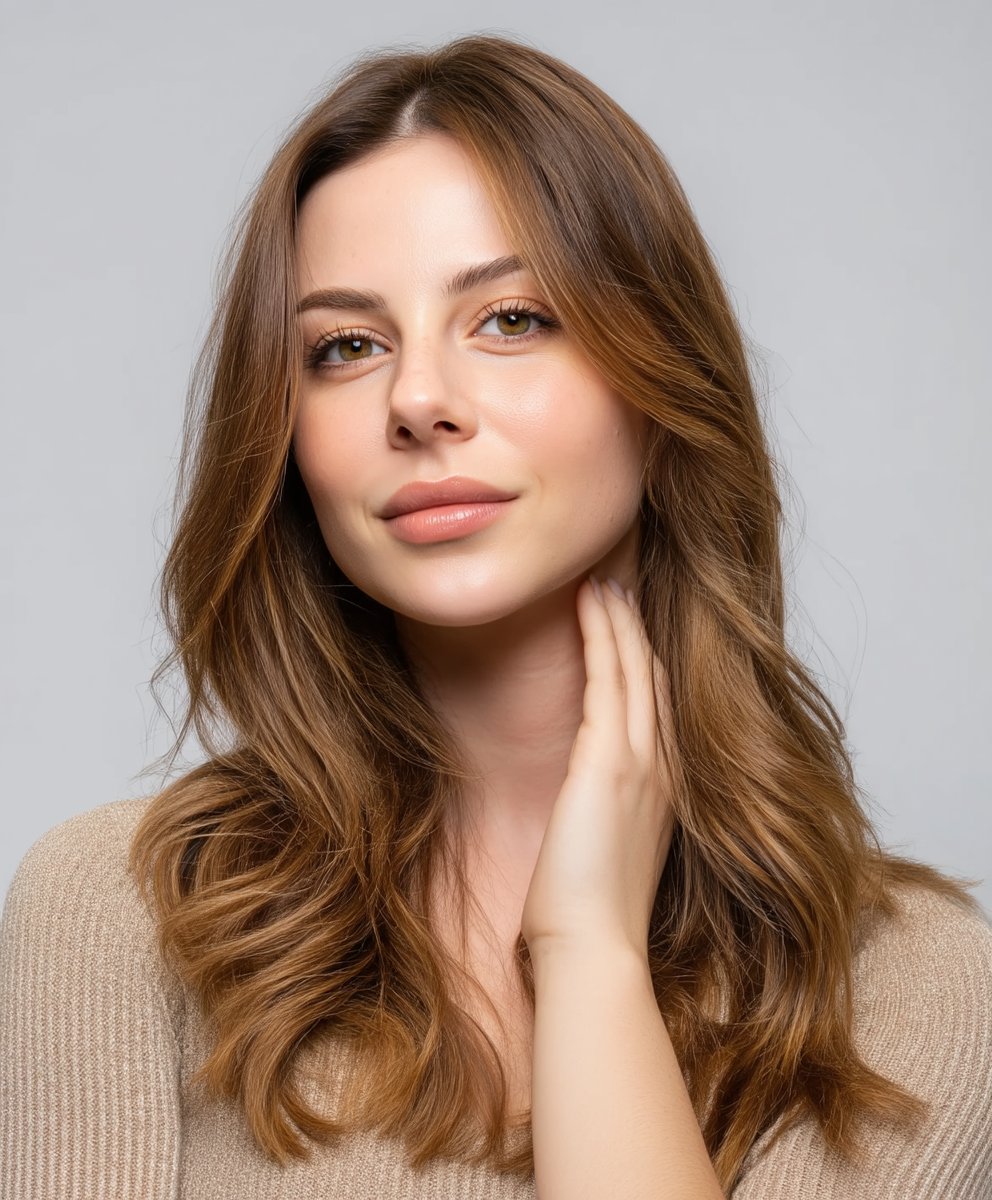
Elsa Claire is the founder and editor of ElsaClaire.com, where she writes about hairstyles, hair care, and the everyday routines that help real people feel good about their hair.