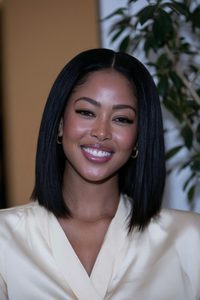
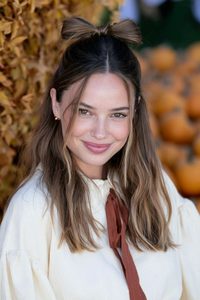
I’ll be honest: greasy hair hairstyles have saved me more times than I can count. Greasy hair can be a confidence killer, but washing every day isn’t always realistic. For this reason, I’ve learned to work with my hair instead of against it. Actually, some of the most popular hairstyles, like slicked-back buns and intricate braids, are completely grease-friendly. Whether you’re learning how to hide greasy hair or simply styling greasy hair for a polished look, these 15 hairstyles for greasy hair will transform your bad hair days into effortlessly chic moments.
Messy Bun
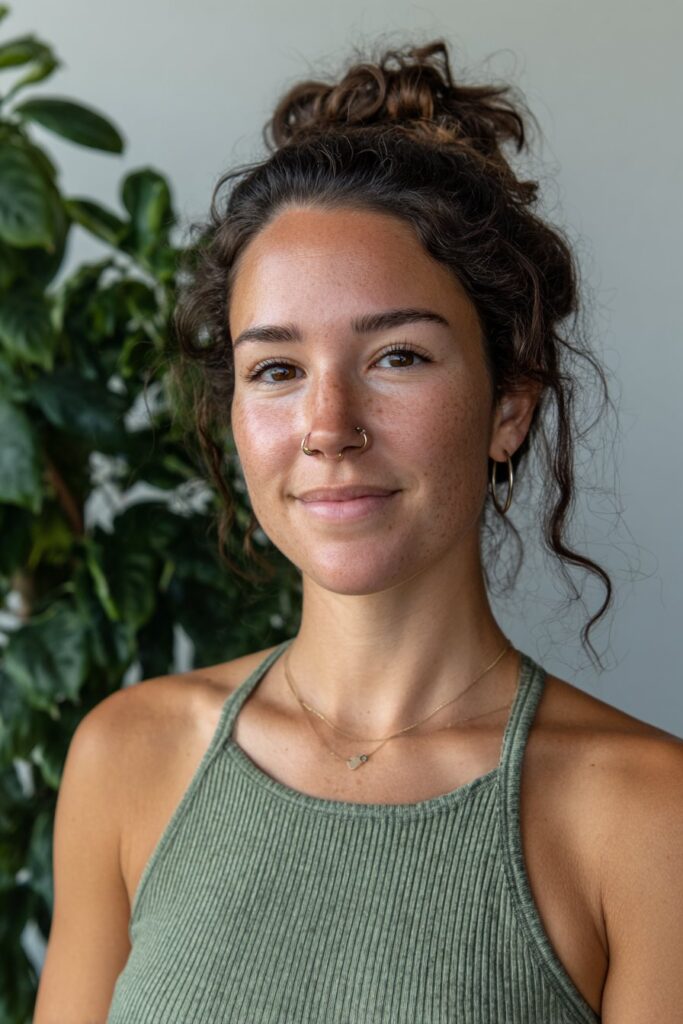
The messy bun has rescued me from countless bad hair days. When clients come to me with third-day greasy hair, panicked about an event, this is my first suggestion. It takes roughly 5 minutes to create, and what most people don’t realize is that greasy hair actually makes this style work better.
How to Create a Messy Bun
I always start by gathering hair into a ponytail using a fabric tie or scrunchie. Metal clasps damage hair, so I avoid those completely. Here’s where the technique splits: you can either wrap your ponytail around the tie and tuck the end in, or create a loop by not pulling your hair all the way through on the final wrap.
The loop method is faster. On your second wrap of the elastic, leave a large, bouncy loop of hair hanging out. For the wrap method, spin your ponytail into a single strip, then wind it around the elastic and stick the end back under. Both work beautifully, but I prefer the loop for rushed mornings.
Position matters. For a higher bun, flip your hair upside down before gathering it, which increases volume and eliminates bumps. Lower buns sit at the nape of your neck and feel more casual.
Why It Works for Greasy Hair
Greasy strands have natural texture and hold that freshly washed hair lacks. The oils provide grip, making the bun stay in place without slipping. When your hair is knotted on top of your head, those oily roots are completely disguised. I’ve seen this work miracles for clients who thought they needed to wash before an event.
Second or third-day hair brings more natural volume and texture, making the ‘messy’ element come through organically. For that reason, I actually tell people to skip washing if they’re planning this style.
Best Hair Types for This Style
Straight hair needs preparation. Detangle completely before starting, then apply texturizing spray if your buns typically lay flat or lack body. I’ve worked with fine, straight hair that seemed impossible for messy buns until we added a volumizing mousse at the roots.
Curly hair requires a different approach. Skip the brush entirely and use your fingers to work out knots. The natural texture creates volume without tools. Silk-lined scrunchies and thinner hair ties prevent dents and stretched-out curls.
Wavy hair performs best when you avoid washing for two or three days before styling. Keep your wraps loose around the hair tie to maintain your wave pattern. This creates that naturally messy look without damaging your texture.
Products to Use
Lightweight mousse adds pliability while keeping hair soft and natural. I reach for volumizing formulas when clients need extra body. Dry shampoo absorbs excess oil at the roots, though the style works with greasy hair as-is.
Hairspray sets everything in place. Choose a micro-fine mist formula that you can reapply without buildup. Spray from seven to eight inches away. Texturizing spray works wonders on hair that needs more grip, and I’ve found hair salt spray adds texture to extremely soft or freshly washed strands.
Sleek Ponytail
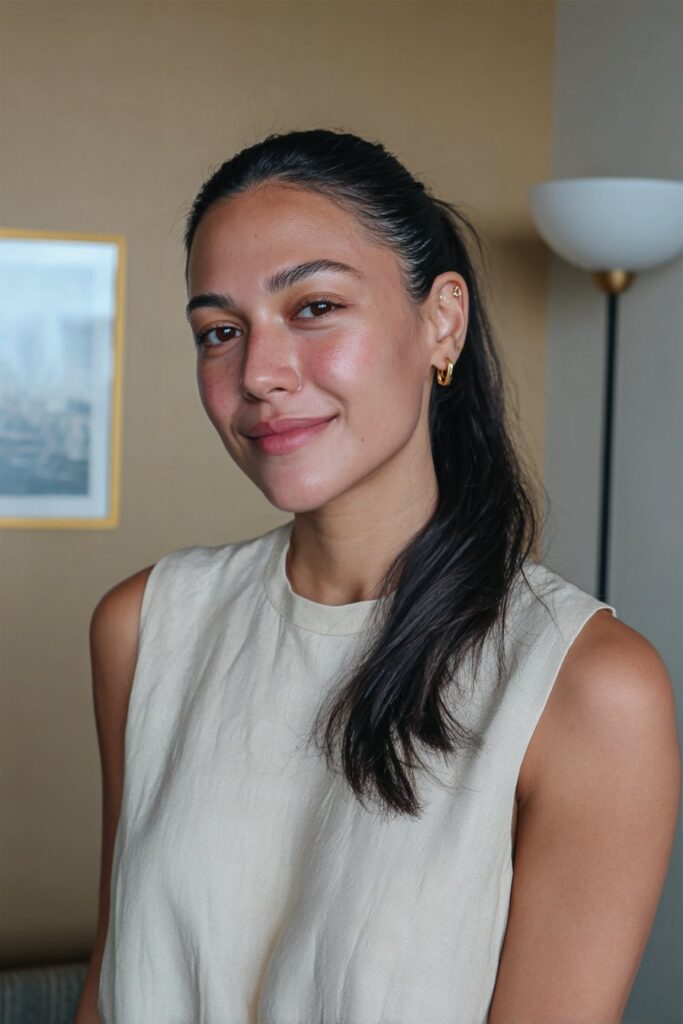
A sleek ponytail remains one of my favorite hairstyles for greasy hair because it transforms what feels like a problem into polished elegance. Stylists actually prefer working with hair two or three days after washing because it holds better and creates that signature slicked-back look.
How to Create a Sleek Ponytail
Start with a boar-bristle brush, which smooths and flattens hair for an ultra-sleek finish. Apply a small amount of styling cream or gel throughout your hair, focusing around the roots, hairline, and crown. I love formulas that provide brushable hold and add shine without stiffness.
Brush your hair back to your desired placement. High ponytails sit at the crown, low ponytails rest at the nape of your neck, and classic ponytails align with the tops of your ears. Smooth over any bumps as you gather your hair. Secure with an elastic, wrapping it twice for a tighter hold. For a polished finish, take a half-inch section from the bottom of your ponytail and wrap it around the base to conceal the hair tie.
Why It Works for Greasy Hair
The slicked-back look works with your hair’s natural oils, not against them. Those oils actually create the sleek texture that freshly washed hair can’t achieve. In fact, this is one style where washing beforehand works against you.
Styling Tips for Extra Sleekness
Layer your gel application for secure hold, separating each section with a thin comb. A wax stick smooths flyaways along your hairline without leaving sticky residue. Finish with high-hold hairspray to lock everything in place. If you notice baby hairs sticking out, smooth them down with a strong-hold gel.
Best Occasions for This Look
I’ve styled this look for everything from casual coffee dates to formal events. The versatility comes from placement: high ponytails feel energetic and youthful, while low ponytails appear sophisticated and refined.
Low Bun
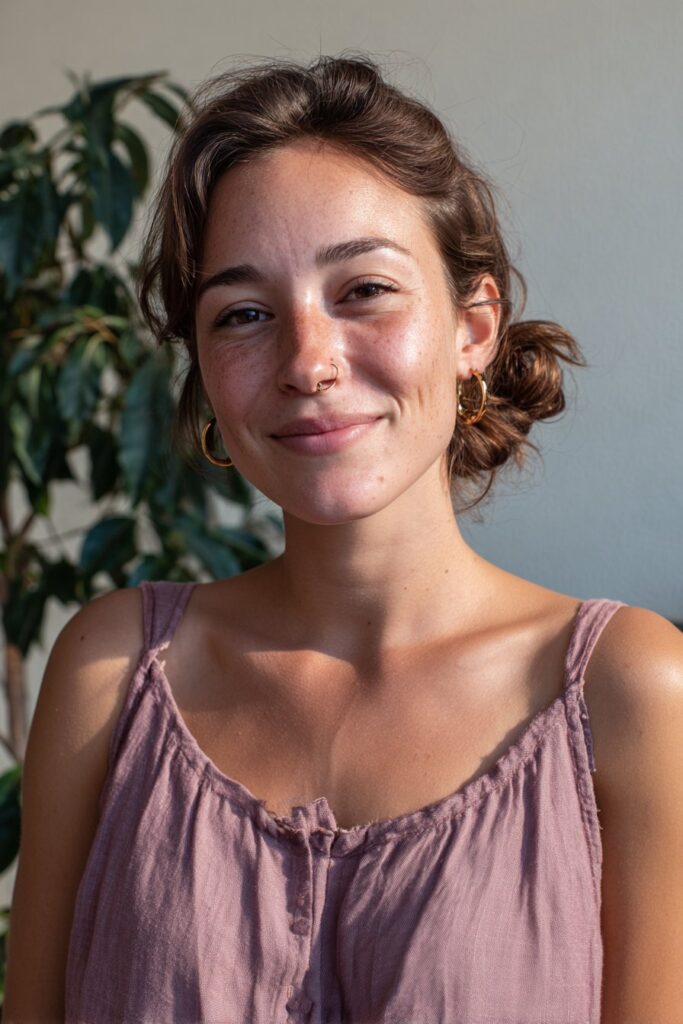
Low buns became my signature style during my bridal work. Brides would arrive worried about their second-day hair, and I’d show them how a low bun positioned at the nape of the neck could transform greasy roots into pure elegance.
How to Create a Low Bun
Start with dry hair and brush through any tangles using a mixed bristle brush. Pull your hair into a loose ponytail at the base of your neck and secure it with a hair tie.
From here, you have options. For a twisted low bun, divide the ponytail into two sections and twist them around each other until you create one long twisted strand. Wrap this twisted hair around your hair tie and tuck it into the base, securing with bobby pins. Insert bobby pins with the opening toward your scalp, pushing down and sliding into the knot.
For a braided version, divide your ponytail into three strands and braid down to the tips. Secure the bottom with another hair tie, then circle the braid around the base of your ponytail to form the bun.
The messy approach works beautifully on greasy hair. Pull hair loosely into a low ponytail, twist around the base, and leave the tail out at the end. Secure with a second hair tie and bobby pins, then pull a few sections free for that undone look.
Why It Works for Greasy Hair
Messy buns work exceptionally well on dirty hair. The natural oils provide texture and grip that clean hair lacks. In reality, I prefer styling low buns on hair that hasn’t been washed for two or three days because it holds better and creates more volume.
Variations to Try
A braided crown elevates the entire look. For curly hair, create a loose low bun that showcases your natural texture. Side updos with pearl details add asymmetrical interest. Twisted chignons bring character for formal events. Sleek middle parts create modern elegance, while voluminous styles with extensions deliver drama.
Claw Clip Updo
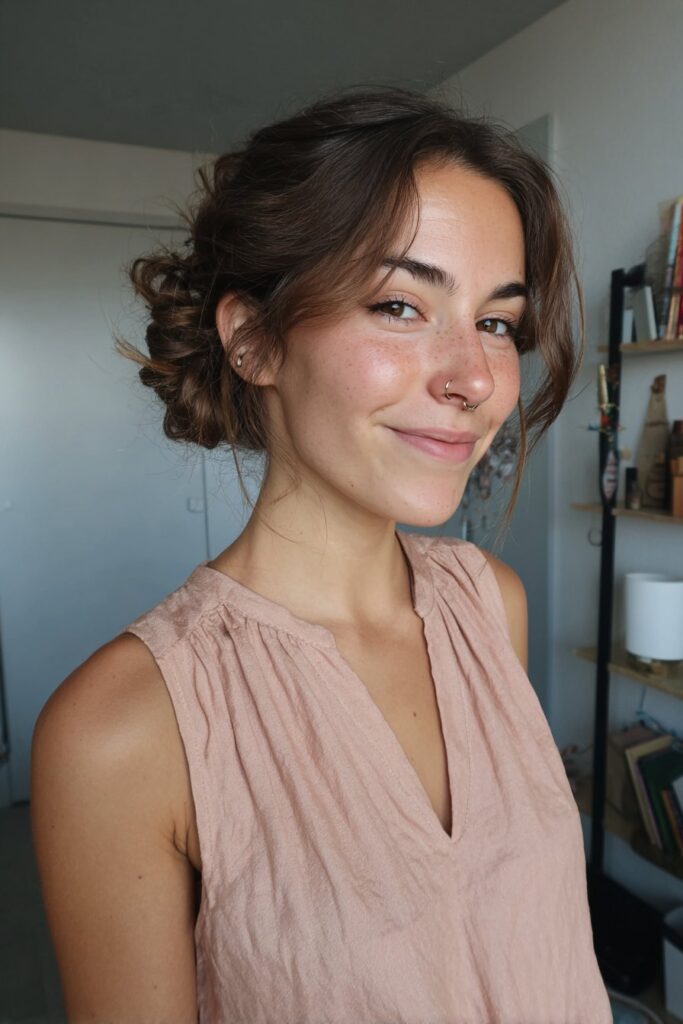
Claw clips have become one of those hairstyles to hide greasy hair that I reach for constantly. During my bridal work years, I discovered this style could transform day-six greasy hair into something polished in under five minutes.
How to Create a Claw Clip Updo
Spray hairspray or apply gel on your front pieces first. If your hair carries enough natural oil, you can skip this step entirely. Use a comb to smooth down the front section and eliminate flyaways.
Grab your comb and smooth hair back into a mid-height ponytail. Wrap the hair tie around as many times as possible, but on the last wrap, don’t pull the hair all the way through. This creates a bun shape automatically. Place your claw clip over all the hair to secure everything. A final spray holds the style if needed.
Why It Works for Greasy Hair
This is one of those hairstyles for greasy hair that performs beautifully on unwashed hair. The natural oils from day-six hair provide grip and hold. Claw clips distribute pressure evenly across a larger surface area, reducing strain compared to hair ties. Slightly textured hair holds better than freshly washed, silky strands.
Choosing the Right Claw Clip
If you feel pulling or struggle to gather all your hair, size up. Thick hair requires larger clips with strong springs and wider teeth. Fine hair benefits from smaller clips with tighter grip. Investing in heavy-duty clips prevents the frustration of using two clips.
Quick Styling Tips
Spray dry shampoo directly onto roots before styling. Let it sit for a few minutes, then massage it in. Twist your hair before securing it in the clip, giving structure to hold onto. For lower placement, gather hair at the nape and twist upwards.
French Braid
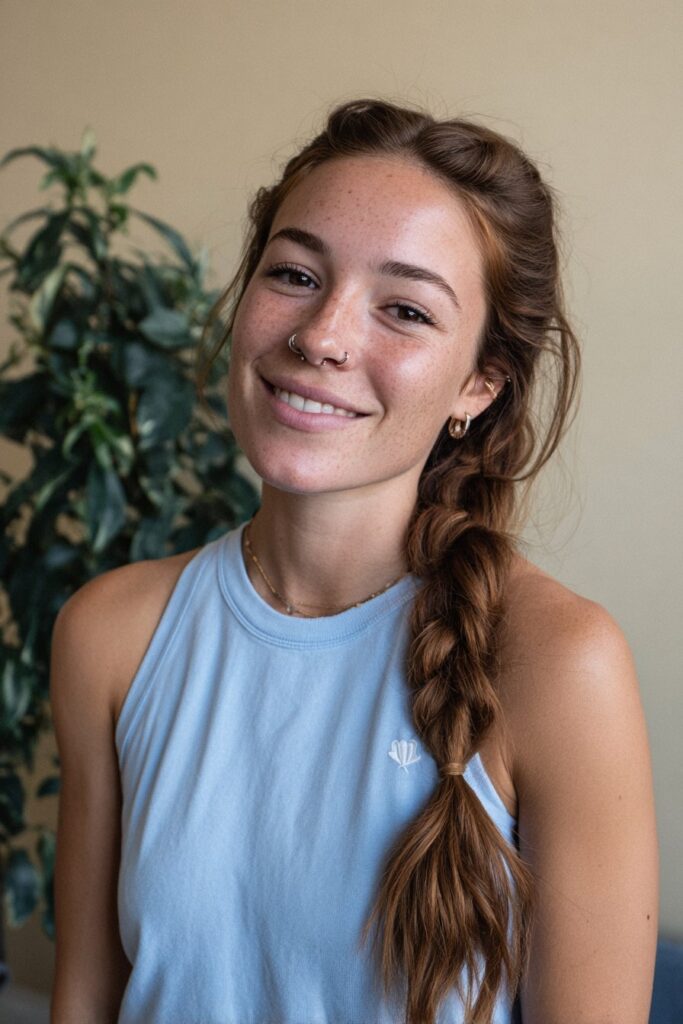
French braids taught me patience when I first started styling hair. Back in my training days, I must have practiced this technique hundreds of times before it clicked. Now, French braids are among my favorite hairstyles to do with greasy hair because they hold beautifully and look elegant for days.
How to Create a French Braid
Take a small section of hair at the top of your head and split it into three sections. Begin a normal three-strand braid, crossing the left section over the center, then the right section over the center. Each time you pass hair over the center strand, grab more hair from the side of your head and incorporate it into the section.
Repeat on each side, adding to each section as you braid, until you have no more hair to gather. Once you reach the nape, braid the three sections normally and secure with an elastic. Hold hair taut as you braid to prevent sagging.
Why It Works for Greasy Hair
Greasy hair provides grip that makes braiding easier. In fact, braids look better and stay in place longer with oily hair. You can keep French braids in for several days without washing, making them perfect for extending time between shampoos. The oils at your roots stay hidden within the braid pattern.
Best Hair Lengths for This Style
French braids work on hair as short as chin-length. For shorter hair, expect a few pieces to fall out, but that adds to the undone charm. Longer hair allows for more intricate braiding down the back.
Adding Texture and Volume
Start braiding about half an inch to one inch off your scalp instead of tight against it. This single adjustment creates substantial volume. Apply texturizing spray or dry shampoo before braiding if your hair feels too slippery. For fine hair, use a volumizing liquid that boosts body and provides style memory.
Half-Up Top Knot
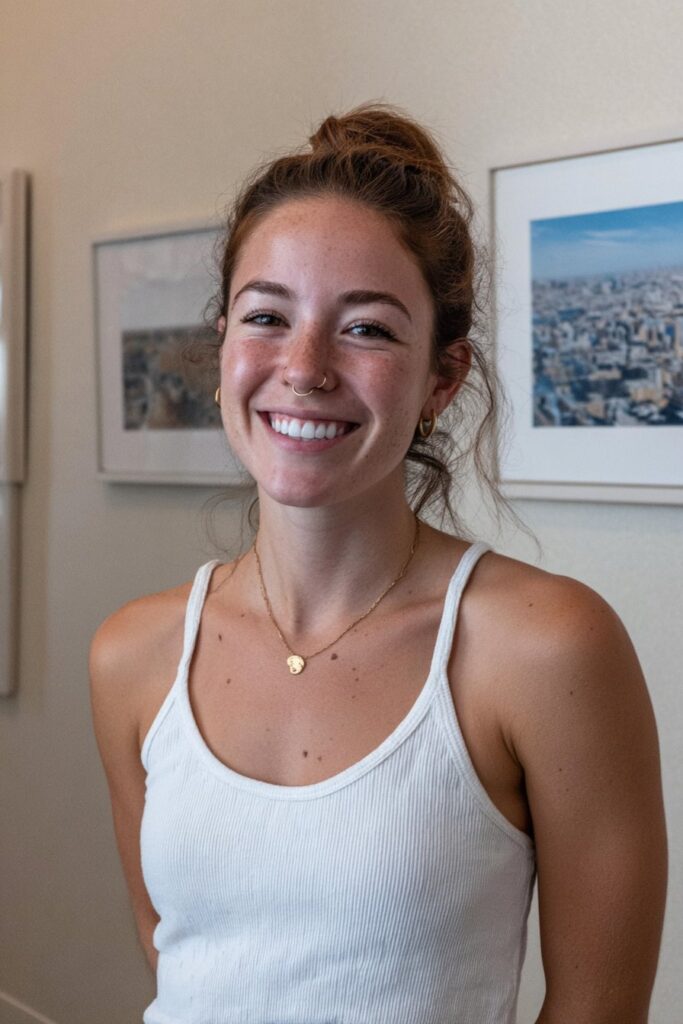
During years of working with rushed clients who needed quick fixes, the half-up top knot became one of my most reliable techniques. This style performs beautifully on day three or four hair, making it perfect when you’re stretching time between washes.
How to Create a Half-Up Top Knot
Section the top part of your hair from your temples to your crown. Position this ponytail right at the top of your head, not towards the back. Placement makes all the difference here.
If you’re working with lived-in hair, apply dry shampoo before starting. Let it sit briefly, then massage it through. For fine hair or when you want extra body, tease the entire ponytail from root to tip. I learned this trick specifically from bridal work where volume mattered.
Pull your hair from the sides of your forehead and back before you hit the crown. You’re essentially grabbing a big square top section. Secure with a hair tie, then comes the technique: pull through about two-thirds of the way on your final wrap, leaving one-third out. This creates that perfectly undone loop.
Loosen the hair right at your scalp slightly. Wrap the ponytail into a bun shape and prepare to pin everything in place. You can pull the bun apart afterward to tweak the look.
Why It Works for Greasy Hair
This is a great hairstyle for day three or four. The natural oils provide grip and texture that fresh hair simply can’t match. Second-day or third-day hair brings more volume naturally, making the messy element come through organically.
Securing Your Knot Properly
Use U-shaped bobby pins for securing. They provide enough hold without messing with the look of your bun and don’t pin hair as tightly as traditional bobby pins. Insert them with the opening toward your scalp. If pieces refuse to cooperate, stick them back into the bun and add another pin.
Space Buns
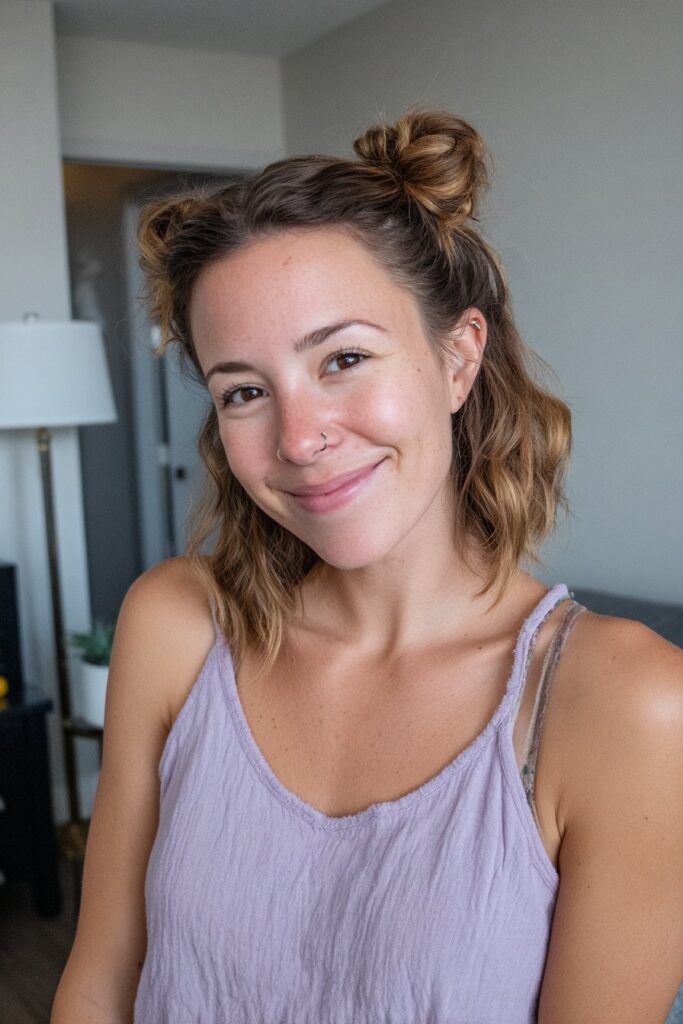
Space buns surprised me when I first tried them on a client with greasy hair. She walked in embarrassed about her oily roots, and within minutes, we had created two perfectly balanced buns that looked intentional and fun. This double bun style gives you two updos simultaneously, essentially providing twice the coverage for those greasy roots.
How to Create Space Buns
Part your hair down the middle from forehead to nape. Divide into two equal sections, smoothing each with your hands or a brush. Create high ponytails, placing them slightly back from the crown for a classic look. Position matters here because your ponytail placement determines where your final buns sit.
Twist one ponytail firmly from base to ends. Tighter twists create smaller, neater buns, while looser twists make larger, softer buns. Wrap the twisted hair around the elastic base, coiling it into a bun shape. Tuck ends under the bun and secure with bobby pins, inserting them with ridged sides facing your scalp. Repeat on the other side, then gently pull at both buns to adjust their shape until symmetrical. Mist with hairspray to lock everything in place.
Why They Work for Greasy Hair
Space buns lend themselves better to second or third-day hair. Chiefly, the double buns easily mask greasy and oily roots. The messier the bun, the better this style performs on unwashed hair.
Styling Variations
Half-up space buns work beautifully for shorter hair. Braided versions add texture by braiding each ponytail before coiling. Low space buns sit at the nape, making them easier for gathering hair versus high updos.
Best Face Shapes for Space Buns
Side bangs create sharp angles that prove especially flattering on round faces. Similarly, curly textures showcase natural volume that makes space buns look amazing.
Dutch Braid
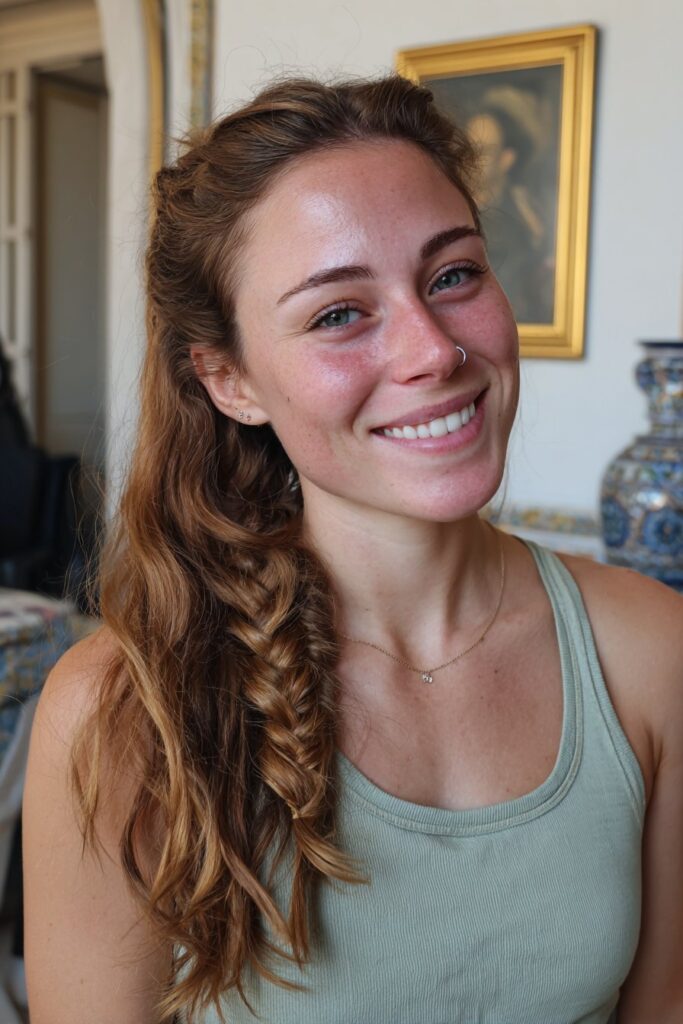
Dutch braids opened up new styling possibilities when I learned the under-crossing technique during my academy days. What seemed like a small hand movement change created entirely different results from French braids.
How to Create a Dutch Braid
Brush out tangles completely before starting. Gather a section at the crown and split it into three equal parts. Cross the left section under the middle, then the right under the middle. Pick up a small section from the left side and combine it with the left strand, crossing both under the middle. Repeat on the right side, continuing until you reach the nape. Finish with a regular three-strand braid, still crossing under.
Why It Works for Greasy Hair
Dutch braids hold better because the under-braiding technique lifts hair, securing it in place. Greasy roots stay hidden while the oils provide grip. Most hair only gets greasy at the roots, making the lengths ideal for braid styling.
Dutch Braid vs French Braid
French braids use overhand crossing, lying flat against the scalp. Dutch braids use underhand crossing, creating a raised, three-dimensional effect that sits above the hair.
Finishing Touches
Pull pieces of the braid out gently to add volume and create a bubbly look. Hold near the elastic while pancaking to prevent pulling sections completely free. Secure any loose ends with bobby pins.
Slicked-Back Hair
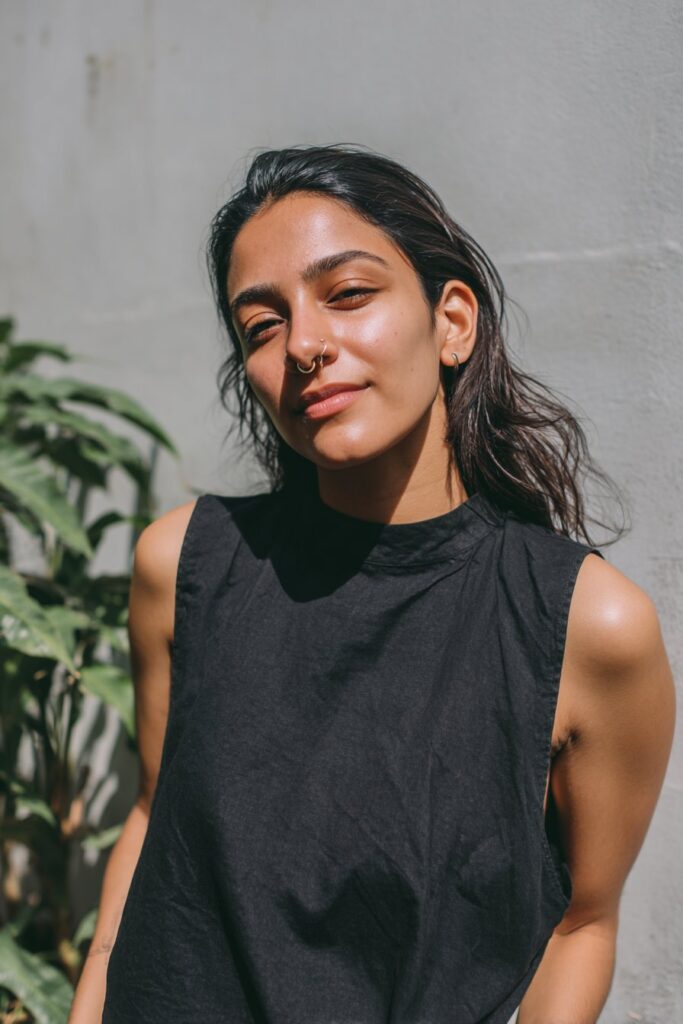
Slicked-back hair changed my perspective on styling greasy hair completely. One evening before a formal event, I watched a colleague transform her day-three oily hair into the sleekest, most editorial look I’d seen. That moment taught me that greasy hair isn’t something to hide with this style; in effect, it becomes the foundation.
How to Create Slicked-Back Hair
Detangle your hair first, then use a pintail comb to gently tease at the crown. Apply strong-hold gel to your roots and brush back with a boar-bristle brush. For ultra-sleek results, pin the sides down with bobby pins, though shorter hair may not need this step. Work from your hairline backward, smoothing as you go.
Why It Works for Greasy Hair
This style gives strands a modern, edgy finish perfect for nights out. Slicked-back hairstyles work great on greasy hair and won’t be going anywhere soon. When your hair looks healthy, a slick-back looks modern. The natural oils from waiting a few days after washing provide the perfect texture.
Products for Hold and Shine
Choose pomade for shine, clay for matte texture, or cream for natural softness. Wax sticks smooth flyaways near your ears and nape. Strong-hold gel maintains the style all day. Layer products for secure hold without stiffness.
Best Occasions
Slick back for work meetings, nights out, or any event requiring polished hair. The versatility makes it my go-to recommendation for clients needing quick sophistication.
Fishtail Braid
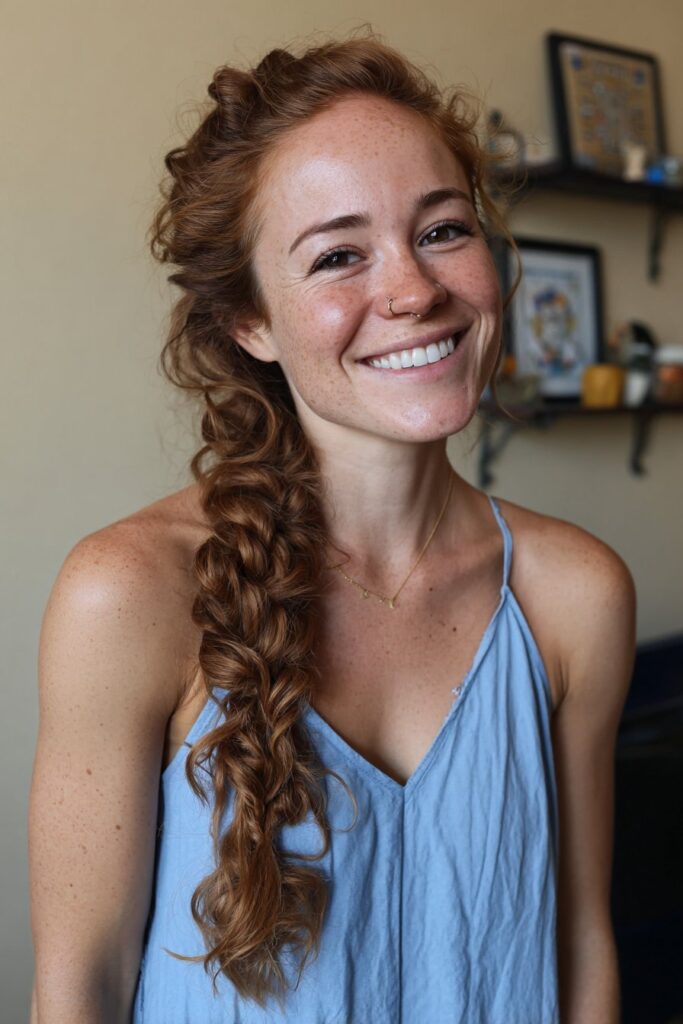
Fishtail braids get requested constantly, especially after clients see them on social media. The intricate, woven look appears difficult, but honestly, this braid is far simpler than it seems. What most people don’t realize is that second or third-day hair actually performs better for this style.
How to Create a Fishtail Braid
Split your hair vertically into two even sections. If you’re still learning, tie hair into a low ponytail first, then divide it in half. Grab a small section from the outside of the right section and cross it over to the inside left. Continue this pattern on the opposite side, taking a small segment from the outside left and crossing it over to the inside right. The smaller your sections, the tighter your braid becomes.
Continue crisscrossing until you reach the ends, then secure with a clear elastic.
Why It Works for Greasy Hair
Unwashed hair has extra grip that prevents unraveling throughout your day. Scalp oil can’t travel as far down the hair shaft because the hair is braided, and the braid gives texture that makes oil less noticeable. Besides, you can keep fishtail braids in for several days without washing.
Making It Look Effortless
Pinch or pull the sides of your braid just enough to make it appear fuller. This pancaking technique adds volume. Mist dry shampoo through random scalp sections before braiding to create a matte effect and extra staying power.
Top Knot
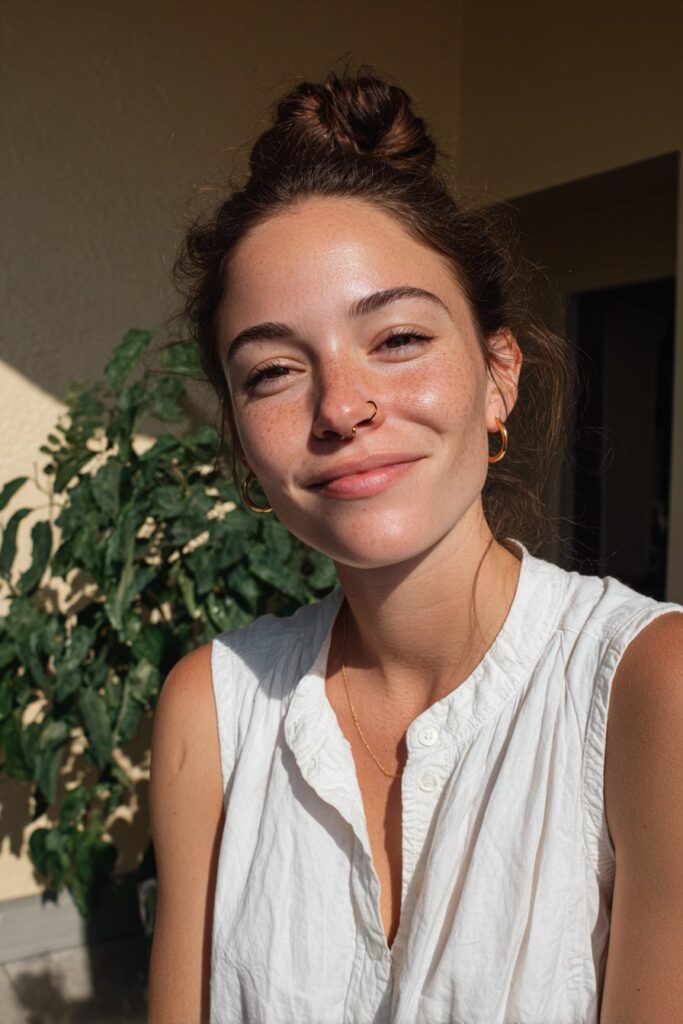
Top knots became my lifesaver when I needed versatility. I remember styling myself for an important meeting one morning with greasy roots, and this single hairstyle transformed everything in under ten minutes.
How to Create a Top Knot
Apply dry shampoo first to add grip. Create a high ponytail at the crown, roughly in line with the end of your ears. Pull out a few tiny wispy hairs around your face. Hold your ponytail vertically and backcomb every section to double the size. This step makes all the difference for fine hair.
Loop the hair over one hand and create an actual knot near the ponytail base, pulling a few strands all the way through. Pull the knot into a messy shape with good width, not just height. Pin around the edges and mist with hairspray.
Why It Works for Greasy Hair
Use the oils to your advantage with a sleek topknot. Natural oils hydrate your hair and give you a better hair day tomorrow. The top knot will be your best friend on the second or third day of your hair cycle.
Height and Volume Tips
Backcomb thoroughly for body. For fine hair, tease every little section. Volume is key.
Accessories to Enhance the Look
Add barrettes or colored bobby pins for flyaways. Scarves tied like headbands upgrade your style. French pins, gold clips, and pearl hair clips add instant chic.
Bubble Ponytail
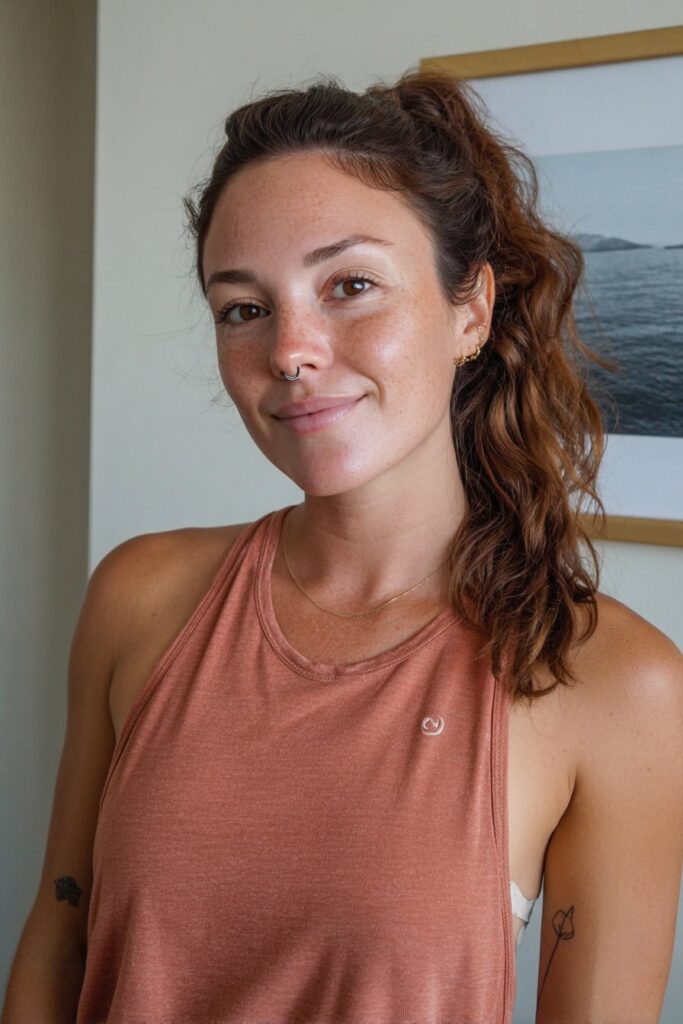
Bubble ponytails proved themselves when I was running late for a bridal consultation. My hair hadn’t been washed in three days, and I needed something playful yet polished in under ten minutes. This whimsical style takes roughly five minutes and works better with dirtier hair. The more dry shampoo and product in your hair, the better, because we want volume.
How to Create a Bubble Ponytail
Pull your hair into a ponytail at your desired height. High ponytails create the most dramatic bubble effect, while low ponytails feel softer and more elegant. Secure with your first elastic. Add the next elastic two to four inches below, continuing down the length of your ponytail at consistent intervals. Between each pair of elastics, gently pull the hair outward in all directions to puff it into a rounded bubble shape.
Why It Works for Greasy Hair
This is even better with dirtier hair. Seriously, the oils provide grip and texture that prevent the bubbles from deflating throughout your day.
Creating Perfect Bubbles
Aim for three to five bubbles down the length of your ponytail. Tug at all bubbles to make them about the same size vertically and horizontally. Mist with hairspray to set everything in place.
Best Hair Lengths
You’ll need at least four to six inches of hair. For shorter hair, aim for two to three bubbles maximum.
Side Braid
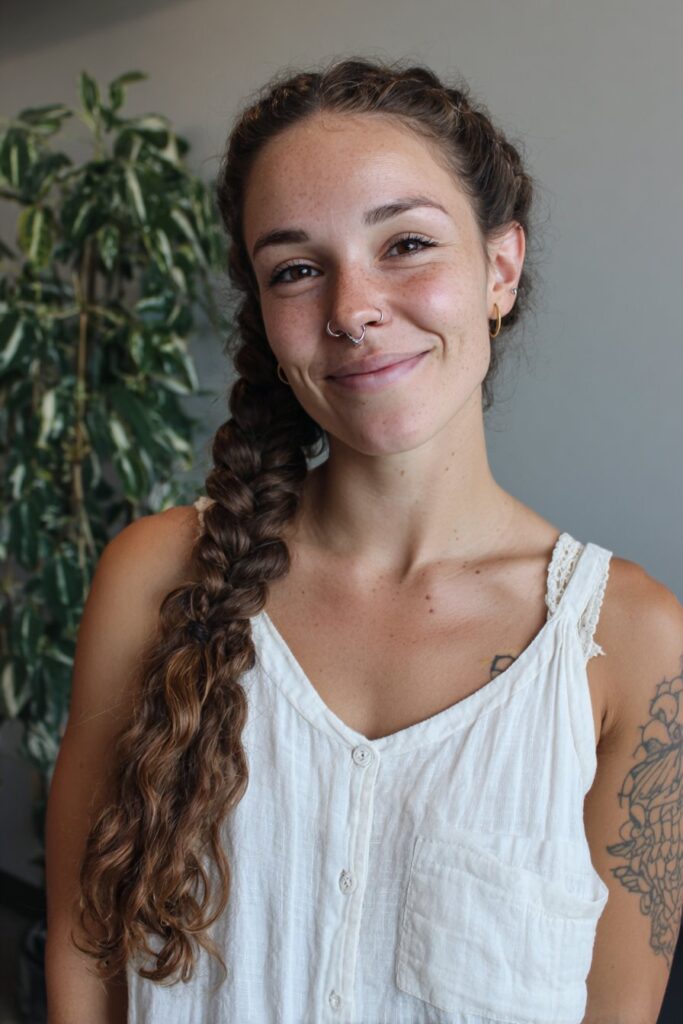
Side braids remain one of my favorite hairstyles to hide greasy hair when I want something effortless yet put-together. During my early styling days, I discovered this technique kept hair off my neck during summer while disguising oily roots completely.
How to Create a Side Braid
Brush your hair toward one side of your head, split your strands into three equally sized sections, and weave away. Once you reach the ends, secure with a hair tie. For layered hair, try a wraparound version that starts above your ear and works around the nape. This variation keeps shorter layers contained.
Why It Works for Greasy Hair
Greasy hair gives grip that makes braiding easier. Consequently, scalp oil can’t travel as far down the hair shaft because the hair is braided, and the braid gives texture that makes oil less noticeable. Your hair isn’t touching your face, body, or clothing as much, so it doesn’t encounter additional oil.
Adding Accessories
Place a chunky headband on your head after braiding; the accessory brings your look together and helps hide your greasy roots. Feather headbands quickly add length, volume, and bright accents. Silver beads woven throughout create a mesmerizing finish, while bows bring soft, romantic touches. Rhinestones add glamor, cuffs elevate the style, and pearly headbands offer elegant charm.
Braided Ponytail
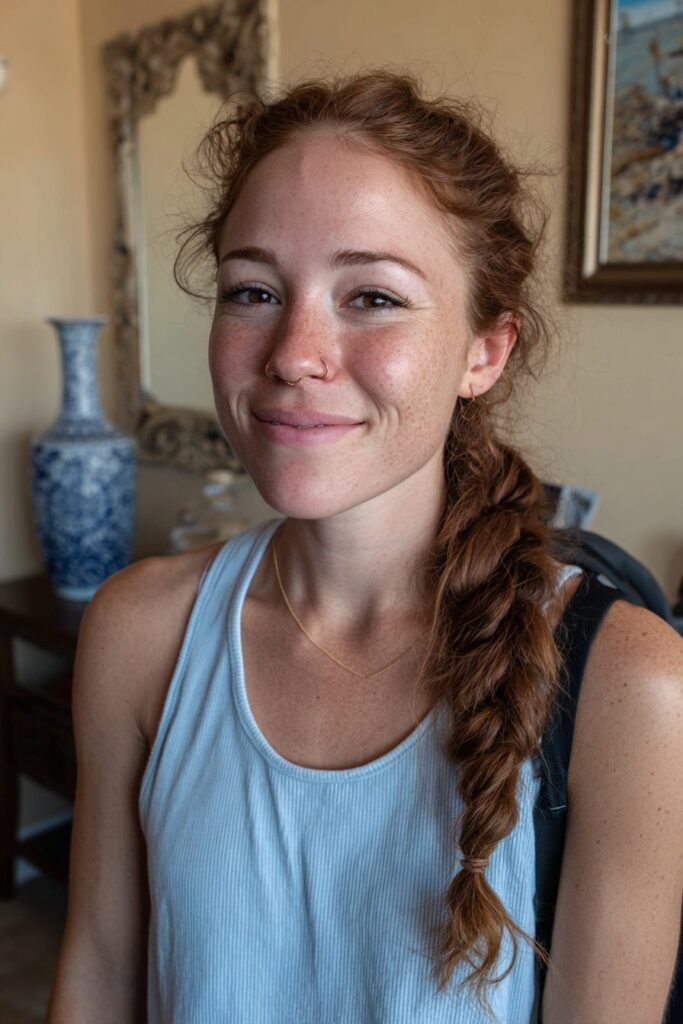
Braided ponytails became a lifeline during my editorial days when models arrived with hair that hadn’t been washed in days. This popular style works for the office, coffee dates with friends, or the gym. The versatility impressed me immediately.
How to Create a Braided Ponytail
Fasten your hair into a ponytail first. Separate into three equally-sized sections, create a three-strand braid, and secure the end with a hair tie. For extra dimension, try a chunky braid on either side of your head, pull them back and tie together with an elastic to create a braided pony, then weave the lengths into a fishtail braid.
Why It Works for Greasy Hair
Pulling your hair back is a foolproof method for masking grease on any hair type, and the woven detailing adds an unexpected touch. You can achieve this look in a few minutes with minimal products. This is a great style for fine hair I’ve found.
Different Braid Types to Try
Split your hair into two even sections and create two pigtails, then braid each side. Rope braids or fishtail braids create extra cute hairstyles for greasy hair.
Quick Finishing Tips
Smooth defining cream through the ponytail to keep the braid clean and sharp. Small invisible elastics for the ends and a metallic hair cuff at the base add glam.
Halo Braid
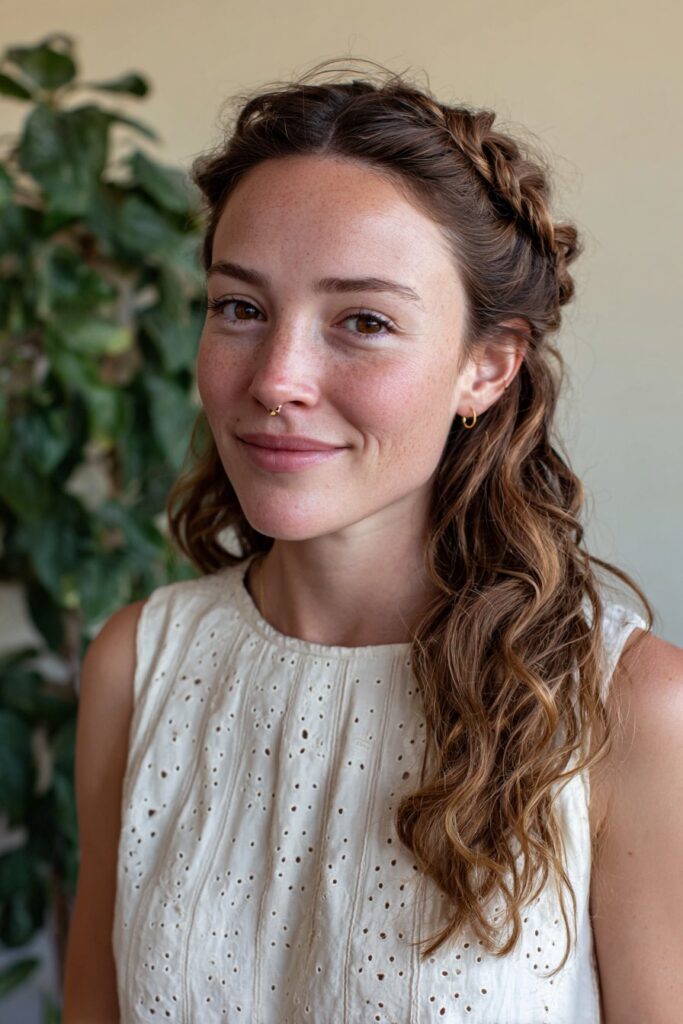
The first time a bride requested a halo braid, I understood why this style has captivated cultures from ancient Greece to modern runways. This whimsical look keeps hair off your face and hides oily roots with romantic elegance.
How to Create a Halo Braid
Part your hair down the middle to the nape. Starting at one side, gather a small section and begin a Dutch braid, crossing strands under instead of over. As you braid around your hairline toward your ear and down the nape, add hair from your scalp into each section. Continue braiding in a circular motion until you reach your starting point. Finish by braiding normally, securing with an elastic, then tuck the end underneath the beginning of your braid. Pin everything in place and gently pull sections to add volume.
Why It Works for Greasy Hair
Halo braids work well for special occasions and daily wear. Given that most hair only gets greasy at the roots, this style strategically conceals oil while showcasing your lengths.
Achieving the Perfect Crown
This style suits medium to long hair best, particularly curly, wavy, or textured types. Practice makes perfect since achieving the seamless tuck requires patience.
Best Occasions for This Style
Wear halo braids anywhere from casual brunches to formal celebrations.
Conclusion
Just to reiterate, greasy hair doesn’t have to ruin your day. After years of styling, I’ve learned that oily roots actually help create some of the most beautiful hairstyles. These 15 styles have saved me countless times when washing wasn’t an option. Without doubt, second or third-day hair brings texture and grip that freshly washed strands simply can’t match. The key is working with your hair instead of fighting against it. Experiment with these techniques until you find your favorites, and remember that what feels like a bad hair day might actually be the perfect opportunity for your best style yet.

Elsa Claire is the founder and editor of ElsaClaire.com, where she writes about hairstyles, hair care, and the everyday routines that help real people feel good about their hair.