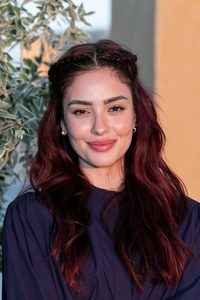
From all-over richness to sun-kissed babylights, here’s every way to wear this cozy, universally flattering brunette.
TL;DR:
- 20 maple brown hair color ideas — solid shades, balayage, highlights, and glaze techniques
- Includes options for curly, fine, short, long, and graying hair
- Best for warm-leaning brunettes who want depth without a high-maintenance routine
As the seasons shift, so does the mood in the colorist’s chair — and lately, that mood is warm. Maple brown hair has quietly become the brunette of choice for anyone craving richness without heaviness, depth without drama. It reads as polished but lived-in, the kind of color that looks intentional on a Tuesday and elevated for a night out. Part of the appeal is timing: cooler, ashier browns are stepping back this year in favor of tones with real warmth built in, and colorists point to a “suede brunette” moment — warm but never golden, cool but never flat — as the shade defining brunette hair right now. Maple brown slots right into that sweet spot, pulling in notes of amber, cinnamon, and toasted caramel depending on how it’s applied.
What makes it so versatile is the range of techniques it supports. This isn’t a single formula — it’s a family of looks, from a solid, saturated base to painterly balayage to fine, sun-kissed babylights. Whether you’re covering gray, growing out a bolder color, or simply craving a seasonal refresh, there’s a version built for your hair type and upkeep tolerance. Ahead, 20 maple brown ideas to inspire your own.
Classic All-Over Maple Brown
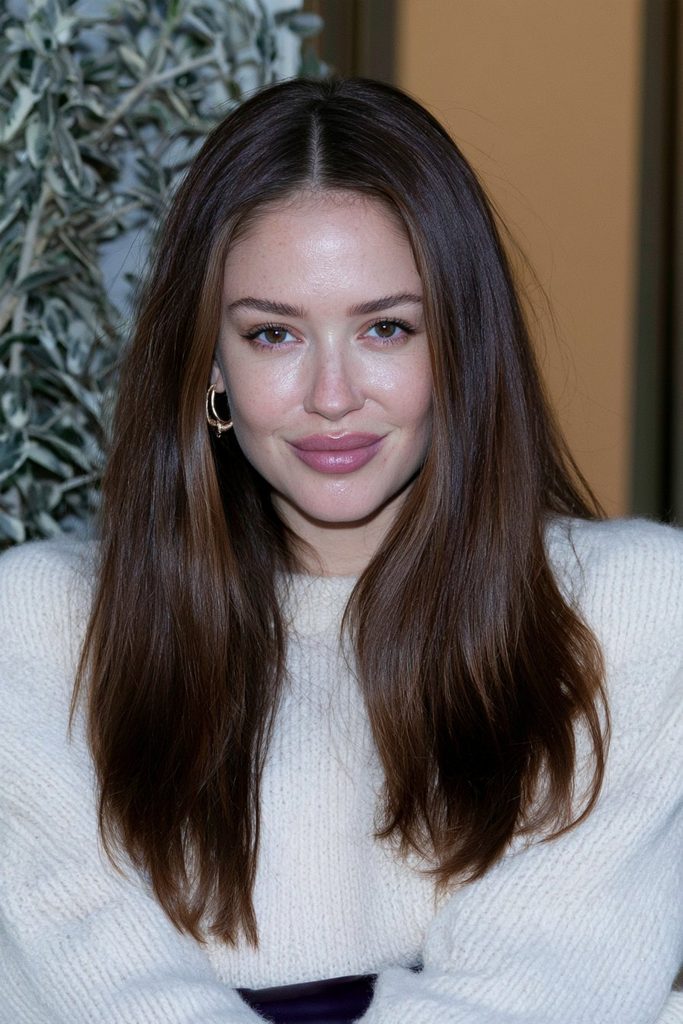
This is maple brown in its purest form — a single, saturated shade with warm red-gold undertones and no dimension added. It reads rich and glossy under indoor light, almost syrupy in direct sun. The appeal is simplicity: one formula, minimal upkeep, and a finish that looks deliberate rather than undone. It pairs especially well with a fresh gloss to keep the shine mirror-like between appointments.
Maple Brown Balayage
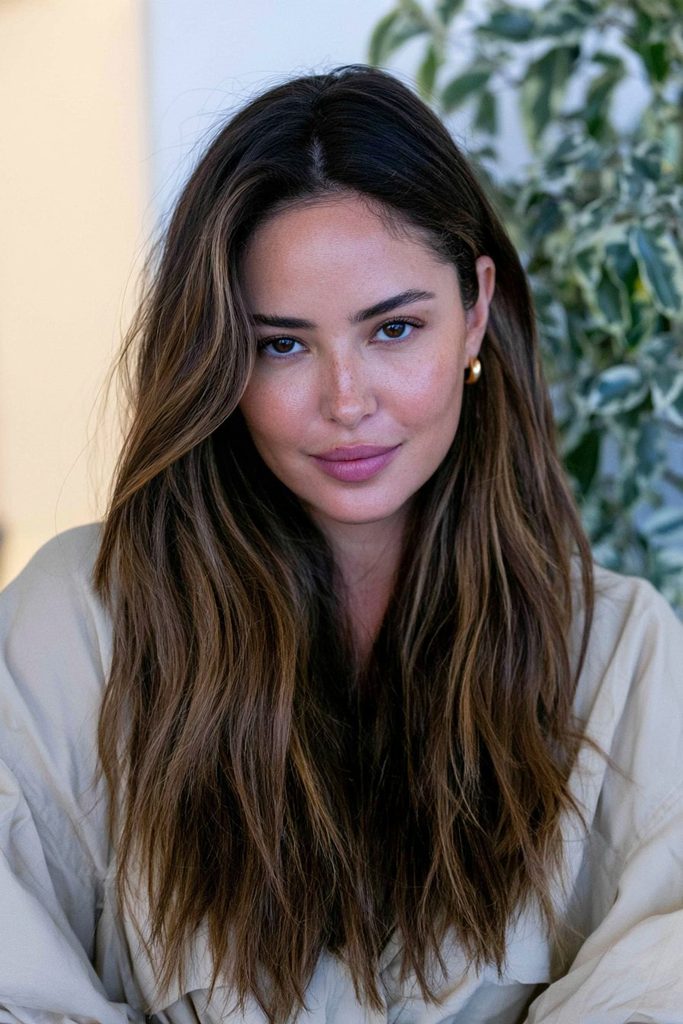
Hand-painted highlights in a lighter maple tone are swept through mid-lengths and ends, leaving the root untouched for a soft, grown-out gradient. The effect is dimensional without looking stripey, and because the color is painted rather than foiled, it grows out with far less visible demarcation. Expect appointments every 10 to 12 weeks to keep the blend fresh, according to balayage specialists.
Maple Brown with Golden Highlights
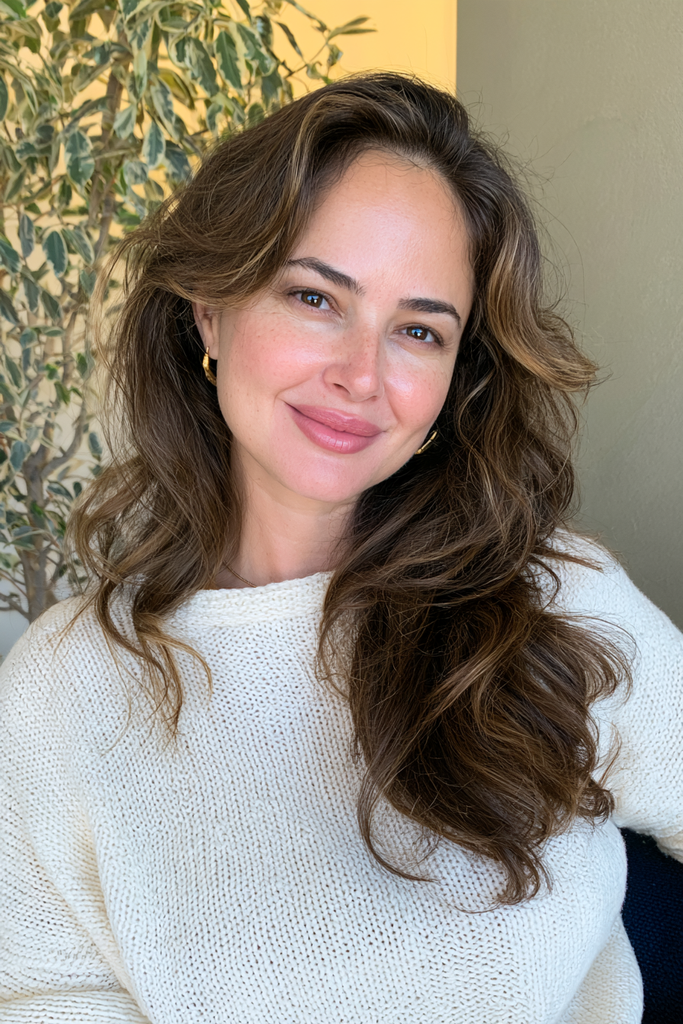
Threading warm gold through a maple brown base amplifies the shade’s natural amber undertone, creating a glow that reads sun-touched rather than artificially lightened. The highlights sit best when concentrated around the face and through the ends, where light naturally catches. This combination flatters warmer skin tones especially, adding a subtle radiance that reads as healthy rather than high-maintenance.
Maple Brown with Caramel Ribbons
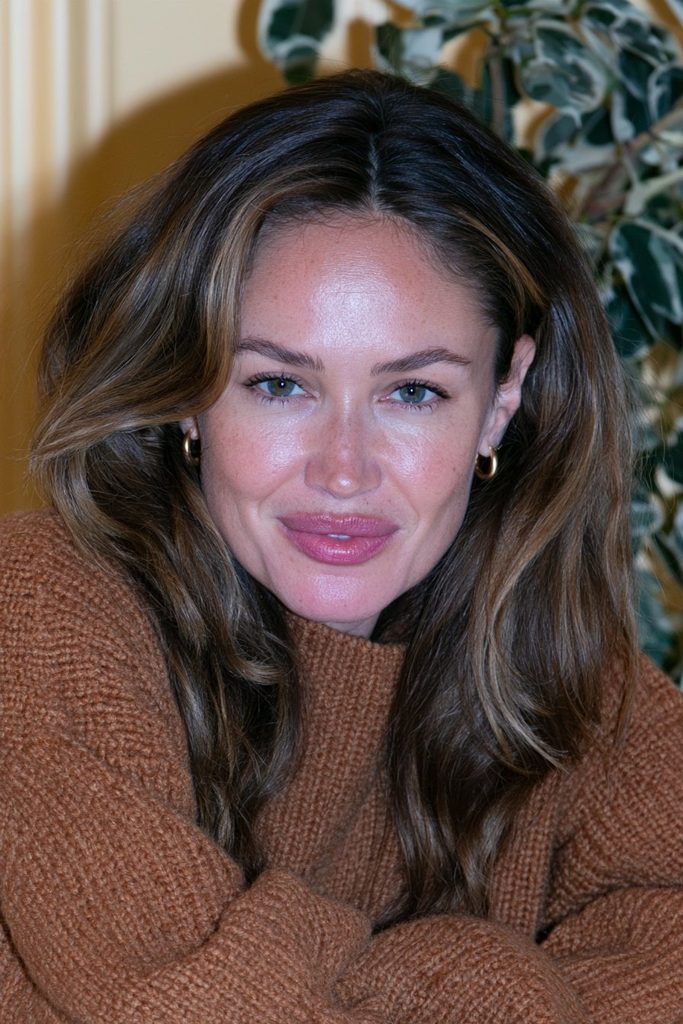
Instead of scattered highlights, this look uses broader “ribbons” of caramel woven through the maple base for a more graphic, editorial effect. The wider placement creates movement when hair is worn loose or tied back, since the ribbons catch light differently depending on how the piece falls. It’s a striking option for anyone wanting more visible contrast without going full balayage.
Deep Maple Brown
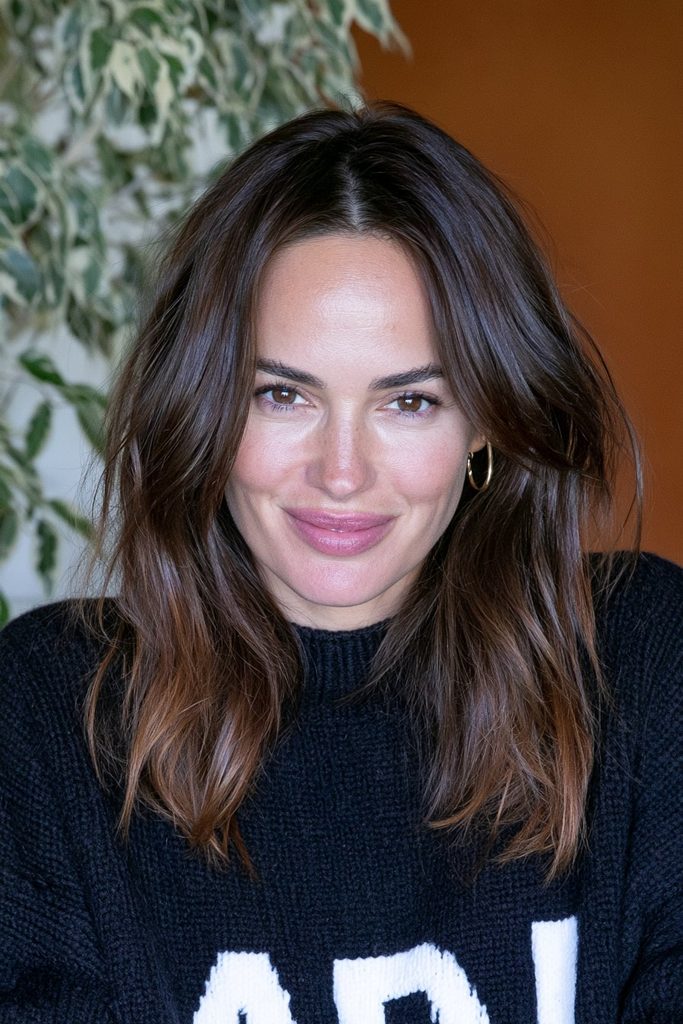
For a moodier, more saturated take, deep maple brown leans darker and richer, closer to espresso with a warm red cast rather than the lighter, honeyed versions. It’s a low-maintenance option for anyone with naturally dark hair, since it requires less lightening and holds its tone longer between salon visits. The finish looks especially luminous with a glossing treatment layered on top.
Maple Brown Ombré
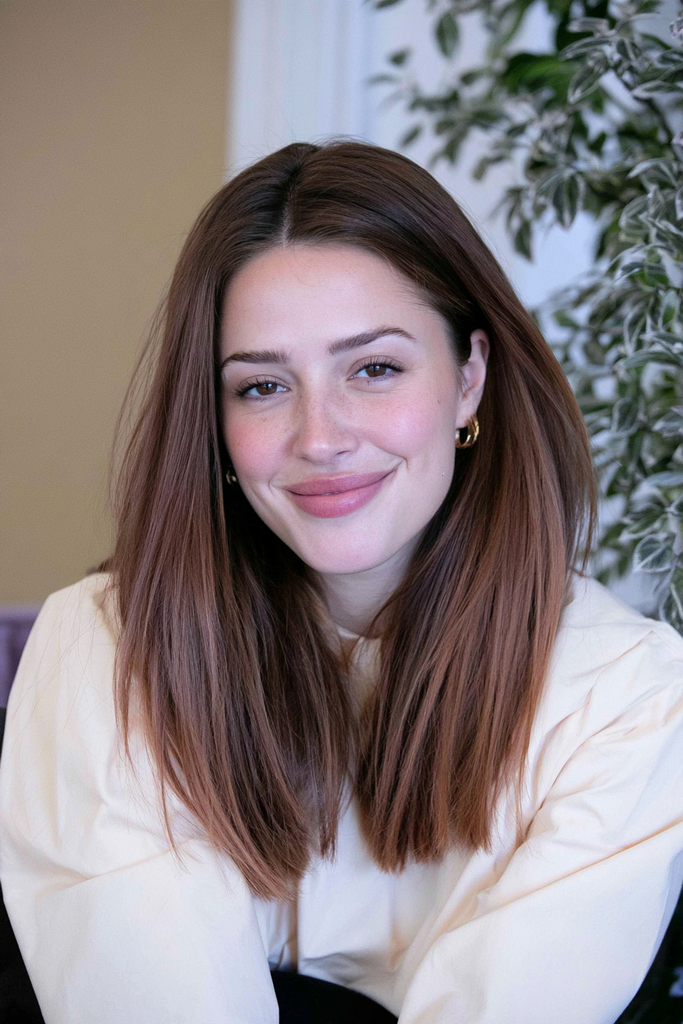
Ombré takes the gradient effect further than balayage, with a clearer, more deliberate transition from a deeper maple root into a noticeably lighter maple-caramel end. It suits longer lengths best, where there’s enough hair to show off the full transition. This is a striking pick for anyone wanting a bolder shift without committing to all-over lightening.
Maple Brown Reverse Balayage
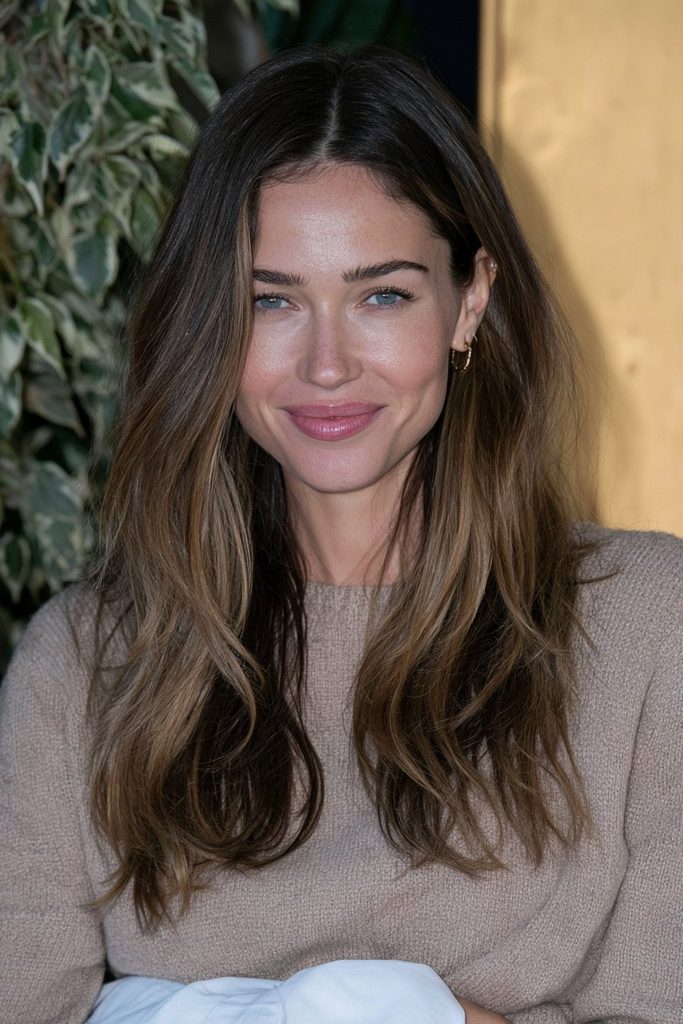
For hair transitioning back from blonde, reverse balayage deposits maple brown lowlights into lightened strands, softening the contrast gradually rather than all at once. It’s a practical bridge color that lets previously bleached ends regain warmth and health-looking depth without a jarring, all-over reformulation. Think: soft, blended, forgiving on compromised hair.
Maple Brown with Copper Undertones
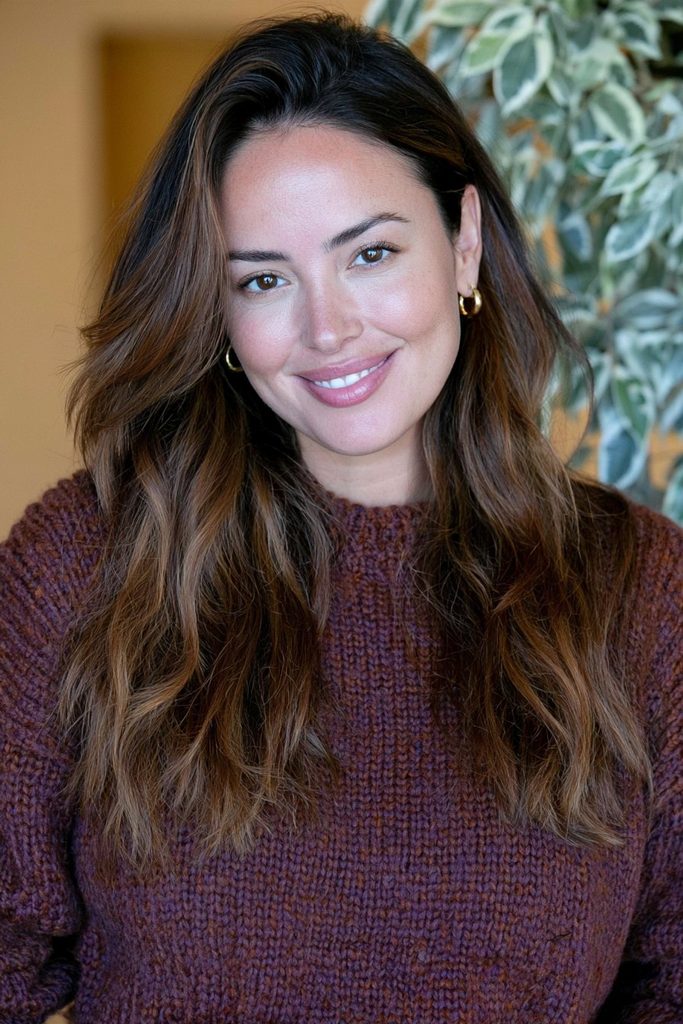
Layering copper into a maple brown base pushes the shade toward a warmer, slightly redder finish, closer to cinnamon than caramel. It’s a striking option in autumn light, when copper tones tend to look their most saturated and alive. This version works particularly well on medium-to-dark natural bases, since less lifting is needed to achieve the depth.
Maple Brown Babylights
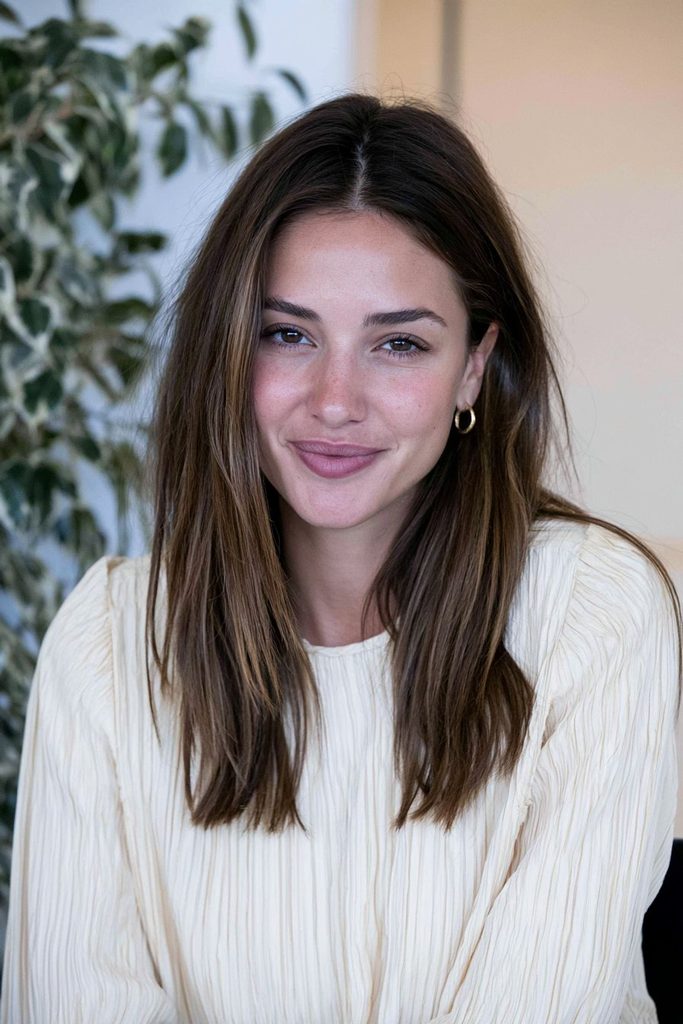
Ultra-fine, delicately placed highlights create the illusion of natural, sun-kissed dimension rather than a deliberate color job. The technique threads warmth into the hair close to the root, so the effect looks as though it’s always been there rather than freshly applied. Colorists describe this precision-placement approach as a way to make brunette hair look naturally, not artificially, illuminated. It’s an especially low-maintenance route to dimension.
Maple Brown Bob
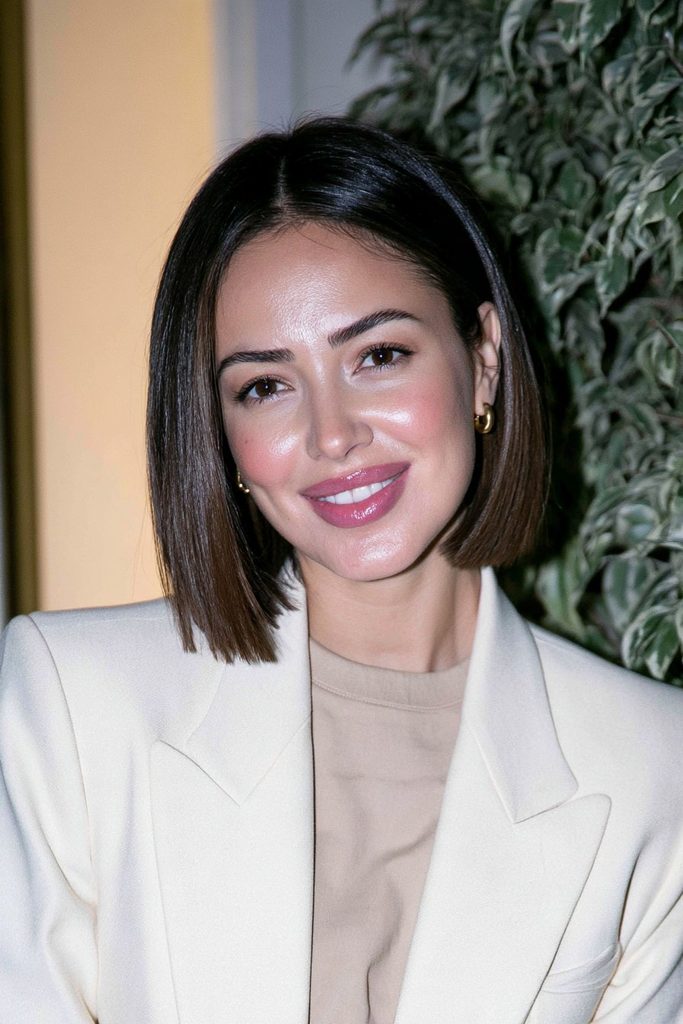
On a blunt or lightly layered bob, an all-over or subtly highlighted maple brown emphasizes the shape’s clean lines while adding warmth around the face. The shorter length also means color grows out faster, visually, so this pairs well with a lower-maintenance solid or babylight approach rather than heavy balayage. For more shape ideas suited to fine or shorter hair, these low-maintenance pixie cuts offer a similar easy-upkeep philosophy.
Maple Brown on Long Layers
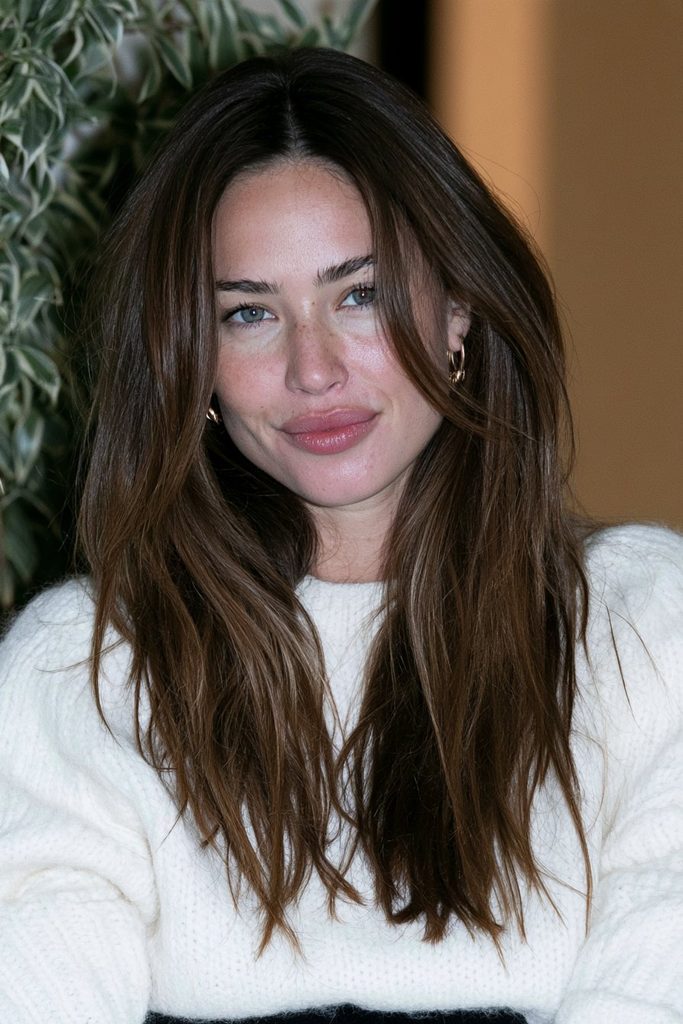
Long, face-framing layers give maple brown room to move, with balayage or babylights catching light differently at each length. The layering itself adds airy texture, keeping longer hair from looking flat or heavy despite the added depth of color. For styling inspiration that leans into this same effortless, wave-driven texture, these beach-inspired looks for long hair pair naturally with a maple base.
Maple Brown Face-Framing Highlights
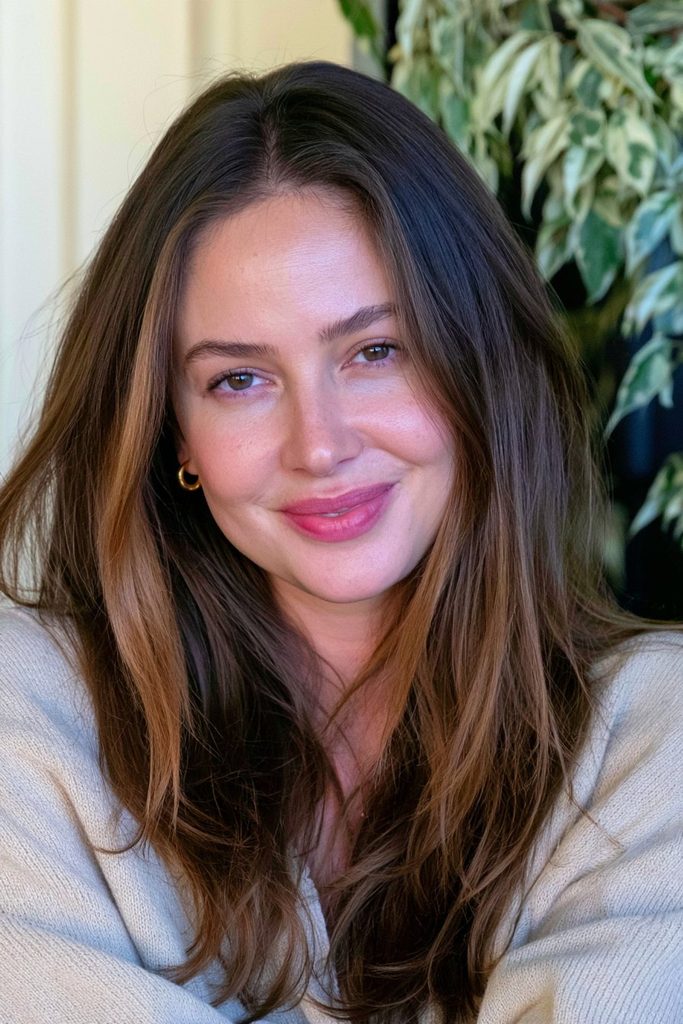
Rather than highlighting throughout, this approach concentrates lighter maple tones only around the hairline and temples, where they brighten the complexion most. It’s a subtler entry point into dimension for anyone hesitant about a full head of highlights. The placement also tends to require less frequent touch-ups, since regrowth is less visible outside the face-framing sections.
Maple Brown Root Melt
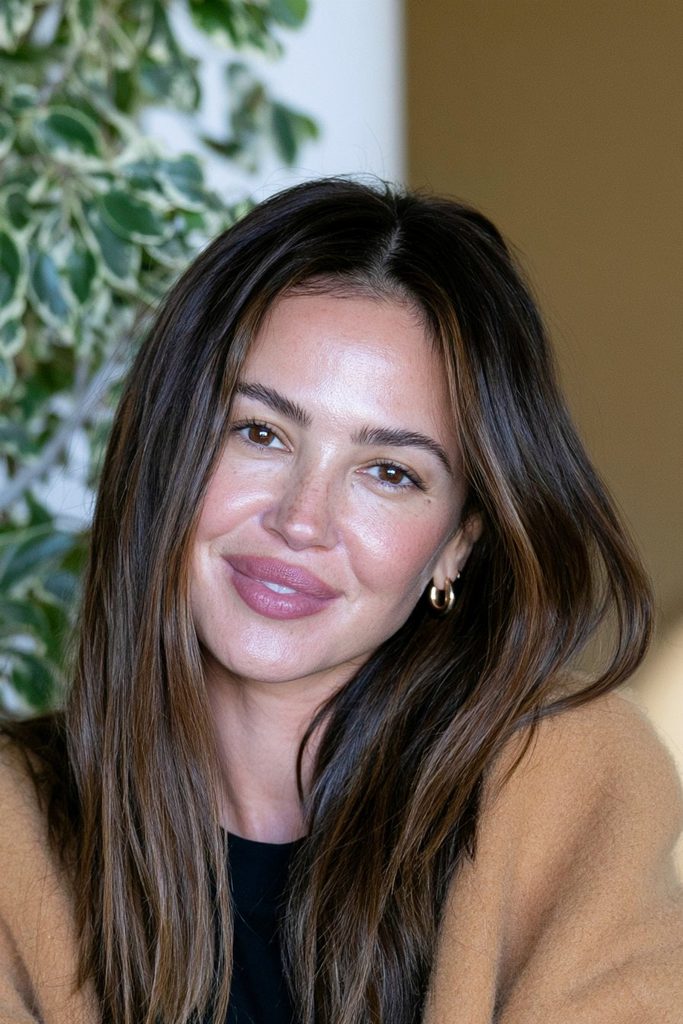
A root melt softens the transition between a natural or slightly deeper root and a lighter maple brown through the lengths, avoiding any harsh line of demarcation. Warmth is the goal throughout — one colorist describes the look as rich brunette with depth and high shine, never flat. The blended root also means significantly longer stretches between color appointments.
Maple Brown with Honey Accents
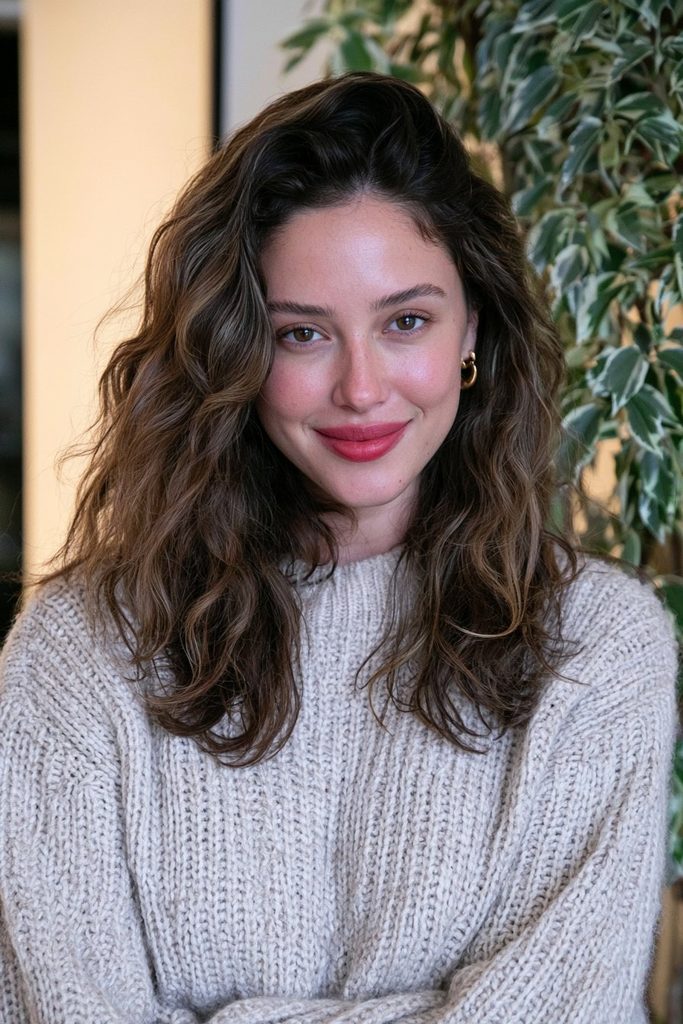
Honey-toned highlights bring a lighter, almost golden warmth into maple brown, landing somewhere between caramel and blonde. This combination of layered gold reflections tends to suit warmer, olive-leaning complexions especially well. Pair it with balayage or ribboned placement for the most natural-looking brightness, particularly around the crown and part line.
Maple Brown for Curly Hair
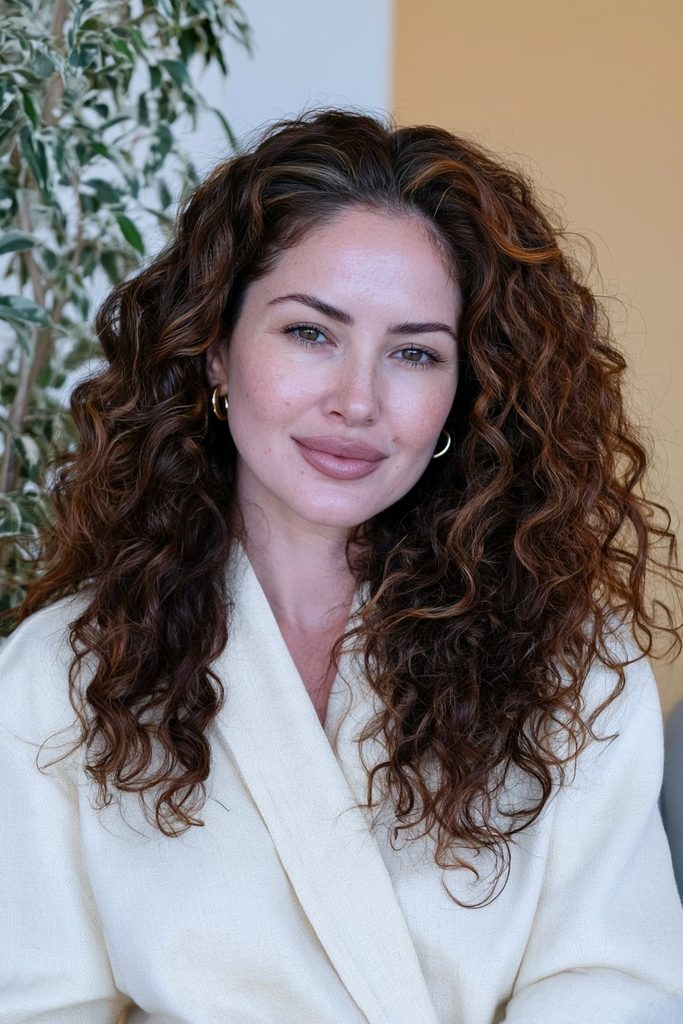
On curly texture, maple brown highlights catch differently with every coil, creating built-in dimension that straight hair achieves only through placement. Lighter pieces woven through curls tend to bounce and shift as hair moves, amplifying the shade’s warmth with each turn. For haircuts designed to work with this same textured energy, these curly styles with soft, face-framing layers make an easy pairing.
Maple Brown with Ash Lowlights
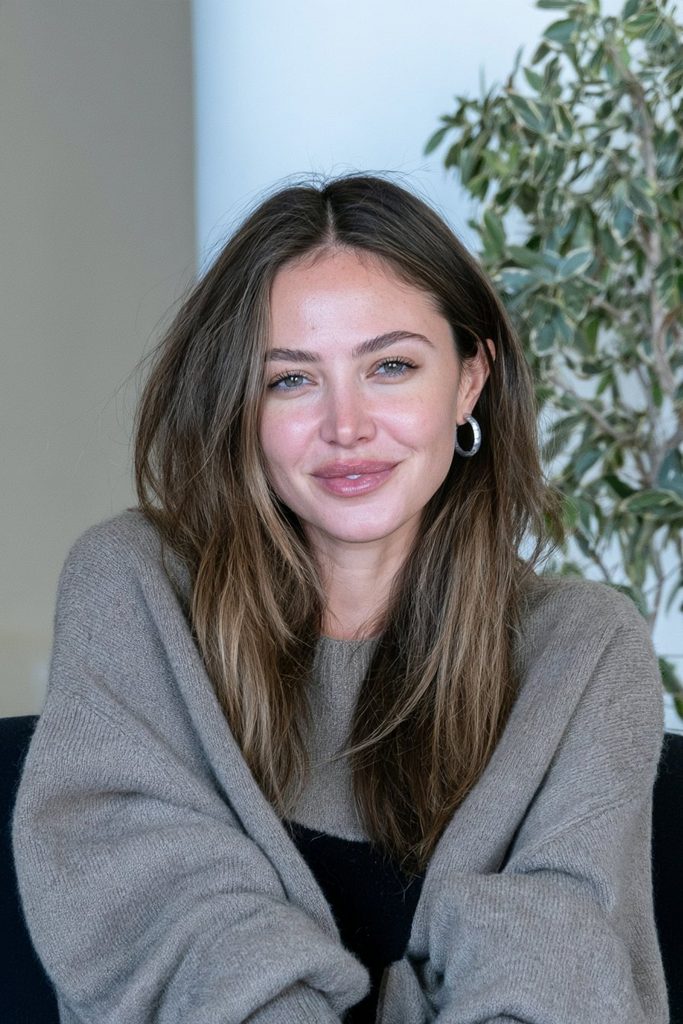
Adding cooler, ash-toned lowlights beneath a maple brown base tempers some of the shade’s warmth, creating a more balanced, multidimensional finish. This works well for anyone who loves the richness of maple brown but wants to avoid leaning too golden or red. The contrast between warm and cool tones also adds visible depth in both natural and artificial light.
Maple Brown for Gray Coverage
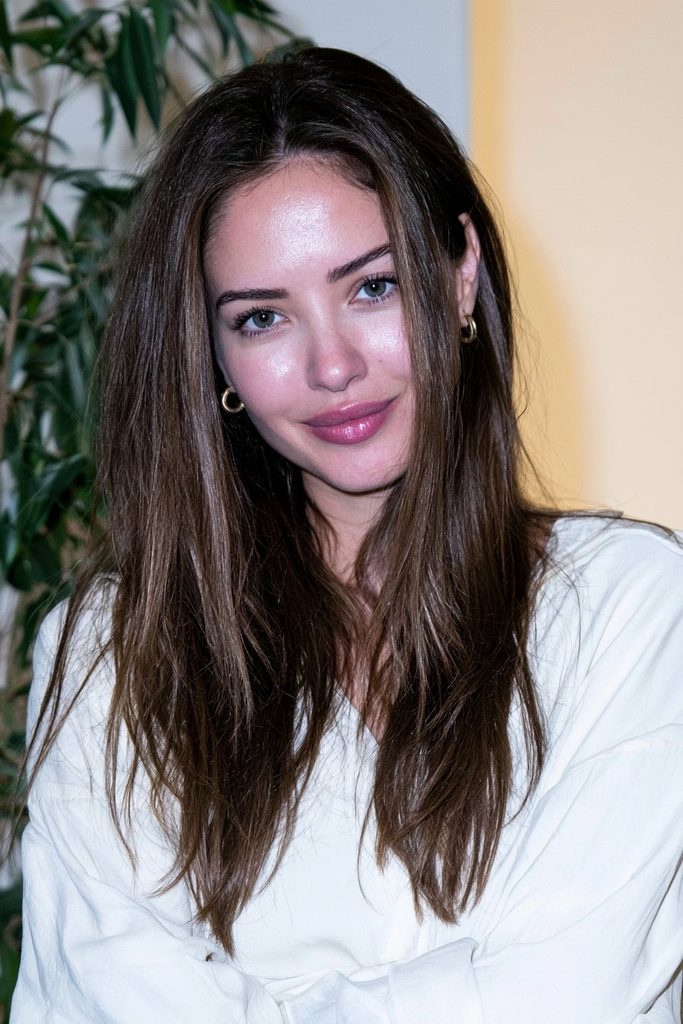
Maple brown is a flattering, forgiving choice for blending gray, since its warmth naturally softens the contrast between silver strands and a deeper base. A glossy, all-over application or subtle balayage keeps regrowth looking intentional rather than stark. For cuts that pair effortlessly with this kind of low-fuss color routine, these wash-and-wear styles are worth a look.
Chunky Maple Brown Highlights
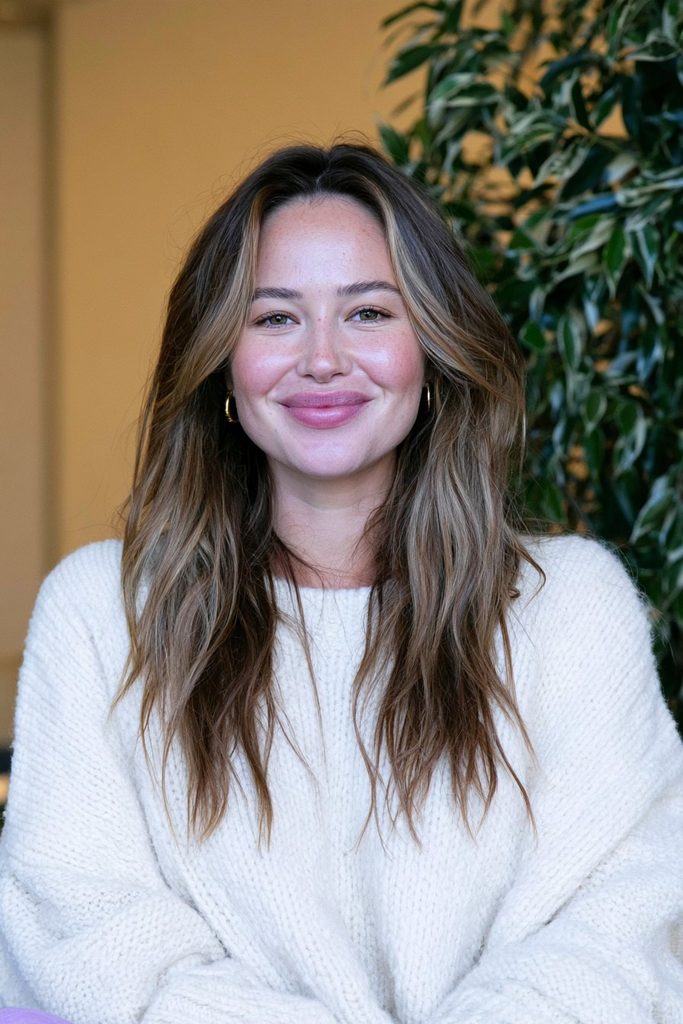
A throwback to bolder, wider highlight placement, this version uses thicker sections of lighter maple brown for a more graphic, high-contrast finish. It’s a statement-making option compared to the softer, blended techniques above, ideal for anyone wanting their color to read clearly from across a room. Think: bold, piecey, unapologetically dimensional.
Maple Brown Gloss or Glaze
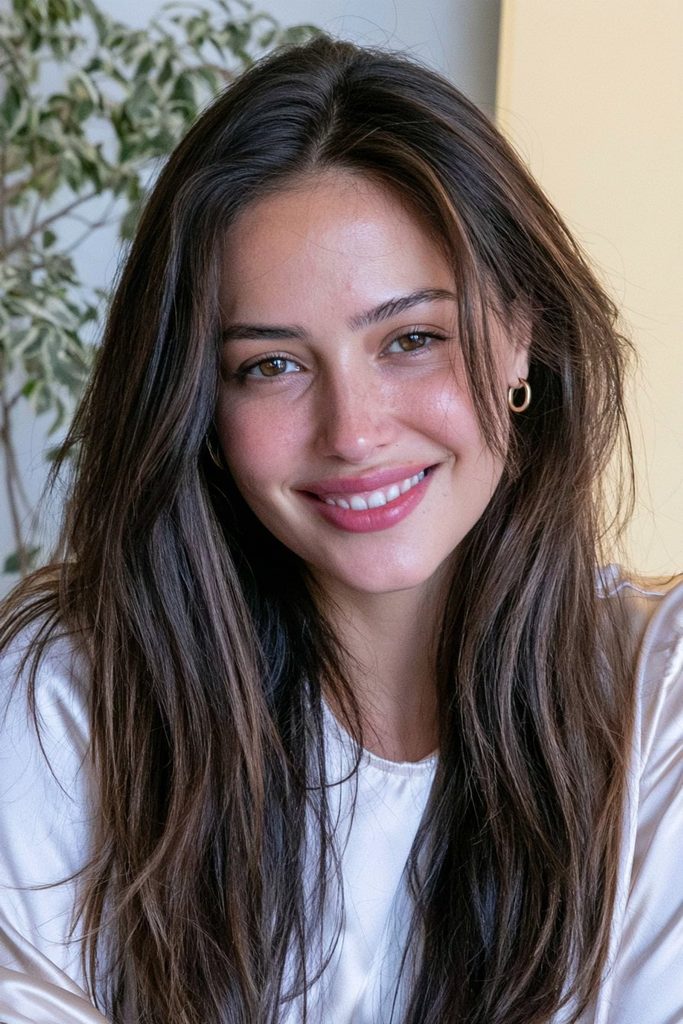
Rather than a full color change, a glaze layers sheer maple brown pigment over existing hair, boosting shine and warmth without lifting or altering the base significantly. It’s a quick, low-commitment way to refresh tone between full appointments, and pairs naturally with the same 10-to-12-week maintenance rhythm recommended for balayage upkeep. The result is glassy, saturated shine that fades gracefully.
Maple Brown Money Piece
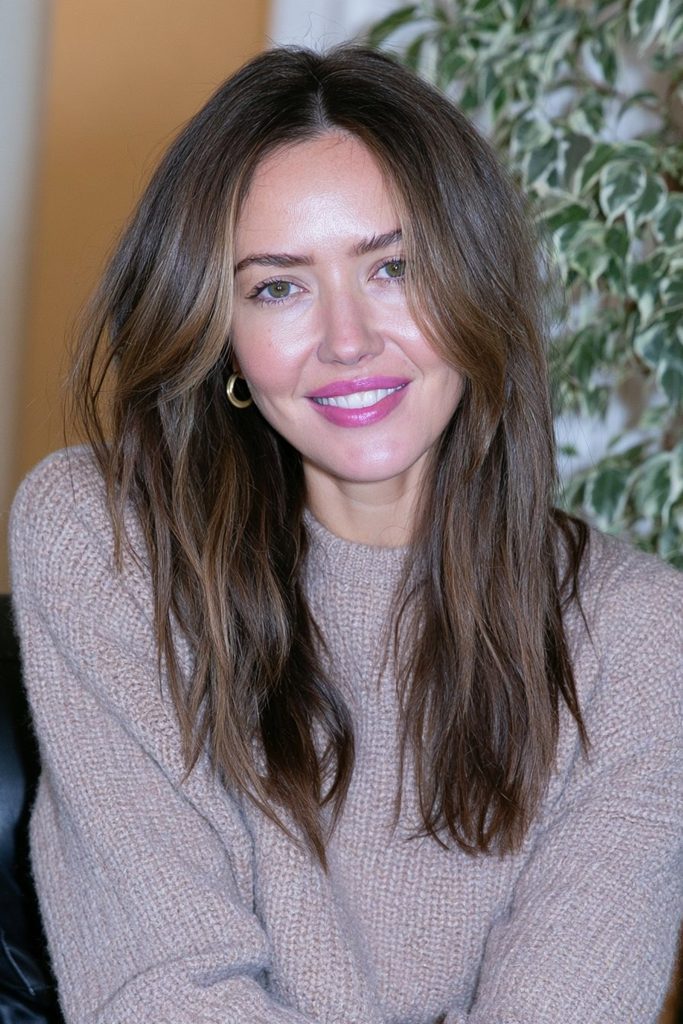
A concentrated section of lighter maple brown framing the face — the “money piece” — brightens the complexion while leaving the rest of the hair a deeper, richer base. It’s a targeted way to get dimension’s brightening effect without committing to all-over highlights. For textured cuts that let a money piece catch even more light and movement, shag styles built for texture make a natural match.

Elsa Claire is the founder and editor of ElsaClaire.com, where she writes about hairstyles, hair care, and the everyday routines that help real people feel good about their hair.