Summer braid hairstyles are my secret weapon against the heat, and I learned this the hard way. After all, spending hours perfecting a blowout only to throw it into a messy bun because you’re melting is beyond frustrating. Braided hairstyles offer the perfect blend of style and practicality during hot months. Whether you’re heading to the beach or simply trying to survive a humid day, summer braids keep you cool while looking effortlessly chic. I’m sharing 17 of my favorite braid hairstyles for the beach and beyond, complete with step-by-step guidance and personal styling tips to help you master each look.
Box Braids
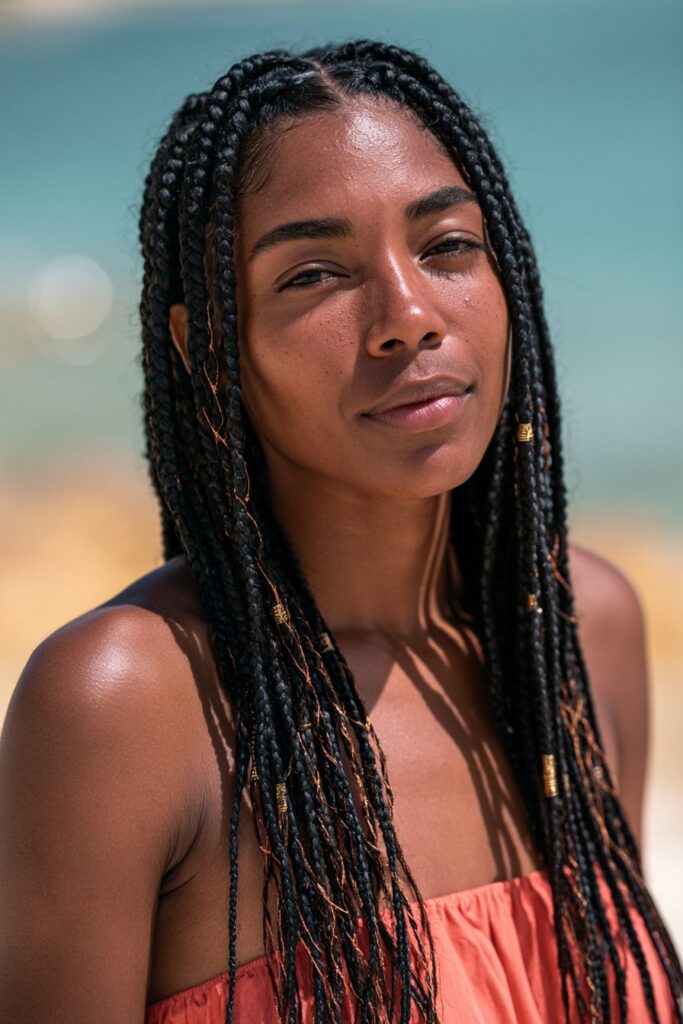
What Box Braids Are
Box braids transformed my approach to protective styling after watching my grandmother create them in her Charleston salon. These three-strand plaits get their name from the square-shaped sections used to divide the hair before braiding. Each section is braided from root to ends, creating freestanding braids that move independently. Extensions are typically woven in to add length and thickness, though you can create them with natural hair alone[2]. In truth, box braids remain one of the most versatile summer braid hairstyles because they shield your strands from heat damage while keeping you cool.
How to Create Box Braids
The installation process takes between 4 to 10 hours depending on braid size and your hair texture. I always start by cleansing and deep conditioning the hair, then blow-drying or stretching it for smoother braiding[3]. Using a rat-tail comb, I divide the hair into four quadrants, then create individual square sections within each area. For knotless box braids, I braid about one to two inches of natural hair first, then gradually feed in small pieces of extension hair to reduce scalp tension. By the time I reach the ends, I secure each braid with gel or dip it in hot water to seal[13]. The result is a protective style that lasts six to eight weeks with proper care.
Best Occasions for Box Braids
Box braids work for virtually any occasion, from beach days to formal weddings. I’ve styled them for brides seeking an elegant updo and clients heading to music festivals. Their low-maintenance nature makes them perfect for active summer schedules.
My Styling Tips
Moisturize your scalp with lightweight oil weekly and wash your braids every one to two weeks to prevent buildup[34]. Sleep with a silk or satin scarf to minimize frizz and protect your edges. Additionally, avoid tight ponytails and updos that create excessive tension on your hairline. Limit styling to once or twice weekly to extend the life of your braids.
Cornrows
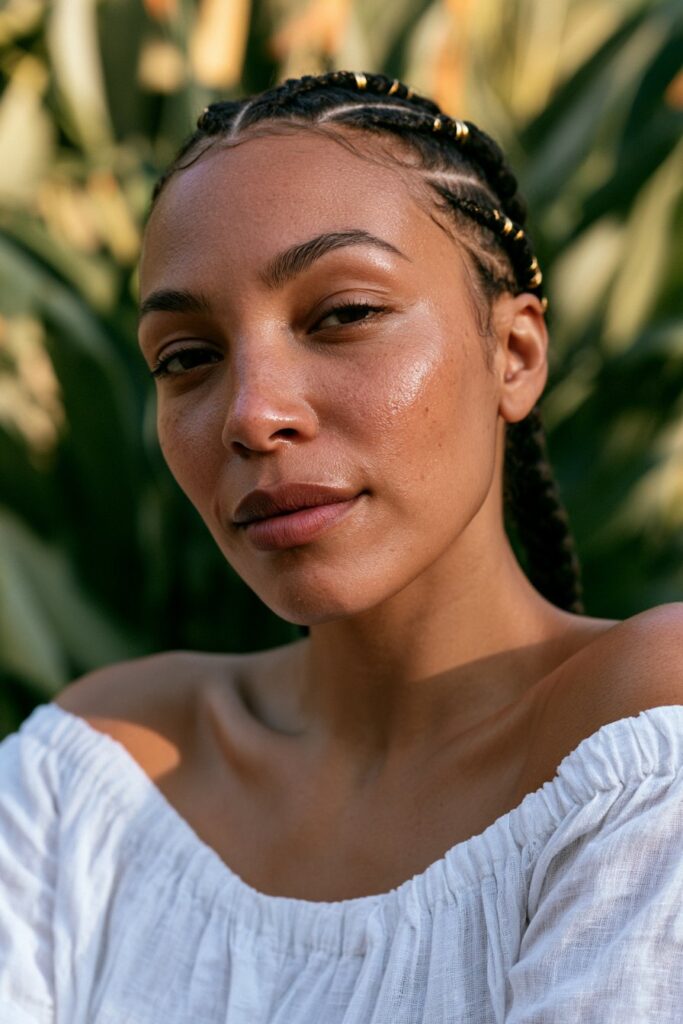
What Cornrows Are
Cornrows carry centuries of cultural heritage in every strand. These three-strand braids sit close against the scalp, forming straight lines or intricate patterns that can range from simple to elaborate. The style dates back to 3000 BC and holds deep historical significance. During slavery, cornrows served as maps for runaway slaves to follow. In essence, this braiding technique represents both artistry and resilience. I fell in love with cornrows while watching my grandmother create stunning patterns in her Charleston salon, transforming clients with designs that told their own stories.
How to Create Cornrows
Start with freshly washed, conditioned, and detangled hair. Work with your natural texture or lightly blow-dry for a sleeker finish. Use a tail comb to create clean, even sections across your scalp. Take three pieces of hair with equal density at the front of your first section. The underhanded technique is key here: cross the right strand under the middle piece, then cross the left strand under. As you continue braiding, pick up small amounts of hair and add them only to the middle section. Keep your palms moving in the direction you’re braiding and maintain consistent tension. Once you reach your neckline where there’s no more hair to pick up, finish with a regular three-strand braid and secure the end with an elastic band.
Best Occasions for Cornrows
Cornrows work beautifully for active summer schedules, beach trips, workouts, or formal events. Their low-maintenance nature makes them ideal summer hair braiding styles that last.
My Styling Tips
Oil your scalp two to three times weekly with lightweight jojoba or argan oil to prevent dryness. Wrap your hair in a silk or satin scarf before bed to reduce friction and frizz. Wash every one to two weeks using diluted shampoo in an applicator bottle, focusing on your scalp. Your cornrows can last two to four weeks with proper care, though I don’t recommend keeping them longer than six weeks.
Fulani Braids
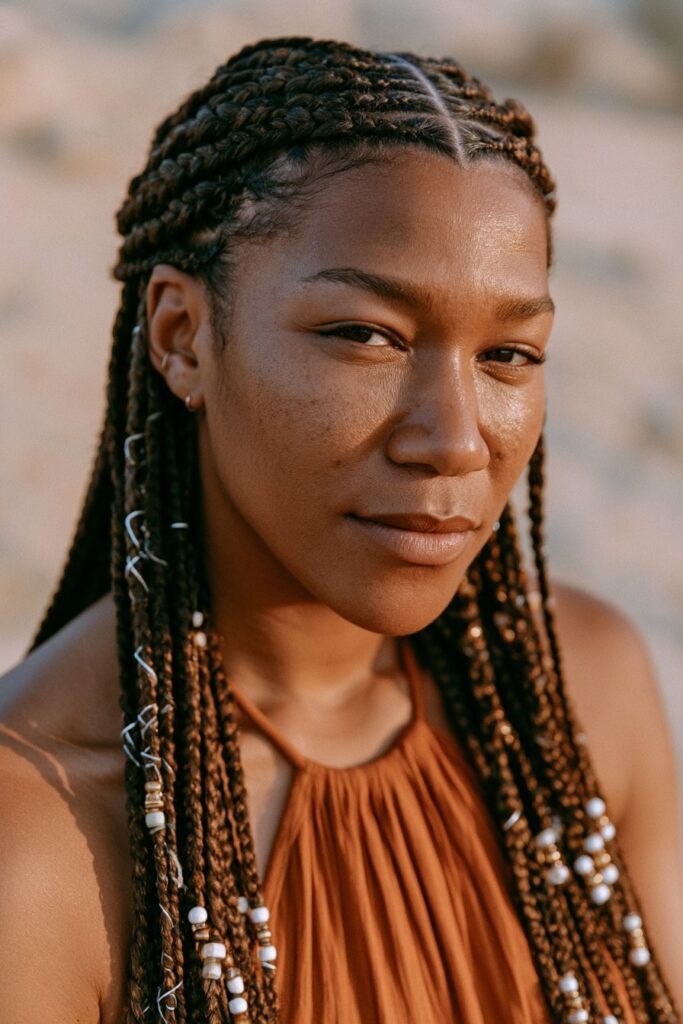
What Fulani Braids Are
The first time I saw Fulani braids, I watched my grandmother recreate them for a bride at her Charleston salon, and the intricate patterns stopped me mid-sweep. Fulani braids originated from the Fulani ethnic group of West and Central Africa, spanning countries such as Senegal, Mali, Guinea, and Nigeria. These braids represent far more than a hairstyle; they served as a symbolic expression of identity, heritage, and personal status. Classic Fulani patterns feature a signature central braid running down the middle of the scalp, accompanied by side cornrows that extend outward. Traditionally, these braids are adorned with beads, cowrie shells, and decorative elements that symbolize beauty, wealth, and cultural pride. This protective style preserves natural curl health while allowing length retention.
How to Create Fulani Braids
Start by washing and conditioning your hair, then detangle thoroughly using a wide-tooth comb. Stretch your hair through blow-drying to reduce tangles and achieve smoother braids. Use a rat-tail comb to create one center part with several horizontal or curved sections on each side. Apply a small amount of gel to keep parts clean and crisp. Install the central cornrow first, starting from the forehead and braiding close to the scalp toward the back. For the side cornrows, use the feed-in method by taking small pieces of braiding hair and adding them gradually in thin layers. Ensure both sides mirror each other in thickness and length. Once cornrows meet at the crown, transition into loose braids that can be straight, wavy, or customized to your preference. Finish by applying mousse or setting foam, then wrap with a satin scarf for 15 to 20 minutes.
Best Occasions for Fulani Braids
Fulani braids work beautifully for festivals, beach outings, professional settings, and formal events. Their elegant appearance paired with protective benefits makes them ideal summer hair braiding styles.
My Styling Tips
Apply lightweight oil to your scalp every two to three days using jojoba or tea tree oil to prevent dryness and itching. Sleep with a satin or silk bonnet to reduce friction and keep edges smooth. Use braid mousse once or twice weekly to tame flyaways and restore shine. Your Fulani braids can last four to eight weeks depending on hair texture and maintenance habits.
Dutch Braids
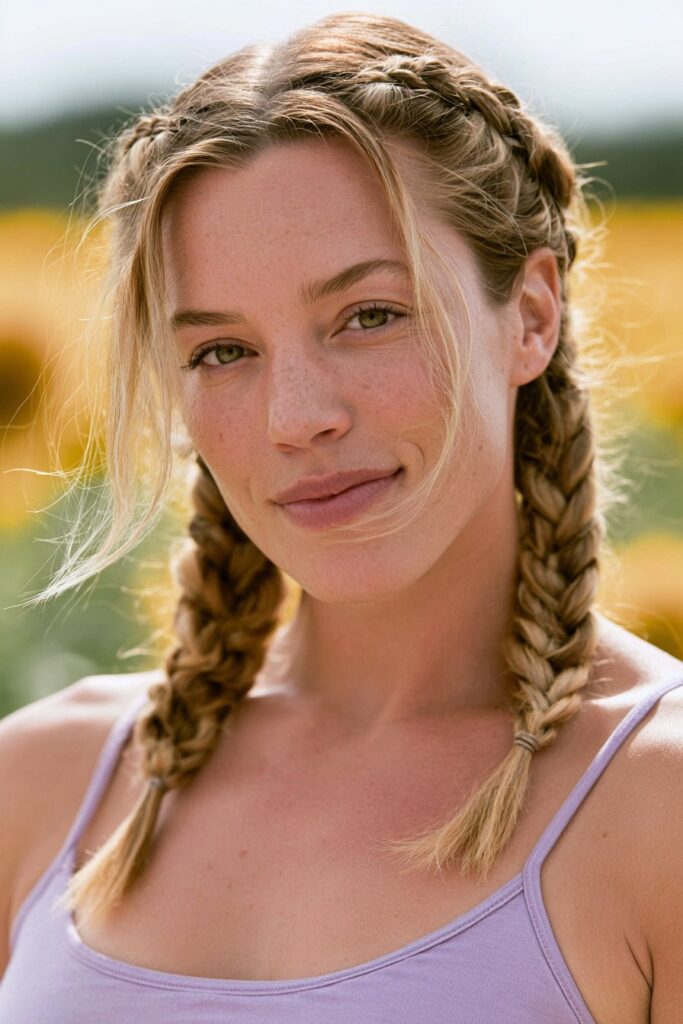
What Dutch Braids Are
Dutch braids became my go-to style after accidentally crossing strands the wrong way during a styling workshop in New York. The instructor smiled and said, “You just discovered the Dutch braid.” Unlike traditional French braids where strands weave over each other, Dutch braids use an underhanded technique where sections cross underneath. This simple adjustment creates a raised, three-dimensional effect that sits on top of your hair rather than lying flush against your scalp. The result is a braid with pronounced edges and visible volume that catches light beautifully. Basically, it’s an inside-out version of what you already know, making it one of the most striking summer braid hairstyles.
How to Create Dutch Braids
Start with second-day hair or apply texturizing spray to give your strands grip. Brush thoroughly to remove tangles, then section off the hair you want to braid. Take three equal sections at your crown, leaving some hair down since you’ll add more as you progress. Cross the right section under the middle, then cross the left section under the new middle. Repeat this a couple times to anchor the braid. Now add small amounts of hair from beside your braid to each section before crossing it under the center strand. Continue this pattern down to your nape, then finish with a regular three-strand braid and secure with an elastic. For fuller braids, gently pull the edges apart to pancake them.
Best Occasions for Dutch Braids
Dutch braids work for athletic events, photoshoots, casual outings, and formal settings[142]. Their bold profile makes them perfect for beach days and summer festivals.
My Styling Tips
Apply smoothing cream before braiding to control flyaways. Sleep with your braid intact for beautiful waves the next day. Keep tension consistent but not too tight to prevent headaches.
French Braids
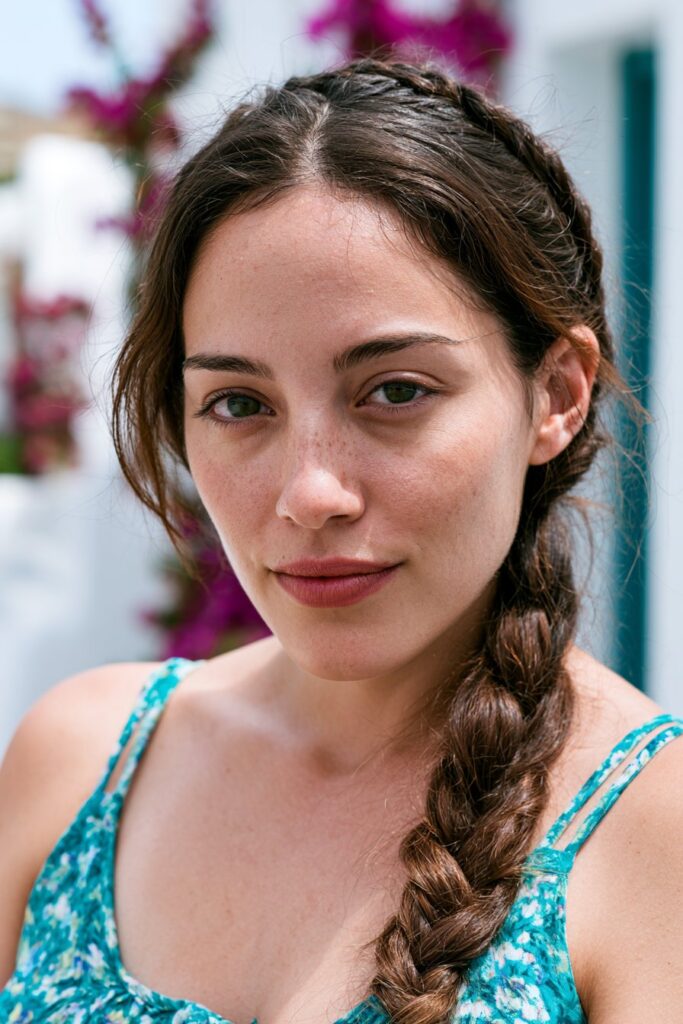
What French Braids Are
At Sassoon Academy, my instructor drilled one principle into us: master the classics first. French braids represent exactly that foundation. This three-strand technique starts with small sections near your crown and gradually incorporates more hair as you braid toward the nape. The defining characteristic is the overhand crossing motion, where strands pass over the center strand rather than underneath. This creates a braid that lies flat against your scalp with a smooth, woven appearance. Essentially, it’s the opposite of Dutch braids, and the sleek profile makes it elegant and sophisticated for any summer occasion.
How to Create French Braids
Work with dry hair for the flattest, most polished results. Brush thoroughly to remove tangles, then gather three equal sections at your crown. Cross the right section over the middle, then the left over the new middle. As you continue, add small pieces of hair from the sides into each section before crossing over. Here’s a technique I learned the hard way: once you reach the halfway point down your head, ask your model to look down at their feet. This keeps tension tight at the nape and prevents looseness. When you run out of hair to add, finish with a regular braid and secure with an elastic.
Best Occasions for French Braids
French braids suit both formal events and casual settings. I’ve styled them for weddings, everyday work looks, and athletic activities. Their ability to keep hair secure throughout long days makes them ideal summer hair braiding styles.
My Styling Tips
Practice on someone else before attempting your own hair. Braid damp hair the night before for beachy waves in the morning. Bobby pins help control shorter layers or flyaways. For added volume, gently pull the braid’s edges to pancake it.
Knotless Braids
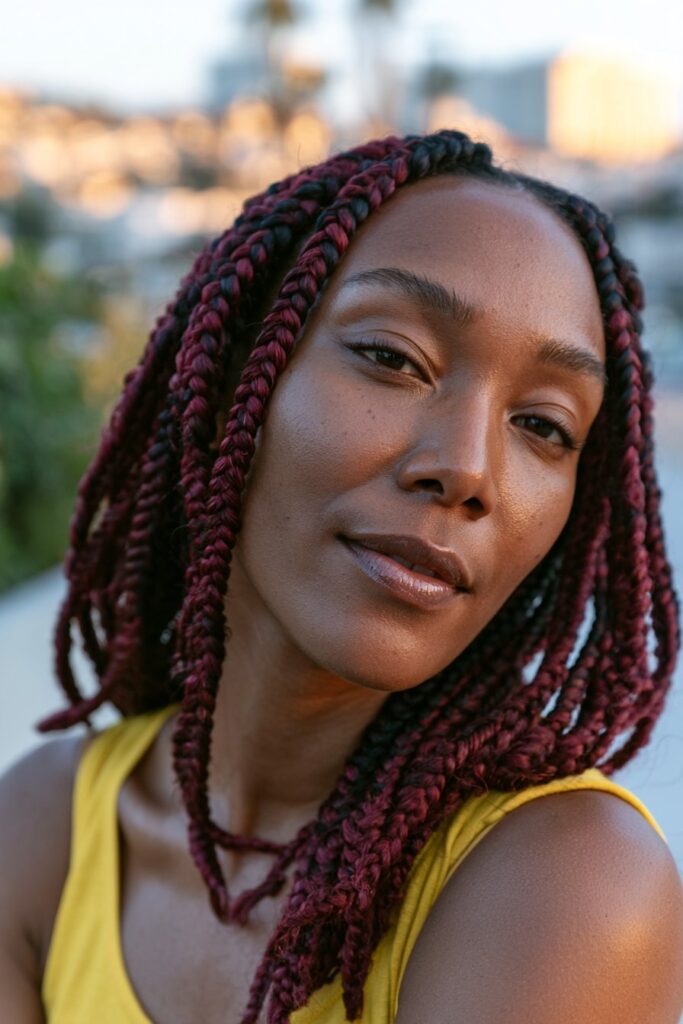
What Knotless Braids Are
After years of dealing with scalp tension from traditional box braids, I discovered knotless braids at a workshop in Los Angeles. The technique uses a feed-in method where you braid natural hair first, then gradually add extension hair as the braid continues. This creates a smooth, flat root without a knot, hence the name “knotless”. Unlike traditional box braids that wrap extension hair around your natural hair at the root, knotless braids eliminate that bulky knot entirely. As a result, they’re significantly lighter and reduce scalp tension. This protective style helps shield hair from damaging weather and high-manipulation styling while reinforcing texture and protecting fragile ends.
How to Create Knotless Braids
Start with freshly washed, conditioned, and detangled hair. Blow-dry completely and divide your hair into four sections. Create precise square or triangle parts using a rat-tail comb. Apply gel to your roots, then separate each section into three strands. Braid one to two inches of natural hair alone until it feels secure, then begin feeding in small pieces of braiding hair that match the thickness of your natural strands. Continue braiding downward while adding extension hair gradually. Installation takes 2-7 hours depending on braid size. Small knotless braids require 6-7 hours, medium braids take 4-5 hours, and jumbo braids need 2-3 hours.
Best Occasions for Knotless Braids
Knotless braids work for every occasion, from beach days to formal events. Their lightweight nature makes them perfect for active summer schedules.
My Styling Tips
Apply leave-in conditioner spray to maintain moisture. Sleep with a silk scarf or bonnet to protect braid ends. Your braids can last 4-10 weeks with proper care, though I recommend removing them by week eight to prevent matting.
Goddess Braids
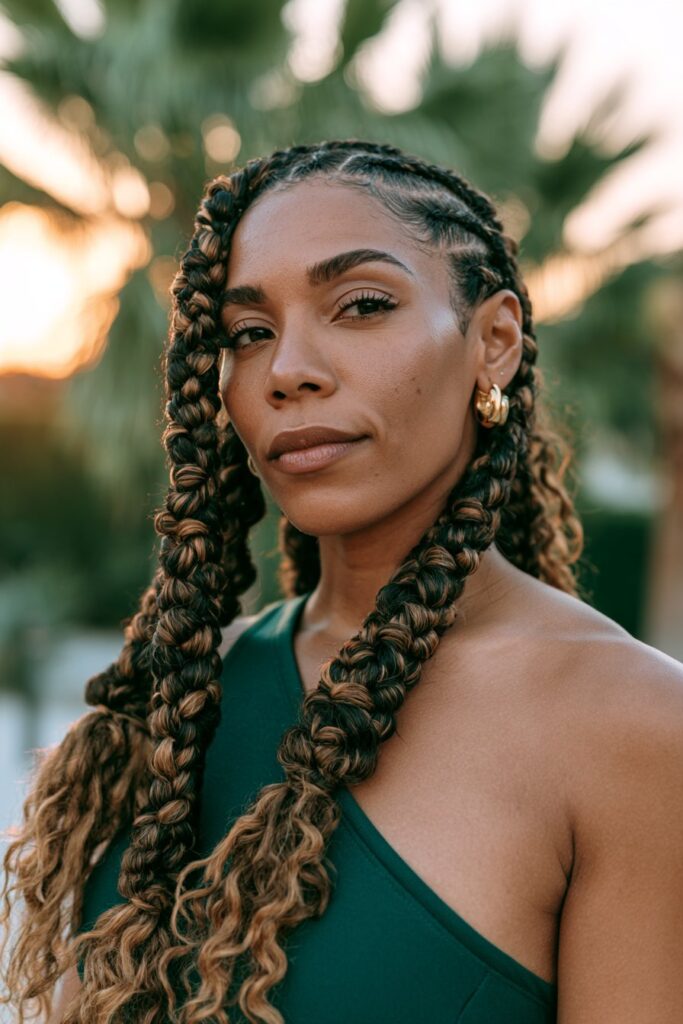
What Goddess Braids Are
A client walked into my Los Angeles studio requesting “box braids but softer,” and that’s when goddess braids clicked for me. These braids are thicker traditional braids enhanced with curly pieces woven throughout to give an ethereal, lived-in vibe. They’re a bold mix of structure and softness, offering the framework of box braids with added waves, coils, or ringlets peeking from each plait. This protective style keeps hair secure while looking effortlessly chic.
How to Create Goddess Braids
Installation takes 4 hours to a full day depending on head size and braid intricacy. Start with clean hair, section precisely, then braid evenly while feeding in curls as you progress. Use edge control to smooth roots and tame flyaways. Pre-stretched kanekalon hair works best for the braided sections, while human hair creates softer, natural-looking curls. The average installation cost is $162.
Best Occasions for Goddess Braids
These braids transition seamlessly from gym to brunch to date night. Pull them into a loose half-up style for romance, sweep into a low bun for brunch, or style a high ponytail for energy.
My Styling Tips
Oil your scalp every few days with jojoba oil. Sleep with a silk bonnet and tie hair in a loose ponytail. Your goddess braids last 6-8 weeks with proper care.
Waterfall Braids
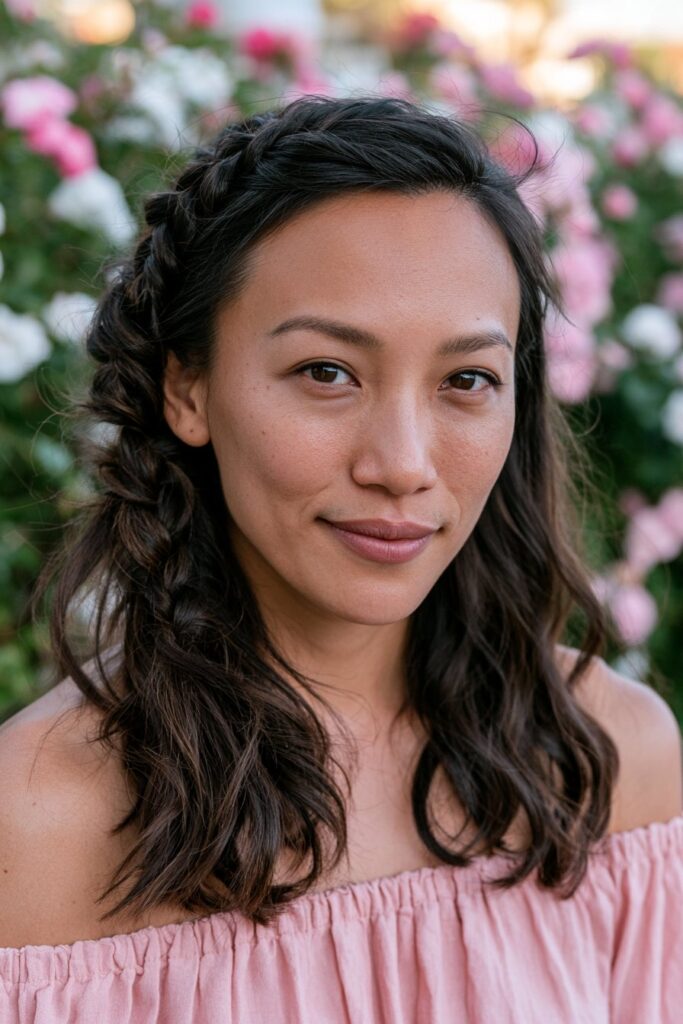
What Waterfall Braids Are
Waterfall braids flooded Pinterest back in 2014, and honestly, they deserve the comeback. This technique is a half French braid where part of your hair gets braided while the rest cascades down like falling water. The visual resemblance to a waterfall gives this style its name. One strand drops with each twist while you grab a new section from the top, creating that signature cascading effect. The style works with various hair textures and lengths, and adds romance to any look.
How to Create Waterfall Braids
The whole process takes 15 to 20 minutes. Start with three sections near your part, cross the top over the middle, then the bottom over. Cross the top again, but instead of continuing normally, drop the middle strand and pick up a new section from above. Cross this new section over the middle, then repeat by dropping and replacing strands. Continue until you reach the back of your head, then secure with an elastic. For added volume, clip in small extensions near the root before braiding.
Best Occasions for Waterfall Braids
These braided hairstyles easy to do suit weddings, date nights, casual outings, and festivals. Dress them up with cascading curls or create an updo with the lower portion.
My Styling Tips
Apply dry shampoo at roots if you have fine hair for better grip. Bobby pins secure loose strands, and hairspray keeps everything in place. Practice makes perfect with this one.
Halo Braids
What Halo Braids Are
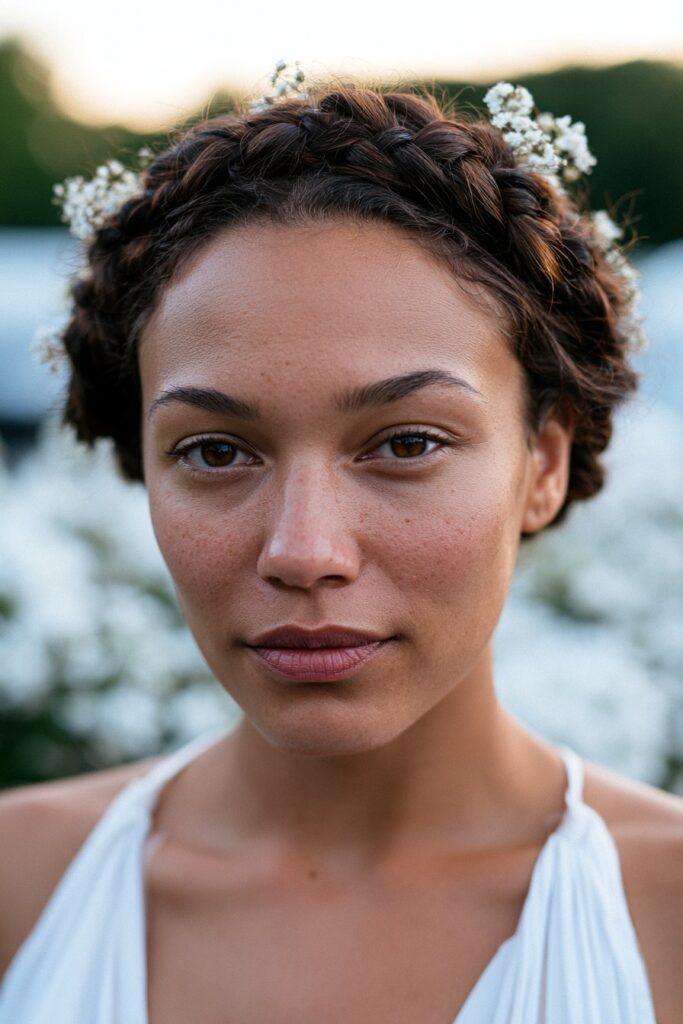
One bride came to me panicking two weeks before her wedding, convinced she needed extensions for an updo. I showed her halo braids instead, and she cried happy tears. The halo braid wraps around your head in a crown-like pattern, resembling a headband effect that sits atop your head angelically. This style uses Dutch braid techniques, where you braid close to the scalp while incorporating hair around your entire head. Essentially, you’re creating a protective style that dates back to ancient civilizations, where Greeks and Romans wore braids as symbols of status and beauty. The style works on various hair lengths, including short hair, because you can create two separate braids pinned together instead of one continuous braid. Hair with texture works best for halo braids since freshly washed, slippery hair struggles to grip.
How to Create Halo Braids
Start with detangled hair that’s slightly textured. Create a side part, then take three small sections from the fuller side and begin your Dutch braid by crossing strands underneath. Add hair from your scalp as you braid around your forehead, toward your ear, down the nape, and up the opposite side until you reach your starting point. Secure the end with an elastic, wrap it around your head to form the halo, then tuck the end at your nape and pin it. For thicker-looking braids, gently pull the braid’s edges outward to create width. The whole process becomes easier if you use a crimping iron or teasing brush beforehand to add texture, which can visually double or triple your hair volume.
Best Occasions for Halo Braids
Halo braids suit both formal events like weddings and informal settings such as beach days. I’ve styled them for special occasions where clients wanted romantic, feminine looks. Their protective nature makes them perfect summer braid hairstyles since they shield your ends from environmental damage while keeping you cool.
My Styling Tips
Leave face-framing pieces out while braiding for a sophisticated look rather than a severe style. Apply medium-hold hairspray to combat frizz and weather effects. Sleep with a silk scarf to maintain the style overnight. Additionally, if your hair is very smooth, apply texturizing spray before braiding for better grip.
Fishtail Braids
What Fishtail Braids Are
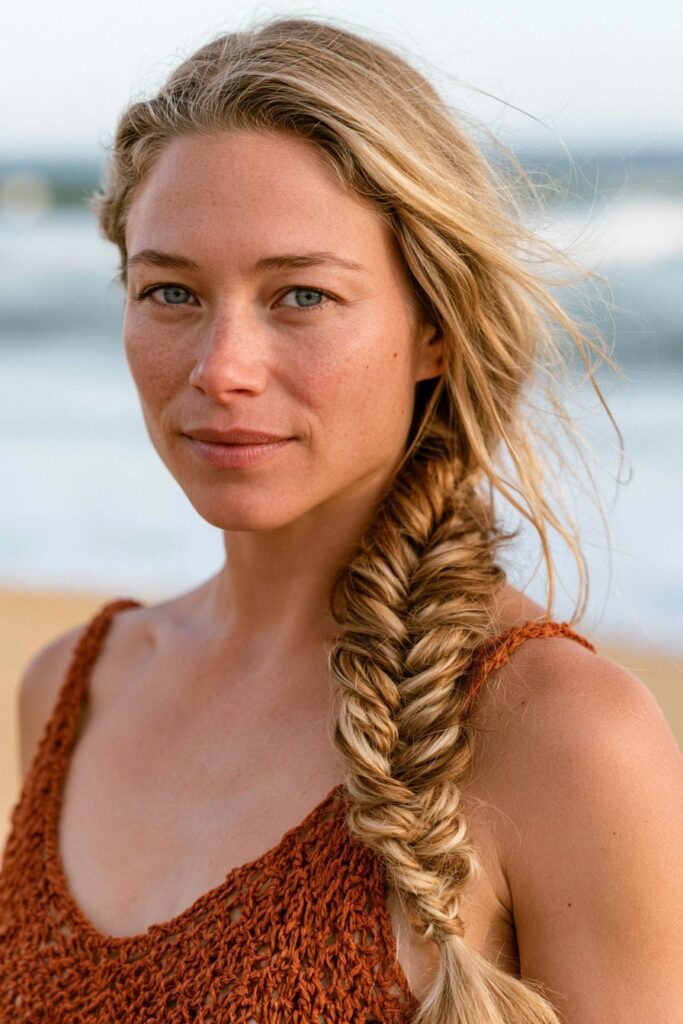
The skeletal pattern of fishtail braids stopped me during a festival photoshoot when I realized this intricate-looking style uses just two strands instead of three. This braid creates a distinctive herringbone pattern that resembles overlapping fish scales. In essence, you divide hair into two main sections and move small outside strands across without adding new hair from the scalp. The technique works for all hair types, though wavy and curly textures hold best. For straight hair, use second or third-day hair for better grip.
How to Create Fishtail Braids
Split hair into two equal sections. Take a thin strand about 0.5 inches from the outside edge of the left section, cross it over, and merge it into the inside of the right section. Repeat on the opposite side, taking a strand from the right and crossing it into the left. Continue alternating until you reach the ends, then secure with an elastic. Leave one to two inches unbraided at the tail so the elastic grabs firmly.
Best Occasions for Fishtail Braids
These summer braid hairstyles suit festivals, weddings, casual outings, and beach days. The style transitions from everyday looks to formal events equally well.
My Styling Tips
Lightly tug sections after securing to achieve a messy, voluminous finish. Apply texturizing spray before braiding for better grip.
Braided Ponytail
What a Braided Ponytail Is
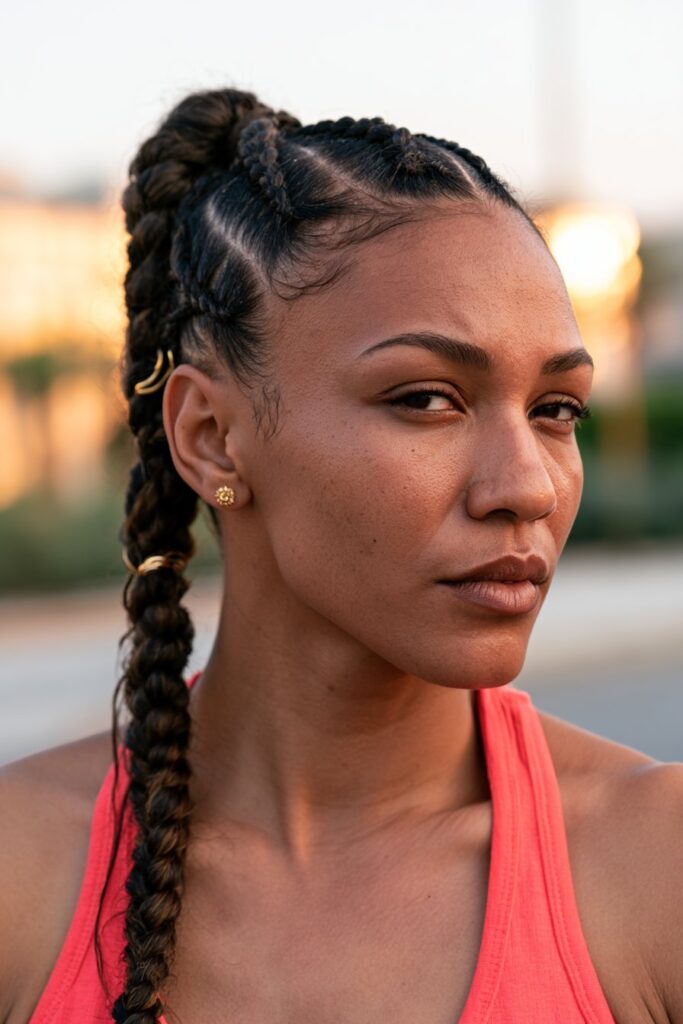
Rushing out the door with second-day hair became manageable once I mastered braided ponytails. This style pulls hair off your neck and face while adding visual interest to a basic ponytail. Essentially, you create your usual ponytail at any height, then braid that ponytail section and secure it with another elastic. The technique works on medium to long hair and takes less than 5 minutes once you get comfortable with it.
How to Create a Braided Ponytail
Brush your hair into a ponytail and secure with a hair tie. Create three equal sections from the ponytail. Cross the left section over the middle, then take the right section over the new middle. Keep braiding until you run out of hair and tie the ends with another elastic. For added texture, gently pull the braid’s edges apart.
Best Occasions for Braided Ponytails
These summer braid hairstyles suit everything from gym sessions to formal events. I’ve styled them for music festivals, date nights, and professional settings. Besides keeping hair neat during humid days, braided ponytails work beautifully with casual outfits and formal dresses alike.
My Styling Tips
Style your braided ponytail sleek with gel or loose and piecey if you have bangs. Add accessories like barrettes, ribbons, or bows for extra flair. This style saves third-day hair when you need to conceal greasy roots.
Side Braids
What Side Braids Are
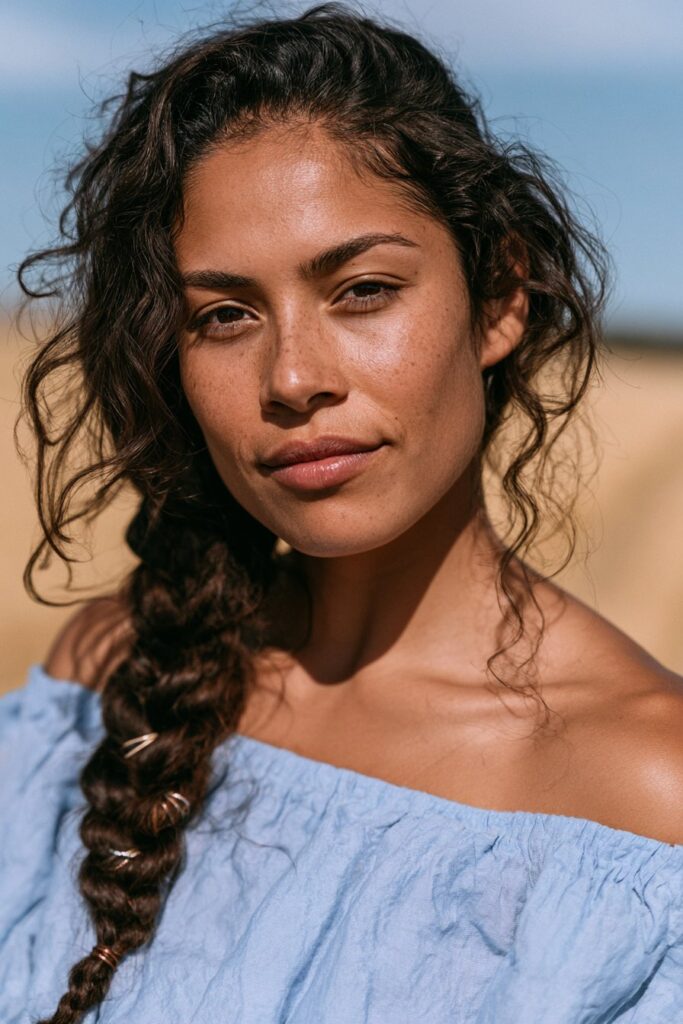
Side braids solved my uneven layers problem after a botched haircut in college. This asymmetrical style sweeps all your hair over one shoulder, creating a romantic look that works with virtually any braid technique. You can choose between French braids (strands crossing over) or Dutch braids (strands crossing under), though I find the Dutch version more distinct since the braid sits on top rather than lying flat. The wraparound variation starts at one temple, travels along your nape, and finishes over the opposite shoulder.
How to Create Side Braids
Gather your hair to one side and split it into three sections underneath your ear. Cross outer strands over (or under for Dutch) the middle piece, repeating until you reach your desired length. For the wraparound method, start a Dutch braid above one ear, add hair only from the front side as you braid along your hairline, then finish the remaining length once you pass your opposite ear.
Best Occasions for Side Braids
These summer braid hairstyles transition from beach days to formal events seamlessly. I’ve styled them for casual brunches, date nights, and professional settings.
My Styling Tips
Second-day hair or dry shampoo provides better grip than freshly washed strands. Practice on friends before attempting your own hair, since finger coordination takes patience.
Half-Up Half-Down Braids
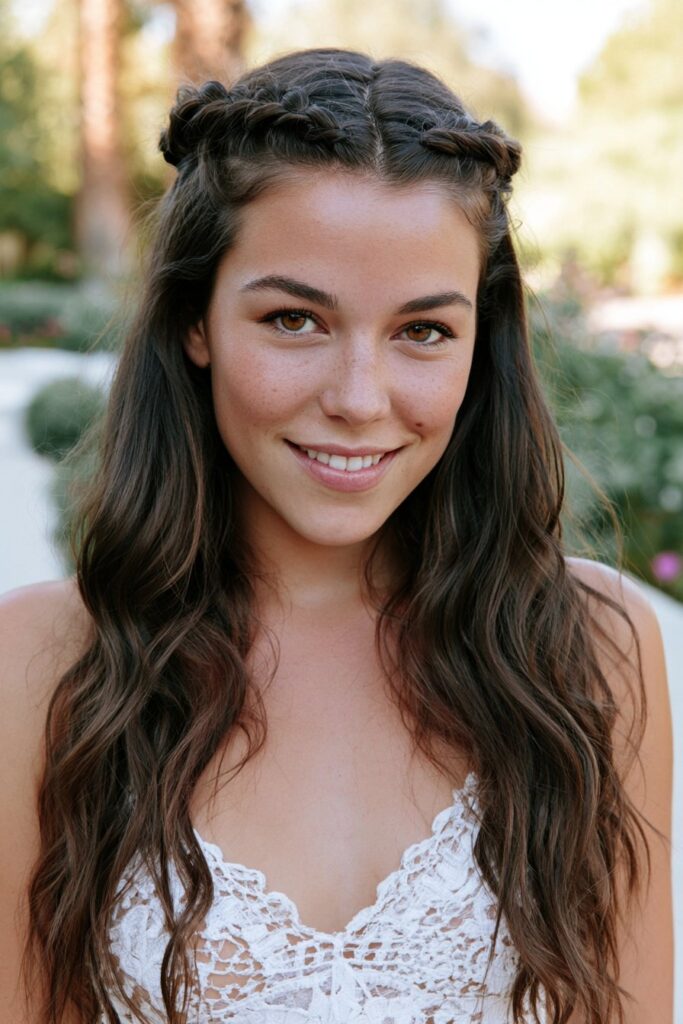
What Half-Up Half-Down Braids Are
Wanting it all used to stress me out until I discovered half-up half-down braids. This versatile style gives you the polish of an updo while keeping the romance of flowing hair. Basically, you pull the top section of your hair into a braid, ponytail, or twist, while the rest cascades down. The half-up portion can feature any braid type, from Dutch to French to waterfall variations. This combination of braids and loose curls frames your face beautifully while adding visual intrigue. I love how it makes thick hair look more lightweight without sacrificing volume.
How to Create Half-Up Half-Down Braids
Section your hair from the top of your ears to your temples. Dutch braid this section back to your crown by crossing strands underneath instead of over. Pull apart each braided section to create fullness and texture. Secure with a hair tie, then either leave it as a half ponytail or twist into a messy top knot. The whole process takes 15 to 20 minutes once you practice.
Best Occasions for Half-Up Half-Down Braids
These summer braid hairstyles transition from casual brunches to formal weddings effortlessly. I’ve styled them for brides seeking elegant yet relaxed looks and clients heading to festivals.
My Styling Tips
Apply dry shampoo before starting to hide greasy roots and add grip. Additionally, curl the bottom section for added texture and volume.
Crown Braids
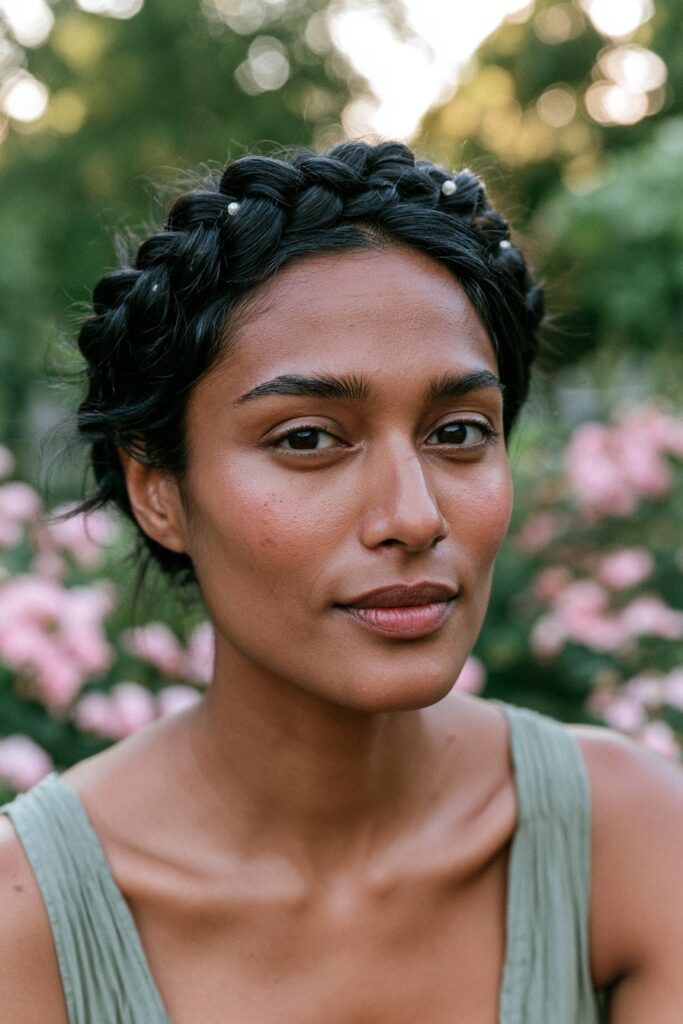
What Crown Braids Are
Spring festival season at my grandmother’s Charleston salon taught me that crown braids never go out of style. This elegant technique wraps braided sections around your head, forming a halo-like pattern that resembles wearing an actual crown. The classic version involves braiding two sections on either side of your head, then wrapping them around to create that signature crown shape. What makes this style remarkable is how it dates back centuries as a symbol of status and beauty. You can create crown braids using three-strand braids, Dutch braids for a raised effect, or even fishtail variations. In essence, they’re one of the most romantic summer braid hairstyles available.
How to Create Crown Braids
The entire process takes 15 minutes or less if you know basic braiding. Start with textured hair using dry shampoo or texturizing spray for better grip. Create a side part, then section hair from one side toward your ear. Begin a Dutch braid by crossing strands underneath while adding hair from your scalp. Continue braiding around your head along the hairline, then secure the end with an elastic. Wrap both finished braids around your head and pin them at the back. Gently pull the braid’s edges outward to create fuller width. Your hair needs to be past shoulder length for this to work.
Best Occasions for Crown Braids
These summer braids suit weddings, music festivals, formal events, and casual dinners equally well. Their versatility makes them perfect summer hair braiding styles.
My Styling Tips
Apply medium-hold hairspray to combat frizz. Use bobby pins matching your hair color for seamless blending. Sleep with a silk scarf to maintain the style overnight.
Boxer Braids
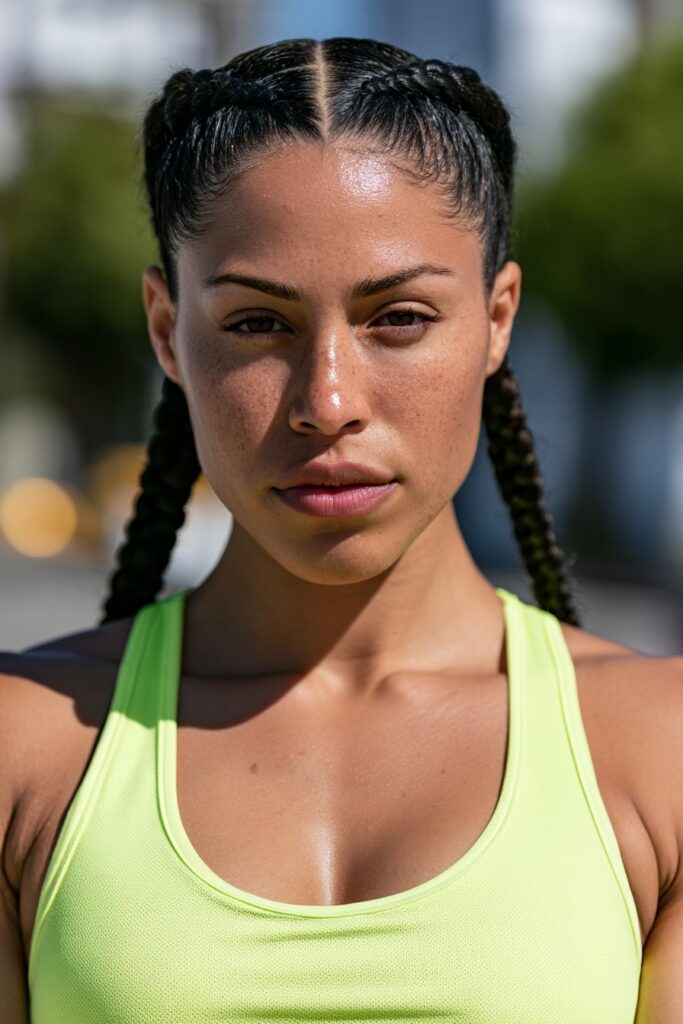
What Boxer Braids Are
During my first athletic styling workshop, a fitness instructor requested braids that wouldn’t budge during intense training sessions. Boxer braids are two Dutch braids, also called Reverse French braids, that sit prominently on either side of your head. The name comes from boxers who wear this hairstyle to keep hair secure during matches. In essence, these are the same cornrows worn for centuries within the Black community, recently rebranded through social media and celebrity influence. The defining feature is the underhanded braiding technique where strands cross under the middle section instead of over, creating a raised ridge effect that sits on top of your scalp.
How to Create Boxer Braids
Brush and part your hair down the center using a rat-tail comb for precision. Gather three sections from your hairline, each no thicker than half an inch. Cross the left and right strands under the middle one, then add thin strands from your hairline while continuing to cross underneath. Angle your braid between your ear and center part toward the nape. Once you reach your neckline, finish with a regular braid and secure with an elastic. Repeat on the opposite side, and set with hairspray. The entire process becomes easier on clean, blow-dried hair.
Best Occasions for Boxer Braids
These summer braid hairstyles work brilliantly for workouts, romantic dates, festivals, and professional settings[562]. Their budge-proof nature makes them perfect braid hairstyles for the beach and fitness classes.
My Styling Tips
Gently tug on the outer loops to loosen them for a bohemian look. Use edge control gel to keep your hairline looking polished. Equally important, avoid over-tightening to prevent scalp tension and potential hair loss.
Rope Braids
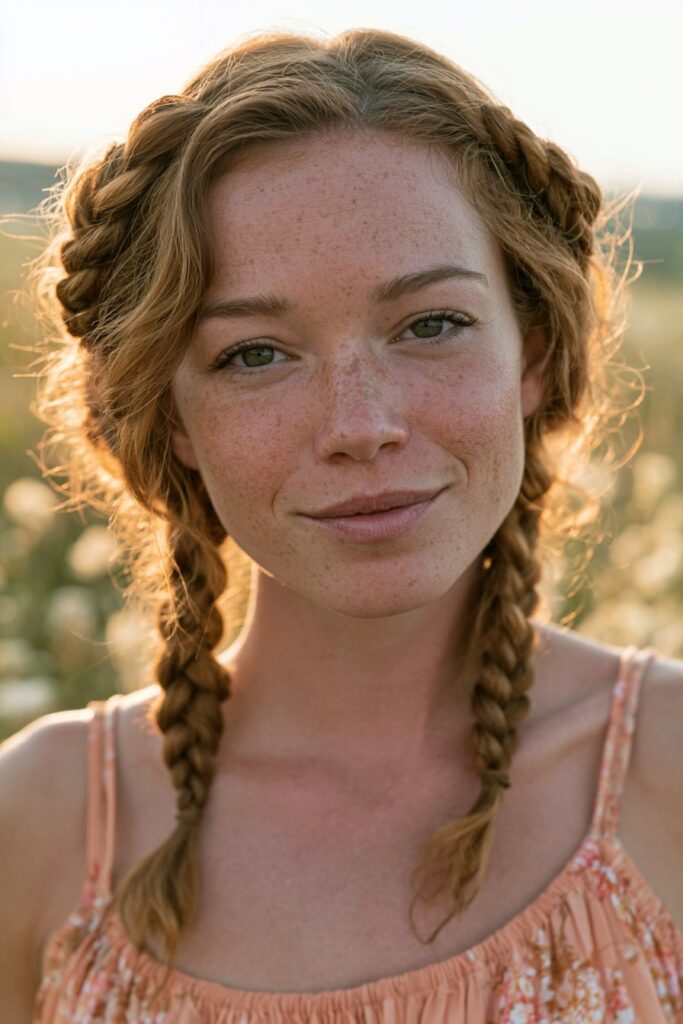
What Rope Braids Are
A frazzled client once told me she couldn’t master three-strand braids no matter how hard she tried. Rope braids became her solution. In fact, rope braids are false braids made from just two twisted hair strands. This technique is super simple, which explains why it’s become one of the most beloved summer braid hairstyles. You divide your hair into sections and twist them, creating looks that range from plain to intricate. Rope braids work for all hair types and textures, making them universally accessible summer braids.
How to Create Rope Braids
Start by dividing hair into two equal sections. Twist each section tightly in one direction, like clockwise. Then wrap the twisted sections around each other in the opposite direction, counter-clockwise. This counter-twisting locks the braid in place and prevents unraveling. Secure the end with an elastic band. For variation, create a tight, sleek version or loosen it slightly for a messy effect.
Best Occasions for Rope Braids
These summer hair braiding styles transition from office meetings to festive events seamlessly. Try rope braid ponytails for parties or formal gatherings.
My Styling Tips
Hide elastic bands by wrapping hair around the ponytail base. Add colorful accessories for special occasions. Rope braids work best on second-day hair when natural oils provide grip.
Milkmaid Braids
What Milkmaid Braids Are
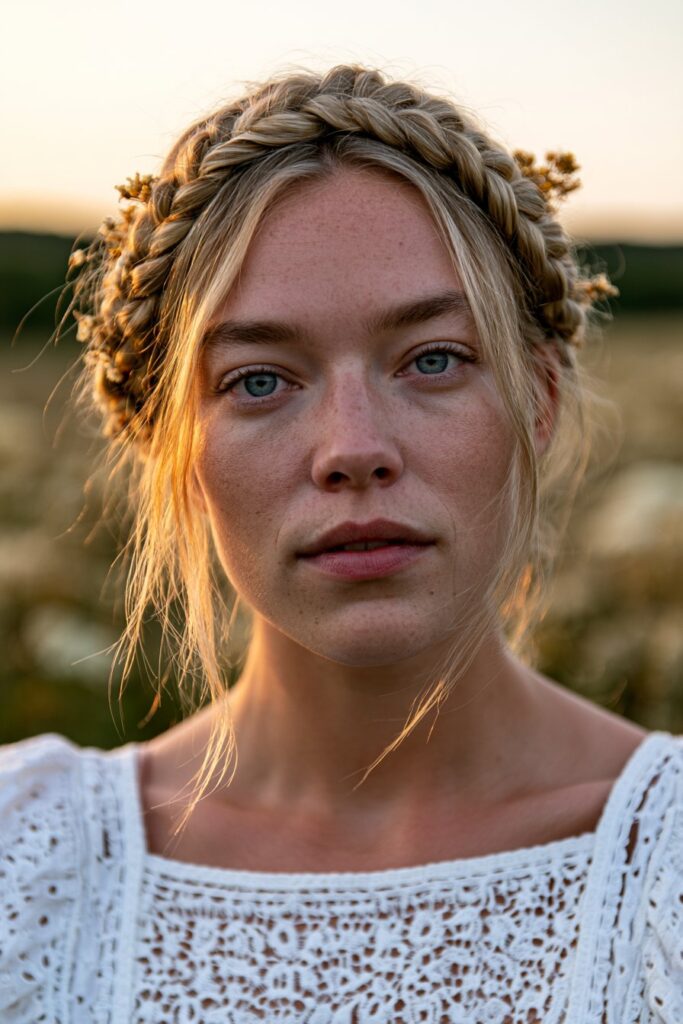
Seeing milkmaid braids at a summer wedding reminded me why this centuries-old style endures. Also known as crown braids, milkmaid braids feature simple three-strand plaits that wrap around your crown instead of flowing down your neck or sides. The hairstyle dates back to the Middle Ages when women wore it to keep hair secured during chores. Unlike crown braids that sit close to your forehead, milkmaid braids position further back on your head where a headband would rest. The name originates from working women who chose this practical style to keep braids from dipping into milk buckets. In truth, these summer braid hairstyles combine historical significance with modern versatility.
How to Create Milkmaid Braids
Part your hair down the middle and divide into two equal sections. Braid each side and secure ends with clear elastic bands. Place one braid over your head around the crown, securing with bobby pins. Repeat with the opposite braid, positioning it adjacent to the first. Finish with stronghold hairspray. Your hair needs to reach at least shoulder length for proper wrapping. Second-day hair works best since unwashed strands provide better grip.
Best Occasions for Milkmaid Braids
These braid hairstyles for the beach suit weddings, festivals, professional settings, and casual outings equally well. Their protective nature keeps you cool during summer heat.
My Styling Tips
Moisturize hair before braiding to prevent flyaways. Add ribbons or flowers for personalized flair. Besides securing with pins, gently loosen braids for relaxed, bohemian texture.
Conclusion
Mastering these 17 summer braid hairstyles changed how I approach hot weather styling, and I’m confident they’ll do the same for you. Each technique offers unique benefits, from the protective power of box braids to the romantic elegance of waterfall braids. The beauty of these styles lies in their versatility, working equally well for beach days, formal events, and everything in between. Pick one or two braids that speak to your lifestyle and start practicing. Remember, perfect braids take patience and repetition. Your hair deserves styles that keep you cool, comfortable, and confident all summer long.

Elsa Claire is the founder and editor of ElsaClaire.com, where she writes about hairstyles, hair care, and the everyday routines that help real people feel good about their hair.