Two stitch braids transformed my entire approach to protective styling the moment I finally cracked the technique. I remember struggling with uneven parts and inconsistent tension, wondering why my braids never looked as sleek as the ones I admired.
After years of practice, I’ve mastered 15 game-changing techniques that actually work. Whether you’re curious about how to do two stitch braids from scratch, want to explore different 2 stitch braids styles, or dream of rocking two stitch braids with curls, I’m sharing every method I use on myself and my clients. This two stitch braids tutorial covers classic feed-ins, curved partings, and tension-free methods that protect your edges.
Classic Feed-In Two Stitch Braids
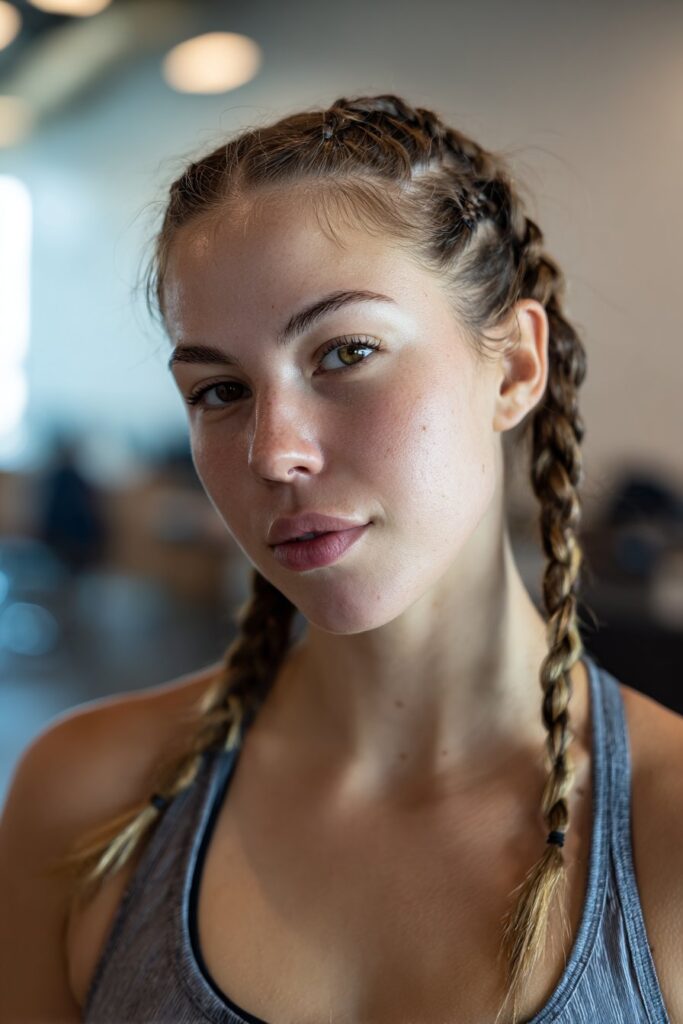
What Makes This Technique Special
Feed-in braids became my go-to method after I discovered the secret lies in the underhand technique. In contrast to French braids that use an overhand approach, feed-in braids move each hair section under the last one instead of over, creating that signature raised, defined look. This reverse movement makes them pop off the scalp, giving you those crisp lines everyone associates with professional 2 stitch braids styles.
What sets this technique apart is the knotless start. Since there’s no bulky knot at the root, the braids place less stress and tension on your scalp compared to traditional knotted braids. I’ve had clients with tender scalps choose this method because it feels gentler, though I always warn that some tension is still necessary for a sleek finish.
The longevity sits at about two weeks before your natural growth starts loosening the braids and that polished look fades. After that point, you’ll notice the braids losing their tightness at the roots.
Step-by-Step Process
I teach my workshop students three non-negotiable steps that guarantee success with this two stitch braids tutorial:
- Perfect the middle part – I know this sounds obvious, but one millimeter off-center ruins the entire symmetry. Take your time measuring from your hairline to your crown.
- Mold with the right product – Apply your molding gel or edge control to create that sleek base. The hair needs to lay completely flat before you start braiding.
- Feed hair gradually – Start with small pieces near the roots, then gradually increase the hair amount as you braid down. This creates the natural taper from thin to thick.
Pro Tips from My Experience
I exclusively use kanekalon synthetic hair because it mimics natural hair texture without that artificial shine other synthetics have. Look for pre-stretched kanekalon to prevent unraveling at the ends.
Choose an experienced stylist if you’re not doing this yourself. I’ve seen too many cases of hair breakage and scalp soreness from braiders who pull too tight trying to achieve smoothness. The technique requires skill to balance tension with hair health.
Pricing varies wildly by location. In NYC, expect to pay anywhere from USD 65.00 to upward of USD 200.00 depending on intricacy and braid count.
Best Hair Types for This Style
This technique works beautifully on most textures. However, if you have a sensitive scalp, consider whether the necessary tension will cause discomfort. The feed-in method is gentler than traditional braids, but it’s not entirely tension-free.
Curved Parting Two Stitch Braids
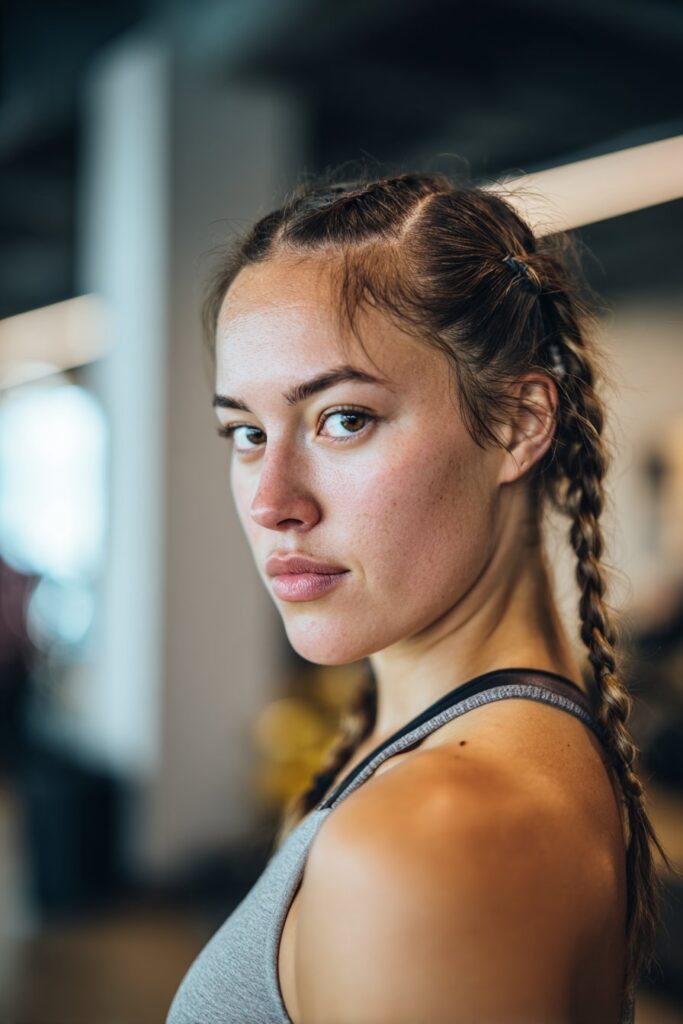
What Makes This Technique Special
Curved partings changed the game when I wanted to add visual interest without overwhelming a client’s natural face shape. In contrast to the straight-line precision of classic feed-ins, curved parts arc and ripple across the scalp, creating movement without moving a strand. The braids hug your head shape in a way that feels both sculptural and soft at the same time.
I love how versatile this technique is. The look works on many lengths and sizes, and you can keep it minimal or turn up the drama with color, beads, or swirly patterns. When clients ask me about 2 stitch braids styles that stand out, I always point them toward curved partings.
Step-by-Step Process
The secret to clean S-curve stitch braiding lies in mapping your curves before you start. I sketch the pattern with the end of my rattail comb, ensuring each arc mirrors the one next to it. From there, the braiding process follows identically to the classic feed-in method, just along a curved path instead of straight back.
About ten medium-size curved feed-ins sweep back and taper into light lengths, with just enough space between parts so the style breathes. Some braids use a stitch effect for texture; others stay smooth for a glassy finish.
Pro Tips from My Experience
Doubling the braid count to about 20 creates a finer, more intricate pattern. The curves look tighter and more drawn, and the finish hugs the head like a wave. Expect a longer install time and slightly more tension with this approach.
Oil the scalp lightly with a nozzle bottle every few days and wrap with a satin scarf at night to keep frizz at bay. Most curved cornrows look best for two to four weeks; book a refresh as needed.
Best Hair Types for This Style
This technique adapts beautifully to various textures and lengths. The curved pattern works particularly well if you want dimension without adding extensions or color.
Jumbo Two Stitch Braids for Thick Hair
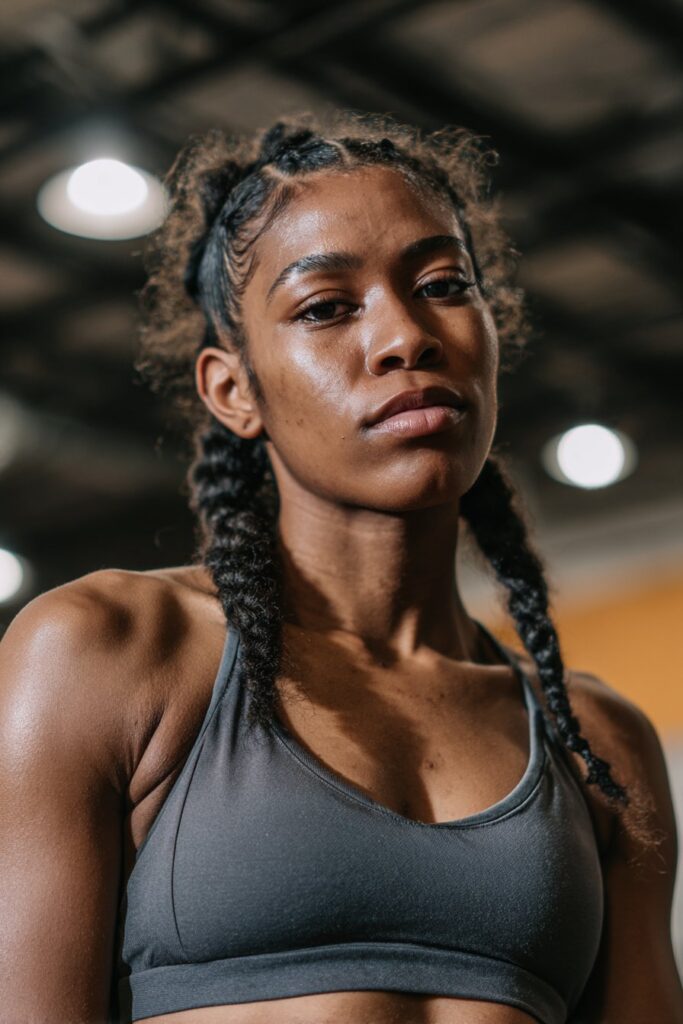
What Makes This Technique Special
Thick hair demands a different braiding approach, and jumbo two stitch braids answer that call perfectly. I learned this during a particularly challenging install on a client whose hair was so dense that standard-size braids would have taken eight hours. Jumbo braids cut that time in half while still delivering that polished, geometric look.
The brilliance lies in the contrast you can create. Blonde extensions paired with darker natural hair produce an absolutely stunning visual effect. Geometric parts add architectural interest without requiring intricate patterns, making the style both striking and achievable for intermediate braiders.
Step-by-Step Process
Working through thick natural hair requires patience and a detailed approach. I start by sectioning larger portions than I would for standard braids, which allows the jumbo size to take shape naturally. The feed-in technique remains the same, but you’ll add more extension hair with each stitch to maintain that thick, rope-like appearance.
The key is keeping each section clean and defined as you work. Thick hair can easily blur your parts if you’re not deliberate about separating and securing each area before moving forward.
Pro Tips from My Experience
Grab both black and blonde braiding hair if you want that contrasting look that turns heads. Playing around with color through extensions means zero damage to your natural hair, which is a win for anyone protective styling.
Keep your hair and scalp moisturized throughout the wear period. I tell clients to work a lightweight oil into both their hair and scalp to ensure the braids and the natural hair underneath stay hydrated. After removal, use an apple cider vinegar rinse to lift buildup before shampooing, and always detangle before water touches your hair.
These braids should stay in for eight weeks maximum.
Best Hair Types for This Style
This technique was designed for thick natural hair. The jumbo size handles density beautifully without creating excessive weight or tension on your scalp.
Sleek Molding Technique for 2 Stitch Braids
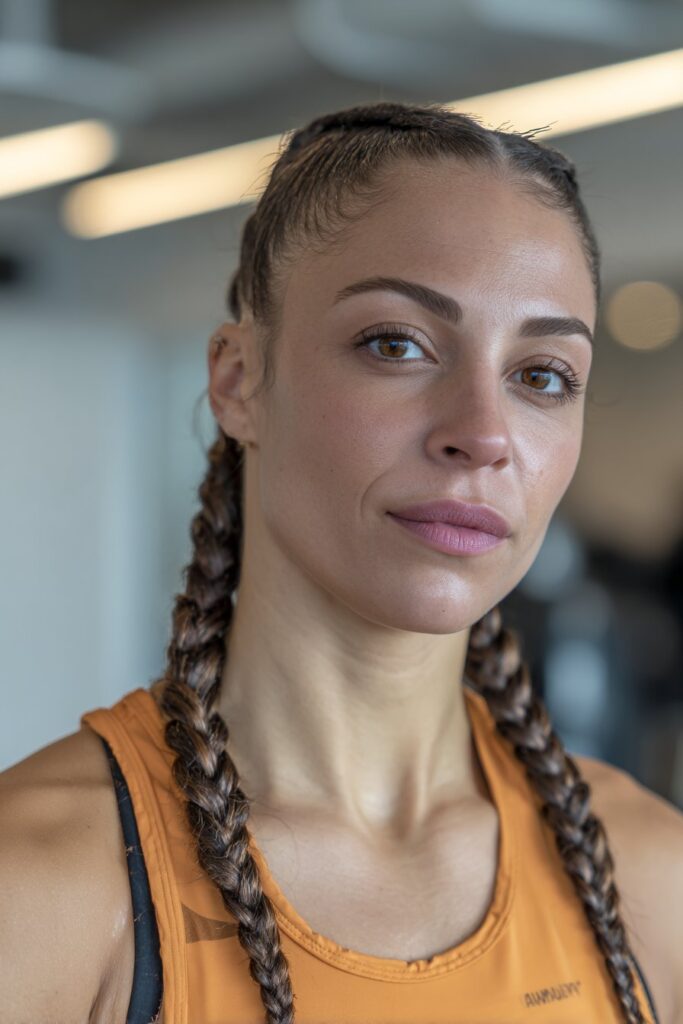
What Makes This Technique Special
Molding is essentially the foundation that separates amateur two stitch braids from professional-looking installations. I learned this the hard way after watching a client’s braids lose their polish within days because I rushed the prep work. The molding technique creates that glassy, sculpted base that keeps your parts crisp and your braids elevated off the scalp.
What makes this approach work is starting with blow-dried hair that’s been straightened to a kinky texture. This prep ensures a sleek, natural finish that holds the molding gel in place. Without proper hair preparation, no amount of product will give you that smooth canvas.
Step-by-Step Process
I blow-dry the hair first, stretching it without making it bone-straight. The goal is elongated texture, not flat-ironed smoothness. Once the hair reaches that kinky-straight state, I apply a strong-hold edge control or styling gel along each planned part. The product needs to be substantial enough to hold the hair in its molded position throughout the braiding process.
I work in small sections, using the back of my rattail comb to smooth the gel through the hair while simultaneously directing it toward the braid path. The molding happens before I even pick up extension hair.
Pro Tips from My Experience
Keep a spray bottle of conditioning spray nearby and spritz your braids daily to maintain moisture. Dry braids lose their sheen and start looking dull within a week if you skip this step.
With proper care and attention to molding, your two stitch braids will hold between 4 and 7 weeks. When done correctly, this serves as a protective style that safeguards your hairline. However, rushing through the molding or pulling too tight leads to breakage.
Best Hair Types for This Style
This technique produces optimal results on blow-dried, kinky, straight hair. The texture allows the molding gel to grip without sliding, creating that sculptural foundation two stitch braids require.
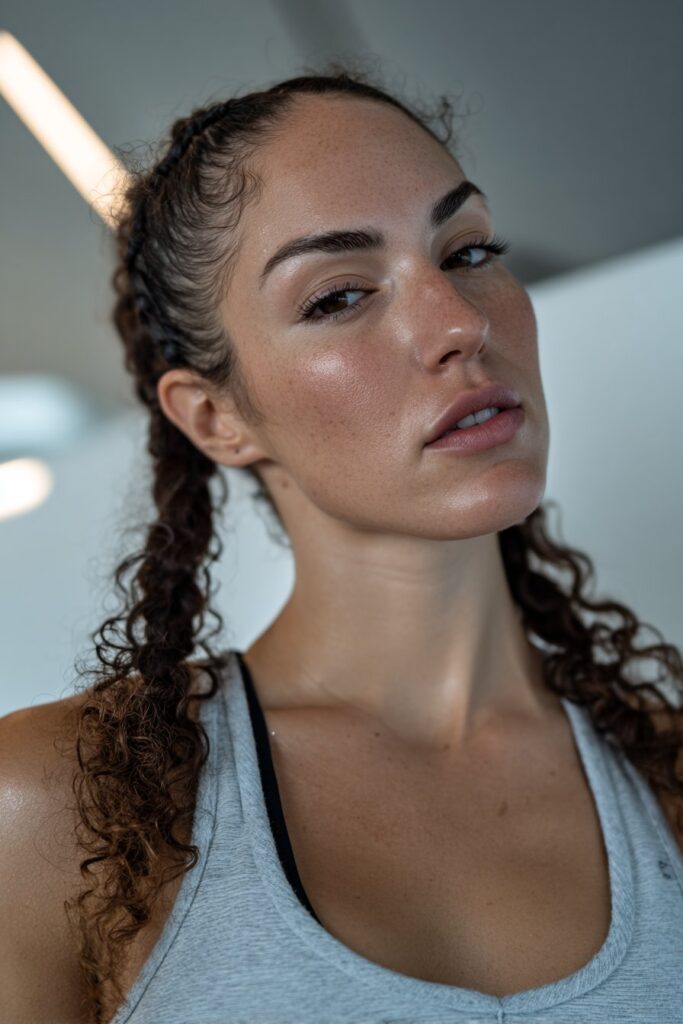
Two Stitch Braids with Curly Ends
What Makes This Technique Special
Adding curly ends to two stitch braids with curls creates that effortless boho-chic vibe I fell in love with years ago. The combination of sleek, structured braids transitioning into soft, bouncy curls offers versatility that straight braids simply can’t match. You get the protective benefits of braiding while keeping movement and texture at the ends.
What makes this one of my favorite 2 stitch braids styles is how forgiving it is. The curls camouflage uneven braid lengths and add volume without requiring intricate parting patterns. I’ve styled this on clients heading to weddings, vacations, and everyday wear because it adapts to any occasion.
Step-by-Step Process
Start by creating your two stitch braids using regular kanekalon braiding hair. Once you reach the point where you want curls to begin, stop braiding and leave the ends loose. Grab large-sized perm rods and wrap the loose hair around them, securing each rod tightly.
Dip the rodded ends into hot water to set the curls. This heat-setting process locks the curl pattern into the synthetic hair. After the hair cools completely, carefully remove the rods to reveal defined curls.
Alternatively, you can use pre-curled French curl hair for the ends instead of setting curls yourself. Simply braid with your regular hair, then attach the French curl pieces at your desired length for a quicker install.
Pro Tips from My Experience
I rely on Shine n jam for molding the braided sections and Freetress GoGo Curls for the ends. French curly braiding hair costs about USD 25.00 for an 8-pack on Amazon, which covers most head sizes. Synthetic French curls hold their shape far longer than curls you set yourself, making them worth the investment for extended wear.
X-Pression Braiding Hair works beautifully for the braided portion, while Italian Curl or French curl hair creates those bouncy ends.
Best Hair Types for This Style
This technique works on all textures since you’re working primarily with extension hair. The curly ends suit anyone wanting dimension and movement in their protective style.
Cornrow Base Two Stitch Braids
What Makes This Technique Special
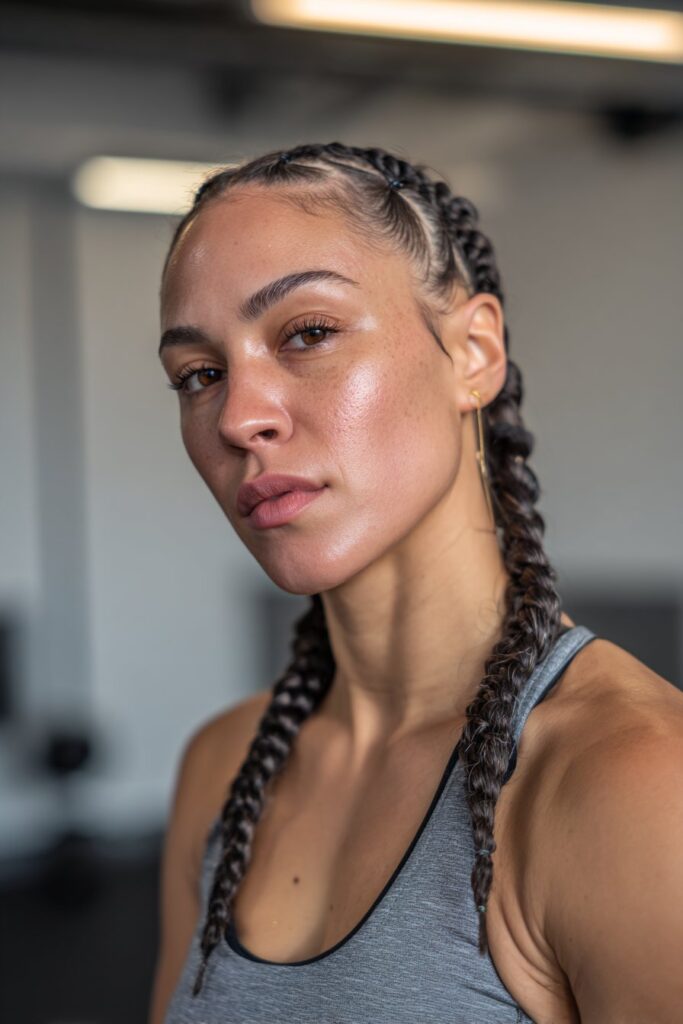
Building two stitch braids on a cornrow foundation changed how I approach protective styling. Cornrows refer to the braiding technique where natural tresses are braided closely to the scalp in neat rows. When you combine this traditional African method with stitch braiding, you create a hybrid style that’s both culturally rooted and modern.
The cornrow base serves a dual purpose. On one hand, it helps natural curls retain moisture and grow healthier. On the other hand, it celebrates the unique beauty of coily and kinky strands. I’ve watched clients wear this style for weeks, and their hair emerges stronger because of the protective foundation.
Step-by-Step Process
I start by creating traditional cornrows without any stitching or gel, using the old-school technique. This forms the base. Once those cornrows are secure, I transition into the stitch braid pattern on top or incorporate feed-in hair gradually for added length.
The install moves quickly once you nail the cornrow foundation. Depending on the size and length you want, expect about 25 to 30 minutes per section.
Pro Tips from My Experience
Keep your cornrows hydrated with light moisturizing sprays containing aloe vera or shea butter, as well as nutritious hair oils like argan, jojoba, or tea tree on your scalp for deep hydration. During your washing routine, gently shampoo with clarifying and sulfate-free products to remove buildup without causing frizz. Massage your scalp as you go for the ultimate clean feel.
Best Hair Types for This Style
This technique works beautifully on curly hair and thick natural hair. The cornrow foundation adapts to various textures, making it accessible for most hair types seeking protective styling.
Invisible Knot Start Technique
What Makes This Technique Special
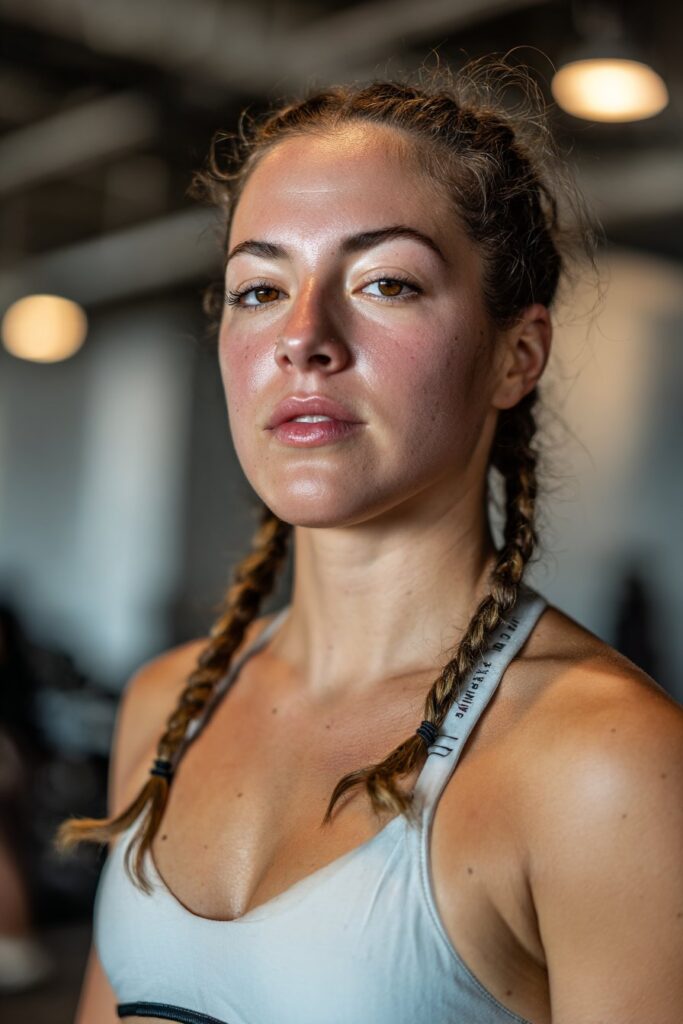
The invisible knot changed how I approach hairline work. The brilliance of this method is that the knots attaching extension hair remain hidden, creating the illusion that braids grow directly from your scalp. In contrast to traditional crochet installations where bulky knots peek through parts, this technique keeps attachments concealed.
I discovered this approach while searching for ways to give clients more natural-looking parts. The result resembles an invisible part where you genuinely can’t tell where natural hair ends and extensions begin. That seamless transition makes all the difference for anyone who wants versatility in styling without obvious attachment points showing.
Step-by-Step Process
Pull the extension hair under your cornrow base and pause there. Instead of pulling both ends through the loop as standard crochet methods require, pull only one end through. This single-end technique positions the knot on top of the cornrow rather than underneath it.
For a three-way part, work this method on four cornrows. If you only want a one-way part, apply the technique to two cornrows. The placement determines your styling flexibility later.
Pro Tips from My Experience
Knot count sparks debate among braiders. Some loop the hair two to three times for maximum security. I knot once because it simplifies removal and works beautifully with hair that has grip. The Freetress brand synthetic hair holds well with a single knot.
Multiple knots deliver security and fullness, but they also increase removal time. Weigh your priorities before deciding.
Best Hair Types for This Style
This technique works with synthetic hair extensions rather than being hair-type dependent. Your natural texture underneath can vary since the invisible knot method focuses on attachment technique rather than hair characteristics.
Two Stitch Braids with Beads and Accessories
What Makes This Technique Special
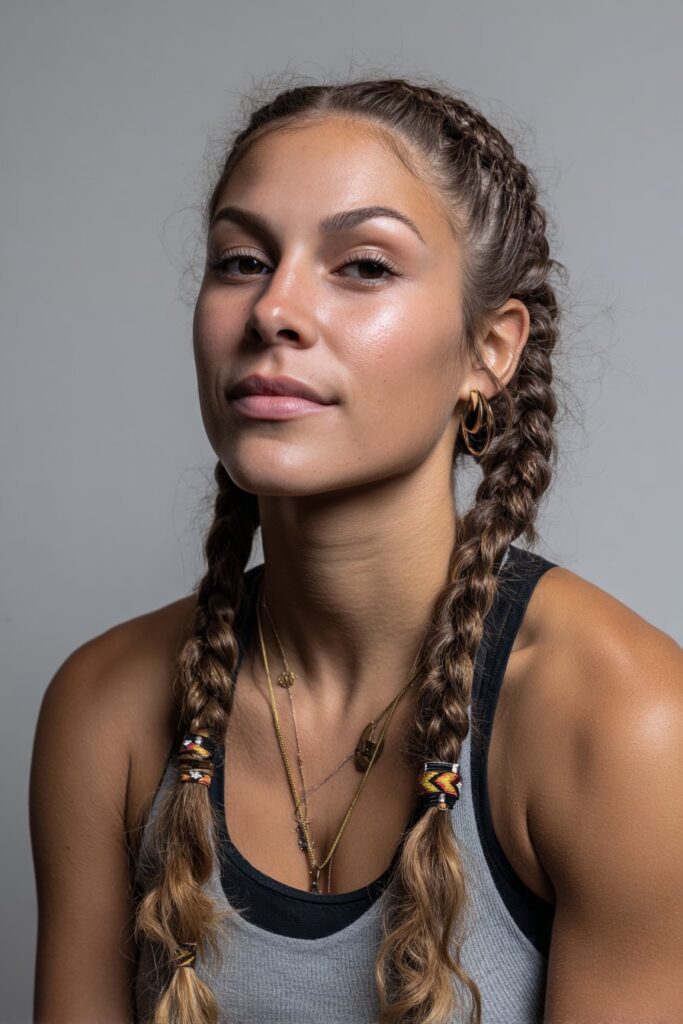
Accessories turned my two stitch braids from protective styling into wearable art. Beads and braids create a combo that works beautifully for adults, not just kids. I remember adding my first set of gold beads to a client’s braids and watching her face light up when she moved her head and heard that subtle clicking sound.
What sets this technique apart is the movement. Beads placed at the ends enhance visual appeal while creating rhythmic, musical sounds as you walk or shake your head. The artistic nature allows you to express individuality in ways plain braids can’t match. Gold tones bring warm, vibrant glows to your overall look, while silver beads woven throughout create mesmerizing, seasonally inspired finishes.
Step-by-Step Process
Adding beads by hand takes forever. I switched to a threading method that cuts installation time dramatically. Thread your beads onto a thin wire or specialized bead threader, then slide them onto each completed braid. This quick method works on box braids, crochet braids, faux locs, dread locs, and any braid type.
For rhinestones, you can go bold and adorn every braid for maximum impact, or strategically place them on select braids to highlight intricate details while keeping things elegant. Cuffs work best on braids worn down. Choose slightly larger cuffs to create contrast and make your style pop.
Pro Tips from My Experience
Mix your accessories for dimension. I love pairing gold beads at the ends with a few silver cuffs mid-shaft. In contrast to single-accessory looks, this layered approach adds depth without overwhelming the braids.
Best Hair Types for This Style
This technique adapts to any texture since you’re adding accessories to already-braided hair.
Side-Swept Two Stitch Braids Style
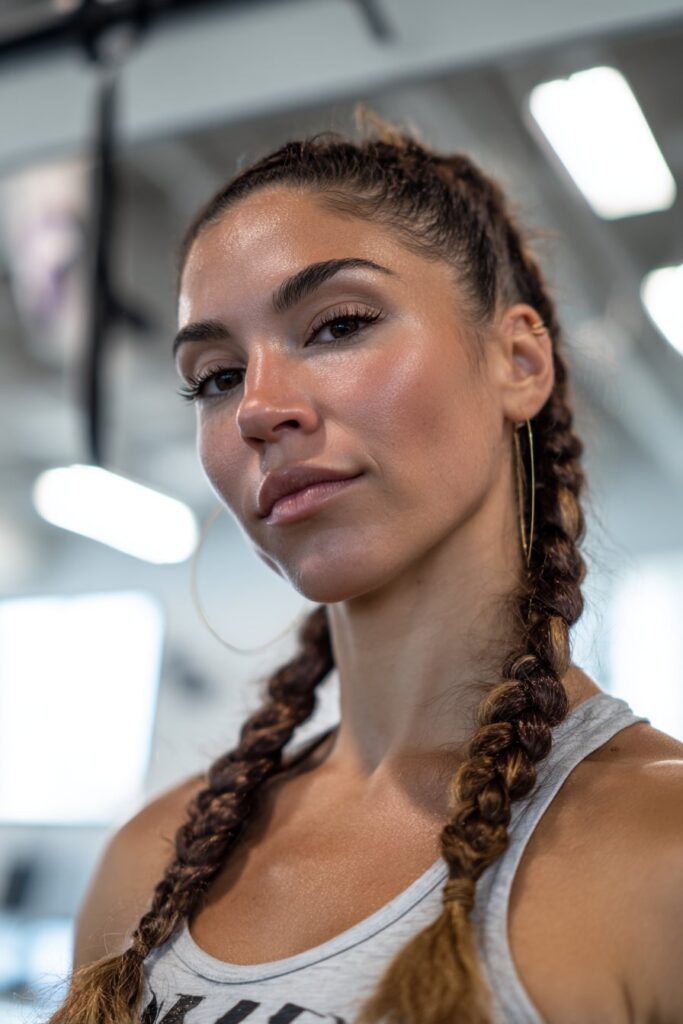
What Makes This Technique Special
Side-swept two stitch braids became my favorite for clients who want asymmetry without commitment. The angled parting from your temple back to the center nape creates visual drama that looks edgy from one angle and elegant from another. I love how this single style gives you multiple looks depending on where someone’s standing.
What fascinates me is how this technique works beautifully on second-day hair. Dirty hair actually provides better texture and holds braids without slipping. When your hair isn’t super clean, side braids become your best friend.
Step-by-Step Process
Section about one-third of your hair from the left temple, angling your part back toward the center of your neck rather than straight down the side. Create your two stitch braids along this angled path using the feed-in method. The key is maintaining tight tension close to the part so the braids hug your head shape before sweeping across.
Pro Tips from My Experience
Pull gently on the braid edges to create scalloped dimension, but stop before reaching your neck to maintain sleekness where it counts. This selective pancaking adds volume without sacrificing structure.
Best Hair Types for This Style
This works on all textures, though textured or slightly unwashed hair grips better during installation.
Zig-Zag Parting Two Stitch Braids
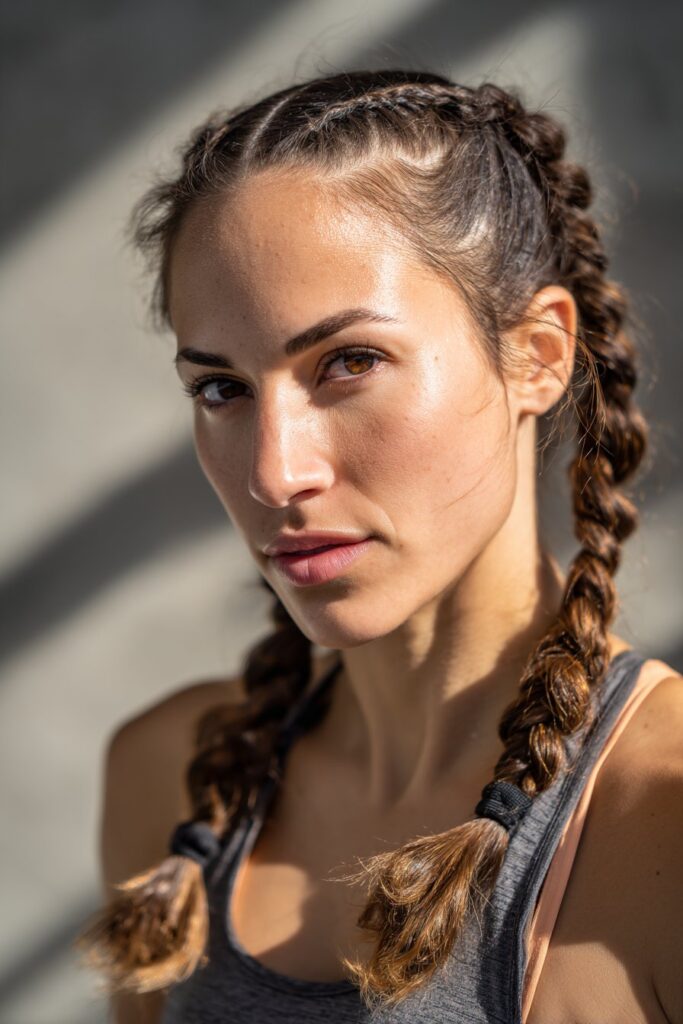
What Makes This Technique Special
Zig-zag parting revolutionized how I think about geometric design in braiding. There’s something magnetic about diagonal lines cutting across the scalp that tightens the entire style and draws people in. In contrast to straight parts that fade into the background, zig-zags demand attention without overwhelming the braids themselves.
Step-by-Step Process
The pre-parting method saves hours of frustration. I start with a middle part running from hairline to crown, using it as my centerline guide. From there, I create diagonal lines crossing back and forth across that center, forming the zig-zag pattern. By the time you finish mapping these angles, your braiding path becomes crystal clear.
Pro Tips from My Experience
Gather your rat tail comb, hair extensions, edge control, and styling mousse before starting. After washing, I always apply leave-in conditioner before blow drying. Coupled with scalp oil during wear, this prevents the dryness that ruins protective styles. Before bed, I tell clients to apply mousse and wrap with a silk scarf to maintain that fresh finish.
Best Hair Types for This Style
This parting technique adapts beautifully across various lengths and textures, lasting about 10 to 15 days with proper care.
Tension-Free Two Stitch Braids Method
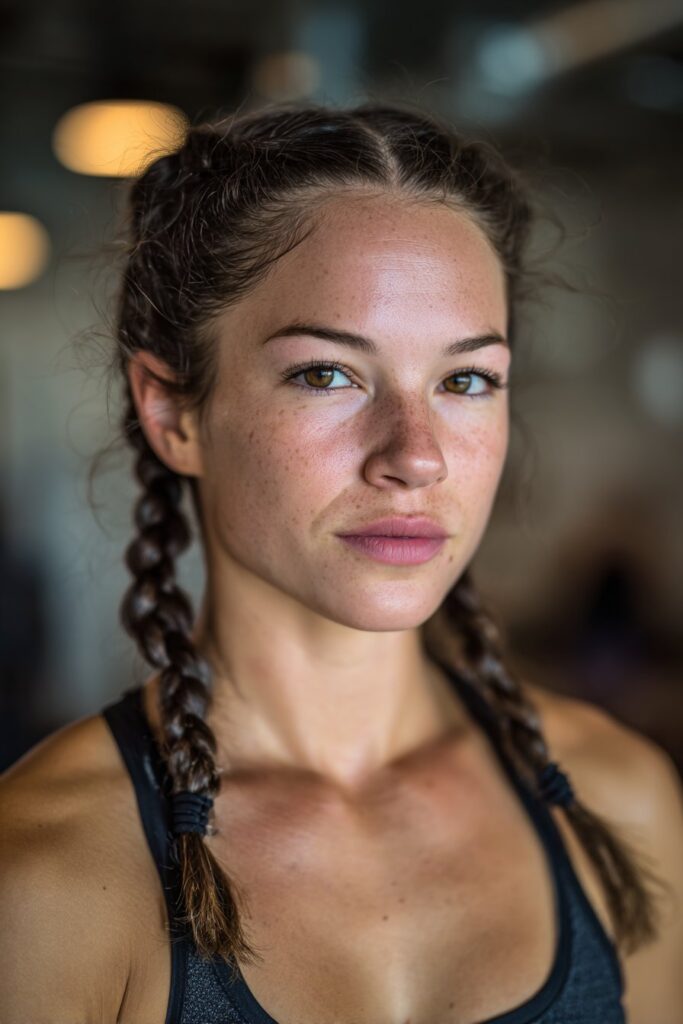
What Makes This Technique Special
Learning tension-free braiding saved my edges after years of tight installations left them thin and damaged. This method keeps weight and friction to a minimum while allowing easy cleansing and moisturizing access. In effect, your scalp gets active rest instead of constant pulling.
What separates this from standard two stitch braids is the breathing room. The braids should feel secure, comfortable, natural, and breathable. You should smile, raise your eyebrows, and sleep normally without discomfort.
Step-by-Step Process
Start your braid ¼ inch from the scalp rather than right at the root. Slowly tighten the braid only after it forms, leaving tiny breathing space at the base. This prevents tugging and stress while maintaining security.
Focus the technique on keeping anchor points loose. Consequently, weight spreads evenly along each strand instead of concentrating at your roots.
Pro Tips from My Experience
Watch for warning signs. If you feel throbbing, bumps, or notice shiny stretched skin, loosen or take down immediately. For few-days wear, keep these in for a week maximum. Longer protective styles using this method last 2-4 weeks.
Sleep in satin to cut friction. Mist hair with water mixed with leave-in conditioner to maintain hydration.
Best Hair Types for This Style
This works beautifully if your hair feels fragile after long protective styles, your edges are recovering, or your strands are fine with low resilience.
Box Braid to Stitch Braid Transition
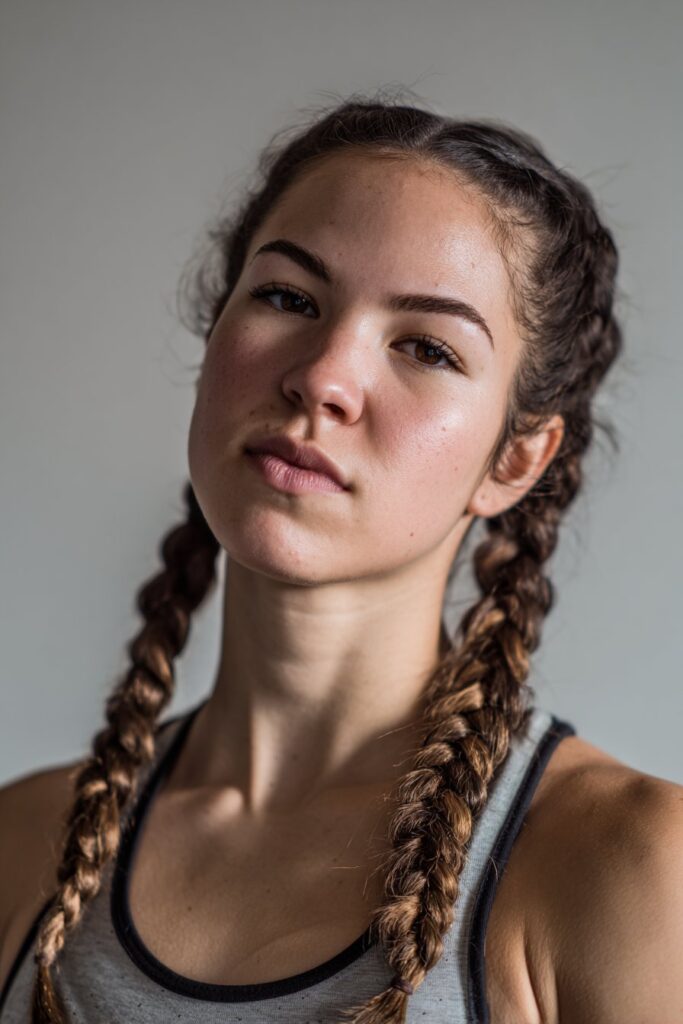
What Makes This Technique Special
Mastering box braids first gave me the foundation I needed to understand stitch braids. In truth, stitch braids are just fancy feed-in braids. The difference lies in the clean, visible lines that elevate any style. If you already know feed-in techniques, this transition feels natural and fairly easy.
Step-by-Step Process
Comb and smooth hair toward the center, creating a small section in front. Part straight down the middle while maintaining smoothness. Start with your natural hair whenever possible, adding small braiding hair pieces until reaching desired thickness. Once you hit that size, stop adding hair until you approach the nape, then add more for thickness and length.
Pre-part each row, combing through and pinching with a twist to hold placement. Start your braid as you would a regular feed-in, keeping rows separate and visible.
Pro Tips from My Experience
I use Shine n jam and Loc N for molding each section. Apply product to the entire section for sleek hold. This beginner-friendly version works as long as you maintain those crisp, separated rows.
Best Hair Types for This Style
This technique adapts similarly to standard feed-in braids, working across various textures.
Two Stitch Braids with Edge Control
What Makes This Technique Special
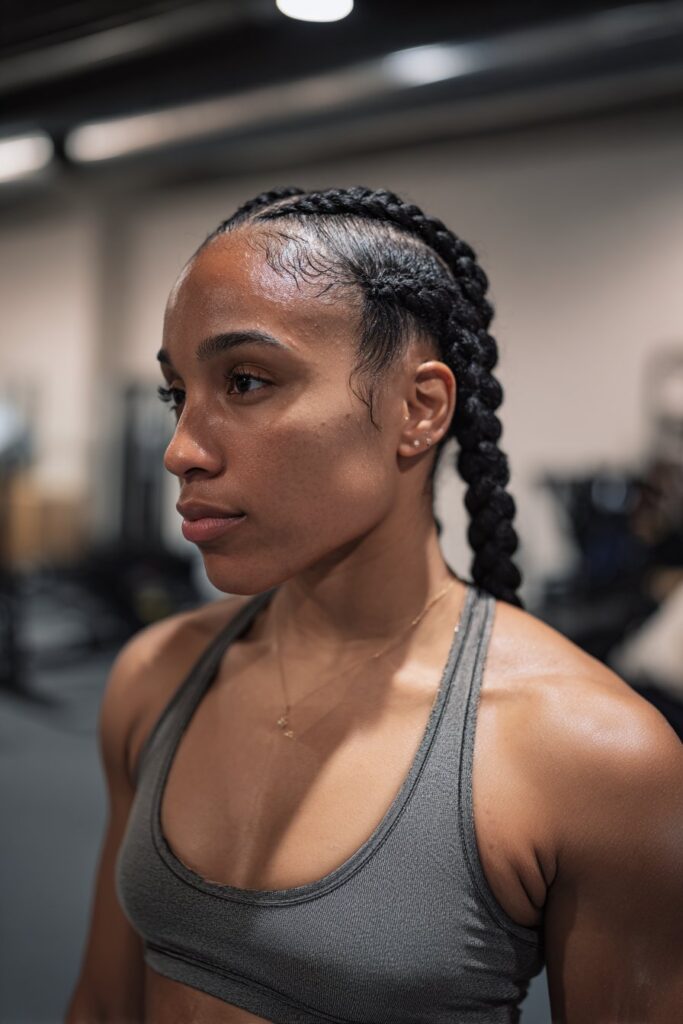
Edge control mastery saved me from countless installs that looked almost perfect except for those flyaways and undefined baby hairs. This product smooths and defines the fine hairs around your hairline, creating a polished, clean finish with long-lasting hold without flaking. However, moisture retention and protection from breakage come as bonus benefits that protect those delicate strands.
When paired with two stitch braids, edge control creates a seamless, stylish look. The technique works before styling to prep your hairline for neat braid starts, and after styling to lay down baby hairs and smooth any remaining flyaways.
Step-by-Step Process
I pull my braids away from my hairline first, then spot clean to remove previous product and sweat buildup. Take a pea-sized amount of edge control and apply it along your edges. Using a small edge brush or toothbrush, gently shape your edges into C or S curls, starting from the hairline and working outward.
Tie a satin scarf around your edges and leave it on for 10-15 minutes to set the style. Remove the scarf carefully to reveal defined edges with strong hold.
Pro Tips from My Experience
Avoid overusing edge control. Daily application causes severe product buildup, makes braids dirty, and can contribute to hair loss. A small amount goes far.
Best Hair Types for This Style
This finishing technique works on all textures and complements any two stitch braids style.
Speed Braiding Two Stitch Technique
What Makes This Technique Special
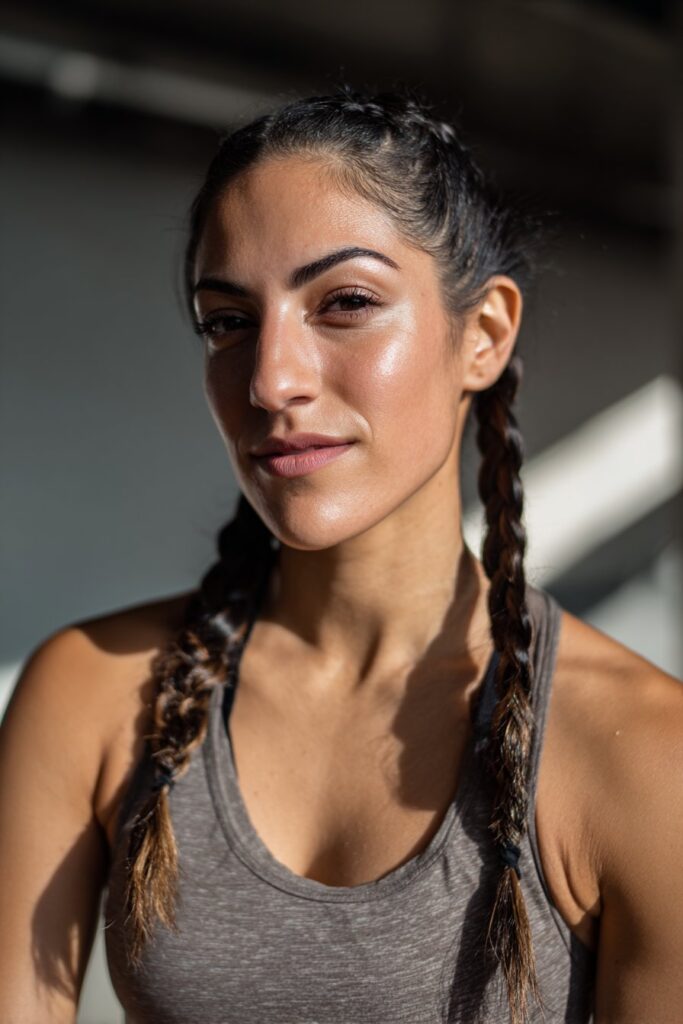
Speed gets misunderstood in braiding circles. I spent my first year trying to braid faster, thinking speed equaled skill. In fact, the opposite proved true. Control matters far more than how quickly your hands move.
This technique focuses on three control elements that naturally increase your pace without sacrificing quality. Control your base with clean sectioning, control your pace through deliberate movements, and control the hair size you add with each stitch. When these three align, speed follows naturally.
Step-by-Step Process
The breakthrough came when I stopped adding massive chunks of extension hair. Every piece you feed in should be smaller than the strand you’re adding it under. This creates better lay and prevents that bulky, amateur look.
Make each braid movement intentional rather than rushing through. Your hands should know exactly where they’re going before they move.
Pro Tips from My Experience
Patience wins. Perfecting this takes time and determination to do it right. I’ve watched new braiders add way too much hair during feeding, then wonder why their braids won’t lay flat.
Best Hair Types for This Style
This efficiency-focused approach works across all textures since it addresses technique rather than hair characteristics.
Long-Lasting Two Stitch Braids Method
What Makes This Technique Special
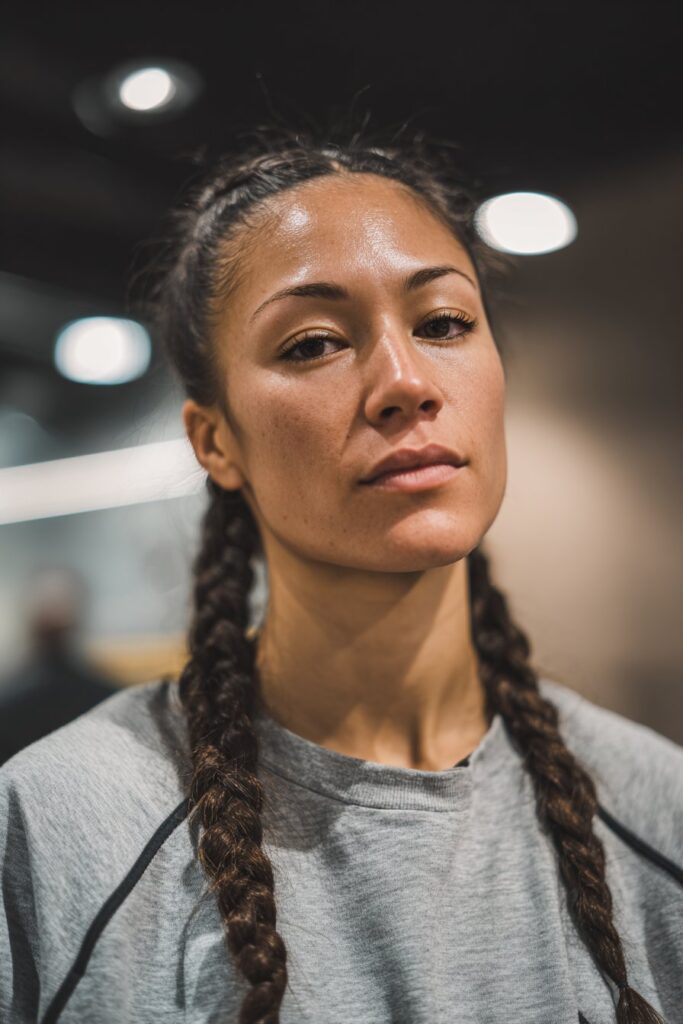
Getting two stitch braids to last beyond two weeks requires a completely different mindset about installation and aftercare. I learned this after a client returned disappointed that her braids looked fuzzy after just ten days. The longevity secret isn’t in braiding tighter but in how you prepare and maintain them.
With proper care, your two stitch braids can last anywhere from four to six weeks. Type 3 hair experiencing less shrinkage typically holds braids for about seven to eight weeks, while Type 4 hair with more shrinkage lasts between four to six weeks. How you care for your braids determines which end of that spectrum you’ll reach.
Step-by-Step Process
Start with freshly-washed hair. Cleanse your scalp with shampoo every one to two weeks while wearing braids. Dip a clean cloth into shampoo and rub it through your scalp, then clean off with another cloth dipped in warm water. Apply conditioner using the same technique, focusing on hair roots.
Moisturize both your scalp and the braids themselves. Sleep with a silk scarf or satin bonnet nightly.
Pro Tips from My Experience
Touch up your hairline when braids start looking rough. Redoing just the first two rows saves hours compared to reinstalling everything. Avoid overusing edge control as buildup forces more frequent washing.
Best Hair Types for This Style
This maintenance approach works across all textures, though wear time varies by hair type.
Conclusion
Mastering all 15 techniques overnight sounds impossible because it is. I spent years perfecting these methods, and honestly, I still learn something new with each install. Pick one technique that matches your skill level and hair goals, then practice until it feels natural. Maybe you start with classic feed-ins, or perhaps tension-free braiding speaks to your edge-recovery journey. The beauty of two stitch braids lies in their versatility and protective benefits when done correctly. Above all, prioritize your hair health over achieving that picture-perfect finish. Your edges will thank you, and your confidence will grow alongside your braiding skills.


Elsa Claire is the founder and editor of ElsaClaire.com, where she writes about hairstyles, hair care, and the everyday routines that help real people feel good about their hair.