I’ll never forget dealing with tangled, chlorine-damaged hair after long pool sessions. Finding practical lifeguard hairstyles that keep your hair protected while looking polished is genuinely challenging. The truth is, you don’t need a swim cap to shield your strands from harsh chemicals. In fact, the right updo can keep your hair dry and tangle-free. I’ve curated 15 cute lifeguard hairstyles that combine style with protection. These pool hairstyles range from elegant braids to secure buns, offering good hairstyles for swimming that actually work. Whether you prefer cute hairstyles for swimming or need reliable cute pool hairstyles, these options ensure you look great poolside while keeping chlorine damage at bay.
French Braid

French braids became my go-to style during countless hours spent poolside. This classic technique keeps your strands secure while creating an elegant look that transitions seamlessly from morning training to afternoon shifts.
How to Create a French Braid
Starting at the crown of your head, separate a small section into three equal parts (left, middle, and right). Cross the left section over the middle, combining it with the right section. Then take the right section and cross it over the middle, merging it with the left. Here’s where the French braid differs from a basic three-strand braid: as you continue, add more hair from each side before crossing over the middle. Pick up a small chunk from the right, cross it over the middle, then grab hair from the left and do the same. Continue this pattern all the way down until you reach the nape of your neck, then finish with a regular three-strand braid.
For double French braids, part your hair down the middle and work on one side at a time. The technique remains identical, just on a smaller section. Keep your hands close to your scalp while braiding to maintain a tight, secure hold.
Why French Braids Work for Lifeguards
During my first summer working poolside, I discovered why French braids remain popular among lifeguards. The style keeps hair completely off your face and neck, which matters when you need clear vision for scanning the pool. Unlike loose hairstyles, French braids distribute tension evenly across your scalp, preventing those painful headaches that develop after wearing tight ponytails all day. The braid works for all hair types and stays secure through multiple water entries.
Tips for Maintaining Your French Braid in Chlorine
French braids function as protective hairstyles that limit your hair’s exposure to chlorine while preventing tangles. The tight weave keeps strands bundled together, making hair less prone to tangling or breakage when you exit the pool. Wetting your hair with fresh water before diving in helps minimize chlorine absorption, as your strands will absorb the clean water first, leaving minimal room for chemicals to penetrate. After your shift, rinse thoroughly and apply a leave-in conditioner to restore moisture lost during the day.
Dutch Braid

The first time I attempted a Dutch braid, I kept crossing the strands over instead of under, creating a regular French braid by accident. Once I understood the reverse technique, Dutch braids became one of my favorite cute lifeguard hairstyles for clients with fine hair who struggled to keep other styles secure.
How to Create a Dutch Braid
Brush your hair completely straight toward the back. Gather a section from your front hairline and split it into three equal strands. Here’s where the Dutch braid differs: take the right strand and cross it under the middle strand, then cross the left strand under the new middle. Add a thin section of hair from the right side of your hairline to the right strand, then cross both under the middle. Repeat on the left side, gathering hair and crossing under the middle. Continue this alternating process until you reach the nape of your neck. Finish with a regular three-strand braid, maintaining the under-crossing pattern.
The technique might feel backward at first, especially if your fingers are used to French braiding. Following several practice rounds, the motion becomes natural.
Why Dutch Braids Work for Lifeguards
Dutch braids create a three-dimensional effect because each strand crosses underneath rather than over, making the braid protrude from your scalp. This tight weave secures hair more effectively than French braids, particularly for those with fine hair. The tension stays closer to the scalp, keeping the braid taught even during water activities. As one of the most practical pool hairstyles, Dutch braids prevent hair from falling apart during swimming or exercise while maintaining a polished appearance.
Tips for Maintaining Your Dutch Braid in Chlorine
Before braiding, apply conditioner or argan oil to damp hair. This creates a protective barrier against chlorine absorption while adding moisture. Braid as tightly as comfortable, since wet hair stretches from its own weight. Rinse your hair thoroughly after finishing your shift before removing the braids. In the shower, apply conditioner and gently comb through before washing as usual. This routine prevents the tangles and damage that come from removing braids while hair still contains chlorine residue.
Fishtail Braid
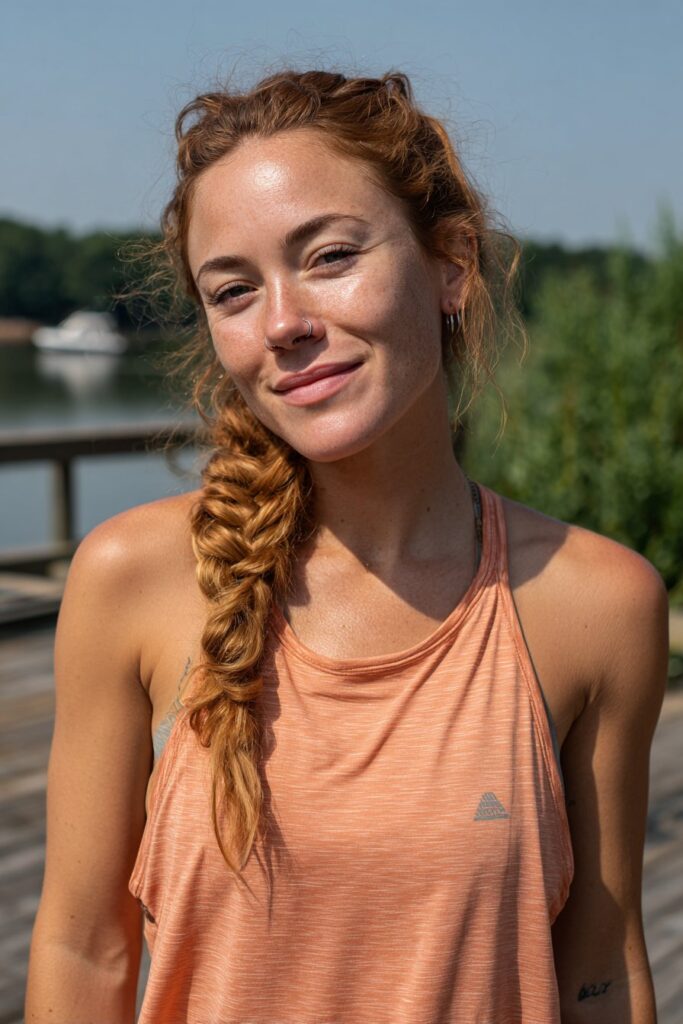
One afternoon during a break, another lifeguard showed me her fishtail braid, and I was immediately drawn to how intricate it looked despite being surprisingly simple to create. Fishtail braids offer different styles to try, helping you stand out at the pool while keeping strands protected.
How to Create a Fishtail Braid
Working on wet or damp hair prevents flyaways and helps the braid hold better. Pull your hair into a ponytail first, then divide it into two equal sections. Take a small piece from the outer edge of the left section and cross it over to join the right section. Then grab a small piece from the outer edge of the right section and cross it over to the left. Repeat this alternating pattern all the way down. The sequence creates the distinctive fishtail pattern quickly once you establish rhythm.
For a version starting from your scalp, begin at the crown with three small groups of hair. As you weave the braid downward, add additional hair to the groups as the braid passes over each section. Both methods work equally well.
Why Fishtail Braids Work for Lifeguards
After swimming 35 laps, only the shortest hairs escaped from my fishtail braid. This style keeps hair tucked away and tangle-free during water activities. The woven pattern distributes weight evenly, though braids do get heavy when wet. Getting help from a friend makes the initial styling easier, and removing the braid requires patience since the interlocking sections can tangle.
Tips for Maintaining Your Fishtail Braid in Chlorine
Saturate your braid with clean water before entering the pool, minimizing chlorine absorption. Apply leave-in conditioner or oil beforehand to create a protective barrier. Chlorine and salt strip moisture from both your natural hair inside the braid and your scalp. Rinse immediately after your shift ends, then re-moisturize with a leave-in spray focused on your roots and natural hair. This routine prevents the dryness and damage that accumulate from repeated chlorine exposure.
Boxer Braids
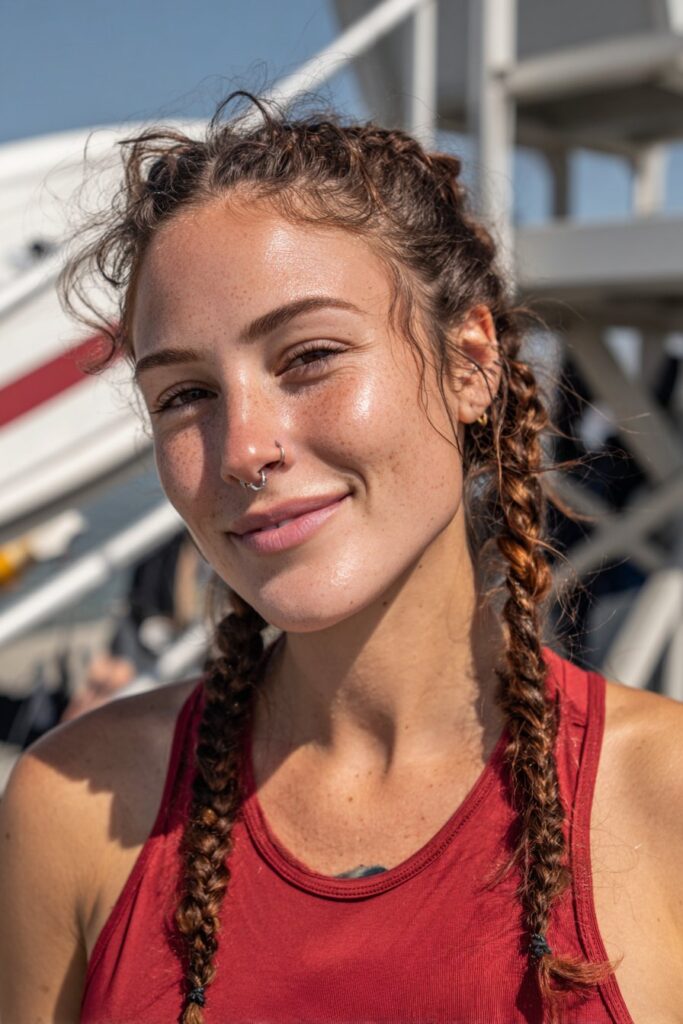
Boxer braids transformed my entire approach to pool hairstyles during an intense summer training season. These dual Dutch braids sit tight against your scalp, creating a practical yet stylish option among cute lifeguard hairstyles that actually withstand water exposure.
How to Create Boxer Braids
Brush your hair completely and create a precise center part from your hairline straight back to your nape. Separate hair into two equal sections, securing the side you’re not working on. Gather three thin sections from your hairline, each no thicker than ½ inch. Cross the left strand under the middle one, then cross the right strand underneath the middle. Add a thin strand from your hairline to the left section and cross it under the middle. Repeat on the right side, gathering hair and crossing under. Continue this pattern down toward your neck, keeping the braid between your ear and center part. Once you reach the nape, finish with a regular braid, crossing strands underneath rather than over. Secure with a clear elastic, then repeat the entire process on the other side.
Why Boxer Braids Work for Lifeguards
Boxer braids rank among the best good hairstyles for swimming because they create a ridge effect that sits virtually on top of your head. This happens because you cross strands underneath instead of over, making the braids protrude from your scalp. The style keeps hair completely off your face, which matters during rescues or extended scanning sessions. These braids hold through fitness classes, festivals, and water activities while suiting all hair types and textures.
Tips for Maintaining Your Boxer Braids in Chlorine
Wet your hair thoroughly with clean water before swimming to prevent chlorine saturation. Apply conditioner generously throughout both braids to create a protective barrier. Oils like coconut, olive, jojoba, or vitamin E work well since chemicals struggle to penetrate through the oil layer. After your shift, rinse immediately with clean water and wash using a clarifying shampoo free of SLS and SLES. Pat gently with a towel and air dry completely to prevent mildew.
Top Knot
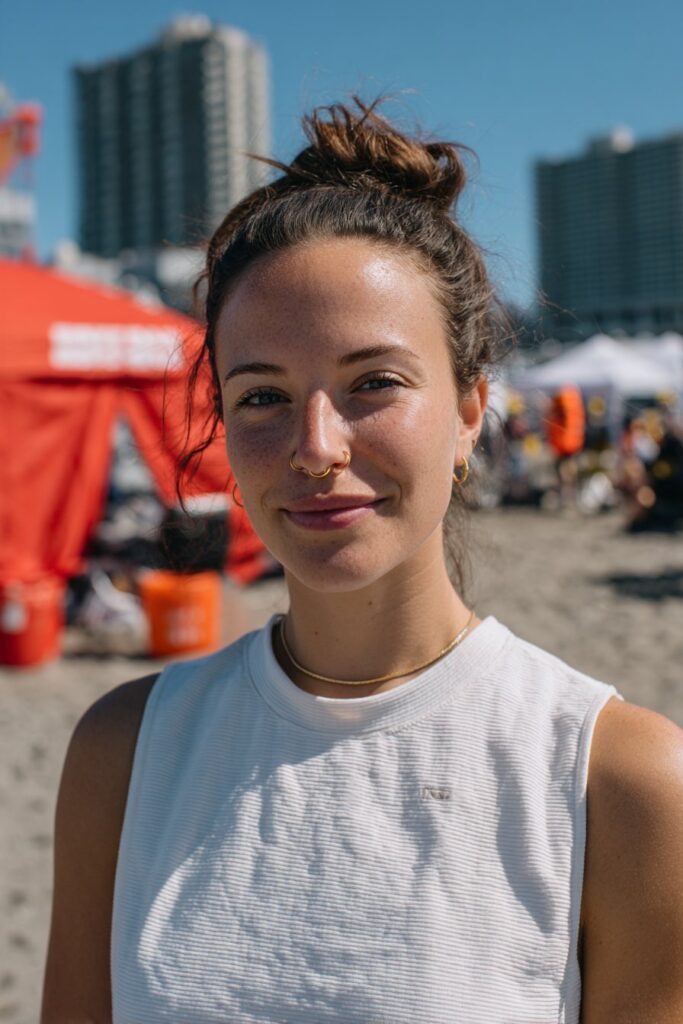
During one particularly hectic afternoon managing multiple swim lessons, I realized my hair kept slipping from its ponytail, blocking my peripheral vision at exactly the wrong moments. That’s when I switched to a top knot, and it changed everything about my poolside comfort.
How to Create a Top Knot
Flip your head forward and brush your hair upward toward the crown. Gather everything into a high ponytail positioned at the very top of your head, not toward the back. Secure tightly with an elastic band. Twist the entire ponytail from base to ends, then grab the hair near your scalp with your free hand. Wrap the twisted section clockwise around the elastic base, creating a rounded bun shape. Tuck the loose ends underneath the bun and secure with bobby pins. Pin both the top and bottom sections to prevent slipping. For added volume, backcomb your ponytail before wrapping it.
Why Top Knots Work for Lifeguards
Top knots position hair high enough that it doesn’t come into direct contact with water, minimizing chlorine damage. The style prevents strands from falling apart and interfering with your vision during rescues or scanning. Whether you create a messy version for casual shifts or a sleek knot for formal pool events, both variations keep hair secure and off your neck. This makes top knots among the most versatile cute lifeguard hairstyles. The elevated positioning also gives you a fresh, dry appearance even after hours poolside.
Tips for Maintaining Your Top Knot in Chlorine
Before creating your bun, work leave-in conditioner through damp hair to add a protective barrier against chemicals. Coconut oil works equally well for shielding strands. Keep your bun positioned high on your head to limit water contact. Refresh the style post-swim by re-twisting and re-pinning without completely taking it down. This quick adjustment maintains protection while keeping your look polished throughout your shift.
Sock Bun
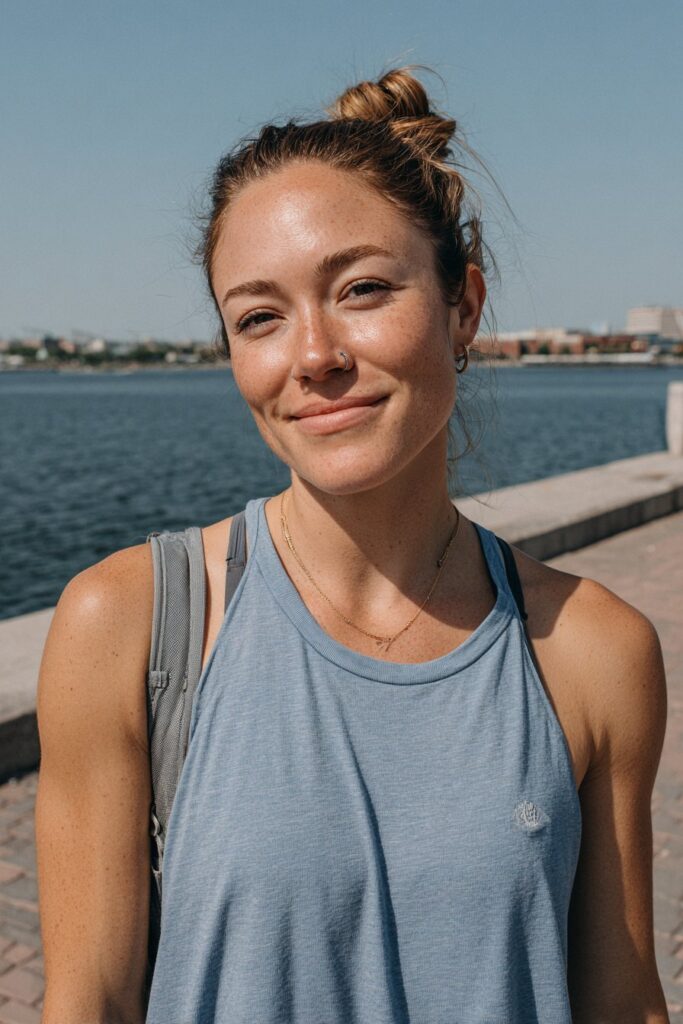
A client once asked me for a polished bun that wouldn’t require washing her hair beforehand, and that’s when I introduced her to the sock bun technique. This method uses a repurposed sock to create perfectly shaped buns that rank among the best cute pool hairstyles for lifeguards who want effortless elegance.
How to Create a Sock Bun
Grab an old sock and cut off the toe section, creating one continuous tube. Roll the sock over itself repeatedly until you form a tight donut shape. The tighter your roll, the better your finished bun appears. Pull your hair into a secure ponytail positioned exactly where you want your bun to sit. Thread your ponytail through the sock donut, ensuring all strands pass through without flyaways.
Move the donut approximately three inches from your ponytail tips. Split the hair above the donut into two sections, then peel them over the donut’s sides and underneath, like peeling a banana. Hold the bun and roll the donut downward toward your scalp while pushing hair up and under with your thumbs. This motion resembles rolling a stocking down your leg. Once you reach the ponytail base, gently pull the bun outward from its center to achieve your desired width. Secure with U-shaped pins at the base, then use bobby pins to tame stray hairs.
Why Sock Buns Work for Lifeguards
Sock buns create an exceptionally polished appearance even when your hair needs washing. The technique works quickly once you master the rolling motion, making it practical for rushed mornings. As one of the most versatile good hairstyles for swimming, sock buns keep every strand secured and elevated away from chlorinated water.
Tips for Maintaining Your Sock Bun in Chlorine
Rinse your hair thoroughly before entering the pool to prevent chlorine absorption. Afterward, remove pins carefully and apply moisturizing conditioner to restore hydration.
Ballerina Bun
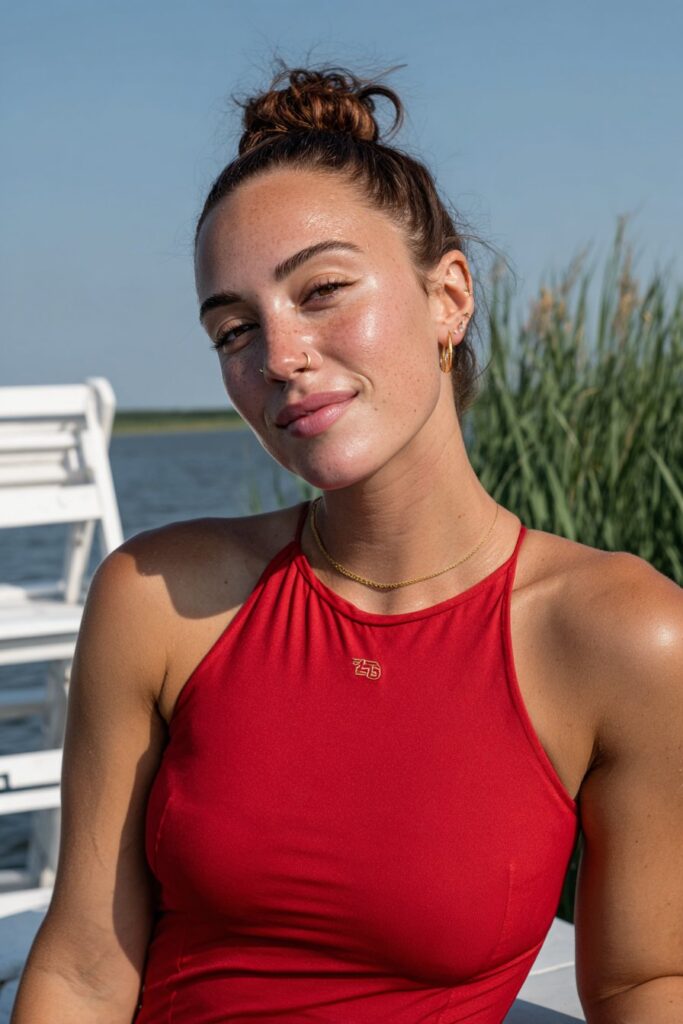
Watching dancers effortlessly create sleek buns inspired me to master this technique for pool environments. The ballerina bun brings elegance to cute lifeguard hairstyles while offering superior protection against chlorine exposure.
How to Create a Ballerina Bun
Brush your hair thoroughly to remove tangles, working from roots to ends. Gather everything into a ponytail positioned at the crown of your head for a high variation, or at the center back for the traditional placement that sits invisible from the front. Secure tightly with an elastic band, ensuring no bumps disrupt the smooth surface.
Grip your ponytail at the ends and twist firmly until it forms a tight rope. The tighter your twist, the neater your finished bun appears. Coil the twisted ponytail into a flat circle around the elastic base, continuing in the same direction as your initial twist to prevent unraveling. Tuck loose ends underneath the bun.
Insert 3-4 hairpins around the edges without releasing your hold on the bun. Hold each pin at the closed end with prongs facing the coil’s center. Push prongs slightly into the bun edge, turn them outward to catch hair outside the bun, then turn inward again and push toward the center. Place a hairnet over the finished bun, making final shape adjustments. Your completed ballerina bun should appear round, even, and sit smoothly against your head.
Why Ballerina Buns Work for Lifeguards
Ballerina buns positioned high on your head keep strands elevated away from direct water contact, significantly reducing chlorine exposure. This placement maintains a fresh, dry appearance throughout extended shifts. The classic style keeps hair completely off your face and neck, preventing distractions during water rescues or pool monitoring.
Tips for Maintaining Your Ballerina Bun in Chlorine
Apply leave-in conditioner to damp hair before creating your bun, establishing a protective barrier against chemicals. Position your bun as high as possible to limit water contact. After swimming, gently refresh by re-twisting and re-pinning rather than completely dismantling the style.
Crown Braid
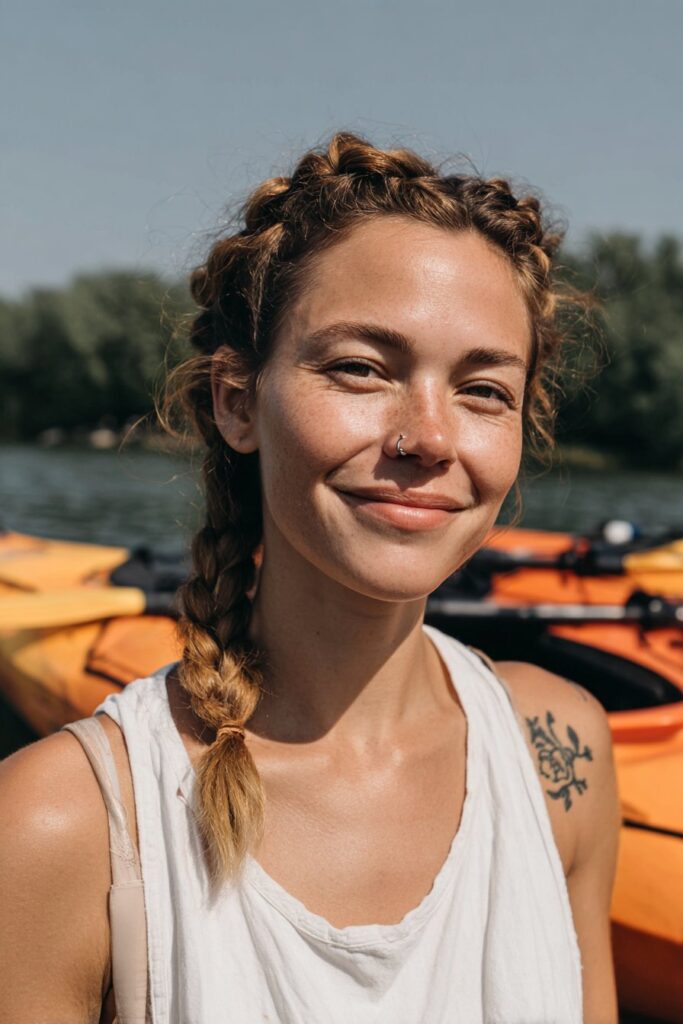
Crown braids remind me of a fairy-tale look I once created for a bride who wanted something elegant yet practical. Essentially, this romantic style wraps around your head like a headband, making it one of the most charming cute lifeguard hairstyles that actually serves a protective purpose.
How to Create a Crown Braid
Part your hair deeply on your right side. Grab a small one-inch section from the heavy side of your part and divide it into three pieces. Cross the right strand under the middle, then cross the left strand under to begin your Dutch braid. Add hair from your hairline to the right strand and cross it under the middle, then repeat on the left side. Continue braiding down toward your left ear, then switch hands and curve the braid around the back of your head. Before reaching your right ear, bring all remaining hair into the braid to minimize bumps. Once you’ve incorporated everything, finish with a regular three-strand braid and lay it across the top of your head, pinning it behind where you started. Pull the edges gently to widen the braid.
Why Crown Braids Work for Lifeguards
Crown braids take 15 minutes or less once you master the technique. The style keeps hair completely off your face while creating a secure hold that lasts through pool activities. Your hair needs to reach slightly past your shoulders for this to work.
Tips for Maintaining Your Crown Braid in Chlorine
Wet your hair with fresh water before swimming to limit chlorine absorption. Rinse immediately after your shift and apply conditioner to restore moisture.
High Ponytail
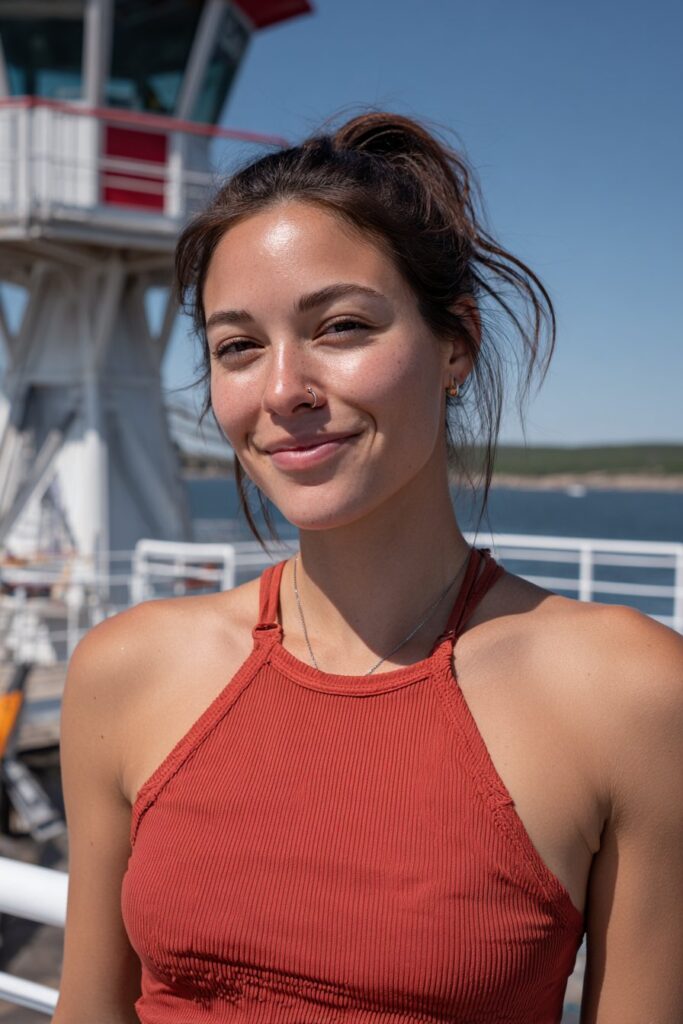
Running late one morning, I pulled my hair into a high ponytail in under thirty seconds and realized this simple style deserved more credit among pool hairstyles. High ponytails combine speed with function, making them perfect for those rushed mornings before early shifts.
How to Create a High Ponytail
Brush your hair upward toward the crown, flipping your head over to sweep hair from the back. This brushing direction helps your ponytail sit exactly where you want it. Lift a small section midway to your crown and backcomb gently toward the roots using a teasing comb, creating volume at the top. Smooth the surface lightly with your brush while keeping the teased section intact. Gather everything at the crown and secure with a fiber-wrapped elastic for extra hold. Wrap a small strand from the ponytail base around the elastic and pin it underneath for a polished finish.
Why High Ponytails Work for Lifeguards
High ponytails keep hair completely off your face and neck, providing ventilation that reduces trapped heat. As a result, you feel cooler during long hours under the sun. This style minimizes tangling in water while maintaining sporty vibes. Positioning hair high minimizes chlorine contact.
Tips for Maintaining Your High Ponytail in Chlorine
Add a waterproof scrunchie for retro flair and extra security. Rinse thoroughly after swimming to remove chemical residue.
Braided Ponytail
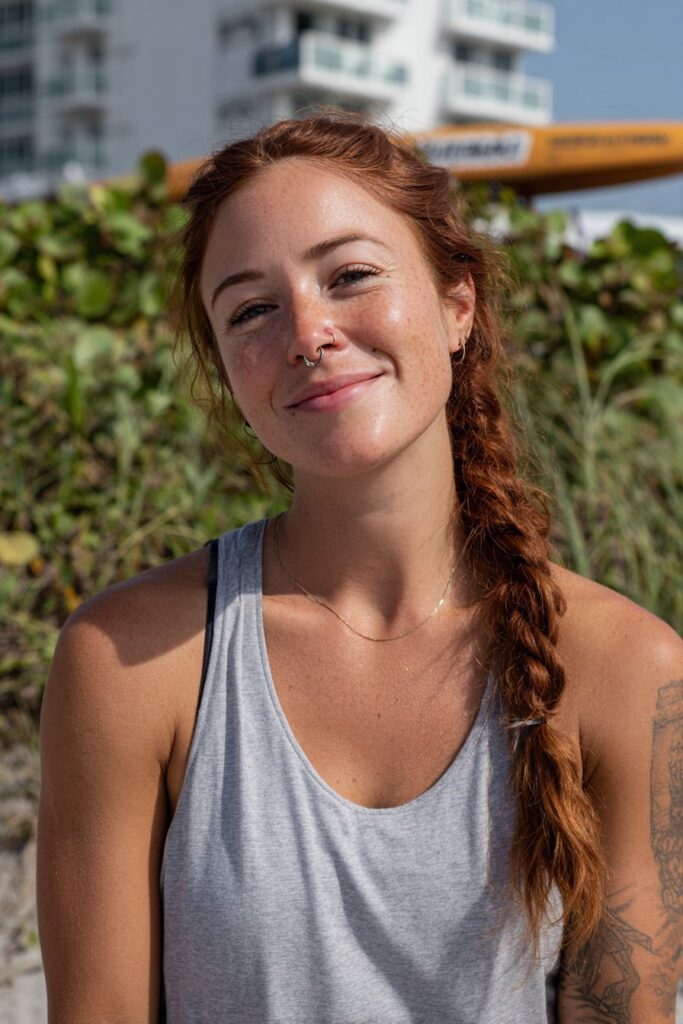
Braided ponytails became my fastest solution when running between rescue drills and swim lesson supervision. This combination style takes less than 5 minutes once you master the technique, making it one of the most practical cute lifeguard hairstyles for busy mornings.
How to Create a Braided Ponytail
Brush your hair into a high ponytail and secure with an elastic. Divide the ponytail into three equal sections. Cross the left section over the middle, then take the right section over the new middle. Continue this alternating pattern until you run out of hair, then tie the ends with another elastic. For a sportier variation, create a Dutch braid by crossing sections under instead of over as you work down from your hairline, incorporating small sections from both sides until you reach the nape.
Why Braided Ponytails Work for Lifeguards
This style pulls hair completely off your neck and face while the braid adds structure that prevents slipping. The secure design minimizes tangling during water activities and works perfectly for long and medium hair lengths. Besides keeping hair contained, the braided ponytail creates a sporty look suitable for pool environments.
Tips for Maintaining Your Braided Ponytail in Chlorine
Rinse immediately after swimming to remove chlorine residue. Re-moisturize with a leave-in spray focused on your roots and natural hair, since chlorine strips protective oils causing dryness and brittleness. Use a clarifying shampoo once or twice weekly if you swim daily.
French Twist
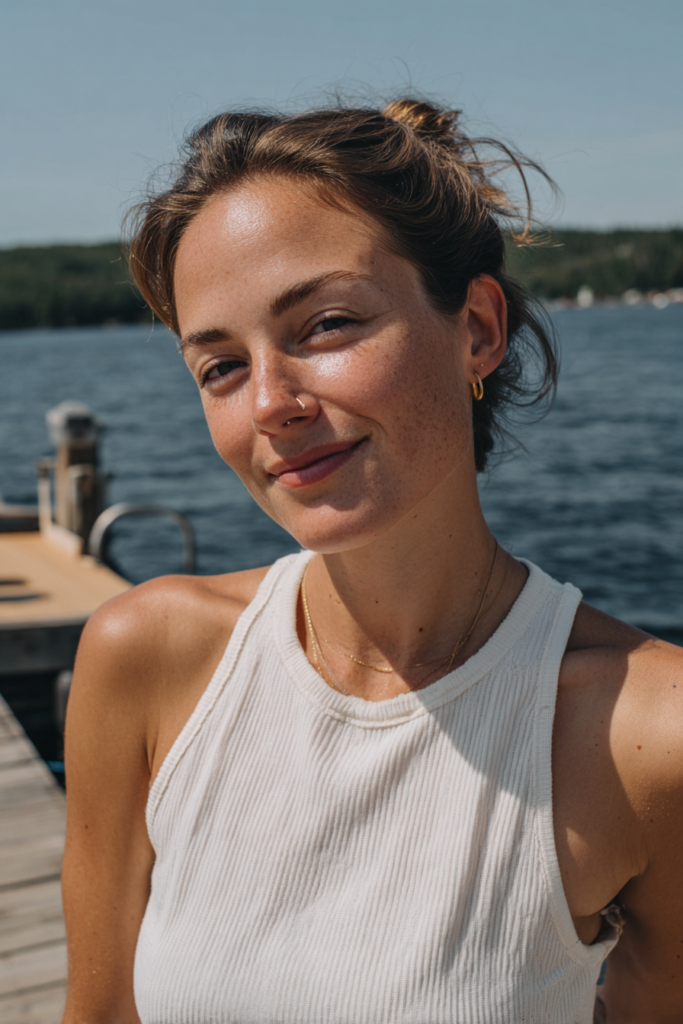
Learning the French twist felt intimidating until I discovered how forgiving this elegant updo actually is. Prior to mastering it, I assumed only professionals could achieve that polished, vertical roll, but the technique became second nature after a few practice sessions.
How to Create a French Twist
Start with day-old hair or add dry shampoo for texture, since freshly washed strands slip too easily. Backcomb the crown area lightly for lift, then smooth the top layer over. Gather all your hair as if making a low ponytail, but pull it tightly to one side instead of tying it. Place bobby pins vertically up the back of your head to create a secure seam. These vertical pins anchor the entire twist.
Twist your gathered hair upwards, away from your face, rolling it like a scroll toward the center of your head. Tuck the ends neatly into the roll for a smooth line. Secure the twisted roll firmly along the seam where you tucked the ends.
Why French Twists Work for Lifeguards
French twists create an elegant updo where hair gathers and twists upwards, secured vertically against your head in a chic, elongated roll. This positions strands away from water contact while maintaining a professional appearance.
Tips for Maintaining Your French Twist in Chlorine
Finish with hairspray to keep everything in place. The elevated positioning limits chlorine exposure naturally.
Space Buns
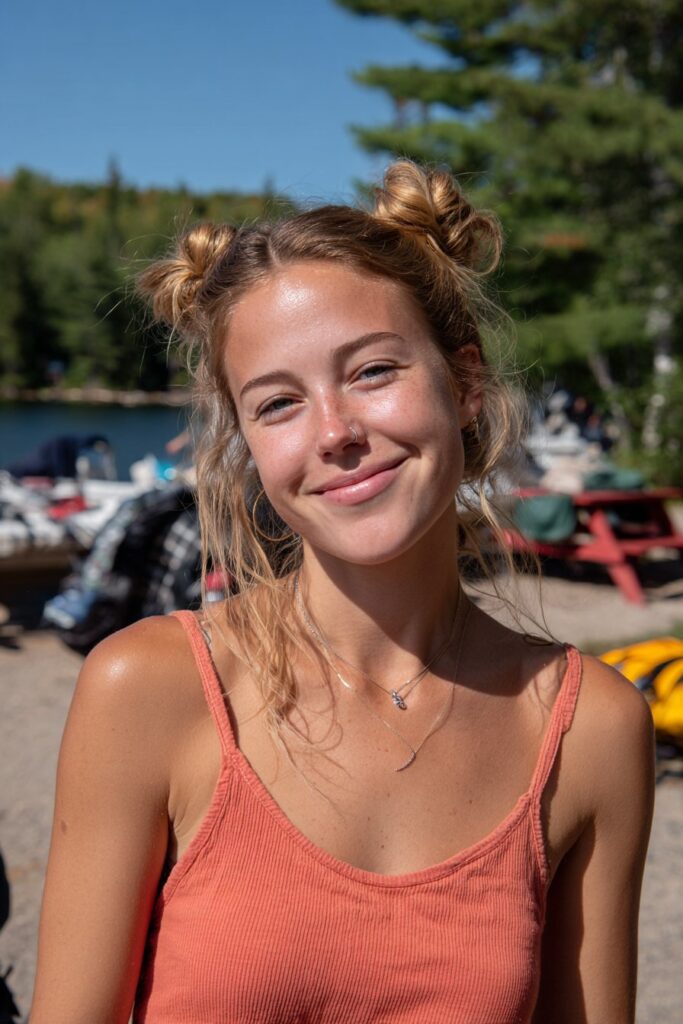
Space buns felt almost too playful when I first tried them, but that changed after watching how well they performed during an intense water safety training week. This ’90s-inspired style features two symmetrical buns positioned high on either side of your head, creating one of the most fun yet functional cute pool hairstyles.
How to Create Space Buns
Brush your hair completely and create a straight center part from your forehead to the nape of your neck. Divide hair into two equal sections, smoothing each with your hands to eliminate bumps. Gather one section into a high ponytail positioned at the crown, securing it tightly with an elastic. The ponytail placement determines where your bun sits. Twist the ponytail firmly from base to ends, then coil the twisted hair around the elastic base in a circular motion. Tuck loose ends under the bun and secure with bobby pins, inserting them with ridged sides facing your scalp for maximum grip. Repeat the exact process on the other side, ensuring both buns appear symmetrical in placement and size. Gently pull at the bun edges to adjust volume and shape until they match.
Why Space Buns Work for Lifeguards
Space buns rank among the best cute lifeguard hairstyles because they keep hair secure and elevated away from water contact. This fun style suits all hair types and textures while transitioning seamlessly between casual and polished looks.
Tips for Maintaining Your Space Buns in Chlorine
Apply leave-in conditioner before styling to create a protective barrier. Position buns high to minimize chlorine exposure, then rinse thoroughly after swimming.
Rope Braid
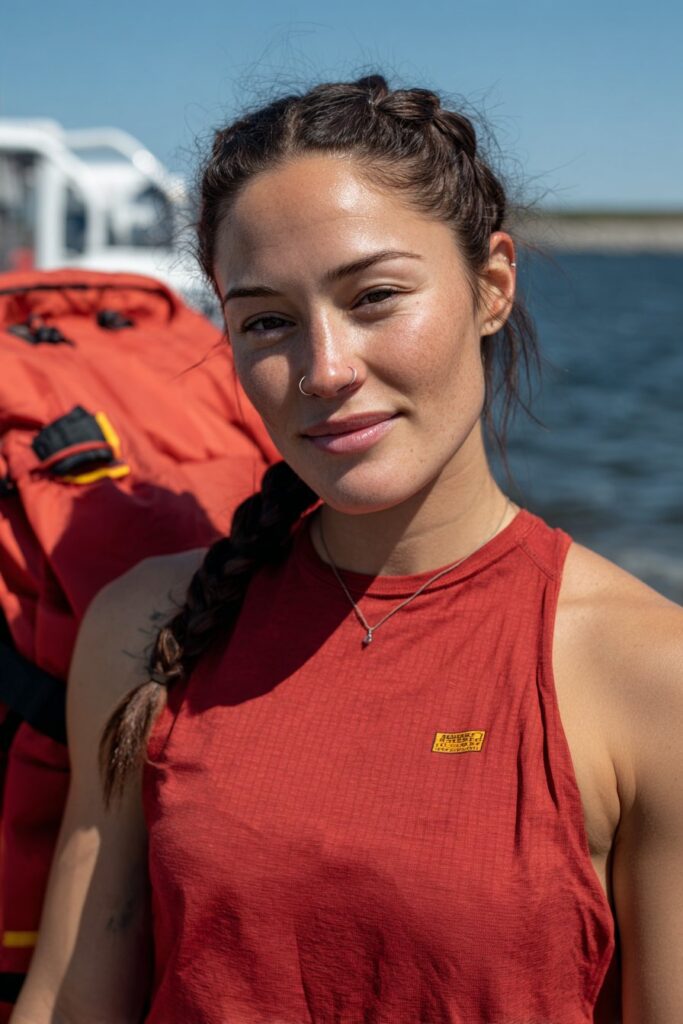
Rope braids surprised me with how simple they are compared to their intricate appearance. Basically, you’re working with just two sections instead of three, which makes this one of the easiest cute lifeguard hairstyles once you understand the twist-and-cross pattern.
How to Create a Rope Braid
Start with brushed hair featuring a deep side part. Grab a small section near your part and divide it into two pieces. Twist both sections in the same direction toward the front of your face. Cross them over each other in the opposite direction, away from your face. Add small pieces of hair to both sections, twist them forward again, then cross them backward. Continue this rhythm until you reach your ends, securing with an elastic. Gently pancake the braid for volume.
Why Rope Braids Work for Lifeguards
In particular, rope braids excel at keeping bangs secured and out of your face no matter how hot conditions get. The twisted pattern holds up during beach days and active shifts, making them perfect pool hairstyles for long hours outdoors.
Tips for Maintaining Your Rope Braid in Chlorine
Wet your hair thoroughly before swimming, since dry hair absorbs significantly more chlorine. Apply coconut oil to coat strands and create a barrier against water absorption. Seal with conditioner before braiding. Rinse immediately after your shift ends.
Milkmaid Braid
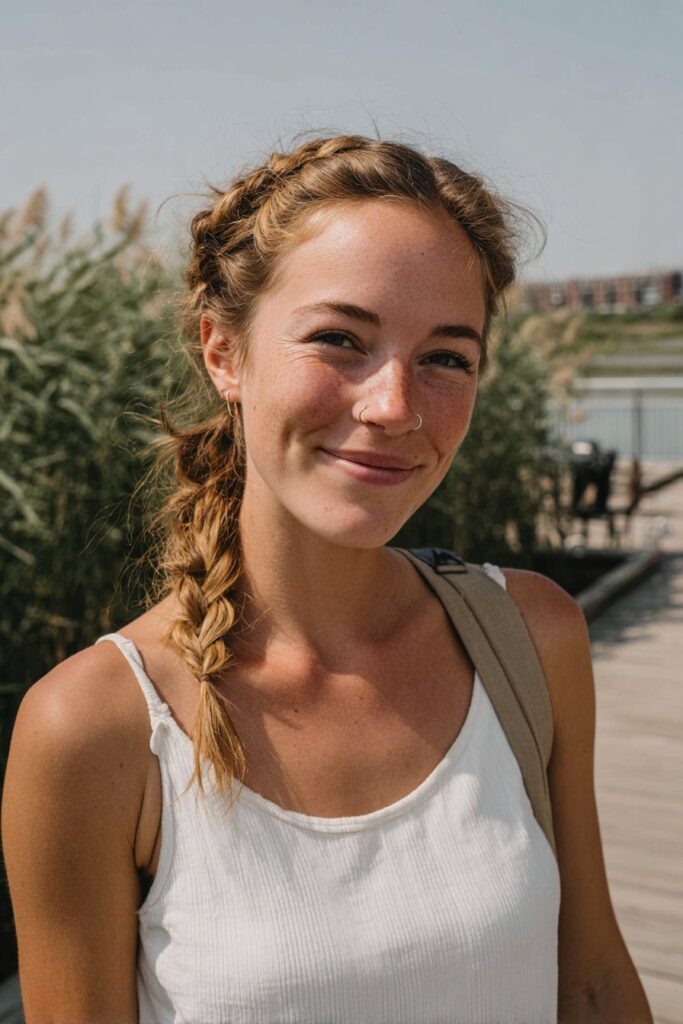
Milkmaid braids earned their name centuries ago when women working outdoors needed hairstyles that stayed secure during physical labor. This crown braid wraps around your head like a headband, creating one of the most historically practical yet charming cute lifeguard hairstyles still used poolside.
How to Create a Milkmaid Braid
Create a precise center part from your forehead straight to your nape. Divide hair into two equal sections. Braid each side using a classic three-strand technique, securing the ends with clear elastics that match your hair color. Pull the first braid up and lay it across the top of your head, pinning it firmly behind your opposite ear with bobby pins. Take the second braid and position it just behind the first one, securing it behind the other ear. Tuck the loose ends under the opposite braid to hide elastic bands. This works perfectly on shoulder-length hair or longer.
Why Milkmaid Braids Work for Lifeguards
Specifically designed as a functional style during the Middle Ages, milkmaid braids kept women’s hair contained while they worked. This same practicality translates perfectly to pool environments where you need secure, attractive hairstyles. The style works exceptionally well on unwashed hair, making it ideal for those early morning shifts.
Tips for Maintaining Your Milkmaid Braid in Chlorine
Apply conditioner to your hair ends before braiding to create a protective barrier. Rinse thoroughly after swimming and reapply moisture treatment.
Low Bun
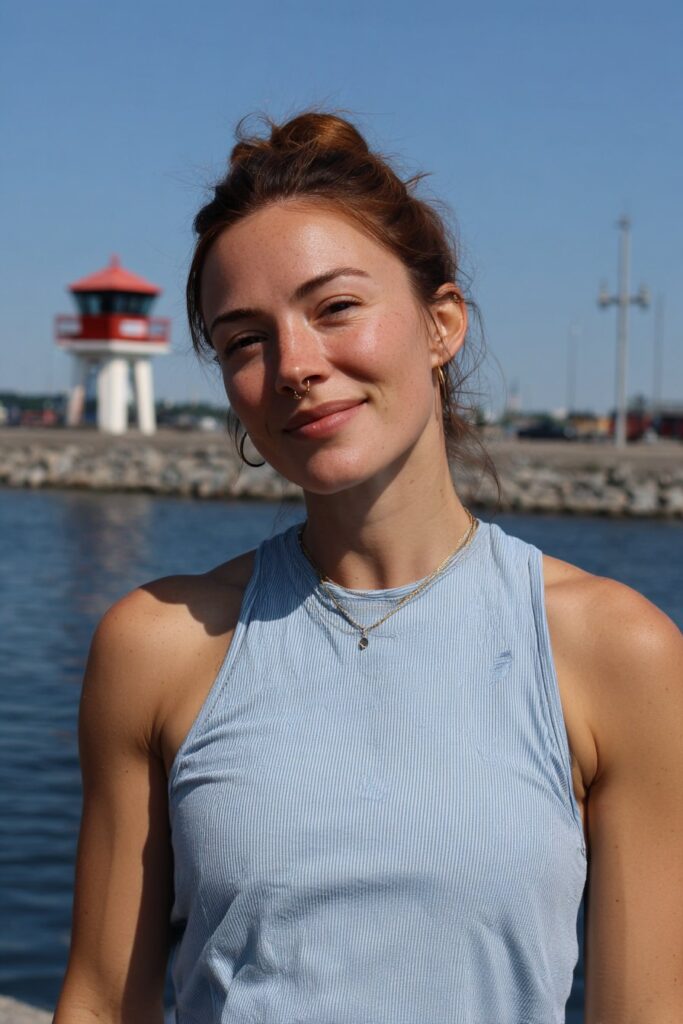
Low buns became a staple after years of experimenting with pool hairstyles that needed to look polished yet withstand hours of chlorine exposure. This classic style sits at the nape of your neck, offering versatility whether you prefer sleek sophistication or relaxed texture.
How to Create a Low Bun
Wash and brush your hair thoroughly, using a mixed bristle brush to smooth the surface while removing tangles. Pull everything into a tidy ponytail at the base of your neck and secure loosely with a hair tie. Twist the sections around themselves until you form one long twisted strand, moving in whichever direction feels comfortable. Form your bun by wrapping the twisted hair around the elastic and tucking it into the ponytail base. Insert bobby pins with the opening towards your scalp, pushing down and sliding into the knot. Finish with hairspray to tame flyaways.
Why Low Buns Work for Lifeguards
Low buns minimize hair exposure to water while providing a polished appearance. The positioning keeps strands secure and contained, preventing distractions during pool monitoring.
Tips for Maintaining Your Low Bun in Chlorine
Slather argan oil or conditioner on your hair ends before creating your bun. This protective layer shields against chlorine damage while adding moisture throughout your shift.
Conclusion
After all these years poolside, I’ve learned that protecting your hair from chlorine doesn’t mean sacrificing style. These 15 lifeguard hairstyles prove you can look polished while keeping your strands healthy and secure. Some styles might work better for your hair type than others, and that’s perfectly fine. Experiment with different options until you find your favorites. For instance, I alternate between Dutch braids on busy days and elegant buns for calmer shifts. The key is finding what keeps you comfortable and confident throughout long hours under the sun. Your hair will thank you for the protection, and you’ll feel great knowing you’ve mastered functional beauty.

Elsa Claire is the founder and editor of ElsaClaire.com, where she writes about hairstyles, hair care, and the everyday routines that help real people feel good about their hair.